
If you’re like many garden enthusiasts, you’ve probably marveled at the towering grandeur of giant sunflowers or appreciated the compact charm of dwarf varieties. But have you ever stopped to think about how these differences in size and growth habit can impact your garden’s overall design and functionality? Choosing the right type of sunflower for your space is crucial, as it can either add beauty and drama or become a burden due to its size. In this article, we’ll delve into the fascinating world of sunflowers, exploring the various types that exist and providing guidance on how to select the perfect one for your garden’s needs. Whether you’re a seasoned gardener or just starting out, you won’t want to miss this informative look at the many wonders of sunflower diversity.
The Importance of Choosing the Right Sunflower Variety
When selecting a sunflower variety, it’s essential to consider not only its growth habits but also its ultimate size and bloom performance. This will help you choose a variety that suits your specific needs and goals.
Understanding the Purpose of Growing Sunflowers
When it comes to growing sunflowers, many people wonder about their purpose and why they’re worth cultivating in gardens. The answer is simple: sunflowers serve multiple purposes that make them a valuable addition to both ornamental and edible gardens.
For one, sunflowers are an excellent source of food. Their large seeds are rich in nutrients like protein, fiber, and healthy fats, making them a popular choice for bird feeders and human snacks alike. In fact, you can harvest the mature seeds right from your garden and enjoy them as a crunchy snack or use them in baking recipes.
Beyond their edible uses, sunflowers also serve as stunning ornamentals. Their towering stature and bright yellow petals create a dramatic display that’s hard to match. They’re often planted near pathways or along fences to create a visually appealing border. In addition, sunflowers are natural attractors for pollinators like bees and butterflies, making them a great choice for gardeners who want to support local wildlife.
Whether you’re growing sunflowers for their beauty, nutrition, or both, understanding their purpose is essential to getting the most out of these incredible plants. By incorporating sunflowers into your garden design, you’ll not only add visual interest but also create a sustainable and self-sufficient ecosystem that benefits both you and the environment.
Factors to Consider When Selecting a Sunflower Variety
When selecting a sunflower variety, there are several key factors to consider. One of the most important is size – do you want a towering giant or a compact bloom? Some varieties can grow up to 12 feet tall, while others remain under three feet. Consider the space you have available in your garden and choose a variety that fits within it.
Growth habits are another essential consideration. Some sunflowers have upright growth, while others spread outwards or even trail along the ground. If you’re looking for a dramatic focal point, an upright variety may be the way to go. However, if you want to create a more relaxed, informal look, a spreading or trailing variety could be perfect.
Bloom time is also worth thinking about – do you want your sunflowers to bloom early in the season, or later when other flowers have started to fade? Some varieties bloom as early as mid-summer, while others don’t start blooming until late summer or even early fall.
Types of Sunflowers Based on Size
When it comes to growing sunflowers, their size can vary greatly, from compact varieties perfect for small gardens to towering giants that command attention. Let’s explore some popular types of sunflowers based on their impressive height and spread.
Dwarf or Compact Sunflowers
If you have limited space for sunflowers in your garden or want to add a pop of color to your containers, consider growing dwarf or compact sunflower varieties. These miniature marvels offer all the charm and beauty of traditional sunflowers but on a much smaller scale.
Dwarf sunflowers typically grow between 1-3 feet tall, making them perfect for small gardens, patios, or balconies. Compact varieties are often used in container gardens, where their short stature allows for better air circulation and prevents overcrowding. Both types come in an array of colors, including yellow, orange, red, and bi-colored blooms.
Their compact size also makes dwarf sunflowers more suitable for areas with limited sunlight or cooler temperatures. They require less support and maintenance compared to their larger counterparts, making them ideal for busy gardeners. Some popular varieties include ‘Teddy Bear’, ‘Suntastic Yellow’, and ‘Red Sun’. To grow these mini marvels, simply plant seeds 1-2 inches deep in well-draining soil, water regularly, and enjoy the show as they bloom within 60-90 days.
Mammoth Sunflowers
Mammoth sunflowers are truly a sight to behold. These towering beauties can grow up to 18 feet tall and boast blooms that are just as large, measuring up to 12 inches in diameter. Their massive size is no surprise given their heritage – these varieties originated from crossing giant sunflowers with other large-flowered types.
One of the standout characteristics of mammoth sunflowers is their impressive flower head. These blooms are often a deep yellow or bi-colored, and can be used as cut flowers or left to attract pollinators in your garden. When choosing a mammoth variety for your garden, consider factors such as soil quality and moisture levels – these sunflowers prefer well-draining, rich soil.
Some popular varieties of mammoth sunflowers include ‘Mammoth’ itself, ‘Velvet Queen’, and ‘Red Sun’. These towering plants are perfect for making a statement in any garden or meadow. If you’re new to growing sunflowers, consider starting with a dwarf variety first – but if you’re up for the challenge, a mammoth sunflower is sure to be a showstopper.
Giant Sunflowers
Giant sunflowers are often the crowning glory of any garden, and for good reason. These towering plants can grow up to 18 feet tall, making them a statement piece that’s hard to miss. But what makes them so special? For one, they offer a balance between size and productivity, meaning you don’t have to sacrifice yields for the sake of dramatic height.
One of the key features of giant sunflowers is their ability to produce large, heavy blooms that can weigh up to 30 pounds or more. This means you’ll get plenty of seeds for snacking, baking, or cooking, making them a great choice for families or gardeners who want to share with friends and neighbors.
To grow your own giant sunflower, choose a variety like ‘Mammoth’ or ‘Velvet Queen’, which are bred specifically for their size and productivity. Plant the seeds in well-draining soil and full sun, and be prepared to provide support as they grow – stakes or a trellis can help keep them upright. With proper care, you’ll be enjoying giant blooms and bountiful harvests in no time!
Types of Sunflowers Based on Bloom Type
Sunflowers come in a range of bloom types, each with its own unique characteristics. Let’s explore these variations and discover what sets them apart from one another.
Single-Petaled Sunflowers
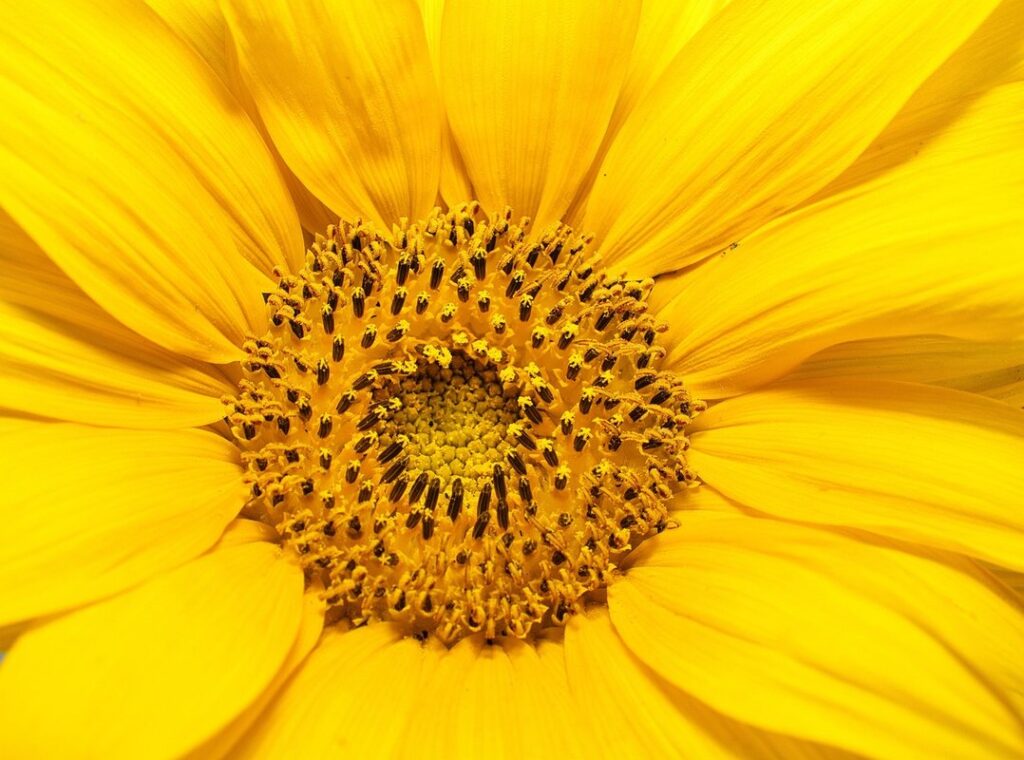
Single-petaled sunflowers are a distinct and charming variety that offers a unique twist on the classic sunflower bloom. These plants produce a single large flower head with a prominent central disc, surrounded by a ring of petals. One of the most notable characteristics of single-petaled sunflowers is their impressive size – some varieties can reach diameters of up to 12 inches or more.
These sunflowers are ideal for adding a touch of elegance and sophistication to any garden or arrangement. Their large, single blooms make them perfect for cutting gardens and bouquets, where they can be used as a statement piece. Some popular uses for single-petaled sunflowers include:
• Adding a pop of color to summer arrangements
• Creating a dramatic focal point in a vase or centerpiece
• Using as a unique element in floral designs
When growing single-petaled sunflowers, it’s essential to provide them with full sun and well-draining soil. With proper care, these plants can thrive and produce an abundance of beautiful blooms throughout the summer months.
Double-Petaled Sunflowers
Double-petaled sunflowers are a delight to behold, with their more complex and showy bloom structure setting them apart from single-petaled varieties. These flowers feature two layers of petals, giving them a full, ruffled appearance that’s sure to catch the eye.
One of the most notable characteristics of double-petaled sunflowers is their increased petal count. While single-petaled sunflowers typically have 20-25 petals, double-petaled varieties can boast up to 50 or more! This dramatic increase in petal number creates a fuller, more voluminous bloom that’s perfect for adding visual interest to your garden.
If you’re looking to grow double-petaled sunflowers in your own garden, be aware that they often require a bit more maintenance than their single-petaled counterparts. Double-petaled varieties tend to produce more blooms per plant, but each individual flower may also be slightly smaller and less long-lasting. To make the most of these beautiful flowers, be sure to provide them with plenty of sunlight and water throughout the growing season.
In addition to their stunning appearance, double-petaled sunflowers are also prized for their unique texture and fragrant blooms. With proper care and attention, these show-stopping flowers can add a touch of elegance and sophistication to any garden or arrangement.
Types of Sunflowers Based on Growth Habit
You’re probably curious about how sunflowers grow, and there’s more to it than you might think – we’ve got three main types to explore based on their growth habits.
Upright Sunflowers
Upright sunflowers are one of the most recognizable and popular varieties, known for their tall, straight stems that can grow up to 12 feet or more without needing much support. These statuesque flowers have a classic, timeless look that’s perfect for adding drama and height to any garden or landscape.
When choosing upright sunflower varieties, consider factors like height, bloom size, and flower color. Some popular types of upright sunflowers include ‘Mammoth’, ‘Velvet Queen’, and ‘Sungold’. These varieties are great for creating a dramatic backdrop for other plants in the garden or as a standalone statement piece.
To grow upright sunflowers successfully, make sure to plant them in full sun (at least 6 hours of direct sunlight) and well-draining soil. Water them regularly, but avoid overwatering, which can lead to weak stems and toppled flowers. With proper care, upright sunflowers will provide a stunning display of large, cheery blooms that are sure to attract pollinators and add beauty to your outdoor space.
In addition to their aesthetic appeal, upright sunflowers also offer a bounty of edible seeds for snacking or cooking. Simply remove the petals, cut off the flower head, and dry the seeds in a single layer to enjoy as a crunchy snack or use in recipes.
Branching or Compact Sunflowers
If you’re looking to add some variety to your garden without sacrificing space, consider branching or compact sunflower varieties. These types of sunflowers produce multiple blooms and are perfect for smaller spaces, such as containers or tight gardens. Unlike their tall, statuesque counterparts, these plants are designed to grow shorter in stature while still producing plenty of flowers.
Some popular examples of compact sunflowers include ‘Teddy Bear’, which grows up to 12 inches tall and produces bright yellow petals with dark centers. Another option is ‘Soraya’, a dwarf variety that reaches heights of around 18 inches and boasts large, velvety blooms in shades of orange and red. When growing branching or compact sunflowers, it’s essential to provide them with full sun and well-draining soil to ensure optimal growth.
When planting these varieties, remember to space them about 6-12 inches apart to allow for proper air circulation and sunlight penetration. With proper care, you can enjoy a bountiful harvest of sunflowers in even the smallest of spaces. By choosing compact or branching varieties, you’ll be able to add more color and texture to your garden without sacrificing functionality.
Hybrid vs. Open-Pollinated Sunflower Varieties
When choosing sunflowers, you may come across two main types: hybrid and open-pollinated varieties, each with its own unique characteristics and benefits for your garden. Let’s break down the key differences between them.
Characteristics of Hybrid Sunflowers
Hybrid sunflowers have become increasingly popular among gardeners due to their remarkable advantages over traditional open-pollinated varieties. One of the key benefits is improved disease resistance. This is because hybrid sunflowers are bred specifically for their ability to withstand common diseases that can decimate entire fields, such as powdery mildew and downy mildew.
This robust health makes them ideal for commercial growers who need to maximize yields while minimizing losses due to pests or diseases. In fact, studies have shown that hybrid sunflowers can produce up to 20% more seeds than their open-pollinated counterparts, making them a lucrative choice for farmers looking to increase profitability.
However, it’s worth noting that hybrid sunflowers often lack the genetic diversity of open-pollinated varieties, which can lead to reduced vigor and lower germination rates. This means that growers may need to take extra precautions when planting hybrid seeds, such as providing optimal growing conditions and using proper sowing techniques. Despite these potential drawbacks, the advantages of hybrid sunflowers make them an attractive choice for gardeners seeking high yields and improved disease resistance.
Characteristics of Open-Pollinated Sunflowers
Growing open-pollinated sunflower varieties can be a great choice for gardeners on a budget and those who value genetic diversity. These plants are often more cost-effective because they don’t require the purchase of new seeds every season, as you can harvest and save seeds from your existing crop. In fact, many heirloom sunflower varieties have been passed down through generations, with some families saving seeds for decades.
One of the main benefits of open-pollinated sunflowers is their ability to adapt to local conditions over time. As they are bred using natural selection, they tend to develop traits that suit their specific environment, making them more resilient and less reliant on external inputs like pesticides or fertilizers. This also means that you can expect a wider range of growth patterns, sizes, and flower colors with open-pollinated varieties.
By growing open-pollinated sunflowers, you’ll not only save money but also contribute to the preservation of genetic diversity in your garden.
Caring for Different Types of Sunflowers
Whether you’re growing towering Mammoth sunflowers or delicate Teddy Bear varieties, proper care is crucial to their success and longevity in your garden. Let’s dive into the unique needs of different types of sunflowers.
General Care Tips for Sunflowers
When it comes to caring for sunflowers, there are some general care requirements that apply to all varieties. Watering is essential, especially during hot summer months when the soil can dry out quickly. Aim to provide about 1 inch of water per week, either through rainfall or irrigation. However, be cautious not to overwater, as this can lead to root rot and other problems.
Fertilization is also crucial for healthy sunflower growth. Feed your plants with a balanced fertilizer (10-10-10 NPK) once a month. You can also side-dress with high-phosphorus fertilizer (10-20-10 NPK) to promote blooming.
Pruning is another important aspect of sunflower care. Remove any weak or spindly growth to encourage the plant to focus its energy on producing large, healthy blooms. Cut back the plant by about one-third after it reaches 12 inches tall to prevent wind damage and promote a strong stem.
By following these basic care tips, you can help your sunflowers thrive and enjoy their full beauty.
Specific Care Needs for Hybrid vs. Open-Pollinated Sunflowers
When it comes to caring for hybrid versus open-pollinated sunflowers, their unique growth habits and characteristics demand tailored attention. Hybrid sunflowers, bred for specific traits like disease resistance or compact growth, often require more precise care. Their seeds are typically sown closer together, which can lead to competition for resources if not managed properly.
To ensure healthy growth, make sure to provide hybrid sunflowers with ample space to stretch their tall stalks without overcrowding the area. A general rule of thumb is to plant them 12-18 inches apart. This will help prevent moisture and nutrient depletion in the soil.
Open-pollinated sunflowers, on the other hand, are often more robust and adaptable to various environments. They can thrive with less attention, but still benefit from regular watering and fertilization. These varieties tend to produce larger seeds, which can be saved for replanting in future seasons.
When caring for both types, remember that consistent moisture levels and well-draining soil are essential for optimal growth. Keep an eye out for signs of stress or disease, and take prompt action if necessary.
Frequently Asked Questions
Can I Grow Sunflowers in Containers or Small Spaces?
Yes, you can grow sunflowers in containers or small spaces, but keep in mind that they may require more frequent watering and fertilization due to their compact growth habits. Look for dwarf or compact varieties specifically bred for container growing.
How Do I Determine the Best Sunflower Variety for My Garden’s Climate?
The best way to determine the right sunflower variety for your garden’s climate is to research its specific heat tolerance, frost sensitivity, and moisture requirements. This will ensure that your chosen variety thrives in your local conditions and produces optimal results.
What Are Some Common Challenges When Growing Sunflowers, and How Can I Overcome Them?
Some common challenges when growing sunflowers include poor germination rates, stunted growth, and pest damage. To overcome these issues, make sure to plant high-quality seeds, provide adequate sunlight and water, and maintain a balanced fertilizer regimen. Regularly inspect your plants for signs of pests or disease.
Can I Grow Multiple Varieties of Sunflowers in the Same Garden?
Yes, you can grow multiple varieties of sunflowers in the same garden, but be aware that they may have different growth habits and space requirements. Plant taller varieties towards the north to avoid shading shorter ones, and consider grouping similar-sized varieties together for easier maintenance.
How Do I Store and Save Sunflower Seeds for Next Year’s Crop?
To store and save sunflower seeds for next year’s crop, allow the flowers to mature fully on the plant before harvesting the seed heads. Remove the seeds from the head, dry them thoroughly in a cool, dark place, and store them in an airtight container in a cool, dry location.