
Are you tired of struggling with bare spots in your garden or dealing with invasive weeds that choke out your desired plants? Look no further than sun-loving ground covers, the perfect solution for low-maintenance and drought-tolerant gardening. These hardy plants are designed to thrive in full sun and can tolerate a range of soil types, making them an ideal choice for gardens of all climates.
In this article, we’ll explore the best options for your garden’s climate and soil type, providing you with expert advice on how to choose and care for these amazing ground covers. From preventing erosion to adding beauty and texture to your garden beds, sun-loving ground covers are a game-changer for any gardener. Keep reading to discover the perfect plants for your outdoor space and learn how to make the most of their benefits.
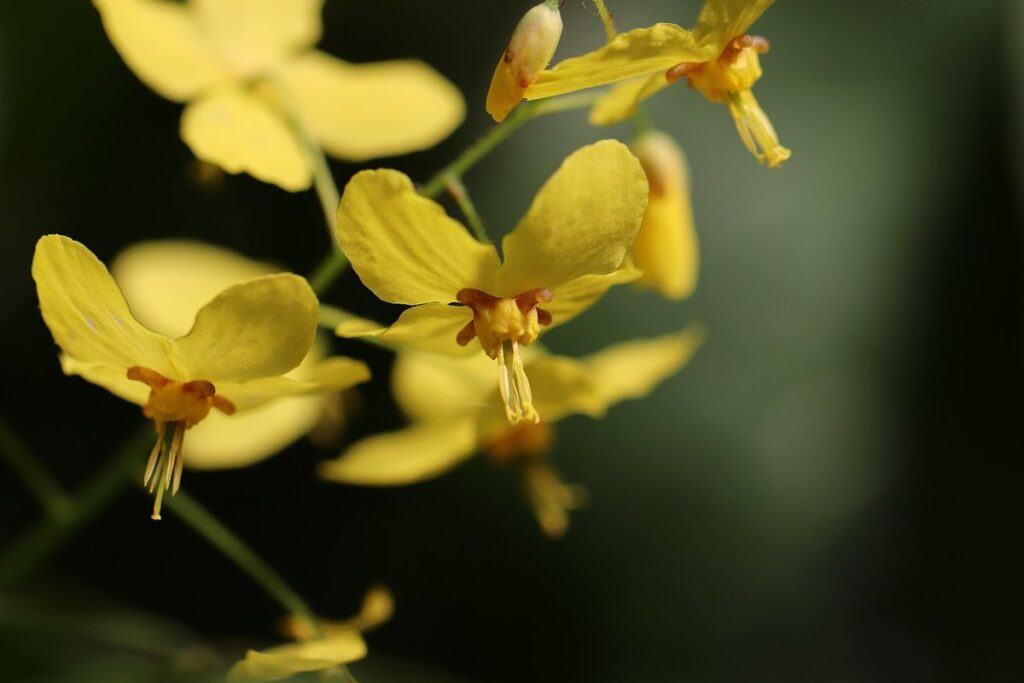
Characteristics of Successful Sun-Loving Ground Covers
To create a beautiful and thriving garden, it’s essential to choose ground covers that can thrive in full sun and meet your specific needs. Let’s explore the key characteristics of successful sun-loving ground covers next.
Low-Maintenance Options for Busy Gardeners
As busy gardeners, it’s essential to choose ground covers that can keep up with our hectic lifestyles. In today’s fast-paced world, maintaining a lush and vibrant garden can be overwhelming. That’s why low-maintenance options are a must-have for any sun-loving ground cover enthusiast.
One of the primary benefits of low-maintenance ground covers is their ability to thrive with minimal care. This means you can enjoy a beautiful, weed-free lawn without breaking your back or sacrificing precious time from your busy schedule. Take, for instance, the popular Creeping Thyme (Thymus serpyllum) and Sedum (Sedum spp.) species. These sun-loving ground covers are incredibly hardy and require only occasional watering and pruning to maintain their lush appearance.
For those looking for even more hands-off options, consider the following sun-loving ground covers: Vinca minor (Periwinkle), Phyla nodiflora (Creeping Lantana), or Delosperma (Ice Plant). These species are designed to handle neglect, making them perfect for busy gardeners. By incorporating these low-maintenance ground covers into your garden, you can enjoy a stunning display of color and texture without sacrificing an ounce of time from your already-packed schedule.
Drought Tolerance and Water Efficiency
When it comes to sun-loving ground covers, one of their most significant advantages is their ability to thrive in dry conditions without requiring excessive water. Drought-tolerant plants have adapted to conserve water through various mechanisms such as deep root systems that tap into underground water sources or modified leaf structures that minimize transpiration.
These characteristics not only reduce water consumption but also lower maintenance costs, making them ideal for gardeners who want to save time and money on their garden’s upkeep. For instance, the succulent ground cover Sedum can go weeks without watering while still maintaining its lush appearance.
When selecting drought-tolerant sun-loving ground covers, look for plants with thick, waxy leaves or stems that store water, such as Echeveria or Delosperma. Plant them in well-draining soil to prevent waterlogged conditions and mulch around the base to retain moisture. By choosing drought-tolerant ground covers, you’ll enjoy a beautiful garden that requires minimal watering, making it perfect for areas with low rainfall or water restrictions.
Choosing the Right Sun-Loving Ground Covers for Your Garden
When selecting sun-loving ground covers, you’ll want to consider factors such as soil type, moisture levels, and sunlight exposure to ensure a thriving garden. This selection process is crucial for a beautiful and low-maintenance landscape.
Climate Considerations: Understanding Your Regional Needs
When it comes to selecting sun-loving ground covers, climate plays a crucial role in determining which plants will thrive in your garden. The United States alone has 11 distinct climate zones, each with its unique characteristics and challenges.
To understand the regional needs of your garden, you need to identify your local climate zone. The USDA Plant Hardiness Zone Map is a great resource for this purpose. Based on the average annual extreme minimum temperature, it categorizes regions from Zone 1 (coldest) to Zone 11 (warmest).
Different climate zones require different types of sun-loving ground covers. For example, in dry climates like California’s Zone 10, drought-tolerant plants like succulents and creeping thyme are ideal choices. In contrast, humid climates like Florida’s Zone 10 require more moisture-loving plants such as sedum and vinca minor.
When selecting a ground cover for your garden, consider the local temperature fluctuations, precipitation patterns, and soil types to ensure you choose a plant that will thrive in your specific climate. By doing so, you’ll be able to create a stunning, low-maintenance landscape that brings joy and beauty to your outdoor space.
Soil Types and pH Levels: A Guide to Compatibility
When choosing sun-loving ground covers, it’s essential to consider the compatibility between the plant and your garden’s soil type. Different soils have unique pH levels, which can either hinder or promote healthy growth in plants. Soil with a high pH level is alkaline, while acidic soil has a low pH level.
To determine your garden’s soil composition, you can perform a simple test using vinegar and baking soda. Mix 1 tablespoon of each into a small area of soil, observing the reaction: if it fizzes, your soil is likely acidic; if not, it’s alkaline or neutral. You can also send a sample to a lab for precise analysis.
Most sun-loving ground covers prefer well-draining, slightly acidic soils with a pH between 6.0 and 7.0. For example, Sedum and Succulents thrive in sandy, slightly acidic soils, while Creeping Thyme prefers more alkaline conditions. Knowing your soil type will help you choose the right plants for optimal growth and survival. Consider these factors when selecting sun-loving ground covers to ensure a healthy, vibrant garden.
Popular Sun-Loving Ground Covers for Your Garden
When it comes to sun-loving ground covers, some options stand out from the rest due to their vibrant colors and low-maintenance requirements. In this section, we’ll highlight a few of our favorites.
Succulent Ground Covers: Spreading Color and Texture
When it comes to adding some serious curb appeal and low-maintenance charm to your garden, succulent ground covers are an excellent choice. These sun-loving plants have taken the gardening world by storm, and for good reason – they’re incredibly hardy, drought-tolerant, and visually stunning.
Some popular succulent species that excel as ground covers include Sedum (Sedum spp.), Delosperma (Delosperma spp.), and Echeveria (Echeveria spp.). These plants offer a range of unique characteristics and benefits. For instance, Sedum varieties like ‘Dragon’s Blood’ and ‘Vera Higgins’ showcase vibrant red and purple hues, respectively, adding a pop of color to your garden beds.
To propagate succulent ground covers, you can use the leaf or stem cuttings method. This involves removing healthy leaves from mature plants and allowing them to dry out for 24-48 hours before planting in well-draining soil. Make sure to water sparingly, as overwatering is a common mistake when caring for these drought-tolerant plants.
When it comes to care requirements, succulent ground covers are relatively easy-going. Most require full sun (at least six hours of direct sunlight), good air circulation, and infrequent watering. For example, Delosperma ‘Wheeler’s Pink’ prefers dry soil and only needs water once a week during hot summer months. With proper care and attention, these sun-loving ground covers will thrive in your garden, providing an attractive display of color and texture for years to come.
Creeping Thyme and Other Low-Growing Options
Creeping thyme is one of the most popular low-growing sun-loving ground covers, and for good reason. It’s incredibly versatile, thriving not only in garden beds but also in containers and hanging baskets. This compact, spreading plant can form a beautiful mat-like coverage, suppressing weeds and adding a fragrant charm to your outdoor space.
When it comes to pruning creeping thyme, the key is to maintain its desired shape while encouraging new growth. Pinch off tips of stems to encourage branching, or trim back the entire plant after flowering to promote fresh foliage. You can also use this low-growing ground cover as a “living mulch” by allowing it to spill over the edges of containers and baskets.
For those with limited space, creeping thyme is an ideal option for sunny spots that receive at least four hours of direct sunlight per day. It’s drought-tolerant, yet still requires regular watering to prevent scorching. With its delicate, tiny leaves and pink-tinged flowers in the summer months, this sun-loving ground cover is sure to bring a touch of whimsy to your garden.
Sun-Loving Ground Covers for Erosion Control
When it comes to erosion control, sun-loving ground covers are a garden owner’s best friend, and in this section we’ll explore some of the most effective options. From thyme to creeping juniper, these plants excel at holding soil in place.
The Role of Ground Covers in Preventing Soil Erosion
When it comes to sun-loving ground covers, their role extends beyond just adding beauty and texture to your garden. They also play a critical part in preventing soil erosion on slopes, embankments, and other areas prone to runoff.
These plants help stabilize the soil by creating a dense network of roots that dig deep into the ground, holding it firmly in place. This prevents soil from being washed away by heavy rainfall or irrigation, which can lead to sedimentation in nearby waterways. In fact, a study by the US Department of Agriculture found that well-established ground covers can reduce soil erosion by up to 70%.
By selecting sun-loving ground covers with aggressive root systems, such as creeping juniper or sedum, you can effectively combat soil erosion on your property. Additionally, these plants also help to hold the soil in place during times of drought, when it’s more susceptible to being eroded.
To maximize their effectiveness, be sure to plant them at a density of about 6-8 inches apart, and keep the area well-watered until they’re established. With proper care and maintenance, sun-loving ground covers can provide years of reliable erosion control while adding beauty and charm to your garden.
Choosing Ground Covers with Deep Roots for Enhanced Stability
When selecting sun-loving ground covers for erosion control, it’s essential to focus on species with deep roots that can effectively anchor topsoil. Deep-rooted plants like creeping thyme (Thymus serpyllum) and sedum (Sedum spp.) are excellent choices for high-risk terrain. Their extensive root systems prevent soil erosion by holding the ground in place, reducing the risk of landslides.
A case study on a steep slope in California demonstrates the effectiveness of deep-rooted sun-loving ground covers. The area was previously plagued by frequent landslides due to heavy rainfall and poor soil stability. By planting creeping juniper (Juniperus horizontalis) with its extensive root system, the area saw a significant reduction in erosion and landslides.
When choosing a deep-rooted sun-loving ground cover for your garden, consider the specific climate and soil conditions of your area. Select species that are native to your region or have similar growing requirements. Regular watering and maintenance will also ensure the health and stability of these plants.
Caring for Your Sun-Loving Ground Covers
Now that you’ve chosen your perfect sun-loving ground covers, it’s time to focus on their care and maintenance. This section will cover essential tips for keeping them thriving in optimal conditions.
Watering Strategies: Avoiding Overwatering and Underwatering
When it comes to caring for your sun-loving ground covers, watering is one of the most critical aspects. It’s easy to get caught up in either overwatering or underwatering, but striking a balance is key. To avoid these common mistakes, you need to learn how to monitor soil moisture levels.
Check the soil daily by inserting your finger into it about an inch deep. If the soil feels dry, it’s time to water. But if it’s still moist, wait another day or two before checking again. You can also use a moisture meter for more accurate readings. As a general rule, aim to provide about 1-2 inches of water per week during hot summer months when your ground covers are actively growing.
It’s also essential to consider the specific watering needs of your plant species. Some sun-loving ground covers, like sedum and succulents, require minimal watering as they store water in their leaves and stems. Others, like creeping thyme and oregano, need more frequent watering due to their denser foliage. By taking these factors into account and monitoring soil moisture levels regularly, you’ll be able to provide your sun-loving ground covers with the perfect amount of hydration.
Fertilization and Pruning Tips for Maximum Growth
When it comes to fertilizing your sun-loving ground covers, remember that they require specific nutrients tailored to their unique needs. A balanced fertilizer with a mix of nitrogen (N), phosphorus (P), and potassium (K) is essential for healthy growth. However, you can also consider using a formula specifically designed for ground covers or succulents.
For example, E.B. Stone Organics’ Bloom! 5-3-4 Fruit & Flower Fertilizer is an excellent choice. This fertilizer promotes blooming flowers and lush foliage while preventing pests and diseases. Be sure to follow the instructions on the label for application rates, as over-fertilization can harm your plants.
Pruning techniques are also crucial in promoting healthy growth and preventing disease. Remove any dead or damaged leaves, stems, or branches to prevent the spread of infection. Use pruning shears or loppers to cut back overgrown areas, making sure to disinfect the tools between cuts to prevent cross-contamination. By fertilizing and pruning regularly, you’ll enjoy vibrant, thriving sun-loving ground covers all season long.
Common Challenges and Solutions
As you nurture your sun-loving ground covers, you may encounter some common challenges that can be frustrating to resolve. Let’s explore solutions together.
Dealing with Pests and Diseases in Sun-Loving Ground Covers
When it comes to sun-loving ground covers, dealing with pests and diseases is an inevitable part of their care. Aphids, whiteflies, and root rot are common culprits that can quickly take hold if not addressed promptly. To keep your garden’s finest friends thriving, it’s essential to implement organic control methods and preventative measures.
For aphid infestations, try spraying a mixture of neem oil and water on the affected plants. This natural pesticide disrupts their life cycle and helps prevent further reproduction. For whiteflies, introduce beneficial insects like ladybugs or lacewings into your garden, as they feed on these pests. To combat root rot, ensure your ground covers receive adequate drainage, and avoid overwatering.
Prevention is key when it comes to maintaining a balanced ecosystem. Regularly inspect your plants for signs of distress, such as yellowing leaves or black spots. Implement crop rotation and composting practices to enrich the soil and promote healthy microbial activity. By taking these steps, you’ll create an environment where pests and diseases are less likely to take hold.
Troubleshooting Common Issues: Overcrowding, Shading, and More
Overcrowding can be a significant issue when growing sun-loving ground covers. When plants are too close together, they compete for light, water, and nutrients, leading to weak and leggy growth. To prevent overcrowding, plant species that have different growth habits or mature sizes at varying times. For instance, combine fast-spreading ground covers like Creeping Thyme with slower-growing varieties like Sedum.
Shading can also impact the performance of sun-loving ground covers. When trees or other plants cast shade over your garden, it may hinder photosynthesis and reduce yields. Consider pruning nearby branches or installing a trellis to direct sunlight onto shaded areas. Be mindful that even partial shading can affect plant growth.
Excessive heat stress is another concern when growing sun-loving ground covers in warmer climates. To mitigate this issue, provide adequate moisture by watering regularly but avoid overwatering, which can exacerbate heat stress. Mulching around plants can also help retain soil moisture and regulate soil temperature.
Common signs of heat stress include yellowing leaves or reduced foliage growth. If you notice these symptoms, assess your garden’s microclimate to determine if adjustments are needed.
Advanced Tips and Ideas
Now that you’ve chosen the perfect sun-loving ground cover for your garden, let’s dive into some advanced tips to help you maximize its growth and beauty. We’ll explore expert ideas to keep your plants thriving all season long.
Integrating Sun-Loving Ground Covers into Your Garden Design
When it comes to incorporating sun-loving ground covers into your garden design, the possibilities are endless. One of the most creative ways to use these low-maintenance plants is in container gardens. Imagine a vibrant display of colorful blooms or lush foliage spilling over the edges of a planter on your patio or balcony.
You can also make use of hanging baskets to add a whimsical touch to your garden. Fill a basket with a mix of sun-loving ground covers like sedum, creeping thyme, and dwarf phlox for a visually appealing display that adds depth and texture to your garden’s vertical space. Don’t forget about raised beds! These can be perfect spots to showcase a variety of sun-loving ground covers in a compact, yet visually stunning way.
When selecting plants for these creative uses, consider factors like mature size, spread rate, and growth habits to ensure they fit within the container or bed without overwhelming it. With a little planning and creativity, you can turn your garden into a sun-kissed oasis that’s as functional as it is beautiful.
Expanding Your Knowledge: Continuing Education and Resources
As you continue to grow and learn about sun-loving ground covers, it’s essential to stay informed about the latest developments in horticulture. One of the best ways to expand your knowledge is through books that delve into the world of ground covers. Some recommended reads include “Ground Covers for Small Spaces” by David Jordan, which provides expert advice on selecting and caring for a variety of ground covers, and “The New Seed Starter’s Handbook” by Nancy Bubel, which offers comprehensive guidance on starting seeds indoors.
In addition to books, online resources like the National Gardening Association and the Ground Cover Society offer valuable information and workshops. These organizations often share expert advice, tutorials, and tips on topics such as propagation, soil preparation, and pest management. Consider attending a workshop or web conference to learn from experienced horticulturists and network with fellow gardeners.
Continuing education is key in horticulture, and staying up-to-date will help you make informed decisions when selecting and caring for your sun-loving ground covers.
Frequently Asked Questions
Can I mix and match different sun-loving ground covers to create a unique garden design?
Yes, mixing and matching different types of sun-loving ground covers is an excellent way to add texture and interest to your garden. Just ensure that the plants have similar growing conditions and are compatible with each other’s space requirements. This can be a great opportunity to create a visually stunning and diverse garden.
How do I prevent overcrowding when planting multiple ground covers?
Preventing overcrowding requires careful planning and consideration of mature plant sizes. Research the growth habits of your chosen ground covers and leave enough space between plants for proper air circulation and sunlight penetration. You can also consider grouping similar-sized plants together to create a visually cohesive look.
Can I use sun-loving ground covers as an alternative to mulch?
Yes, in addition to their aesthetic benefits, some sun-loving ground covers like creeping thyme and sedum can act as natural weed barriers, reducing the need for mulching. This is especially beneficial in areas prone to erosion or where soil moisture needs to be maintained.
How often should I water my newly planted sun-loving ground covers?
Newly planted ground covers require regular watering during their establishment period (usually 1-3 months). Water them deeply once or twice a week, depending on weather conditions. After they’re established, most sun-loving ground covers are drought-tolerant and will only need occasional supplemental watering.
Can I plant sun-loving ground covers in containers?
Yes, many sun-loving ground covers can thrive in containers, provided you choose varieties that are compact or trailing. Use a well-draining potting mix and ensure the container is large enough to accommodate mature plant sizes. This is an excellent option for small spaces, balcony gardens, or indoor areas with bright sunlight.