
Summer is finally here, and with it comes the perfect opportunity to bring some vibrant colors and life into your garden. If you’re looking for a way to add some personality to your outdoor space without breaking a sweat, consider incorporating summer blooming woodland perennials into your design. Not only will these stunning plants transform your garden with their bright blooms, but they’ll also provide a haven for local wildlife and require minimal maintenance from you. In this article, we’ll explore the wonderful world of summer blooming woodland perennials, covering everything from how to choose the right plants for your space to how to care for them so they thrive all season long. By the end of this read, you’ll be equipped with the knowledge to create a thriving ecosystem in your garden that’s both beautiful and beneficial.
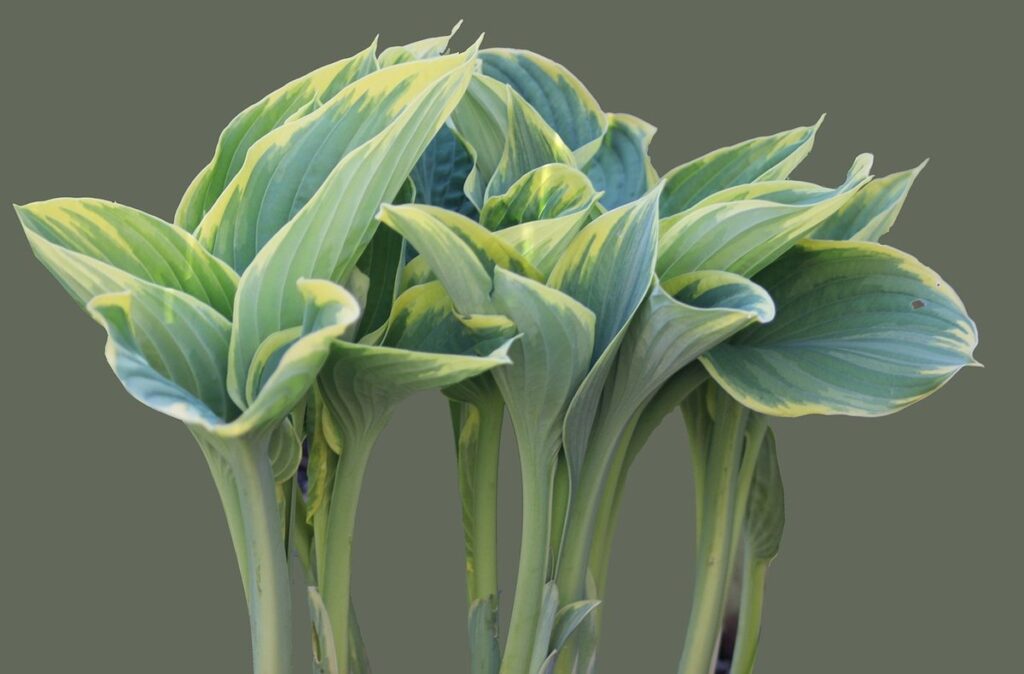
What are Summer Blooming Woodland Perennials?
Let’s dive into the wonderful world of summer blooming woodland perennials, which thrive in shaded areas and add vibrant color to your garden. You’ll find some top picks for these beautiful flowers.
Definition and Characteristics
Summer blooming woodland perennials are plants that thrive in woodland environments and produce flowers during the summer months. These plants have adapted to grow in conditions with partial shade and well-drained soil, making them perfect for gardeners who want to add some color and vibrancy to their shaded areas.
There are several types of summer blooming woodland perennials, including native species such as black-eyed Susan (Rudbeckia hirta), butterfly milkweed (Asclepias tuberosa), and coneflower (Echinacea purpurea). These plants can be further divided into categories based on their growth habits, foliage, and flowering periods. For example, some summer blooming woodland perennials have tall stalks that produce clusters of small flowers, while others have low-growing mounds with daisy-like blooms.
Characteristically, these plants have a deep taproot that allows them to absorb moisture from the soil during the dry summer months. Their foliage is often dark green and lush, providing a beautiful backdrop for their vibrant flowers. In terms of flowering periods, most summer blooming woodland perennials produce blooms from mid-summer to early fall, attracting pollinators such as bees, butterflies, and hummingbirds.
Importance in Ecosystems
Summer blooming woodland perennials play a vital role in maintaining healthy ecosystems. As their flowers bloom, they provide a source of nectar and pollen for pollinators like bees, butterflies, and hummingbirds, which are essential for the reproduction process of these plants.
These perennial flowers also offer food and shelter to various wildlife species. For instance, white-tailed deer and rabbits rely on the foliage of woodland perennials during the summer months when other food sources are scarce. Moreover, the berries produced by some summer blooming perennials like coral bells (Heuchera spp.) serve as a crucial food source for birds and small mammals.
In addition to supporting wildlife, these plants help stabilize soil through their extensive root systems. This not only prevents erosion but also holds the soil in place, reducing the risk of landslides and soil degradation. By incorporating summer blooming woodland perennials into your garden or landscape design, you can create a thriving ecosystem that benefits both local wildlife and the environment as a whole.
In fact, studies have shown that gardens with native plants like these summer bloomers can increase local biodiversity by up to 20% (Source: National Wildlife Federation). By choosing to plant summer blooming woodland perennials in your garden, you’ll not only enjoy their beauty but also contribute to the health of your ecosystem.
Choosing the Right Plants for Your Garden
When selecting plants for your woodland garden, it’s essential to choose species that thrive in the dappled shade and moderate climate of these areas. This decision will set the stage for a stunning display of summer blooms.
Factors to Consider
When selecting summer blooming woodland perennials for your garden, it’s essential to consider several key factors. First and foremost, think about the climate in your area. Some plants thrive in hot and humid conditions, while others prefer cooler temperatures. For example, the Cardiocrinum giganteum (Giant Himalayan Lily) loves moist, cool summers but can be scorched by intense heat.
Next, consider the soil type in your garden. Woodland perennials often prefer well-draining acidic soils, which can be challenging to replicate in areas with heavy clay or alkaline soils. The Trillium grandiflorum (Great White Trillium), for instance, prefers moist, rich soils that are slightly acidic.
Sunlight requirements are another critical consideration. Woodland perennials often thrive in dappled shade or partial sun, but some can tolerate full sun. Be sure to check the specific sunlight needs of each plant you’re considering.
Finally, don’t forget to consider the mature size of the plants you choose. Some summer blooming woodland perennials can grow quite large, while others remain compact and suitable for smaller spaces. Always plan ahead to ensure that your chosen plants won’t overwhelm their surroundings or compete with other plants for resources.
Popular Varieties for Different Regions
When it comes to choosing summer blooming woodland perennials for your garden, it’s essential to consider the specific climate and region you’re in. Different areas have unique temperature fluctuations, moisture levels, and sunlight patterns that can affect how well certain plants thrive.
For regions with hot summers (USDA zones 9-11), popular varieties like Bee Balm (Monarda didyma) and Blazing Star (Liatris spp.) are perfect for adding a pop of color to your garden. These drought-tolerant perennials can handle high temperatures and humidity, making them an excellent choice for areas with sweltering summers.
In contrast, regions with cold winters (USDA zones 3-5) require hardier varieties like Hellebores (Helleborus spp.) and Coral Bells (Heuchera spp.). These plants can withstand frost and freezing temperatures, providing a beautiful display of flowers even in the chilliest of seasons.
For variable climates or regions with unpredictable weather patterns (USDA zones 6-8), look to perennials like Wild Indigo (Baptisia tinctoria) and Coral Honeysuckle (Lonicera sempervirens). These adaptable plants can handle a range of conditions, making them an excellent choice for areas with fluctuating temperatures and moisture levels.
Planting and Care Techniques
Now that we’ve covered the basics, let’s dive into the nitty-gritty of growing these beautiful summer bloomers: learn how to plant them correctly for maximum blooms. Proper care is key!
Preparing the Soil
Before planting summer blooming woodland perennials, it’s essential to prepare your soil for optimal growth. Testing your soil pH levels is a great place to start. Woodland perennials generally prefer slightly acidic to neutral soil pH, ranging from 6.0 to 7.0. If your soil test reveals a higher or lower pH level, consider adding organic matter like compost or well-rotted manure to adjust the acidity.
Another crucial step in preparing your soil is ensuring proper drainage. Woodland perennials don’t like soggy feet, and excess moisture can lead to root rot and other problems. If your soil tends to retain water, consider incorporating materials like perlite or sand to improve aeration and reduce waterlogging.
To give your summer blooming woodland perennials the best chance at success, incorporate 2-3 inches of organic matter into the top 6-8 inches of soil. This will provide essential nutrients, improve soil structure, and support beneficial microbial activity. Be sure to mix it well to avoid creating a thick layer that can hinder root growth.
Watering and Mulching Strategies
When it comes to watering and mulching your summer blooming woodland perennials, getting it right is crucial for their survival and optimal growth. Watering is the most critical aspect of plant care, as these perennials prefer moist but well-draining soil. It’s essential to avoid overwatering, which can lead to root rot and other problems.
Water your plants deeply once or twice a week, depending on weather conditions. A good rule of thumb is to water them when the top 2-3 inches of soil feel dry to the touch. You can also use a moisture meter for more accurate readings. During hot summer days, consider providing additional shade for your plants, such as using a trellis or umbrella.
Mulching is another vital technique that helps retain moisture and suppress weeds. Use a thick layer (about 2-3 inches) of organic mulch like wood chips, bark, or pine straw around the base of your perennials. This will help regulate soil temperature and reduce water loss through evaporation.
Tips for Maintaining Health and Appearance
To keep your summer blooming woodland perennials thriving all season long, make sure to provide them with adequate care and maintenance. Proper watering and fertilizing will ensure their continued health and appearance.
Pruning and Deadheading
When it comes to maintaining the health and appearance of summer blooming woodland perennials, pruning and deadheading are crucial tasks that deserve attention. By incorporating these practices into your routine, you’ll not only encourage repeat flowering but also promote bushy growth.
Deadheading is a simple yet effective technique that involves removing spent flowers from your perennials. This process not only removes seedheads, which can be unsightly, but also directs the plant’s energy towards producing new blooms. For example, many varieties of coneflowers and black-eyed Susans will continue to produce flowers throughout the summer if deadheaded regularly.
To prune your summer blooming woodland perennials effectively, timing is everything. Late winter or early spring are ideal times for pruning deciduous perennials like hellebores and astilbe, while evergreen perennials like hostas can be pruned in late winter to early spring as well. Be cautious not to prune too much of the foliage, as this can stress the plant. Instead, focus on removing any dead or damaged leaves or stems.
Some essential tips to keep in mind when pruning and deadheading include:
* Removing no more than one-third of the foliage to avoid stressing the plant
* Cutting back deciduous perennials by about one-half to one-third to maintain their shape
* Making clean cuts using sharp, sterile tools to prevent spreading disease
By incorporating these techniques into your gardening routine, you’ll be rewarded with lush, vibrant growth and an abundance of summer blooms.
Pest and Disease Management
As you nurture your summer blooming woodland perennials, be on the lookout for common pests and diseases that can threaten their health and appearance. Aphids, whiteflies, and spider mites are frequent visitors to these plants, feasting on sap and spreading disease. To prevent infestations, maintain a clean garden by removing weeds and debris, which can attract unwanted critters. Inspect your plants regularly, monitoring for signs of pests such as distorted growth or sticky honeydew droplets.
Some diseases that affect summer blooming woodland perennials include powdery mildew, leaf spot, and root rot. To prevent these issues, ensure good air circulation by planting a diverse range of species and providing adequate space between plants. Water carefully, avoiding overwatering which can lead to root rot and other problems. Fungal diseases thrive in moist environments, so avoid overhead watering and instead use soaker hoses or drip irrigation systems.
For effective treatment, consider introducing beneficial insects such as ladybugs or lacewings, which feed on pests without harming the plants. Apply neem oil or insecticidal soap to control infestations, following product instructions carefully. Prune infected areas to prevent disease spread and maintain plant hygiene by removing dead or diseased material.
Designing with Summer Blooming Woodland Perennials
When choosing woodland perennials, consider not only their bloom times but also how they’ll thrive and add visual interest to your garden over several seasons.
Creating a Diverse and Thriving Garden Ecosystem
When creating a diverse and thriving garden ecosystem with summer blooming woodland perennials, it’s essential to consider the needs of both plants and pollinators. To support biodiversity, incorporate a mix of native species that provide nectar-rich flowers, host plants for caterpillars, and sheltered spots for beneficial insects.
For example, combine tall, upright plants like Joe Pye Weed (Eutrochium maculatum) with shorter, spreading perennials like Wild Geranium (Geranium maculatum). This layered approach will attract a variety of pollinators, from hummingbirds to bees and butterflies. Consider adding plants that provide structure, such as shrubs or ornamental grasses, to create a balanced landscape.
To ensure year-round interest, incorporate evergreen perennials like Christmas fern (Polystichum acrostichoides) or winter-blooming hellebores. Add some woody stems with berries, like Virginia Sweetspire (Itea virginica), for a pop of color during the colder months. By thoughtfully designing your garden with these principles in mind, you’ll create a haven that’s teeming with life and beauty, even after the summer blooms have faded.
Combining with Other Plants for Visual Impact
When combining summer blooming woodland perennials with other plants, shrubs, and trees, it’s essential to consider texture, height, and bloom time to create visually appealing combinations. Start by selecting a few statement pieces that provide structure, such as tall shrubs like Hydrangea paniculata or dogwood (Cornus florida). Then, add layers of mid-level perennials like astilbe, coral bells, or catmint, which will fill in gaps and create movement.
Consider the bloom times of your summer blooming woodland perennials to ensure they don’t compete with other flowers for attention. For example, if you have a late-blooming coneflower (Echinacea purpurea), pair it with an early-spring bloomer like snowdrops (Galanthus nivalis) or daffodils (Narcissus pseudonarcissus). This will create a beautiful layered effect throughout the growing season.
To add depth and interest, incorporate evergreen plants like boxwood (Buxus sempervirens) or Japanese maples (Acer palmatum) to provide year-round foliage. Finally, don’t forget about foliage texture: combine smooth-leaved perennials with fuzzy-leaved ones, like lamb’s ear (Stachys byzantina), to create a visually appealing mix of textures.
Conclusion: Embracing the Beauty of Summer Blooming Woodland Perennials
As you’ve explored this comprehensive guide to summer blooming woodland perennials, I hope you’re now inspired to create a beautiful and thriving woodland garden. Now that you have a deeper understanding of these incredible plants, it’s time to put your knowledge into practice. Start by selecting the perfect blooms for your climate and soil type – from coneflowers and black-eyed Susans to coral bells and bleeding hearts, there’s an array to choose from.
Incorporate native species like bee balm and butterfly weed to attract pollinators and support local ecosystems. With proper care, these plants will provide vibrant color and texture throughout the summer months. To truly unlock their full potential, don’t be afraid to experiment with different combinations of plants and garden styles. And remember, patience is key – give your woodland perennials time to establish themselves, and they’ll reward you with years of beauty and enjoyment.
Frequently Asked Questions
What is the ideal time to plant summer blooming woodland perennials in my region?
The ideal planting time for summer blooming woodland perennials varies depending on your location and climate. Generally, it’s best to plant them in the spring or fall when the weather is cooler, allowing the plants to establish themselves before the heat of summer.
How do I prevent pests and diseases from affecting my summer blooming woodland perennials?
Regularly inspecting your plants for signs of pests or disease can help catch problems early. Use physical barriers or organic pest control methods whenever possible, and remove any infected foliage to prevent the spread of disease. Implement good garden hygiene practices like sanitizing tools and washing hands between handling different plants.
Can I grow summer blooming woodland perennials in containers?
Yes, you can grow summer blooming woodland perennials in containers if you provide them with the right conditions. Choose a container that’s at least 6-8 inches deep to accommodate the plant’s root system and use a well-draining potting mix. Water carefully, as containers can dry out quickly.
How do I combine summer blooming woodland perennials with other plants for visual impact?
Combine summer blooming woodland perennials with companion plants that complement their growth habits and flowering times. For example, pair tall flowers like delphiniums or hellebores with shorter, spreading groundcovers like Ajuga reptans. Consider the mature size of each plant to ensure they don’t overcrowd or compete for resources.
What are some common mistakes to avoid when caring for summer blooming woodland perennials?
Avoid overwatering, which can lead to root rot and other issues. Also, be mindful of soil pH levels, as many summer blooming woodland perennials prefer slightly acidic conditions (pH 5.5-6.5). Regularly inspect your plants for signs of nutrient deficiency or disease and adjust your care routine accordingly.