
Sulfur fungus is one of the most fascinating creatures you’ve probably never heard of. It thrives in the decaying remains of dead trees, playing a vital role in the ecosystem’s delicate balance. These mysterious organisms are responsible for breaking down organic matter and recycling essential nutrients back into the environment. But sulfur fungus isn’t just an interesting curiosity – it’s also a crucial component of our planet’s nutrient cycle. In this article, we’ll delve into the world of sulfur fungus, exploring its unique characteristics, habitat, and surprising health benefits. We’ll also examine the importance of conservation efforts aimed at preserving these vital decomposers. By understanding more about sulfur fungus, you’ll gain a new appreciation for the intricate relationships within our ecosystems and the need to protect this incredible component.
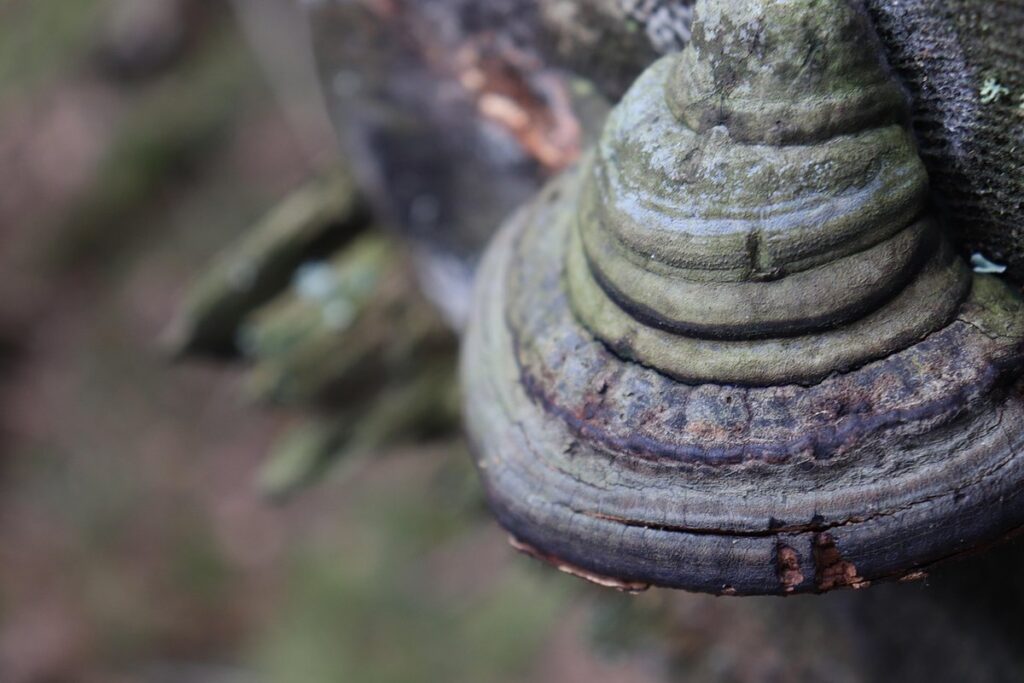
Understanding the Basics
Let’s start with the basics: what is sulfur fungus, and how does it grow on dead trees? We’ll explore these fundamental questions to set a solid foundation for understanding this fascinating organism.
What is Sulfur Fungus?
Sulfur fungus, also known as Armillaria mellea, is a type of edible fungus that grows on dead trees. It belongs to the phylum Basidiomycota and is classified within the family Boletaceae. This fungus has been around for centuries and is often associated with forests in temperate regions.
One unique characteristic of sulfur fungus is its ability to thrive in environments where other fungi struggle to survive. Its mycelium, or root-like structure, breaks down organic matter, allowing it to feed on dead tree material. In fact, research suggests that some species of Armillaria can live for thousands of years by spreading their mycelium through a vast network of underground tendrils.
Sulfur fungus is distinct from other types of fungi due to its distinctive appearance and potent sulfur smell. When mature, the caps release a strong sulfurous aroma, which is often compared to garlic or onions. This smell can be an indicator of the presence of this type of fungus, making it easier to identify in the wild.
Habitat and Distribution
You can find sulfur fungus thriving in various regions around the world, often near the equator. They are commonly found in temperate and subtropical zones, where dead trees are abundant. In North America, for instance, you might stumble upon these fungi in the southeastern United States or along the Pacific coast. Europe also boasts an ideal climate for sulfur fungus growth, particularly in countries like Spain, Italy, and Greece.
When it comes to their habitat, sulfur fungus has a strong affinity for dead trees, especially deciduous ones like beeches and oaks. These trees provide the perfect environment, with their decaying trunks serving as a nutrient-rich substrate for the fungi’s growth. The ideal conditions for sulfur fungus growth include moderate temperatures (around 10-20°C), high humidity, and an abundance of moisture. Avoid areas with frequent strong winds or intense sunlight, as these can hinder the fungi’s development.
In general, look for sulfur fungus in woodland areas with a mix of deciduous and coniferous trees. The presence of other tree-dwelling organisms like insects and birds often indicates a suitable environment for sulfur fungus growth.
The Relationship Between Sulfur Fungus and Dead Trees
You might be wondering how sulfur fungus can thrive on dead trees, so let’s explore the fascinating relationship between these two seemingly incompatible entities.
Nutrient Cycling and Decomposition
When sulfur fungus colonizes dead trees, it plays a vital role in nutrient cycling and decomposition. This process breaks down organic matter into simpler forms that can be reused by other organisms. The fungus achieves this through its vast network of fungal hyphae, which work together to degrade complex carbon compounds.
As the fungus grows, it secretes enzymes that break down wood cells, releasing essential nutrients like nitrogen, phosphorus, and potassium back into the ecosystem. These nutrients are then absorbed by the fungus or made available for other decomposers like bacteria and insects.
In a sense, sulfur fungus acts as a “recycler” in dead tree ecosystems. By breaking down organic matter, it creates a nutrient-rich environment that fosters new life. This process also contributes to soil formation, where dead trees eventually become part of the earth’s topsoil layer.
By recognizing the importance of sulfur fungus in decomposition, we can better appreciate its role in maintaining forest health and resilience.
Colonization and Growth Patterns
When sulfur fungus colonizes dead trees, it’s a delicate balance between the fungus and its environment. The fungus grows best in conditions with high humidity, moderate temperatures, and limited competition from other organisms. This is why you often find sulfur fungus thriving on trees that have fallen to the forest floor or are heavily decayed.
In terms of growth patterns, sulfur fungus tends to spread rapidly at first, forming a dense network of hyphae that break down organic matter. As it colonizes the tree’s tissues, the fungus slows its pace and begins to focus on absorbing nutrients from the surrounding environment. This is influenced by factors like moisture levels, pH, and nutrient availability.
To appreciate these growth patterns, consider this: sulfur fungus can dominate a dead tree in as little as two years under ideal conditions. However, this process often takes several decades when competing organisms are present or environmental factors are less favorable. By understanding the intricacies of sulfur fungus colonization, we can better appreciate its remarkable adaptability and resilience in harsh ecosystems.
Effects on Ecosystems
As we explore the intricate relationships between sulfur fungus and its dead tree hosts, it’s essential to consider the ripple effects on surrounding ecosystems. How does this unique symbiosis impact local biodiversity?
Ecological Importance
Sulfur fungus plays a vital role in maintaining ecosystem balance by facilitating nutrient cycling and improving soil health. As dead trees decompose, sulfur fungus breaks down the organic matter into simpler nutrients that can be absorbed by other living organisms. This process is particularly crucial for forests, where dead trees are abundant.
The symbiotic relationship between sulfur fungus and tree roots is also noteworthy. While it may seem counterintuitive, sulfur fungus actually helps to nourish its host tree before the tree’s death. This mutualistic connection enhances nutrient uptake and promotes a healthy tree growth cycle. In fact, some species of sulfur fungus can form mycorrhizal networks that connect with multiple trees, creating an extensive network for nutrient exchange.
By releasing nutrients back into the soil, sulfur fungus supports the growth of other plants and microorganisms in the ecosystem. This cascading effect highlights the importance of dead trees as habitat and nutrient reservoirs. As a result, preserving and allowing dead trees to decompose naturally can have long-term benefits for the entire ecosystem.
Role in Forest Regeneration
When sulfur fungus breaks down dead plant material on trees, it plays a vital role in forest regeneration. This process might seem counterintuitive at first – after all, dead trees are often seen as an eyesore rather than a valuable resource. However, the fungus’s ability to decompose wood and recycle nutrients is essential for maintaining the health of the surrounding ecosystem.
By breaking down dead plant material, sulfur fungus releases vital nutrients back into the soil, making them available for living plants to absorb. This process is often referred to as “nutrient cycling.” It allows new growth to flourish, promoting a diverse range of flora in the forest. For instance, the mycelium of sulfur fungus – its underground network of fungal hyphae – can form symbiotic relationships with tree roots, facilitating the exchange of nutrients and water.
In doing so, the fungus helps create a balanced ecosystem where dead trees become an integral part of the cycle of life. Forest regeneration relies on this delicate balance, which is precisely why the role of sulfur fungus in breaking down dead plant material cannot be overstated.
Types of Sulfur Fungus
There are several species of sulfur fungus that thrive on dead trees, each with unique characteristics and growth habits to keep an eye out for. Let’s take a closer look at some of these fascinating varieties.
Armillaria Mellea (Honey Mushroom)
The Armillaria mellea, commonly known as the honey mushroom, is one of the most recognizable species associated with sulfur fungus. This bracket fungus grows in a fan-like pattern and has a distinctive sweet, earthy aroma. It’s not uncommon to find clusters of these mushrooms growing from the same area of a dead tree.
When it comes to habitat, Armillaria mellea thrives in moist, temperate climates where trees have fallen or are rotting. These fungi play a crucial role in breaking down complex organic matter, recycling nutrients back into the soil, and contributing to the health of surrounding ecosystems. In fact, research suggests that honey mushrooms can accelerate the decomposition process by up to 50% compared to non-fungal breakdown.
If you’re interested in cultivating Armillaria mellea or other species of sulfur fungus for medicinal purposes, it’s essential to note that these fungi require a specific environment with controlled moisture levels and adequate food sources. When collecting spores or mycelium, make sure to follow proper safety protocols to avoid contamination or infection.
By understanding the characteristics and ecological role of Armillaria mellea, we can appreciate the intricate relationships between sulfur fungus, dead trees, and the environment as a whole. Whether you’re an amateur mycologist or simply interested in sustainable practices, recognizing the importance of these fungi can help us better manage our ecosystems for future generations.
Laetiporus sulphureus (Sulphur Polypore)
Laetiporus sulphureus, commonly known as the Sulphur Polypore, is one of the most striking species of sulfur fungus. This fascinating organism can be found growing on dead trees, particularly oak and pine, across various regions of North America. As part of its unique life cycle, Laetiporus sulphureus typically begins to grow in late summer or early fall, producing bright yellow to orange-yellow caps that can reach up to 20 centimeters in diameter.
The growth pattern of this fungus is characterized by a rapid expansion of the cap, which eventually breaks apart into smaller sections. This process allows the fungus to maximize its surface area and efficiently absorb nutrients from its host tree. In terms of ecological significance, Laetiporus sulphureus plays a crucial role in breaking down dead wood and recycling essential nutrients back into the ecosystem.
As it grows, the Sulphur Polypore can form large clusters that resemble burnt or decaying wood, making it nearly indistinguishable from its surroundings. Despite this deceptive appearance, Laetiporus sulphureus is actually an important component of forest ecosystems, facilitating the return of vital nutrients to the soil and supporting a diverse array of plant and animal life.
When foraging for wild mushrooms, be sure to exercise caution when encountering Laetiporus sulphureus, as it can be easily mistaken for edible species. It’s essential to properly identify any wild mushroom before consumption, as some species can cause severe health issues or even death if ingested improperly. Instead, appreciate the unique beauty and ecological importance of this sulfur fungus from a safe distance.
Health Benefits and Risks
Now that you know how fascinating sulfur fungus can be, let’s talk about its impact on human health – both the potential benefits and risks associated with it.
Medicinal Applications
For centuries, sulfur fungus has been recognized for its medicinal properties and versatility. In traditional medicine, it’s been used to treat a range of ailments, from skin conditions to respiratory issues. The antifungal and antibacterial compounds present in the fungus have made it a valuable resource for addressing infections and promoting wound healing.
Historically, indigenous cultures have utilized sulfur fungus to create topical treatments for various health concerns. For instance, some Native American tribes used the fungus to create salves for skin conditions like eczema and acne. Similarly, in traditional Chinese medicine, sulfur fungus is believed to possess anti-inflammatory properties that can help alleviate symptoms of arthritis.
While the use of sulfur fungus as a medicinal agent requires further scientific study, its potential health benefits are undeniably intriguing. If you’re considering harnessing the power of sulfur fungus for therapeutic purposes, it’s essential to approach with caution and consult with medical professionals before doing so.
Toxicity and Safety Concerns
When handling or consuming sulfur fungus, it’s essential to exercise caution due to potential toxicity and safety concerns. While certain species are considered edible and safe for consumption, improper identification can lead to serious health issues.
Some species of sulfur fungus contain hepatotoxic compounds that can cause liver damage if ingested in large quantities. The yellow slime molds, for example, have been known to secrete toxic chemicals that can be harmful to humans and animals. Ingesting these toxins can result in symptoms such as nausea, vomiting, and even organ failure in severe cases.
To mitigate risks, it’s crucial to accurately identify the sulfur fungus before handling or consuming it. Consult with an expert or use reliable field guides to ensure proper identification. Even if you’re confident about the species’ edibility, always err on the side of caution by wearing protective gloves and eyewear when handling the fungus.
Conservation Status and Threats
As we explore the fascinating world of sulfur fungus, it’s essential to understand the conservation challenges they face due to habitat loss and climate change. This delicate ecosystem is under threat from multiple fronts.
Habitat Destruction and Climate Change
The impact of human activities on sulfur fungus populations and their ecosystems is a pressing concern. Habitat destruction, often due to logging or land development, can disrupt the delicate balance of fungal communities. When trees are cleared, the substrate that supports these fungi is removed, making it challenging for them to survive. Climate change further exacerbates this issue by altering temperature and precipitation patterns, which sulfur fungus relies on to thrive.
For instance, changes in rainfall can affect the availability of nutrients and moisture necessary for fungal growth. Rising temperatures also alter the competitive dynamics between fungi and other organisms that share their ecosystems. In some cases, warmer conditions can favor invasive species over native ones, including those that compete with sulfur fungus for resources.
To mitigate these effects, it’s essential to adopt a more sustainable approach to land management practices. This includes preserving forests and allowing dead trees to remain standing, providing habitat for sulfur fungus and other organisms. Additionally, efforts to reduce greenhouse gas emissions can help alleviate the pressure on fungal ecosystems.
Efforts in Conservation and Research
Researchers and conservationists are actively working to understand and protect the habitats of sulfur fungus. The University of California’s Botanical Garden is one such institution conducting extensive research on the species’ unique relationships with its hosts. They’re studying how sulfur fungus obtains essential nutrients from dead tree bark, a process that may hold keys to developing more efficient carbon sequestration methods.
To preserve these rare ecosystems, conservation efforts are underway in various parts of the world. The World Wildlife Fund has launched initiatives aimed at protecting old-growth forests, where sulfur fungus can be found thriving on decaying trees. One notable project involves collaborating with local communities to create “dead tree sanctuaries,” where dead wood is left untouched to allow for further research and ecological study.
Scientists continue to unravel the mysteries surrounding this extraordinary organism’s role in decomposing organic matter. For instance, a recent discovery in a temperate rainforest revealed that sulfur fungus plays a crucial part in recycling nutrients, facilitating the growth of new plant life. As our understanding deepens, so does our appreciation for the intricate balance between these microorganisms and their environments.
Frequently Asked Questions
Can sulfur fungus be used for medicinal purposes?
Yes, sulfur fungus has been traditionally used to treat various health issues, including digestive problems and skin conditions. However, its use as a medicine is still being researched, and more studies are needed to fully understand its potential benefits. Some species of sulfur fungus have shown antimicrobial properties, which could lead to new treatments for infections.
How can I ensure the safe handling and consumption of sulfur fungus?
To safely handle and consume sulfur fungus, it’s essential to properly identify the species and avoid any that may be toxic or cause allergic reactions. Research the specific type you’re interested in, and only harvest from areas free from pollution and contaminants. Cooking and proper preparation are also crucial to break down any potential toxins.
What role does sulfur fungus play in forest regeneration?
Sulfur fungus plays a vital part in nutrient cycling and decomposition within forests. By breaking down organic matter, it releases essential nutrients back into the soil, making them available for other plants to grow. This process not only helps regenerate trees but also maintains the delicate balance of the ecosystem.
Can sulfur fungus be cultivated or grown in controlled environments?
Yes, sulfur fungus can be cultivated in controlled environments, such as laboratories or specialized facilities. However, this requires specific conditions and equipment, including precise temperature and humidity control. Some researchers are exploring large-scale cultivation methods to make sulfur fungus more accessible for medicinal and nutritional purposes.
How does climate change impact the growth and distribution of sulfur fungus?
Climate change can significantly affect the habitats and distributions of sulfur fungus. Changes in temperature and precipitation patterns can alter the availability of dead trees, which this fungus relies on for its survival. This may lead to shifts in the geographic ranges or even local extinctions if left unaddressed by conservation efforts.