
If you’re a beekeeper or simply someone who wants to help our beloved pollinators thrive, you know that feeding them sugar water can be a game-changer. However, creating the perfect mix is crucial for their health and happiness. The right ratio of sugar to water can mean the difference between life and death for your bees, especially during times when nectar sources are scarce.
In this article, we’ll delve into the world of sugar water ratios and provide you with the essential knowledge to create a balanced solution for your bees. From recommended mixtures to troubleshooting common issues, we’ve got you covered. Whether you’re a seasoned beekeeper or just starting out, our expert tips will help you ensure that your bees get the best possible nutrition. Let’s dive in and explore the world of sugar water ratios for bees!
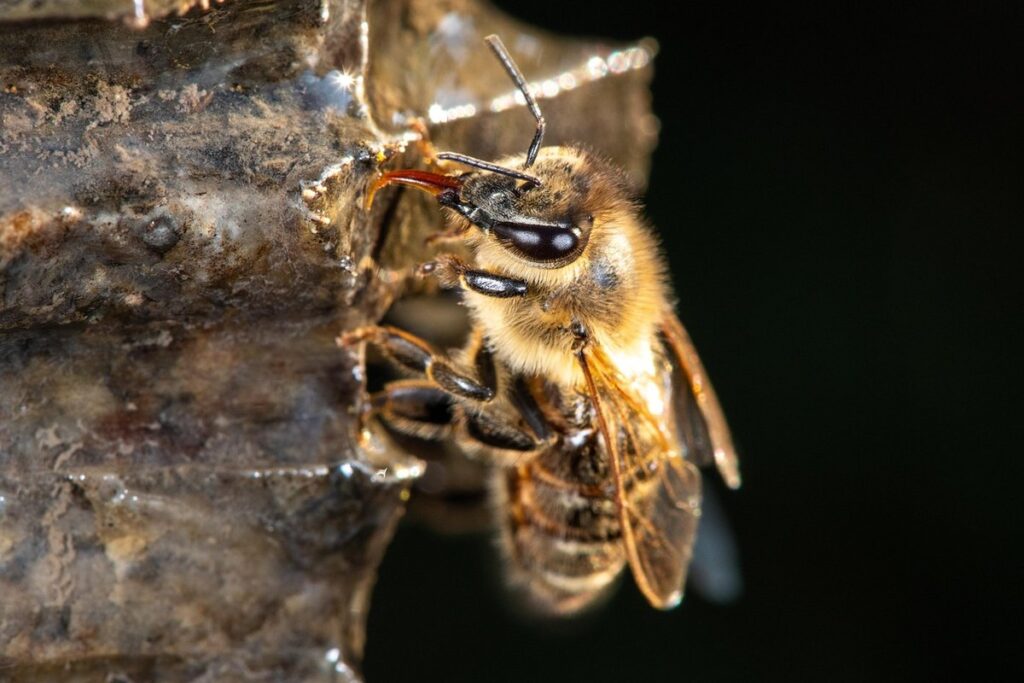
Understanding Sugar Water Needs
When it comes to creating sugar water for your bees, one of the most important things to get right is their sugar water needs. Let’s dive into what those requirements are and why they matter.
Honey Bee Life Cycle and Nutrition
When it comes to sugar water needs for bees, understanding their life cycle and nutritional requirements is crucial. Bees collect nectar from flowers and convert it into honey through regurgitation and evaporation. This process requires a lot of energy, which they obtain from the sugars present in nectar.
During different stages of their life cycle, bees require varying amounts of sugar and nutrients. For instance, worker bees need a diet rich in carbohydrates to fuel their activities during peak summer months when temperatures soar. On the other hand, young bee larvae require protein-rich pollen for growth and development.
A balanced mix of sugar water and pollen is essential to ensure that your bees have access to all the necessary nutrients. The ideal ratio for sugar water can vary depending on factors like climate, region, and the type of flowers in your area. However, a general guideline is to provide 1:1 or 1:2 (sugar:water) ratio, with added pollen supplements to meet their protein requirements.
Importance of Sugar Water in Bees’ Daily Lives
Bees rely heavily on sugar water as their primary source of energy. This sweet solution is a critical component of their daily lives, providing them with the necessary fuel to perform various tasks such as foraging, flying, and building nests. Without access to sugar water, bees would struggle to maintain their colonies’ health and stability.
When bees consume sugar water, they break down the sucrose molecules into glucose and fructose, which are then absorbed by their bodies. This process allows them to replenish their energy reserves, enabling them to fly long distances in search of nectar-rich flowers. In return, they collect pollen from these blooms and bring it back to their hives.
A healthy colony requires a consistent supply of sugar water, particularly during times of high demand such as peak foraging periods or when temperatures are extremely hot or cold. To meet the needs of your bees, consider providing a sugar water feeder with a 1:1 ratio of sugar to water in warm weather and a 2:1 ratio in cooler conditions.
Sugar Water Ratios: The Basics
To make a sugar water solution that’s perfect for your bees, you’ll need to understand the basics of sugar water ratios. Let’s break down what works and what doesn’t.
Recommended Sugar-to-Water Ratios
When it comes to creating sugar water ratios for bees, there are several mixes that beekeepers swear by. The most commonly recommended ratios include 1:1, 2:1, and 3:1 mixes, each with its own set of advantages and disadvantages.
A 1:1 ratio of sugar to water is a great starting point for beginners. It’s easy to mix and provides the perfect balance of energy sources for bees. This ratio works well in warm weather when bees need a boost of energy. However, it can become too sweet for some bees during colder months, so be sure to adjust accordingly.
A 2:1 ratio is more commonly used by experienced beekeepers and is ideal for cooler temperatures or prolonged feeding periods. The added sugar provides extra energy for the colony without becoming overly sweet. This ratio is also a good choice if you’re new to sugar water feeding and want a mix that’s slightly less potent than a 1:1 ratio.
A 3:1 ratio is typically reserved for extreme weather conditions, such as prolonged droughts or unseasonable cold snaps. The high sugar content helps sustain the colony during these times of stress. Keep in mind that this ratio can be too sweet for some bees and should only be used on an emergency basis.
Regardless of which ratio you choose, it’s essential to use a clean glass jar with a tight-fitting lid and boil the mixture before offering it to your bees. This ensures the water is free from bacteria and other contaminants.
Factors Affecting Sugar Water Ratios
When it comes to providing the perfect sugar water ratio for bees, environmental factors play a significant role. Temperature, humidity, and air pressure can all impact the optimal concentration of sugar and water.
For instance, on warm days (above 60°F), bees may require more water in their mixture due to increased evaporation rates. This means that you’ll want to adjust the ratio to include a higher proportion of water to sugar – typically between 1:1 to 2:3 parts sugar to water. Conversely, on cooler days (below 40°F), bees will lose less water through evaporation, allowing for a slightly sweeter mixture with a 1:1 or even 2:1 ratio.
Humidity also affects the optimal ratio, as extremely humid environments can lead to mold and fungal growth in the sugar water. To mitigate this risk, use distilled or filtered water and adjust your ratio to account for the increased moisture content – aiming for a slightly lower sugar concentration, around 1:1 to 3/4.
Air pressure also has an impact, with areas at higher elevations requiring more dilute mixtures due to reduced air pressure.
Preparing Sugar Water Solutions
When it comes to making sugar water solutions for your bees, accuracy is key – let’s walk through the steps to ensure you get the perfect ratio every time. This section will cover essential preparation tips and tricks.
DIY vs. Store-Bought Sugar Water Mixes
When it comes to preparing sugar water solutions for bees, many beekeepers are faced with the decision of whether to make their own mix at home or purchase a commercial product. While store-bought mixes may seem like a convenient option, they can also pose potential risks to your bees.
Making your own sugar water solution from scratch is a great way to ensure that it’s completely free from contaminants and additives. By using pure cane sugar and distilled water, you can create a mixture that’s tailored to your specific needs and preferences. For example, if you’re struggling with fermentation issues in the past, making your own mix allows you to control the ratio of sugar to water, reducing the likelihood of contamination.
On the other hand, commercial mixes may contain preservatives or other additives that can harm your bees. Some mixes may also be made with refined sugars or tap water, which can introduce impurities into the solution. To avoid these risks, make sure to check the ingredient list and label carefully before purchasing a store-bought mix.
Tips for Mixing Sugar Water Solutions
When mixing sugar water solutions for your bees, it’s essential to follow some basic guidelines to ensure you’re providing them with a healthy and safe food source. To start, always use clean equipment when measuring out the sugar and water. A digital scale is ideal for accurately measuring the sugar, while a graduated cylinder or measuring jug can help you mix the solution precisely.
When mixing the sugar and water, make sure to stir thoroughly until the sugar is fully dissolved. This will prevent any granules from forming and making it difficult for your bees to access the food. A general rule of thumb is to use 4 parts water to 1 part sugar, although this ratio may vary depending on the specific needs of your bee colony.
It’s also crucial to check the temperature of the solution before offering it to your bees. Ideally, the mixture should be around 80-90°F (27-32°C), as this allows the bees to easily access and digest the nutrients. Be cautious not to overheat or undercool the solution, as this can lead to bacterial growth or the formation of sugar crystals.
When handling and storing the solution, make sure it’s kept in a clean container and out of direct sunlight. Regularly cleaning your equipment and replacing old solutions will also help prevent contamination and ensure your bees receive the best possible nutrition.
Best Practices for Feeding Bees
When it comes to feeding your bees, getting the sugar water ratio just right is crucial. Let’s dive into some tried-and-true best practices to ensure a happy and healthy colony.
Choosing the Right Feeder Type
When it comes to choosing the right feeder type for your bees, there are several options to consider. Shallow feeders, for example, allow for easy access and encourage a more natural behavior from the bees. This type of feeder is ideal for new beekeepers or those with smaller colonies. On the other hand, hive-top feeders offer a more convenient solution for larger operations. They eliminate the need for frequent cleaning and reduce the risk of spills.
However, some beekeepers swear by using a variety of feeder types to cater to different seasons and needs. For instance, in regions with harsh winters or during periods of drought, having multiple feeder options can ensure the bees’ survival. Regardless of the type chosen, it’s essential to clean the feeders regularly to prevent contamination and disease.
As you decide on a feeder type, remember that the goal is to promote a healthy colony. Opt for feeders that allow for easy access and encourage natural behavior from your bees.
Sugar Water Placement and Maintenance
When placing sugar water feeders for bees, it’s essential to position them in a way that allows for easy access while minimizing potential hazards. Place the feeder near the hive entrance, ideally within 10-15 feet, to encourage the bees to visit the feeder without having to travel too far. This proximity also helps you monitor their interest and adjust the feeding schedule accordingly.
Refill the sugar water feeder every 3-4 days, depending on the number of foragers visiting the feeder and environmental conditions. Monitor weather forecasts to anticipate potential changes in bee activity, adjusting your refilling frequency accordingly.
Maintaining cleanliness is crucial to prevent contamination. Clean the feeder regularly with a solution of equal parts water and white vinegar. Discard any remaining sugar water mixture after every refill. If you notice mold or yeast growth on the feeder or surrounding area, immediately clean and disinfect it using a 1:10 bleach-to-water ratio.
Additionally, ensure that your feeder’s design allows for proper drainage to prevent standing water from accumulating near the hive entrance. This will help keep your bees healthy and thriving throughout the feeding period.
Troubleshooting Common Issues
If you’re experiencing problems with your bee sugar water ratio, don’t worry – we’ve got some common issues covered to help you get back on track. Let’s troubleshoot together!
Dealing with Bees’ Rejection of Sugar Water
Dealing with Bees’ Rejection of Sugar Water can be frustrating, but it’s essential to understand that this behavior is not uncommon. There could be several reasons why bees are refusing or ignoring the sugar water feeders. One possible reason is that the ratio of sugar to water might be off-putting for them. If the mixture is too watery or too sugary, it may not be appealing to the bees.
Another reason could be contamination of the feeder itself. Bees can detect even a hint of impurities in the sugar water, so make sure the feeder and surrounding area are clean and free from debris. You might also want to consider using a new feeder or changing the location to see if that makes a difference.
If you’re still facing issues, try experimenting with different types of sugar, like pure cane or turbinado. Some beekeepers swear by adding a small amount of honey or lemon juice to the mixture as it attracts bees more effectively. Whatever method you choose, be patient and persistent – it may take some trial and error before your bees start showing interest in the sugar water feeder again.
Managing Pests and Diseases Associated with Sugar Water Feeding
When using sugar water as a food source for bees, it’s essential to be aware of the potential risks associated with pests and diseases that can thrive in this environment. Fungus growth and mold are common issues that can arise when sugar water is not properly maintained. These microorganisms can quickly spread and contaminate the entire feeder, posing a significant threat to your bees’ health.
Some common signs of fungus or mold growth include white powdery patches, slimy textures, or an unpleasant odor emanating from the feeder. Regularly inspect the feeder for any signs of these issues, and take prompt action if you notice anything out of the ordinary.
Pest infestations can also occur when sugar water is not properly maintained. Aphids, ants, and small wasps are common pests that can be attracted to sweet substances like sugar water. To prevent pest infestations, make sure to use a clean feeder, change the sugar water frequently, and avoid using too much sugar, which can attract unwanted visitors.
To manage these issues effectively, consider adding a few drops of bleach or hydrogen peroxide to the sugar water mixture (about 1-2% solution). This will help prevent fungal growth while still providing your bees with a safe source of nutrition.
Conclusion and Future Directions
Now that we’ve explored the perfect sugar water ratio for bees, let’s discuss what it means for your beekeeping practice going forward.
Recap of Key Takeaways
In conclusion to our discussion on sugar water ratios for bees, let’s recap the essential points that will help you provide the best possible nutrition for your buzzing friends. A well-balanced sugar water ratio is crucial for maintaining bee health and promoting colony growth.
When mixing sugar water, it’s vital to remember that a 1:1 ratio of sugar to water is not ideal. In fact, using pure white sugar can lead to an oversaturation of sugar in the bees’ diet, causing digestive issues and other problems. A general rule of thumb is to use a ratio of 4 parts water to 1 part sugar, with some beekeepers opting for even more diluted solutions.
It’s also essential to provide fresh water sources for your bees at all times, as this can help prevent the need for frequent sugar water feeding. Regularly cleaning and maintaining your feeders will also help prevent contamination and ensure your bees get the nutrients they need to thrive. By following these guidelines and staying vigilant about bee health, you’ll be well on your way to creating a happy, healthy colony.
Emerging Research on Sugar Water Ratios and Bee Health
As we conclude our exploration of sugar water ratios and their impact on bee health, it’s exciting to note that emerging research is continuing to shed new light on this critical topic. A recent study published in the Journal of Apicultural Research found that a 1:1 ratio of sugar to water may not be optimal for all bee colonies. The researchers discovered that some bees were able to thrive on a 2:3 ratio, while others performed better with a more diluted solution.
Another ongoing research initiative at the University of California, Davis, is investigating the effects of different sugar types on bee health. Preliminary findings suggest that using organic cane sugar or beet sugar may have a positive impact on colony performance compared to refined white sugar. As these studies continue to unfold, it’s essential for beekeepers and researchers to stay informed and adapt their practices accordingly.
By keeping an eye on emerging research and adjusting our methods in response, we can work towards creating a healthier environment for our precious pollinators. So, what can you do? Start by monitoring your colony’s performance and adjust the sugar water ratio based on their specific needs. Consider experimenting with different types of sugar to see which one yields the best results. Stay tuned for updates from these ongoing research initiatives and be prepared to adapt your approach as new evidence emerges.
Frequently Asked Questions
What’s the best way to store leftover sugar water solutions for future use?
When storing sugar water solutions, it’s essential to keep them airtight and away from direct sunlight. You can store them in clean glass bottles with tight-fitting lids, making sure to label them clearly. Before reusing the solution, always check its condition and discard any that shows signs of mold or fermentation.
Can I mix sugar water solutions in large quantities for long-term use?
While it’s tempting to prepare a bulk batch, mixing large quantities can lead to inconsistencies in the ratio and quality of the solution. Instead, aim to mix small batches (about 1-2 gallons) as needed to ensure optimal freshness and prevent spoilage.
How do I know if my bees are getting enough sugar water?
Monitor your bees’ behavior around the feeder: a healthy interest indicates they’re getting sufficient nutrition. Observe their weight gain, brood growth, and overall vitality to gauge their sugar intake. Keep in mind that individual colonies may have varying needs depending on factors like climate, season, and forage availability.
What’s the best way to prevent pests from being attracted to my sugar water feeders?
To minimize pest attraction, keep your feeders clean, dry, and free of debris. Place them at least 20 feet away from the hive entrance, as bees tend to visit their feeder on a regular basis. Consider using a mesh or screen cover to deter unwanted visitors.
Can I use honey instead of sugar in my sugar water mixtures?
While honey can be a suitable alternative in some cases, it’s not ideal for bee feeders due to its varying moisture content and potential to ferment. Stick with granulated sugar (sucrose) as the primary sweetener source for consistency and reliability in your sugar water solutions.