
Are you tired of staring at the same old decor in your home or office, feeling like something is missing? Well, we’ve got just the solution for you: succulents! These tiny wonders are not only low-maintenance and air-purifying, but they can also add a touch of unique beauty to any space. Whether you’re a seasoned plant enthusiast or a newbie, succulents have something to offer everyone. In this article, we’ll be diving into the world of succulents and sharing tips on choosing the right type for your indoor space, how to give them the perfect lighting, watering, and display conditions, so that they can truly spruce up your life.
We’ll cover the benefits of having succulents in your home or office, from improving air quality to boosting your mood. Plus, we’ll share some expert advice on which types of succulents are best for beginners and how to care for them like a pro. By the end of this article, you’ll be equipped with all the knowledge you need to bring these amazing plants into your life and watch your space transform in no time!
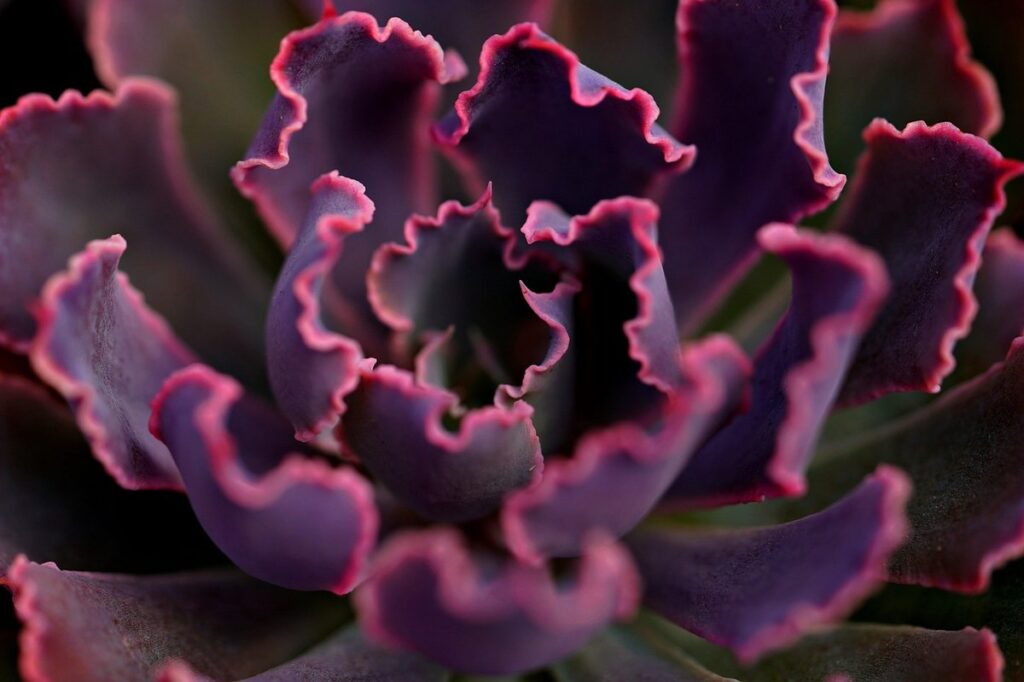
The Magic of Succulents
Succulent enthusiasts know that these low-maintenance plants bring a touch of magic to any space, and we’re about to uncover their secrets. Let’s explore how succulents can infuse joy and beauty into your life.
What are Succulents?
If you’re new to the world of succulents, let’s start with the basics. Succulent plants are a group of incredible, low-maintenance green friends that thrive in dry conditions and have adapted to survive with minimal watering. Their unique, plump leaves and stems allow them to store water, making them perfect for forgetful gardeners or those who tend to overwater their plants.
These versatile beauties come in an astonishing array of shapes, sizes, and colors, from the tall, stately Echeveria to the compact, rosette-shaped Sedum. Not only do they add a touch of elegance to any space, but succulents also offer numerous benefits for our well-being. For instance, studies have shown that being around plants can boost mood and reduce stress levels. Plus, with their ability to purify the air and regulate humidity, succulents make an excellent choice for indoor spaces.
When it comes to incorporating succulents into your life, remember: even a small pot on a sunny windowsill can bring joy and beauty to your space. Whether you’re a seasoned green thumb or just starting out, succulents are the perfect choice for anyone looking to add some life – and love – to their home or office.
Types of Succulents: Exploring the Options
When it comes to succulents, you’ll find that there’s an incredible variety of options to choose from. Each type has its unique features and care requirements, so it’s essential to understand what you’re getting into before bringing one home.
Let’s start with some of the most popular types: Aloe vera is a classic choice for its soothing properties and low-maintenance needs. Echeveria succulents are prized for their striking rosettes and come in an array of colors, from pastel hues to vibrant shades. Meanwhile, cacti are known for their spiky exterior and can thrive in dry conditions, making them a great option for indoor spaces with limited watering schedules.
If you’re new to succulent care, consider starting with Echeveria or Aloe vera varieties. Both require minimal attention and are forgiving if you forget to water from time to time. For more experienced growers, there’s the intriguing Sedum and Crassula, which boast beautiful flowers and a range of shapes and sizes.
Incorporating succulents into your space can be as simple as placing them on a windowsill or in a corner nook. With so many types to choose from, you’re sure to find one that fits your lifestyle and style.
Why Choose Succulents for Your Home?
When it comes to low-maintenance plants, succulents stand out from the rest. But what makes them such an ideal choice for your home decor needs?
Air Purification and Health Benefits
Indoor air pollution is a significant concern for many of us, especially when we’re surrounded by furniture, carpets, and building materials that release chemicals into the air. This can lead to headaches, fatigue, and respiratory issues. Succulents come to our rescue here as well! They purify the air by removing toxins and pollutants through a process called phytoremediation.
Studies have shown that succulents can remove up to 87% of volatile organic compounds (VOCs) from the air within 24 hours. This is especially beneficial in areas with low ventilation, such as bedrooms or living rooms. To make the most of this benefit, place a few succulent plants in each room and ensure they receive proper light and water.
For instance, Aloe Vera is known to remove formaldehyde, benzene, and trichloroethylene from the air. Snake Plant (Sansevieria Trifasciata) is also great at removing VOCs, including acetone and ethyl acetate. By incorporating these plants into your home decor, you can enjoy a healthier indoor environment while still enjoying their beautiful appearance.
Low-Maintenance and Space-Saving
If you’re short on time or have limited space, succulents are an excellent choice for bringing joy and beauty to your life. Not only do they thrive in conditions that would be detrimental to other plants, but they also require minimal maintenance.
One of the most significant advantages of succulents is their ability to survive with infrequent watering. This makes them perfect for busy individuals who often forget to water their plants or those living in areas with low humidity. For example, aloe vera and echeveria are two popular types of succulents that can go weeks without needing a drink.
Another benefit of succulents is their compact size. Many varieties come in small pots or even grow as tiny, self-contained units, making them ideal for small spaces like apartments, dorm rooms, or offices. Place a few on your desk or windowsill to add a pop of color and texture to your surroundings. Plus, they’re lightweight, so you can easily move them around without worrying about weighing down furniture or shelves.
By choosing succulents, you’ll not only save time and effort but also create a beautiful, low-maintenance display that brings joy to your daily life.
Bringing Succulents Indoors: Choosing the Perfect Spot
When bringing succulents indoors, it’s essential to choose a spot that receives the right amount of light for your plants to thrive. Not all rooms are created equal when it comes to succulent survival!
Lighting Requirements
When selecting a spot for your succulents indoors, lighting conditions are crucial to their health and happiness. Most succulent species require bright, indirect light to photosynthesize effectively, but some can tolerate low light environments.
Start by observing the specific needs of your succulent species. Some popular varieties like Aloe Vera and Echeveria thrive in well-lit areas with south-facing windows, while others like Crassula and Gasteria can do well with east- or west-facing windows. Be mindful of direct sunlight, which can cause scorching or discoloration.
To replicate natural light conditions indoors, consider using grow lights. These are particularly useful for low-light succulents or during winter months when daylight hours are shorter. Place grow lights 6-8 inches above the plants and adjust their intensity according to your succulent’s specific needs. Regularly inspect your plants for signs of overexposure or underexposure, adjusting their lighting conditions accordingly.
Monitor your succulents’ reactions to different light settings by observing changes in color, growth rate, and overall health. With a little experimentation and attention to detail, you’ll find the perfect balance of light for your succulent friends to thrive indoors.
Temperature Control and Humidity
When bringing succulents indoors, it’s essential to consider two critical factors that can impact their health and well-being: temperature control and humidity levels. These conditions may seem trivial, but they play a significant role in the overall health of your plants.
Temperature fluctuations can be detrimental to succulents. Most species thrive in temperatures between 65°F (18°C) and 75°F (24°C). Avoid placing them near heating or cooling vents, fireplaces, or drafty windows. A temperature range that’s too extreme can cause stress, leading to leaf drop or discoloration.
Humidity levels are also crucial for indoor succulents. Most species prefer a relatively low humidity environment, between 40% and 60%. However, some species like Aloe and Echeveria require higher humidity levels. To maintain optimal humidity, you can place the pot on a tray filled with water and pebbles or use a humidifier nearby.
Monitor your succulents’ response to their environment and adjust accordingly. By providing them with a stable temperature range and ideal humidity levels, you’ll be able to keep your indoor succulents healthy and thriving.
Caring for Your Succulent Babies
Now that you’ve brought these gorgeous succulents home, it’s time to learn how to give them the TLC they need to thrive in your care. Let’s dive into caring for your little babies!
Watering Tips: Avoid Overwatering
When it comes to watering your succulent babies, it’s all too easy to go overboard. Overwatering is one of the most common mistakes new succulent owners make, and it can be devastating for these delicate plants.
But why is overwatering such a problem? Succulents have adapted to survive in water-scarce environments, so they’re not exactly built for excess moisture. When you give them too much water, it’s like giving your succulent a fatal dose of medicine – the roots will rot, the plant will become susceptible to disease, and it may even drop its leaves.
So how can you avoid this common mistake? Here are some practical tips: check the soil moisture by sticking your finger into the soil up to the first knuckle; water only when the top inch of soil feels dry; and don’t get too trigger-happy with that watering can – a little water goes a long way. Water in the morning so the plants have all day to absorb it, rather than at night when it may collect and cause root rot.
Some succulent enthusiasts swear by letting their plants dry out almost completely between waterings. While this might be extreme for beginners, it’s a good starting point: once you get a feel for how often your plants need watering, you can gradually increase or decrease the frequency as needed.
Fertilization and Repotting
As you continue to nurture your succulent babies, it’s essential to provide them with the right nutrients and space for growth. Fertilizing and repotting are two crucial steps that promote healthy development and prevent disease.
When to fertilize: Feed your succulents during their growing season, which typically occurs in spring and summer. Use a balanced fertilizer that’s specifically designed for cacti and succulents, as they require more micronutrients than other plants. Dilute the fertilizer according to the manufacturer’s instructions, as over-fertilizing can harm your plants.
Repotting: Succulents need more space as they grow, so repot them every 1-2 years in the spring or summer. Choose a pot that’s only slightly larger than the previous one, and use well-draining soil to prevent waterlogged roots. Gently remove the plant from its pot, taking care not to damage the roots.
Some signs that your succulent needs repotting include: when the roots start growing out of the drainage holes, or when the top inch of soil is packed tightly with growth.
Creative Ways to Display Succulents
Take your succulent display to the next level by using creative ways to showcase these beautiful plants, from hanging planters to living walls. Get inspired and start experimenting with unique ideas!
Terrariums and Mini-Gardens
Terrariums are essentially mini-greenhouses that can be placed indoors. They consist of a clear glass container with a small opening for maintenance and are often closed with a seal to keep the environment inside stable. This allows you to cultivate succulents, mosses, or other low-maintenance plants in an entirely self-sustaining ecosystem.
To create your own mini-garden, start by choosing a suitable glass container – a mason jar or a small aquarium work well for this purpose. Next, select the succulent species and decorative materials that will be part of the arrangement. Fill the container about 1/3 with a layer of small rocks to ensure proper drainage, followed by a thin layer of activated charcoal to prevent mold growth.
Plant your chosen succulents, then add decorative elements like mosses or small pebbles. Finally seal the container, making sure not to close it completely – you’ll need some space for air exchange and maintenance. With this setup, you can enjoy watching your plants thrive in an entirely contained environment, bringing a touch of natural beauty into your home without any effort required from you.
In terms of mini-gardens, they resemble traditional gardens but are built on a much smaller scale and often within containers. These can be placed on windowsills or tabletops, adding visual interest to your space while also serving as functional displays for succulents.
Some popular materials for creating mini-gardens include reclaimed wood, terracotta pots, or even old boots. You can customize the design based on your preferences and available resources – think about it, there are countless options for giving life to a small piece of land within your indoor space!
One creative example is repurposing an old wooden planter box as a mini-garden for succulents and cacti. Simply fill the container with a good drainage mix, add some decorative stones or pebbles at the bottom, then plant the selected species. Add more decoration to give it that unique touch – this way you’re not only creating an eye-catching display but also reducing waste.
To make your mini-garden even more interesting, try combining succulents with other plants like mosses or air plants. These can thrive in the shaded environment within a closed container and will complement your chosen species perfectly.
In terms of maintenance for these types of arrangements, remember to keep them away from direct sunlight and ensure proper water levels at all times – this way you’ll be able to enjoy their beauty without having to worry about frequent watering or other tasks.
Arranging Succulent Planters and Decorations
When it comes to arranging succulent planters and decorations, the possibilities are endless. You can mix and match different textures, colors, and styles to create a look that’s uniquely yours.
Start by selecting a few statement pieces, such as a beautifully glazed ceramic planter or a natural fiber basket, to serve as the base of your arrangement. Then, choose one or two main succulent species that complement each other in terms of color, shape, and size. For example, pair a bold, blue-green Echeveria with a delicate, white-veined Crassula for a visually appealing contrast.
Don’t forget to add some decorative elements to fill out the arrangement and create visual interest. Some ideas include:
* Adding a few sprigs of fresh greenery, like rosemary or eucalyptus
* Incorporating decorative rocks or pebbles into the planter for added texture
* Hanging a small wind chime or mobile above the planter to add movement and sound
* Placing a small terrarium or mini-garden on top of the planter to create a tiered look
DIY Succulent Projects: Get Crafting!
Get creative and bring your succulent obsession to life by crafting unique planters, decorations, and more using simple materials you likely have at home.
From upcycled containers to hand-painted stones, we’ll show you how.
Succulent Planting Kits
One of the most exciting aspects of succulent planting is creating customized kits using various materials. Imagine crafting a wooden planter with a built-in trellis for a climbing aloe plant, or pairing a sleek stone container with a vibrant arrangement of echeveria and crassula. With a little creativity, you can turn your DIY succulent project into a stunning piece of home decor.
To create your own succulent planting kits, start by gathering materials such as reclaimed wood, terracotta pots, or decorative stones. Consider the type of plant you’re working with and choose materials that complement its shape, size, and growth habits. For example, a tall wooden planter is perfect for a leggy agave, while a shallow stone dish suits a low-growing sedum.
You can also repurpose everyday objects like old boots or teapots to create unique planters. Add some decorative touches like moss, pebbles, or seashells to give your kit an extra layer of charm. With these materials and a bit of imagination, you’ll be well on your way to creating one-of-a-kind succulent planting kits that bring joy and beauty to any space.
Handmade Succulent Plant Markers
As you tend to your succulent garden, it’s easy to get lost among the rows of similar-looking plants. A simple yet thoughtful touch can help you keep track of which is which: handmade plant markers. Using natural materials like twigs and leaves, you can create unique identifiers that blend in with the garden’s aesthetic.
To start crafting your plant markers, gather a few twigs or small sticks from your yard or a nearby park. You’ll also need some sharp scissors or a craft knife to trim them down to size. Next, collect a selection of leaves in various shapes and sizes – succulents love the delicate petals of forget-me-nots or the sturdy leaves of hostas. Choose one leaf as a template and use it to cut out similar shapes from your collection.
Once you have your twigs and leaves prepared, tie each pair together with a small piece of twine or string, leaving enough room for a short inscription on each marker. Label each plant with its name or the type of succulent it is – be creative! This thoughtful touch will not only keep you organized but also add a charming, handmade element to your garden’s design.
Final Touches: Tips for Maintaining Healthy Succulents
Now that your succulent babies are thriving, let’s focus on keeping them healthy and happy with our final tips on proper care and maintenance. This ensures they continue to bring joy to your space for years to come.
Pest Control and Prevention
Pest control and prevention is an essential aspect of maintaining healthy succulent plants. As you enjoy the beauty and joy that these plants bring to your space, it’s crucial to be aware of common pests that can infest them. Mealybugs, spider mites, and scale are some of the most prevalent pests that can harm your succulents.
To prevent pest infestations, inspect your plants regularly for any signs of damage or unusual growth. Check the undersides of leaves and stems for tiny eggs, white cottony patches, or dark spots. If you notice any of these symptoms, isolate the plant immediately to prevent the pests from spreading to other succulents.
For effective pest control, use neem oil or insecticidal soap as a treatment. Mix the recommended concentration with water and spray it on the affected areas. You can also introduce beneficial insects like ladybugs or lacewings into your garden to naturally control pest populations. By being proactive and taking preventive measures, you’ll be able to keep your succulents healthy and thriving for years to come.
Seasonal Care and Maintenance
As you continue to enjoy the beauty of your succulents, it’s essential to adjust their care routine seasonally. Succulents thrive in specific temperature and humidity conditions, which can vary depending on the time of year.
In the spring and summer months, when temperatures rise, succulents require more frequent watering. Make sure to check the soil moisture by sticking your finger into the soil up to the first knuckle. If it feels dry, it’s time for a drink! However, be cautious not to overwater, as this can lead to root rot and other issues.
In contrast, during the fall and winter months, succulents need less water due to lower temperatures and humidity levels. Reduce watering frequency to once every 4-6 weeks. Also, consider moving your succulents to a brighter location or using grow lights to provide the necessary light for photosynthesis.
Keep in mind that these adjustments may vary depending on the specific type of succulent you have. Research the unique needs of your plants and adjust their care routine accordingly. By doing so, you’ll ensure they continue to thrive and bring joy and beauty to your space throughout the year.
Frequently Asked Questions
Can I grow succulents outdoors if I live in a hot climate?
Yes, many types of succulents can thrive outdoors in hot climates, but be aware that intense sunlight and heat may require more frequent watering. Choose succulent species that are native to your region or have similar growing conditions to ensure their success.
How often should I repot my succulents to maintain their health?
Succulents typically need to be repotted every 1-3 years, depending on their growth rate and pot size. Look for signs of root boundness, such as slow growth or waterlogged soil, to determine when it’s time for a new pot.
Can I use regular potting mix for my succulents, or do they require special care?
While you can use regular potting mix for your succulents, it’s recommended to use a well-draining cactus mix specifically designed for these plants. This type of mix will help prevent waterlogged soil and root rot.
How do I know if my succulent is getting enough light or too much?
Check the color and texture of your succulent’s leaves to determine its lighting needs. If they appear pale or stretched, it may be a sign that they’re not receiving sufficient light. Conversely, if they’re looking scorched or crispy, it could indicate too much direct sunlight.
Can I propagate my succulents through leaf or stem cuttings?
Yes! Succulents can be easily propagated through leaf or stem cuttings. Remove healthy leaves or stems from mature plants, allow them to dry for a few days to form a callus, and then plant them in well-draining soil. Keep the soil moist but not waterlogged until roots develop.