
Are you ready to brighten up your indoor space with beautiful blooms? Growing flowers from seed can be a fun and rewarding experience, but it requires some know-how. Choosing the right flower seeds for indoor plants is crucial, as different varieties have unique needs and requirements. From selecting the perfect types of flowers that thrive in low-light conditions to understanding how to sow them successfully, we’ll cover everything you need to know.
In this expert guide, we’ll walk you through the process of choosing, sowing, and caring for flower seeds indoors. We’ll also address common challenges that indoor gardeners face when growing from seed, so you can troubleshoot any issues that arise. By the end of this article, you’ll have a clear understanding of how to grow stunning flowers indoors with ease. Whether you’re a seasoned gardener or just starting out, our tips and advice will help you achieve success in your indoor flower garden.
Section 1: Understanding Your Planting Options
When it comes to choosing flower seeds for your indoor plants, you have several options that’ll determine their success and beauty. Let’s explore these planting options together!
Types of Flowers That Thrive Indoors
When it comes to choosing the right flower seeds for indoor plants, understanding which types of flowers can thrive indoors is crucial. Some popular and low-maintenance options include African Violets, Begonias, and Gerbera daisies.
African Violets are perfect for indoor gardens, requiring high humidity levels and moderate temperatures between 65-75°F (18-24°C). They come in a variety of colors and require minimal care. To grow these flowers indoors, place them near an east or west-facing window to ensure they receive indirect sunlight.
Begonias are another great option for indoor plants, tolerating low light conditions but preferring bright, indirect light. They also thrive in temperatures between 65-75°F (18-24°C) and high humidity levels. Begonias come in a range of colors, including pink, white, and red.
Gerbera daisies are known for their large, showy flowers and can add a pop of color to any indoor space. They prefer bright, indirect light and temperatures between 65-75°F (18-24°C). To care for Gerbera daisies indoors, water them thoroughly but allow the soil to dry slightly between waterings.
By choosing flower seeds that match your indoor environment’s specific needs, you can enjoy beautiful blooms year-round.
Seed Selection for Indoor Plants
When selecting seeds for indoor plants, it’s essential to choose varieties that thrive in controlled environments. Unlike outdoor plants, which can adapt to changing weather conditions and soil types, indoor plants rely on you to provide the right conditions. This means considering factors like climate, light, and soil conditions.
For example, seedlings grown indoors may not have the same level of resistance to pests or diseases as their outdoor counterparts. As a result, it’s crucial to choose seeds from reputable suppliers that specialize in indoor plant varieties. When selecting seeds, also consider the specific lighting requirements for your chosen plants. Some flowers, like African Violets and Begonias, prefer bright indirect light, while others, such as Pansies and Violas, can tolerate low light conditions.
In terms of climate, many indoor plant species are sensitive to temperature fluctuations. Look for seeds that can tolerate average room temperatures (around 65-75°F) and avoid those that require specific temperature ranges. Finally, consider the soil type your plants will be growing in. Some seeds, like Begonias, prefer well-draining potting mixes, while others, such as Orchids, thrive in more moisture-retentive soils.
When selecting seeds for indoor plants, also keep in mind their growth habits and mature sizes. Compact or dwarf varieties are ideal for small spaces, while larger varieties may require more room to grow. By taking these factors into account, you can ensure the best possible start for your indoor flower seeds.
Section 2: Selecting High-Quality Flower Seeds
When selecting flower seeds for your indoor plants, it’s crucial to choose high-quality seeds that will germinate and thrive in their environment. This section will guide you on what to look for.
What to Look for in a Reliable Seed Supplier
When searching for reliable seed suppliers, it’s essential to consider both online and offline options. Online marketplaces like Amazon, eBay, and specialized gardening websites can offer a wide selection of flower seeds from various suppliers. However, be cautious when buying from individual sellers, as quality control may vary.
For local nurseries, visit their physical stores or check their websites for seed availability. Many reputable nurseries also sell high-quality seeds directly to customers. Seed banks like the United States Botanic Garden’s Plant Conservation Center and the Royal Horticultural Society’s Seed Bank are great resources for rare and unique species.
When choosing a supplier, carefully review their customer ratings and feedback on platforms like Trustpilot or Google Reviews. Look for red flags such as poor communication, inconsistent shipping times, or low-quality seeds. Verify the supplier’s physical address, phone number, and contact information to ensure legitimacy.
Factors Affecting Seed Quality
When it comes to choosing high-quality flower seeds for indoor plants, understanding the factors that affect seed quality is crucial. Seed age, storage conditions, and packaging can significantly impact a seed’s ability to germinate and grow well.
Seed age is a significant factor, as older seeds may have lower viability rates or reduced vigor. When purchasing seeds, look for the packaging date or the year of production on the label. Ideally, choose seeds that are within 12-18 months of their packaging date for optimal performance.
Storage conditions also play a critical role in maintaining seed quality. Seeds exposed to heat, moisture, or direct sunlight can degrade rapidly. Opt for seeds stored in airtight containers or bags and kept in cool, dry places. Additionally, check the packaging material – paper or cardboard is better than plastic or foil.
When selecting seeds, inspect the packaging for any signs of damage or tampering. Ensure that the seeds are properly labeled with information on germination rates, growth habits, and temperature requirements. By considering these factors, you can increase your chances of growing healthy and thriving indoor plants from high-quality flower seeds.
Section 3: Starting Your Indoor Flower Garden from Seeds
Let’s get started on growing your favorite flowers from scratch by learning how to sow seeds indoors, and creating a lush garden in even the smallest of spaces.
Preparing Your Soil and Containers
When it comes to starting your indoor flower garden from seeds, preparing your soil and containers is crucial for success. One of the most important factors to consider is using a well-draining potting mix. This type of mix allows excess water to escape, preventing waterlogged soil that can lead to root rot and other problems.
To ensure good drainage, choose containers with holes or gaps in the bottom. These holes allow excess water to flow out, reducing the risk of overwatering. If you don’t have access to pots with built-in drainage, you can create your own by adding a layer of small rocks or broken pottery at the bottom of the container.
Before sowing seeds, prepare your soil by mixing in organic matter like compost or peat moss. This helps improve the structure and fertility of the soil, giving your seedlings a healthy start. You can also add a small amount of fertilizer to provide essential nutrients for growth.
Sowing Seeds Indoors
When sowing flower seeds indoors, it’s essential to get the technique right from the start. This will give your seedlings the best chance of thriving and blooming beautifully.
To begin with, make sure you’re using a good quality potting mix specifically designed for indoor plants. Fill a small pot or seed tray with the mix, leaving enough space for the roots to grow without becoming waterlogged.
Next, plant the seeds at the correct depth. This can vary depending on the type of flower, but as a general rule, it’s best to sow them 1-2 times deeper than their width. For example, if you’re sowing marigold seeds, which are about 0.5 inches wide, start by planting them about 1 inch deep.
Allow at least 6-8 weeks for the seeds to germinate and develop their first set of leaves before moving them into individual pots or planters. Make sure the soil is consistently moist but not waterlogged during this period, as this can lead to root rot and other problems.
Section 4: Caring for Your Indoor Flower Plants from Seed to Bloom
Now that you’ve chosen the perfect flower seeds, let’s talk about what it takes to coax them into beautiful blooms in your indoor space.
Lighting Requirements for Indoor Flowers
When it comes to indoor flowers, providing the right lighting is crucial for their growth and blooming. Different types of plants have unique lighting requirements, so it’s essential to research the specific needs of your chosen variety.
For example, African Violets prefer bright, indirect light but can tolerate some direct sunlight. On the other hand, Orchids require more intense, direct light to bloom. If you’re unsure about the lighting needs of your plant, consult the seed packet or do further research online.
If natural light is limited in your space, consider using grow lights or LED lights to supplement the existing light. These can be especially helpful for plants that require a lot of light, such as Gerbera daisies and begonias. When choosing grow lights, look for ones with a high lumen output and consider the specific spectrum required by your plant.
Some general tips include placing plants near an east- or west-facing window to provide gentle, indirect light, and avoiding south-facing windows that can be too intense.
Watering and Fertilization Tips
Proper watering and fertilization are crucial to the health and growth of your indoor flower plants. When it comes to watering, overwatering is a common mistake that can lead to root rot and kill your plant. As a general rule, water your plants when the top inch of soil feels dry to the touch. However, this frequency may vary depending on factors like temperature, humidity, and type of plant.
For example, flowering plants like African Violets and Begonias require more frequent watering than succulents or cacti. As a rough guideline, water your plants once a week during spring and summer months when they’re actively growing, and reduce frequency to once every 10-14 days during fall and winter.
When it comes to fertilization, it’s essential to provide your plants with the right nutrients at the right time. A balanced, water-soluble fertilizer (20-20-20) is a good starting point for most indoor flower plants. However, adjust the frequency and type of fertilizer based on your plant’s specific needs. For instance, flowering plants require more phosphorus to produce blooms, so use a fertilizer with higher phosphorus content during the blooming season.
Some plants also benefit from additional micronutrients like iron or magnesium, which can be applied as separate supplements. Always follow the manufacturer’s instructions and start with a small dose to avoid burning your plant’s roots.
Section 5: Overcoming Common Challenges with Indoor Flower Seeds
As you work towards growing vibrant indoor flowers, you’ll inevitably face a few common challenges that can throw off your progress. We’re here to help you overcome them with some expert tips and advice.
Dealing with Seed Failure or Slow Germination
Dealing with seed failure or slow germination can be frustrating, especially when you’ve invested time and effort into preparing for a successful indoor planting experience. If your seeds fail to germinate or grow slowly, don’t panic! There are several possible causes that might be contributing to the issue.
One common reason for slow germination is inadequate moisture levels in the soil. Make sure your potting mix is consistently moist but not waterlogged, as this can lead to root rot and prevent seeds from sprouting. Another possibility is incorrect temperature conditions. Most flower seeds require a consistent temperature between 65-75°F (18-24°C) for optimal germination.
Some seeds may also be naturally slow-growing or more sensitive to environmental factors. If you’re experiencing repeated issues, try isolating the problem and identifying any specific seed varieties that might be less tolerant of indoor conditions. In cases where seeds have failed to germinate, consider starting over with fresh seeds or exploring alternative planting methods, such as using seed starters or propagation trays.
Keep in mind that even with ideal conditions, some seeds may still not germinate. However, by paying attention to temperature and moisture levels, you can significantly improve your chances of success.
Managing Pests and Diseases in Your Indoor Garden
As you nurture your indoor flower plants from seed to bloom, it’s essential to be aware of common pests and diseases that can compromise their health. Pests like mealybugs, spider mites, and aphids thrive in the warm, humid environments of indoor gardens, feeding on sap and spreading disease. Mealybugs, for example, are small, white insects that secrete a sticky substance called honeydew, which attracts ants and promotes fungal growth.
To prevent infestations, inspect your plants regularly for signs of pests, such as fine webbing or tiny eggs. Use neem oil or insecticidal soap to control mealybug populations. Spider mites are often harder to detect, but their presence can be indicated by a fine dust on the leaves. To manage spider mite infestations, increase air circulation and reduce watering.
Diseases like root rot can also affect indoor flower plants, especially if water is overwatered or the potting mix is too dense. Monitor your plant’s roots for signs of decay, such as yellowing leaves or a soft stem. To prevent root rot, use well-draining potting mixes and avoid getting water on the leaves or crown of the plant.
By being vigilant about pest and disease management, you can create a thriving indoor garden where your flower plants grow strong and healthy.
Section 6: Expanding Your Indoor Flower Collection
Now that you’ve got your favorite indoor flower varieties thriving, it’s time to think about expanding your collection and trying new blooms. Here are some tips for adding more beauty to your space.
Saving Seeds from Your Own Plants
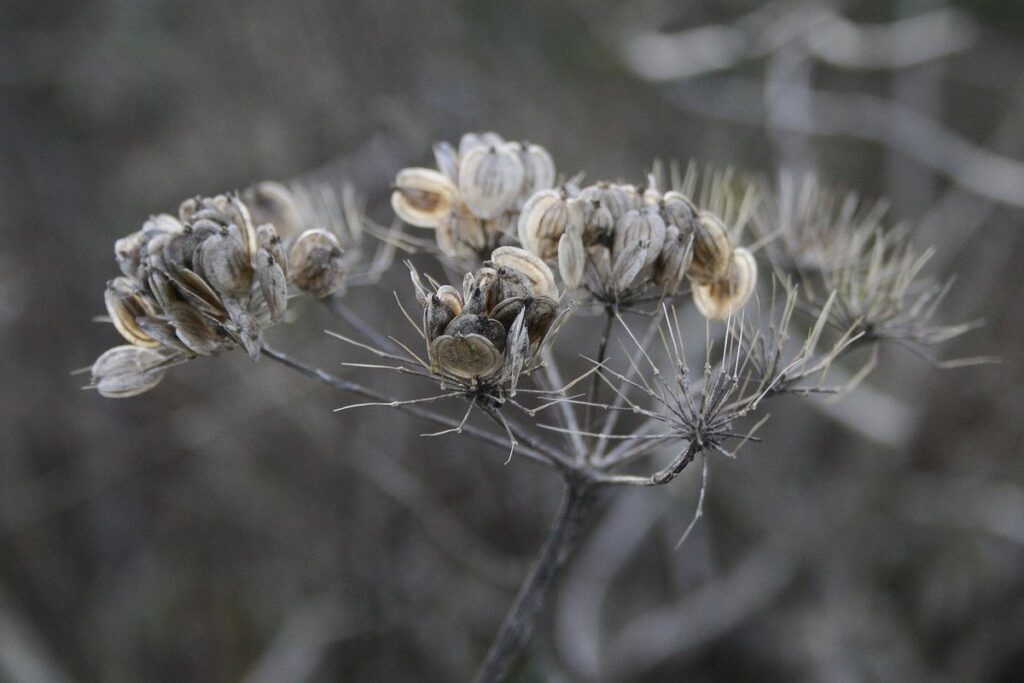
Saving seeds from your own indoor flower plants is a rewarding experience that allows you to propagate new blooms and create hybrid varieties. To start, allow the seed pods on your flowering plant to dry completely after they have turned brown and split open. You can speed up this process by placing the pot in a warm, dry location or using a dehydrator set to its lowest temperature setting.
Once the seeds are fully dry, remove them from the pod and store them in an airtight container. It’s essential to label the container with the plant name and date harvested so you can easily track which variety you’re working with. Store the container in a cool, dark place like a cupboard or drawer to preserve the seeds’ viability.
When it’s time to plant the saved seeds, sow them about 1/8 inch deep in a seed starting mix, keeping the soil consistently moist but not waterlogged. Transplant the seedlings into individual pots once they have two sets of leaves, and then harden them off before introducing them to their final indoor location.
Keep in mind that some plants are sterile or self-pollinating, so saving seeds may not be a viable option for these varieties. However, many popular indoor flowering plants like African Violets, Begonias, and Geraniums can produce fertile seed, allowing you to save and replant them with success.
Introducing New Flowers to Your Indoor Garden
When introducing new flowers to your indoor garden, it’s essential to consider their growth habits and care requirements. This will ensure that they thrive alongside your existing plants and complement each other visually.
Start by researching the specific needs of the new flower variety, such as lighting, watering, and fertilization requirements. Compare these needs with those of your existing plants to avoid any conflicts or complications.
For example, if you have a low-light loving plant like Chinese Evergreen, introducing a high-maintenance flower that requires direct sunlight may not be the best choice. Similarly, if you have plants with similar water requirements, adding one that prefers consistently moist soil could lead to overwatering issues.
Some questions to ask yourself when selecting new flowers include: What is the mature size of the plant? Will it grow too large for its container or spill over onto other plants? How much maintenance will it require compared to my existing plants?
By taking these factors into account, you can create a harmonious and thriving indoor garden that showcases your diverse flower collection.
Section 7: Conclusion and Next Steps
Now that you’ve made your selection, it’s time to tie everything together by summarizing key takeaways and planning for the future of your indoor garden.
Recap of Key Takeaways
To grow successful indoor flower plants from seeds, it’s essential to consider several key factors. First and foremost, choose high-quality flower seeds specifically bred for indoor growing conditions. These varieties are often compact, produce smaller blooms, or have adapted to thrive in low-light environments.
When selecting seed packets, look for labels indicating the plant’s growth habit, mature height, and light requirements. This information will help you determine whether the variety is suitable for your indoor space. Additionally, consider factors such as temperature tolerance, watering needs, and fertilizer requirements.
To recap, some key takeaways from our previous sections include selecting seeds that are compact or dwarf varieties, choosing plants with similar growing conditions, and starting seeds in a controlled environment like a greenhouse or under grow lights. By considering these factors and following best practices for seed germination and care, you’ll be well on your way to successfully growing indoor flower plants from seeds.
Encouragement to Start Your Indoor Flower Journey
Starting your indoor flower journey can be as simple as planting a single seedling on a windowsill. It’s an exciting prospect to explore the world of indoor gardening and discover new varieties that thrive in low-light conditions. Don’t let intimidation or uncertainty hold you back – begin with small, manageable projects that allow you to experiment and learn.
Consider starting with a compact variety like African Violets or Begonias, which require minimal care and can flourish in indoor environments. Alternatively, try your hand at sprouting microgreens, which are easy to grow and add a burst of color to salads. As you gain confidence, gradually introduce more challenging species that demand attention and maintenance.
By taking small steps, you’ll develop essential skills and build momentum for future projects. Don’t worry if some seeds fail or results aren’t immediate – indoor gardening is an iterative process that rewards patience and persistence. With each new experience, you’ll refine your techniques, fine-tune your approach, and unlock the full potential of your indoor flower garden.
Frequently Asked Questions
Can I grow flowers from seeds if my indoor space has limited natural light?
Yes, you can still grow beautiful flowers indoors with limited natural light. Some low-light varieties like African Violets, Begonias, and Pansies are perfect for spaces with minimal direct sunlight. Use grow lights to supplement the natural light, and follow proper care instructions to ensure healthy growth.
What’s the best way to store leftover flower seeds to maintain their viability?
To preserve seed quality, store them in a cool, dry place, away from direct sunlight. Airtight containers or envelopes can help keep seeds fresh for longer. You can also label the container with the type of flower and date stored. This way, you’ll be able to use them next season when starting new plants.
How often should I water my indoor flower seedlings?
Watering frequency depends on the plant’s specific needs and the environment. Generally, keep the soil consistently moist but not waterlogged. Check the soil daily, and water when it feels slightly dry to the touch. Avoid overwatering, which can lead to root rot and other issues.
Can I reuse containers for growing new flower seeds?
Yes, you can reuse containers as long as they are clean and sanitized. Remove any remaining soil and debris, then sterilize with a mixture of water and bleach or soap. Rinse thoroughly before using the container again. This will help prevent the spread of diseases between plants.
What’s the ideal temperature range for sowing flower seeds indoors?
Most flower seeds germinate best in temperatures between 65°F to 75°F (18°C to 24°C). Keep your indoor seed-starting area at a consistent temperature, and avoid placing containers near heating or cooling vents. This will help ensure healthy germination and growth of your indoor flowers.