
If you’re like most hydrangea enthusiasts, you’re probably eager to learn how to prune your Strawberry Sundae hydrangea during the fall season. Pruning at the right time is crucial for promoting healthy growth and optimal blooming. But if you don’t know when or how to prune, you might end up cutting off next year’s flowers. Don’t worry, I’ve got you covered. In this article, we’ll dive into expert tips on how to prune your Strawberry Sundae hydrangea during the fall season, ensuring it stays healthy and produces stunning blooms for years to come. We’ll cover the best techniques, tools, and timing for a successful pruning session, so you can enjoy your beautiful flowers without any hassle.
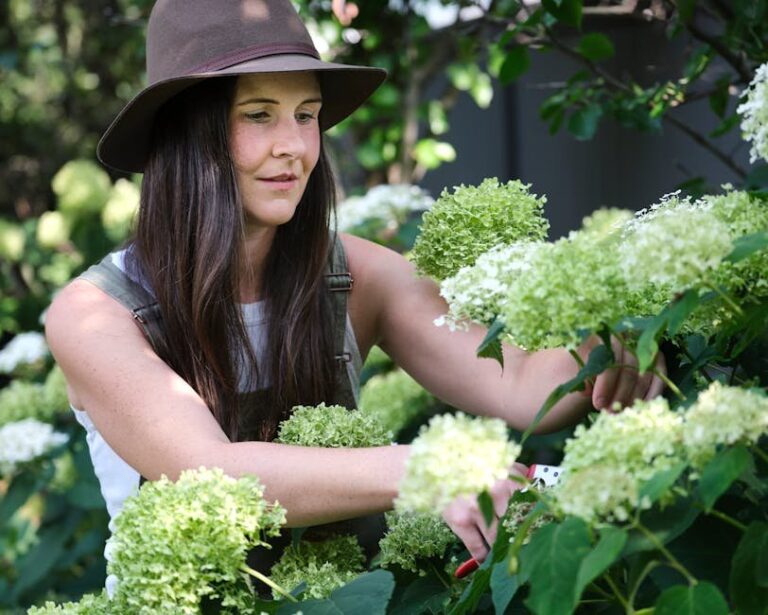
Understanding Your Hydrangea’s Needs
To give your strawberry sundae hydrangea the best chance at a healthy and thriving winter, you need to understand its specific needs. This includes factors like sunlight, watering, and fertilization requirements.
Why Fall Pruning is Essential for Hydrangeas
When it comes to keeping your Strawberry Sundae hydrangea healthy and thriving, fall pruning is an essential task that should not be overlooked. Pruning at the right time promotes healthy growth and encourages blooming, which can lead to a more vibrant display of flowers come spring.
Pruning in the fall allows you to control the shape and size of your hydrangea, as well as remove any dead or damaged branches that may be weighing it down. By doing so, you’re giving your plant the best chance to recover over the winter months, which ultimately leads to a stronger, more resilient plant come spring.
In addition, pruning in the fall encourages blooming by removing spent blooms and allowing your hydrangea to focus its energy on developing new buds for next year’s flowers. This means that with proper pruning, you can enjoy an even more spectacular display of big, showy blooms from your Strawberry Sundae hydrangea come spring.
Preparing for Fall Pruning: Timing and Tools
When preparing for fall pruning, timing is everything. For Strawberry Sundae hydrangeas, aim to prune between late summer and early fall, typically around September or October in the Northern Hemisphere. This allows you to remove spent blooms and shape the plant before new growth begins.
As you prepare to prune, gather your essential tools: a good pair of pruning shears (or loppers for thicker stems), gloves to protect your hands from thorns, and a bucket or tarp to collect pruned branches. Now, let’s talk about selecting which stems to prune.
Opt for healthy, vigorous stems that are at least one-third to one-half of the plant’s mature size. These should be relatively free of disease, with no signs of yellowing leaves or black spots on the stems. Avoid pruning weak, spindly growth or any areas showing signs of stress or damage. By carefully selecting which stems to prune and when, you’ll set your Strawberry Sundae hydrangea up for a robust new season of growth and blooming.
Assessing Your Hydrangea’s Growth Habits
To ensure you’re pruning your strawberry sundae hydrangea effectively, start by observing and noting its natural growth habits over a few growing seasons. This will help you identify any patterns or irregularities.
Identifying Dormant Wood and New Growth
When assessing your Strawberry Sundae hydrangea’s growth habits, it’s essential to identify which parts of the plant are actively growing and should be pruned back. One crucial aspect is distinguishing between dormant wood (old growth) and new growth.
Dormant wood, also known as old growth, typically has a woody texture, with gray or brown bark that’s rough to the touch. This type of growth is usually one to two years old and has completed its growth cycle for the season. On the other hand, new growth is more flexible, with smooth green stems that are still in their growing phase.
To identify which parts of your hydrangea need pruning, gently run your fingers over the stems. New growth will feel softer and slightly more pliable to the touch. Also, inspect the buds; active buds will be larger and more prominent on new growth, while dormant buds will be smaller and less noticeable. By knowing which areas are actively growing, you’ll make informed decisions about where to prune your Strawberry Sundae hydrangea during fall, ensuring a healthy and thriving plant come spring.
Evaluating Canopy Density and Structure
When evaluating canopy density and structure, it’s essential to strike a balance between promoting blooming and ensuring good air circulation. A dense canopy can lead to reduced blooming, as the plant focuses its energy on leaf growth rather than flower production. On the other hand, an open canopy may not provide enough support for the blooms.
To assess your hydrangea’s canopy density, start by observing how many branches are growing in a single layer. You want to aim for around 50-75% of the plant’s total height being covered by leaves and stems. This will allow for adequate light penetration while still maintaining some density. To adjust the plant’s overall shape and size, select a few key branches that will form the base of the canopy, and remove any weak or competing growth. Prune these branches back to about 12-18 inches from the ground to encourage bushy growth and promote blooming.
Pruning Techniques: A Step-by-Step Approach
To get your strawberry sundae hydrangea looking its best next spring, let’s dive into the step-by-step pruning process that’s easy to follow. This straightforward approach will help you shape and maintain your plant successfully.
Removing Dead, Diseased, or Damaged Wood
When pruning your Strawberry Sundae Hydrangea in the fall, it’s essential to identify and remove dead, diseased, or damaged branches. These types of branches can be a haven for pests and diseases that can harm the rest of the plant.
To start, inspect your hydrangea closely, looking for signs of damage such as cracks, splits, or soft spots on the bark. Dead branches will be brittle and break easily when bent; diseased branches may have blackened leaves or stems. Remove any branches that show these characteristics with clean pruning techniques to minimize the risk of spreading disease.
Cut branches at a 45-degree angle, just above a bud eye (the small, swollen area from which new growth emerges). This will help direct energy towards healthy areas and promote new growth. When cutting through diseased tissue, disinfect your pruning tools between cuts to prevent transferring bacteria or fungal spores to healthy areas of the plant.
Shaping the Plant for Optimal Blooming
When shaping your Strawberry Sundae hydrangea for optimal blooming, it’s essential to focus on maintaining a balanced canopy structure while encouraging healthy growth. This involves careful pruning to promote a strong, full plant with plenty of buds and blooms.
To achieve this, begin by removing any dead, diseased, or damaged branches, as these can drain the plant’s energy and reduce its ability to produce flowers. Next, focus on thinning out the center of the plant to allow for air circulation and sunlight penetration, which is crucial for blooming. Use a pair of sharp pruning shears to cut back select stems by about one-third, aiming to maintain a balanced look while also encouraging new growth.
As you prune, be mindful of your plant’s natural shape and don’t over-prune – this can lead to bare spots and reduced blooming potential. Instead, aim for a neat, uniform appearance that still allows the plant to grow freely. Regular pruning will help maintain your Strawberry Sundae hydrangea’s shape and promote vibrant blooms come springtime.
Strawberry Sundae Hydrangea Specific Considerations
When it comes to pruning your strawberry sundae hydrangea, there are a few key things to keep in mind to ensure you’re doing it correctly and safely. This includes special care for new plants and considerations for mature varieties.
Unique Characteristics of This Variety
The Strawberry Sundae hydrangea is known for its unique characteristics that set it apart from other varieties. One of its most distinctive features is its vibrant pink and white bloom coloration, which can be a bit more delicate than some other hydrangeas. As such, when pruning your Strawberry Sundae in the fall, it’s essential to handle the stems with care to avoid damaging the flowers.
Another factor to consider is the size of the blooms – they’re relatively large compared to other varieties, so you’ll want to focus on maintaining a balanced shape and encouraging new growth from the base of the plant. This can be achieved by cutting back any leggy stems to about one-third to one-half their length, which will also help promote more substantial flower production.
Keep in mind that the Strawberry Sundae is generally a more compact variety, growing around 3-4 feet tall and wide. When pruning, prioritize maintaining this shape while still allowing for adequate air circulation and sunlight penetration – all essential factors for healthy plant growth and blooming success.
Addressing Common Issues and Challenges
As you prune your Strawberry Sundae hydrangea in fall, it’s not uncommon to encounter some common issues and challenges. One of the most significant concerns is branch dieback, particularly on new growth. This can be caused by a combination of factors including weather conditions, watering habits, and even nearby plant competition.
To address this issue through pruning, focus on removing any weak or damaged branches, cutting them back to about 6-8 inches from the ground. This will not only improve the overall structure but also encourage healthy growth in spring. Another common problem is leaf spot disease, which can be spread by water splashing up onto the leaves. To combat this, ensure your pruning tools are sanitized between cuts and consider using a fungicide spray to prevent further infection.
Regular maintenance plays a crucial role in preventing these issues from arising in the first place. Watering habits, for instance, should be adjusted during periods of drought or extreme weather. Also, keep an eye out for any signs of pests like aphids or spider mites, which can weaken the plant and make it more susceptible to disease.
To prevent branch dieback, prune your Strawberry Sundae hydrangea in fall so that new growth is not weakened by harsh winter conditions. Focus on removing weak or damaged branches, cutting them back to about 6-8 inches from the ground. This will help improve the overall structure and encourage healthy growth in spring. For leaf spot disease, ensure you’re using sanitized pruning tools between cuts and consider a fungicide spray for prevention.
When dealing with branch dieback, focus on removing weak or damaged branches and cutting them back to about 6-8 inches from the ground. This will not only improve the overall structure of your Strawberry Sundae hydrangea but also encourage healthy growth in spring.
In terms of regular maintenance, make sure to adjust your watering habits during periods of drought or extreme weather. Also, keep an eye out for any signs of pests like aphids or spider mites, which can weaken the plant and make it more susceptible to disease.
Leaf spot disease is another common issue you may encounter with your Strawberry Sundae hydrangea. This fungal infection can spread through water splashing onto leaves, making proper sanitation during pruning crucial. To combat this, ensure your pruning tools are sanitized between cuts and consider using a fungicide spray to prevent further infection.
To minimize the risk of branch dieback and promote healthy growth, be mindful of weather conditions when pruning in fall. If you’re unsure about the best time for pruning or notice any signs of disease or pests, consult with a gardening expert for personalized advice.
Post-Pruning Care: Tips for a Healthy Hydrangea
After pruning your Strawberry Sundae hydrangea, it’s essential to provide proper post-pruning care to ensure its continued health and blooming beauty. This helps stimulate new growth and encourages a fresh set of flowers next year.
Proper Wound Closure and Protection
After pruning your Strawberry Sundae hydrangea, it’s essential to properly close wounds and protect the plant from environmental stressors. This is a critical step in promoting healthy growth and preventing disease.
To close wounds, apply a thin layer of anti-desiccant or other protective measures specifically designed for plants. These products help seal the cut edges, reducing moisture loss and preventing infection. You can also use a commercial pruning sealer or a homemade mixture of honey and water. Apply these products according to the manufacturer’s instructions.
Maintaining optimal soil conditions is crucial during this time. Ensure the soil is consistently moist but not waterlogged. This will help the plant focus its energy on healing and rebuilding rather than fighting off disease. Avoid over-fertilizing, as this can cause new growth that may be vulnerable to cold damage. Keep an eye out for signs of stress or disease, such as yellowing leaves or black spots, and take prompt action if you notice any issues.
By following these steps, you’ll give your Strawberry Sundae hydrangea the best chance to recover from fall pruning and thrive in the coming months.
Monitoring Plant Response and Adjusting Pruning Strategies
Monitoring your hydrangea’s response to fall pruning is crucial for its overall health and blooming potential. After pruning, observe your plant closely for signs of stress or over-pruning. Check for wilted or browning leaves, as these can be indicative of root damage or water stress.
Adjust your pruning techniques accordingly based on the plant’s response. If you notice your hydrangea is struggling to adjust, consider reducing the severity of next year’s pruning. This may involve cutting back branches by half, rather than removing them entirely.
Monitor soil moisture and fertility levels as well. A lack of nutrients or water can exacerbate stress caused by fall pruning. To promote healthy growth, maintain a consistent watering schedule and fertilize your hydrangea annually with a balanced fertilizer.
If you notice an excessive number of buds on new growth, it may be necessary to thin them out in the spring to allow for proper blooming. This will prevent overcrowding and encourage larger flowers. Keep an eye out for any signs of disease or pests, which can spread quickly if left unchecked.
Conclusion: Revitalizing Your Strawberry Sundae Hydrangea with Fall Pruning
Now that you’ve learned how to prune your strawberry sundae hydrangea in the fall, let’s discuss the final steps for a healthy and thriving plant. By revitalizing your shrub after pruning, you’ll ensure a stunning display of blooms next season.
Recap of Key Takeaways
As we conclude our comprehensive guide to strawberry sundae hydrangea fall pruning, let’s recap the key takeaways that will help you revitalize and maintain a healthy plant.
In this article, we’ve emphasized the importance of fall pruning for strawberry sundae hydrangeas. By cutting back dead or damaged wood in the fall, you’ll prevent disease and pests from spreading to other parts of the plant. This is especially crucial as winter approaches, when temperatures drop and plants are more susceptible to damage.
To identify dead or damaged wood, look for signs such as withered branches, brown tips, or a general decline in foliage health. When pruning, use clean and sharp tools to prevent the spread of disease. Cut just above a bud eye or growth node, making sure not to leave any stubs that could become entry points for pathogens.
We’ve also discussed the importance of removing dead flowers (hypanthodiums) after blooming to promote healthy growth and encourage new blooms in the spring. This simple step can make a significant difference in your plant’s overall appearance and vigor.
In addition to pruning, we recommend providing your strawberry sundae hydrangea with adequate sunlight (at least 4-6 hours of direct sun), water, and nutrients. Mulching around the base of the plant will also help retain moisture and regulate soil temperature.
By incorporating these key takeaways into your fall pruning routine, you’ll be well on your way to maintaining a thriving strawberry sundae hydrangea that brings joy and beauty to your garden for years to come.
Frequently Asked Questions
Can I Prune My Strawberry Sundae Hydrangea Too Much, Even if it’s Necessary for Its Health?
No, pruning too much can still be detrimental to your hydrangea’s health and blooming potential. It’s essential to strike a balance between removing dead or damaged branches and preserving the plant’s overall structure and growth habits. Over-pruning can lead to stress, which may cause your hydrangea to drop its buds or fail to produce flowers come spring.
What if I Missed the Optimal Pruning Window for My Strawberry Sundae Hydrangea?
Don’t worry! While pruning during the fall season is ideal, you can still prune your hydrangea in early winter (December or January) if necessary. Just be sure to do so before new growth begins, as this will help minimize stress and promote healthy recovery.
How Do I Determine Which Branches Are Dead or Damaged on My Strawberry Sundae Hydrangea?
Inspect the branches carefully for signs of damage, such as cracks, splits, or discoloration. Gently remove any dead or damaged wood by cutting it back to a bud eye (where a new branch meets the main stem). This will help redirect energy toward healthy growth and promote blooming.
Can I Prune My Strawberry Sundae Hydrangea More Aggressively in the First Year After Planting?
Yes, if your hydrangea is still establishing itself, you may need to prune it more aggressively to control its size and encourage a strong, central leader. However, be cautious not to over-prune, as this can put additional stress on the plant.
How Do I Prevent Wound Sickness or Infection After Pruning My Strawberry Sundae Hydrangea?
To prevent wound sickness or infection, make clean cuts using sharp, sterile pruning tools and apply a fungicide to any wounds. This will help promote healthy healing and minimize the risk of disease.