
Are you tired of buying new strawberry plants every season only to have them decline in productivity over time? Propagating your own strawberries through runners can be a game-changer for gardeners and farmers alike. Not only is it cost-effective, but it also ensures that your favorite varieties are consistently healthy and thriving.
In this article, we’ll walk you through the process of strawberry runner propagation, covering everything from selecting the right plants to preparing them for growth. We’ll discuss how to properly care for your newly propagated runners, including tips on mulching, watering, and providing essential nutrients. With our step-by-step guide, you’ll be able to efficiently propagate strawberries in no time and enjoy a bountiful harvest all season long.
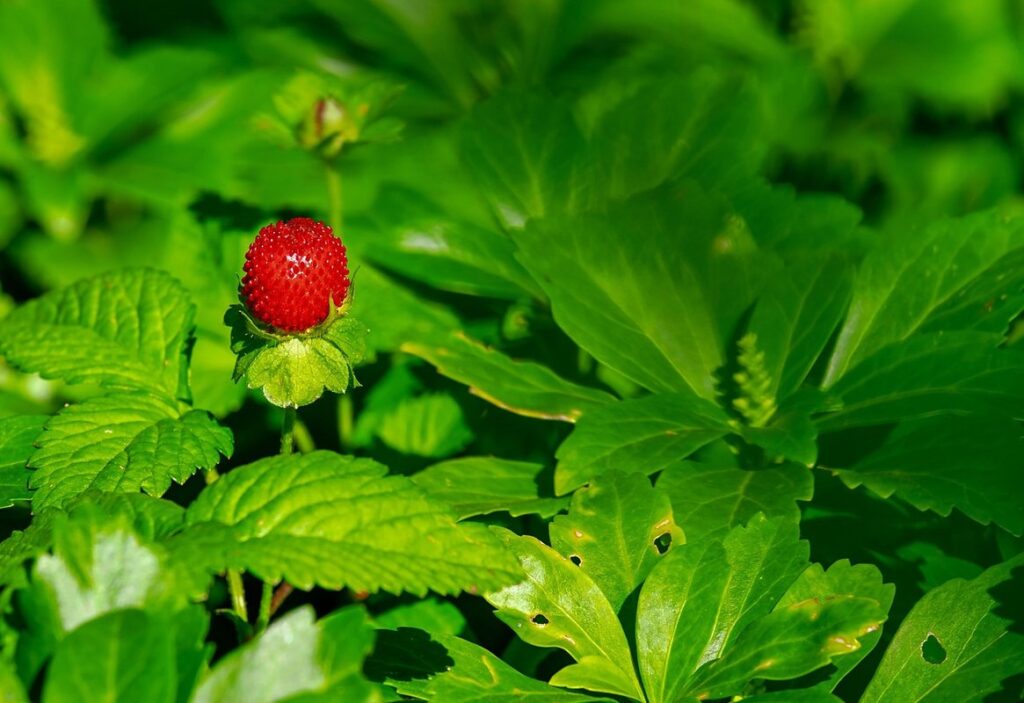
What are Strawberry Runners?
So, you want to know more about strawberry runners and how they work their magic in helping your plants multiply? Let’s dive into what these incredible little stems are all about!
Definition and Purpose of Strawberry Runners
At the heart of strawberry runner propagation is the humble strawberry runner itself. But what exactly are these long stems that grow from established plants? Simply put, strawberry runners are a natural way for strawberries to reproduce and spread. They’re essentially long stems that emerge from the crown of an existing plant, carrying new plants with them.
These runners can grow quite lengthy – sometimes up to 3 feet or more in optimal conditions. As they mature, they develop roots at their tips, forming brand-new strawberry plants. This process is known as “stolons,” where a section of stem from the parent plant breaks off and forms its own root system. It’s an incredibly efficient way for strawberries to multiply and colonize new areas.
The purpose of these runners is multifaceted: they enable easy propagation, allowing you to harvest new plants directly from your existing strawberry patch. This not only saves time but also ensures a higher success rate in establishing healthy, thriving new plants.
Advantages of Using Strawberry Runners for Propagation
One of the most significant advantages of using strawberry runners for propagation is their reliability as a multiplication method. As the mother plant ages, it naturally produces more runners, making this technique an efficient way to increase yields without depleting the parent plant’s resources.
In fact, research has shown that the number of runners produced by a strawberry plant increases significantly with age. For example, one study found that plants producing 10-15 runners were typically around two years old, while those producing over 20 runners were usually three to four years old. This increase in runner production means that you can rely on this method for consistent results.
To make the most of your strawberry runner propagation efforts, consider planting a mix of mature and younger plants together. This will give you an immediate return on investment from the older plants while allowing the younger ones to mature and produce more runners over time.
Choosing the Right Mother Plant
When it comes to strawberry runner propagation, choosing the right mother plant is crucial for a successful outcome. Selecting a healthy and vigorous parent plant will ensure your new runners thrive.
Factors to Consider When Selecting a Mother Plant
When selecting a strawberry mother plant for runner propagation, there are several key factors to consider. The variety of strawberry is crucial, as some varieties are more suitable for runner production than others. For example, ‘Albion’ and ‘Fern’ are popular choices for runner propagation due to their high yields and ease of multiplication.
In addition to variety, the health of the mother plant is also essential. Look for plants with vibrant green leaves and robust growth. Avoid plants with signs of disease or pests, as these can be spread to the newly propagated plants. A healthy mother plant will increase the chances of successful propagation.
Another important factor to consider is the maturity of the mother plant. Select a mature plant that has reached its prime production stage, typically after 6-12 months of growth. This ensures that the plant has developed a strong root system and is producing runners at optimal levels.
How to Identify Healthy Strawberry Plants Suitable for Runners
When selecting mother plants for strawberry runner propagation, it’s crucial to identify those with good growth habits and overall health. This ensures that you’ll be working with robust plants capable of producing high-quality runners.
To begin, inspect the plant’s leaves. Healthy leaves should have a deep green color and be free from signs of disease or pests. Check for any yellowing or wilted leaves, as these can be indicative of underlying issues. Next, examine the plant’s stem. Look for sturdy stems with a good balance between leaf growth and runner production.
When evaluating the overall health of a strawberry plant, consider factors such as its size, vigor, and fruiting ability. Healthy plants typically have a well-established root system, which will enable them to produce robust runners. Avoid selecting plants with sparse or weak roots, as these may struggle to thrive in propagation. By carefully assessing the health and growth habits of your mother plants, you’ll be better equipped to create a successful strawberry runner propagation program.
Preparing the Soil and Environment
Before you start propagating strawberry runners, it’s essential to prepare your soil and environment to give your new plants the best chance of thriving. Here’s how to create a fertile ground for success.
Optimal Conditions for Runner Growth and Development
When it comes to strawberry runner propagation, creating optimal conditions for growth and development is essential. The soil, sunlight, and watering schedule play a crucial role in producing healthy runners.
To begin, ensure the soil has good drainage and a pH level between 5.5 and 6.5. Strawberries prefer slightly acidic to neutral soils, which will encourage root growth and runner production. Mix in compost or well-rotted manure to improve soil fertility and structure.
Next, provide your strawberry plants with sufficient sunlight. A spot that receives direct sunlight for at least six hours a day is ideal. South-facing gardens are perfect for strawberries as they receive full sun throughout the day. If you’re growing in containers, move them to a sunny location during the peak sun hours.
Watering is also vital for runner growth. Keep the soil consistently moist but not waterlogged. Aim to provide about 1-2 inches of water per week, either from rainfall or irrigation. Avoid overwatering, which can lead to root rot and poor plant health. By following these simple steps, you’ll create an environment conducive to optimal strawberry runner growth and development, setting your plants up for success in propagation.
Tips for Improving Soil Quality and Structure
When it comes to strawberry runner propagation, having a well-prepared soil environment is crucial for successful growth. One key aspect of this preparation is adding organic matter to improve soil structure and fertility. By doing so, you’ll be creating an ideal condition for your strawberries to thrive.
Start by incorporating compost or well-rotted manure into the soil. You can either dig it in deeply or mix it with the top layer of soil. A good rule of thumb is to use about 2-3 inches (5-7.5 cm) of organic matter per square foot. This will help to loosen up compacted soil and improve drainage, allowing for better air circulation around your strawberry roots.
Additionally, consider using mulch or straw to retain moisture and suppress weeds. A layer of 1-2 inches (2.5-5 cm) is sufficient, but be sure not to overdo it – too much mulch can lead to reduced fruit production. By implementing these simple yet effective soil-improvement techniques, you’ll set your strawberry runners up for success and enjoy a bountiful harvest.
Propagation Techniques Using Strawberry Runners
Now that you have some strawberry runners growing, it’s time to learn how to multiply them into even more plants using a few simple propagation techniques. We’ll walk through each method in this next section.
Removing Runners from the Mother Plant
When removing runners from the mother plant, it’s essential to do so carefully to avoid damaging the parent plant. This can be a delicate process, but with the right technique, you’ll be able to promote new roots on the cut ends and encourage healthy growth.
To begin, grasp the runner just above the node where it meets the mother plant. Gently twist it counterclockwise until it comes loose. Be cautious not to pull too hard, as this can cause damage to the stem or roots of the parent plant. Once removed, use a clean pair of scissors or pruning shears to trim the runner about an inch above the node.
This will help stimulate new root growth on the cut end and encourage the development of a healthy crown. You can then treat the trimmed ends with rooting hormone to enhance their chances of establishing themselves as new plants. Remember to handle the runners carefully, as they’re highly sensitive, and avoid leaving any debris behind to prevent disease or pest issues.
Creating New Plants from Removed Runners
When you remove strawberry runners from mature plants, they have the potential to establish themselves into new plants surprisingly quickly. In as little as 6-8 weeks, these newly formed plants can develop their roots and start producing their own flowers and fruits.
To encourage this rapid establishment, make sure to plant the runner sections in well-draining soil with a mix of compost or fertilizer. Water them regularly but avoid overwatering, which can lead to root rot and hinder growth. Keep in mind that not all runners will produce healthy new plants – some may have become weakened due to their time on the parent plant.
However, if you’ve chosen strong, vigorous runners, they’ll likely thrive when transplanted into their own pots or directly into the garden. Regularly inspect your runner plants for signs of development and remove any weak or damaged sections to promote healthy growth.
Caring for Strawberry Runner Plants
Now that you’ve successfully propagated your strawberry runners, it’s time to learn how to care for them and keep them thriving. This section will guide you through the essential tips.
Watering and Fertilization Needs of Young Plants
Young strawberry plants require consistent moisture and adequate fertilization to ensure healthy growth. When it comes to watering, be cautious not to overwater as this can lead to root rot and other problems. Check the soil daily, sticking your finger into the dirt up to the first knuckle. If the soil feels dry, it’s time for a drink.
Water gently but thoroughly, making sure the soil is consistently moist during the first few weeks after planting. You can also use a moisture meter to ensure you’re not overwatering or underwatering. Once established, strawberry plants are relatively drought-tolerant and require less frequent watering.
As for fertilization, use a balanced fertilizer (10-10-10 NPK) once a month during the growing season. You can also side-dress with a high-phosphorus fertilizer to promote fruit production. Start fertilizing when your young plants have two sets of leaves, about 1-2 weeks after planting. This will give them a boost and encourage healthy growth and development.
Managing Common Pests and Diseases Affecting Strawberry Runners
As you continue to care for your strawberry runner plants, it’s essential to be aware of common pests and diseases that can impact their health. Identifying these issues early on will help prevent damage not only to the new plants but also to the mother plant itself.
Some common pests affecting strawberry runners include aphids, spider mites, and slugs. Aphids are small, soft-bodied insects that feed on sap, causing curled or distorted leaves. Spider mites, on the other hand, are tiny arachnids that suck plant juices, leading to yellowing leaves and fine webbing. Slugs, which are slimy nocturnal pests, can cause significant damage by eating through plant tissues.
Common diseases affecting strawberry runners include powdery mildew, botrytis, and crown rot. Powdery mildew appears as a white, powdery coating on leaves, while botrytis causes soft, grayish-brown spots on flowers and fruits. Crown rot is a fungal disease that infects the plant’s crown, causing it to rot and eventually kill the plant.
To manage these issues, inspect your plants regularly for signs of pests or diseases. Use organic or chemical controls as needed to prevent infestations from spreading. For example, neem oil can be used to control aphids and spider mites, while copper-based fungicides can help prevent powdery mildew and crown rot.
Troubleshooting Common Issues with Strawberry Runner Propagation
Don’t worry, we’ve all been there – things can go wrong when propagating strawberry runners. This section will walk you through some common issues and their simple solutions to get your propagation back on track.
Identifying Causes of Poor Runner Production or Plant Failure
Poor runner production and plant failure can be frustrating setbacks in strawberry propagation. To address these issues effectively, it’s essential to identify their underlying causes. One common reason for poor runner production is inadequate light. Strawberry plants require a minimum of six hours of direct sunlight per day to produce runners. If your plants are not receiving sufficient light, consider relocating them to a sunnier spot or supplementing with grow lights.
Another potential cause of poor runner production is poor soil quality. Strawberry plants prefer well-draining, slightly acidic soils with a pH between 5.5 and 6.5. Soil with high salt levels or waterlogging can impede root growth and reduce runner production. Regularly test your soil’s pH and nutrient levels to ensure they’re within the optimal range.
Diseases such as powdery mildew, botrytis, and crown rot can also impact runner production. Inspect your plants regularly for signs of disease and take prompt action if you notice any issues.
Solutions for Common Problems Affecting Strawberry Runners
One of the most frustrating problems you might encounter with strawberry runner propagation is poor root development. This can be caused by inadequate moisture, high temperatures, or poor soil quality. To address this issue, ensure that your strawberry runners are receiving consistent watering, especially during their initial stages of growth.
Another common problem is crown rot, which occurs when the plant’s crown (where the stem meets the roots) becomes waterlogged and susceptible to fungal infections. To prevent this, make sure your strawberry runners have good air circulation around them and avoid overwatering.
Infrequent or erratic watering can also lead to weak and scrawny new plants. Aim for a consistent moisture level, but allow the top inch of soil to dry out slightly between waterings. Regularly inspect your plants for signs of stress or nutrient deficiencies, such as yellowing leaves or stunted growth. Address these issues promptly by adjusting your care routine accordingly.
To promote healthy root development and prevent common problems, plant your strawberry runners in a well-draining mix specifically designed for strawberries.
Tips for Large-Scale Strawberry Runner Propagation
When propagating strawberry runners on a larger scale, it’s essential to follow specific tips to ensure healthy and productive new plants. Here are some key considerations to keep in mind.
Scaling Up Strawberry Runner Production
When it comes to scaling up strawberry runner production, careful selection and pruning of mother plants is crucial. This process may seem daunting at first, but with the right approach, you can maximize the number of healthy runners produced. Start by inspecting your mother plants regularly to identify those that produce the most vigorous and robust growth. These are the ones you’ll want to focus on for runner production.
To encourage more runners, prune your selected mother plants back to about two-thirds of their height after harvest. This will redirect the plant’s energy towards producing new stems and roots. Next, remove any weak or damaged foliage, as this can help prevent disease and promote healthy growth. Make sure to leave a few sets of leaves intact to allow the plant to photosynthesize.
By implementing these strategies, you should see an increase in runner production within 4-6 weeks. Remember to keep your plants consistently watered and fertilized throughout the growing season to ensure optimal health and vigor. With attention to detail and a bit of patience, you can successfully scale up strawberry runner production for large-scale propagation.
Strategies for Efficient Use of Resources in Commercial Settings
In commercial settings, efficient use of resources is crucial to ensure high yields and maximum profits. When it comes to strawberry runner propagation, employing strategies that optimize resource allocation can make a significant difference. Here are some practical approaches to help you achieve this:
Implementing a well-planned layout is essential in maximizing space utilization. Strategically arrange your mother plants and daughter runners to minimize gaps and ensure even growth. Consider using a grid system or alternating patterns to facilitate easy access for maintenance tasks.
Another key strategy is selecting high-yielding varieties that are suitable for commercial production. Research different cultivars and choose those with proven track records of high productivity, disease resistance, and adaptability to your specific climate. This will help you optimize resource allocation by minimizing the need for additional care and management.
Monitoring and controlling factors like temperature, humidity, and light exposure can also have a substantial impact on yield. Implement automated systems or regular manual checks to maintain optimal growing conditions. This might include using shade cloth to regulate light intensity or installing ventilation systems to control humidity levels.
By implementing these strategies, you’ll be able to optimize your resource usage, reduce waste, and increase overall efficiency in your commercial strawberry runner propagation operation.
Frequently Asked Questions
Can I propagate strawberries indoors, or do they require direct sunlight?
While strawberry runners can be propagated indoors with proper care, they generally prefer full sun to produce well. If you’re propagating indoors, make sure your plants receive at least 4-6 hours of direct sunlight daily, and consider supplementing with grow lights if necessary.
How long does it take for strawberry runner plants to mature after propagation?
The time frame varies depending on factors like soil quality, climate, and watering habits. However, under optimal conditions, you can expect strawberry runner plants to produce flowers within 60-90 days of propagation. Be patient, as some varieties may take longer than others.
Can I propagate strawberries from runners that have already produced fruit?
Yes, you can still propagate strawberries from runners even if they’ve produced fruit before. In fact, this method is ideal for preserving your favorite strawberry varieties and preventing the loss of genetic material through repeated propagation.
Do I need to fertilize newly propagated strawberry runner plants regularly?
Newly propagated strawberry runner plants require regular fertilization to promote healthy growth and development. Use a balanced fertilizer (10-10-10 NPK) during the growing season, following the manufacturer’s instructions for application rates. This will help ensure your young plants receive essential nutrients.
How do I store strawberry runners over winter if I’m propagating in areas with harsh winters?
If you live in an area with extreme cold or wet winters, it’s best to harvest and store strawberry runners during dormancy (October-November). Store them in a cool, dry place or propagate them indoors, keeping the soil consistently moist but not waterlogged. This will help prevent damage from freezing temperatures and ensure successful propagation come springtime.