
As a strawberry grower, there’s nothing more frustrating than seeing your hard work ruined by pesky pests. Aphids, whiteflies, and spider mites are just a few common culprits that can decimate your strawberry crops if left unchecked. Identifying these pests early on is crucial to preventing damage and ensuring a healthy harvest. But with so many different types of pests to contend with, it’s easy to get overwhelmed and unsure of where to start.
In this article, we’ll take the mystery out of strawberry pest identification by breaking down some of the most common culprits. We’ll cover what they look like, how to spot them, and most importantly, effective control methods to keep them at bay. By the end of it, you’ll be equipped with the knowledge you need to protect your strawberries from these pesky pests and enjoy a thriving crop all season long.
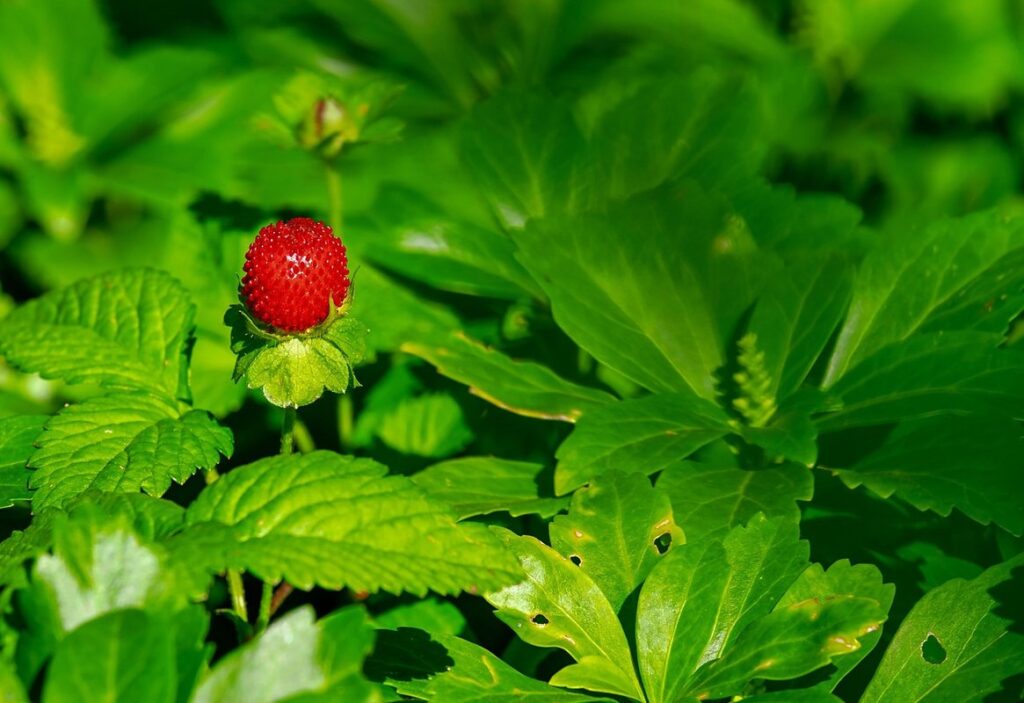
Understanding Common Strawberry Pests
Let’s get into some of the most common strawberry pests you’ll encounter, including aphids and spider mites that can cause significant damage to your plants.
Types of Strawberry Pest Infestations
Aphids, whiteflies, and spider mites are among the most common types of strawberry pest infestations that farmers and gardeners face. These tiny insects can cause significant damage to strawberry plants, reducing yields and affecting fruit quality.
Aphids are small, soft-bodied insects that feed on plant sap, causing curled or distorted leaves. They can also transmit plant viruses, such as the Strawberry Virus X. Whiteflies, on the other hand, are flying insects that feed on plant sap, secrete a sticky substance called honeydew, and often leave behind eggs on leaf surfaces. Spider mites, microscopic arachnids, feed on plant sap, causing yellowing or bronzing of leaves.
These pests can be managed through integrated pest management (IPM) techniques, including introducing beneficial insects, practicing good sanitation, and using targeted pesticides. For example, ladybugs are natural predators of aphids and can be introduced to infested areas. Regularly inspecting strawberry plants and removing weeds, debris, and infested leaves can also help prevent the spread of these pests.
It’s essential to monitor your strawberry patch regularly for signs of pest infestation and take action promptly to prevent widespread damage.
Signs of Strawberry Pest Infestation
Identifying signs of strawberry pest infestation is crucial for effective management and prevention. One way to detect pests is by observing unusual growth patterns on plants. For example, if you notice leaves that are distorted, curled, or stunted, it could be a sign of aphid, whitefly, or spider mite infestation. These pests feed on plant sap, causing the plant to grow irregularly.
Another common sign of pest infestation is holes in leaves, which can be caused by beetles, caterpillars, or slugs. If you notice round or oval-shaped holes with jagged edges, it’s likely an aphid or a beetle. Similarly, if you see long, thin holes along the leaf veins, it could be a sign of spider mite infestation.
Sticky honeydew on plants is another indication of pest infestation, particularly by aphids and whiteflies. Honeydew can attract other pests like ants and bees, creating a complex infestation issue. Regularly inspect your strawberry plants for these signs to catch the problem early and prevent further damage.
Aphid Identification and Control
Now that you know how to identify aphids, let’s dive into what they look like and how to control these pesky insects on your strawberry plants.
Identifying Aphid Species on Strawberries
When it comes to aphids on strawberries, there are several species to be aware of. One of the most common types is the green peach aphid (Myzus persicae). These small, soft-bodied insects feed on the sap of strawberry plants, weakening them and leaving behind a sticky substance known as honeydew that can attract other pests. Green peach aphids are often found in colonies on the undersides of leaves or on the stems.
Another type of aphid to watch out for is the rose aphid (Macrosiphum rosae). While they typically infest roses, rose aphids can also be found on strawberries, particularly in regions where both plants are commonly grown. Rose aphids have a more elongated body shape compared to green peach aphids and tend to cluster on new growth.
To accurately identify aphids on your strawberry plants, inspect them regularly for the presence of these insects, paying attention to their color, size, and behavior. If you notice any colonies or individual aphids, take action promptly to prevent further damage to your plants.
Managing Aphid Populations on Strawberry Plants
Managing aphid populations on strawberry plants requires a multi-faceted approach that considers both chemical and organic methods. Introducing natural predators such as lady beetles or lacewings can provide effective long-term control, but this may not be feasible for larger farms.
In cases where natural predators aren’t an option, insecticidal soap is a gentle yet potent solution to repel aphids. Mix 1-2 tablespoons of mild dish soap with 1 gallon of water and spray it on infested plants during early morning or evening hours when the sun’s intensity is low. However, this method may require repeated applications.
Crop rotation strategies can also help manage aphid populations by breaking their life cycle. Plant a non-host crop like corn or beans between strawberry patches to disrupt the aphids’ feeding and breeding habits. Additionally, consider integrating companion planting with basil, garlic, or marigold, which have natural properties that repel aphids.
It’s essential to monitor your plants regularly for signs of infestation and act promptly to prevent damage from spreading.
Whitefly Identification and Prevention
To effectively manage strawberry pests, it’s essential to identify whiteflies, which can be recognized by their tiny, flying insects that feed on plant sap. Let’s learn how to spot them.
Recognizing Whiteflies on Strawberry Plants
When inspecting your strawberry plants for whiteflies, it’s essential to know what you’re looking for. These tiny insects are a common pest that can cause significant damage to your crop if left unchecked. Whiteflies have a distinctive flying pattern, often described as a rapid, fluttering motion. This is due to their unique wing structure, which allows them to beat their wings up to 80 times per second.
One of the most reliable ways to identify whiteflies on strawberry plants is by examining their wing markings. Adult whiteflies typically have two pairs of transparent wings with distinctive dark veins or spots. The hindwings often have a characteristic “Y” shape formed by the intersection of two veins. To get a closer look, gently remove any affected leaves and inspect them under a magnifying glass.
By paying attention to these identifying features, you can effectively detect whiteflies on your strawberry plants before they cause significant harm. Regularly inspecting your crops will also help prevent infestations from getting out of control.
Preventing Whitefly Infestations in Strawberries
When it comes to preventing whitefly infestations in strawberries, taking proactive measures can go a long way. Whiteflies are notorious for spreading diseases like tomato spotted wilt virus and impatiens necrotic spot virus, which can devastate your strawberry crop.
To minimize the risk of infestation, consider using row covers on your strawberry plants. These lightweight, porous fabrics allow sunlight and water to reach the plants while keeping insects at bay. Apply them as soon as you plant strawberries in the spring or during peak whitefly seasons.
Another effective method is introducing beneficial nematodes into the soil around your strawberry plants. These microscopic worms attack and kill whitefly larvae before they can develop, thus preventing infestations from occurring in the first place.
Keep in mind that nematodes are most effective when applied at the right temperature and moisture levels. Typically, this means applying them during spring or fall when the soil is cool and moist.
Remember to choose a nematode species specifically designed for controlling whiteflies, such as Steinernema feltiae. By implementing these preventative measures, you can significantly reduce the risk of whitefly infestations in your strawberry plants.
Spider Mite Identification and Control
Spider mites are a common pest that can cause significant damage to strawberry plants, so it’s essential to be able to identify them. Learn how to recognize the signs of spider mite infestations and control their spread in your garden.
Identifying Spider Mites on Strawberry Plants
When inspecting your strawberry plants for spider mites, keep an eye out for characteristic webbing patterns and distinctive egg sacs. These tiny pests are notorious for their ability to spin fine webs on the underside of leaves, which can be a giveaway sign of infestation.
To identify spider mite egg sacs, look for small, white or yellowish ovoid structures attached to the stems or undersides of leaves. These sacs contain up to 20 eggs each and are usually found in areas with high humidity and temperature fluctuations. Under magnification, you may also notice a fine webbing pattern on the leaves, which can appear as a light speckling or frost.
When checking for spider mites themselves, examine the undersides of leaves closely, as they tend to congregate in these areas. You might spot tiny moving dots, usually around 1/16 inch long, with distinctive red spots on their abdomens. Look for fine webbing and egg sacs near the stems or leaf nodes – these are likely signs that spider mites have infested your strawberry plants.
Keep in mind that early detection is crucial to preventing severe damage from these pests.
Managing Spider Mite Populations in Strawberries
Managing spider mite populations in strawberries effectively requires a multi-faceted approach. One of the most common methods is using miticides, which are chemical substances specifically designed to target and kill these pests. However, it’s essential to use them judiciously, as overuse can harm beneficial insects and leave residues on the fruit.
A more sustainable option is introducing natural predators that feed on spider mites. These include lady beetles, lacewings, and predatory mites, which can be released into the field or encouraged by creating a welcoming environment with plants that attract them. Encourage these beneficial insects by providing shelter, food, and water sources.
For instance, releasing lady beetles in the spring can help control spider mite populations before they reach infestation levels. Similarly, planting flowers like marigolds or dill near strawberry patches can attract lacewings, which then feed on spider mites. By adopting these methods, farmers can maintain a balanced ecosystem and reduce the need for chemical pesticides.
Regular monitoring is crucial to detecting early signs of spider mite infestations and implementing control measures promptly. Keep an eye out for telltale webbing on leaves or fruit, and check for actual mites by inspecting the underside of leaves with a hand lens.
Other Common Strawberry Pests
Besides aphids and spider mites, several other pests can harm your strawberry plants, causing damage to leaves, flowers, and fruit. Let’s explore some of these common culprits together.
Identifying Thrips on Strawberry Plants
Identifying thrips on strawberry plants can be a challenge due to their tiny size. These pests are among the smallest insects that infest strawberry crops, measuring only about 1-2 millimeters in length. To spot them, look for tiny white or yellowish threads of cottony material on the undersides of leaves and along the stems. This is actually the thrips’ saliva, which they inject into plant tissues as they feed.
One distinctive feature of thrips is their wing pattern – some species have a distinctive ‘Y’-shaped mark on their wings. However, this can be difficult to spot with the naked eye. When inspecting your strawberry plants for thrips, use a magnifying glass or hand lens to get a closer look at any potential pests.
Keep in mind that thrips are most active during warm weather and tend to congregate on flowers and developing fruit. Regularly inspecting your strawberry plants for signs of thrip infestation can help prevent damage and promote healthy growth.
Managing Caterpillar Infestations in Strawberries
Caterpillar infestations can be a significant problem for strawberry growers, as these pests can quickly damage leaves and flowers, reducing fruit quality and yield. To manage caterpillar infestations effectively, it’s essential to understand the lifecycle of these pests and choose control methods that are environmentally friendly.
One effective method is using Bt toxin (Bacillus thuringiensis), a naturally occurring bacterium that produces proteins toxic to certain insect species, including caterpillars. This biological pesticide can be applied as a foliar spray or incorporated into the soil to prevent infestations. However, it’s crucial to note that repeated use of Bt toxin can lead to resistance in pest populations.
Another approach is introducing natural predators, such as parasitic wasps (Trichogramma spp.) that specifically target caterpillars. These beneficial insects can be introduced to the field through biological control programs or purchased from suppliers. By understanding the specific pests and their lifecycle, growers can make informed decisions about which control methods to use and when to apply them, minimizing damage to strawberries while maintaining ecosystem balance.
Biological Control Methods for Strawberry Pests
When it comes to managing strawberry pests, biological control methods can be a game-changer, and we’ll explore these eco-friendly alternatives in the next few paragraphs.
Introduction to Beneficial Insects
When it comes to controlling pest populations on strawberry crops, many growers overlook a crucial component of integrated pest management (IPM): beneficial insects. These tiny heroes play a vital role in maintaining ecological balance and reducing the need for chemical pesticides. Beneficial insects, such as ladybugs and lacewings, feed on pests that can damage your strawberries, thereby keeping their populations under control.
Ladybugs, for instance, are notorious aphid predators. One ladybug can consume up to 60 aphids per day, making them a valuable asset in managing aphid infestations. Lacewings, on the other hand, are known to feed on whiteflies and other small insects that can harm your strawberries. By introducing these beneficial insects into your strawberry field or greenhouse, you can significantly reduce pesticide usage and promote a healthier ecosystem.
To introduce beneficial insects into your strawberry crop, research which species are best suited for your region and climate. Consider the specific pests you’re trying to control and choose beneficial insects that specialize in targeting those pests. By incorporating these tiny natural predators into your IPM strategy, you’ll be taking a significant step towards reducing pest pressure on your strawberry crops while promoting ecological balance.
Using Nematodes to Manage Pests in Strawberries
When it comes to managing pest populations on strawberry farms, biological control methods are becoming increasingly popular. One effective method is using nematodes, microscopic worms that prey on pests and can be a game-changer for strawberry growers.
Nematodes are particularly effective against certain species of pests, such as root-knot nematodes (Meloidogyne spp.) and lesion nematodes (Pratylenchus spp.), which can cause significant damage to strawberry plants. These nematodes secrete toxins that kill the pest’s nervous system, ultimately leading to their demise.
To use nematodes effectively, it’s essential to choose the right type of nematode for your specific pest problem. For example, Heterorhabditis bacteriophora is a popular species for managing root-knot nematodes, while Steinernema feltiae is effective against aphids and whiteflies.
Before applying nematodes, make sure to follow proper application procedures, including mixing them with water according to the manufacturer’s instructions and applying them at the right time of day. Regular monitoring of your strawberry plants will also help you determine if the nematode treatment is working effectively.
Integrated Pest Management Strategies for Strawberry Farms
To effectively manage strawberry pests, you’ll need to implement a multi-faceted approach that considers soil health, crop rotation, and biological controls to minimize chemical usage. This section outlines key strategies for integrated pest management on your farm.
Understanding IPM Principles for Strawberries
When it comes to managing pests on strawberry farms, adopting an integrated pest management (IPM) approach is crucial for long-term sustainability and profitability. IPM principles aim to minimize harm to the environment while maintaining healthy crops. For strawberry farmers, this means considering a holistic strategy that incorporates physical, cultural, biological, and chemical controls.
At its core, IPM involves monitoring pest populations regularly to determine if control measures are necessary. This can be achieved through visual inspections or using sticky traps to monitor for common pests like aphids and spider mites. Farmers should also maintain detailed records of weather patterns, soil health, and crop growth stages to make informed decisions about pest management.
Effective IPM strategies for strawberries prioritize preventive measures such as maintaining a balanced ecosystem by introducing beneficial insects like ladybugs and lacewings. These natural predators can help regulate pest populations without the need for chemical pesticides. Additionally, using row covers or fine-mesh screens can prevent pests from reaching the plants in the first place. By adopting an IPM mindset and leveraging these strategies, strawberry farmers can significantly reduce their reliance on chemical controls and promote a healthier, more resilient crop.
Implementing IPM Practices on Strawberry Farms
Implementing Integrated Pest Management (IPM) practices on strawberry farms is crucial for effective pest control and minimizing harm to the environment. To start with IPM, farmers should first identify their specific pests and monitor them regularly. This involves setting up pheromone traps or sticky traps to capture insects, observing for signs of damage, and monitoring for beneficial insects that prey on pests.
Cultural controls are a vital aspect of IPM. These include using resistant varieties, pruning strawberries to improve air circulation, and avoiding overwatering which can attract pests. Farmers should also maintain a field journal to record pest populations, weather patterns, and control methods used. This helps in making informed decisions for future pest management.
For instance, a study on California strawberry farms found that implementing IPM practices led to a significant reduction in pesticide use by 70%. By combining cultural controls with monitoring, farmers can create an effective IPM plan tailored to their specific farm conditions. Remember, IPM is not a one-time solution but rather an ongoing process requiring continuous evaluation and adjustments.
Frequently Asked Questions
How do I identify the type of pest infestation on my strawberry plants?
When dealing with a large number of pests, it can be challenging to determine which species you’re dealing with. To narrow down your options, focus on identifying the primary symptoms and characteristics mentioned in this article. For example, if you notice curled or distorted leaves, aphids may be the culprit. If you see tiny moving dots on the underside of leaves, spider mites could be present. Consult a field guide or contact a local gardening expert for further assistance.
What are some early signs that my strawberry plants are infested with pests?
Pest infestations often begin with subtle symptoms that can be easy to overlook. Keep an eye out for minor distortions in leaf growth, sticky honeydew residue on leaves, or actual insects on the plant. Regularly inspect your plants and address any issues promptly to prevent pest populations from growing.
Can I use the same control methods for all types of strawberry pests?
While some control methods may be effective against multiple pest species, they are not a one-size-fits-all solution. Different pests have varying levels of resistance to certain treatments, and using the wrong method can lead to further complications or even harm your plants. Always research specific recommendations for the type of pest you’re dealing with.
How often should I check my strawberry plants for pest infestations?
Regular inspections are crucial in preventing pest populations from getting out of control. Aim to inspect your plants at least once a week, paying close attention to areas where pests tend to congregate, such as the underside of leaves or around flower clusters. Early detection allows you to take swift action and minimize damage.
Can I use beneficial insects to control pests on my strawberry plants?
Beneficial insects, like ladybugs or lacewings, can be an effective natural solution for managing pest populations. These insects prey upon specific pest species, helping maintain a balance in your garden ecosystem. However, introducing beneficial insects requires careful planning and consideration of the local environment. Always research which types of beneficial insects are suitable for your region and strawberry variety.