
Strawberry gardening can be a delightful experience, but achieving a bountiful harvest requires more than just love and care. A well-nourished strawberry plant is essential for its growth, flavor, and yield. However, with so many fertilizers available in the market, choosing the right one for your strawberries can be overwhelming.
In this comprehensive guide on strawberry fertilizer, we’ll walk you through the process of creating a lush strawberry harvest. We’ll cover the importance of soil preparation, how to choose the right fertilizer for your plants, and tips on monitoring nutrient levels. By the end of this article, you’ll have a clear understanding of what your strawberries need to thrive. With our expert advice, you can say goodbye to mediocre harvests and hello to plump, juicy strawberries all season long!
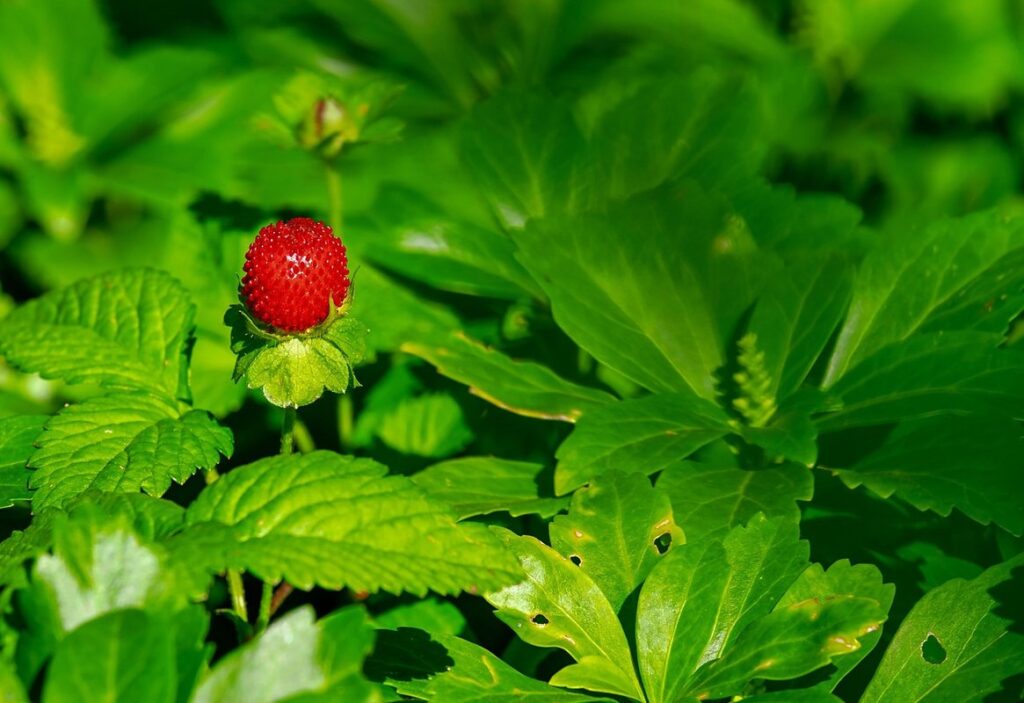
Understanding Your Strawberry Plants’ Nutritional Needs
To grow luscious and healthy strawberry plants, it’s essential that you understand their specific nutritional needs. This includes identifying the key macronutrients and micronutrients they require to thrive.
Macronutrients for Optimal Growth
When it comes to optimal growth, strawberry plants require six essential macronutrients: nitrogen (N), phosphorus (P), potassium (K), calcium (Ca), magnesium (Mg), and sulfur (S). These nutrients play critical roles in various aspects of plant development.
Nitrogen (N) is crucial for leaf growth and green color. It’s often the most limiting nutrient, especially during fruiting stages. Apply a balanced fertilizer that provides 10-20% nitrogen content. For example, a 5-10-5 NPK ratio fertilizer will provide 1/3 of its content as nitrogen.
Phosphorus (P) promotes root development and flower formation. It’s essential for the plant’s reproductive stage. A 10-20-10 NPK ratio fertilizer will offer sufficient phosphorus for optimal growth.
Potassium (K) is vital for overall plant health, including resistance to diseases and pests. It also enhances water uptake and transport within the plant. Aim for a balanced fertilizer with a potassium content of at least 5%.
Calcium (Ca), magnesium (Mg), and sulfur (S) are often overlooked but play critical roles in various processes. Calcium strengthens cell walls and promotes root growth, while magnesium supports photosynthesis and energy production. Sulfur enhances plant resistance to disease.
Ensure your strawberry plants receive a balanced fertilizer mix with optimal ratios of NPK and additional micronutrients for overall health. This will help your plants grow strong and productive, ultimately leading to a bountiful harvest.
Micronutrients and Other Essential Elements
Micronutrients play a vital role in maintaining strawberry plant health. While macronutrients like nitrogen (N), phosphorus (P), and potassium (K) are often the focus of fertilization efforts, micronutrients such as iron (Fe), zinc (Zn), copper (Cu), manganese (Mn), boron (B), molybdenum (Mo), chlorine (Cl), and sodium (Na) are equally crucial. These elements may seem less significant, but deficiencies can manifest in various ways.
Iron deficiency, for example, will cause interveinal chlorosis – yellowing leaves between veins while copper deficiency results in stunted growth or poor fruit set. Zinc and manganese are essential for cell wall development and protein synthesis, respectively, making them vital components of healthy strawberry plants. Boron is another key player, promoting the uptake of other nutrients and facilitating seed production.
If you suspect a micronutrient deficiency, analyze your soil test results to determine which elements need supplementation. Then, apply targeted fertilizers or adjust your fertilizer program accordingly. For instance, applying an iron-rich fertilizer can counteract yellowing leaves caused by iron deficiency.
Choosing the Right Fertilizer for Your Strawberries
With so many fertilizers on the market, it can be overwhelming to choose the right one for your strawberry plants. We’ll break down what you need to know to make an informed decision.
Organic vs. Synthetic Fertilizers
When it comes to choosing the right fertilizer for your strawberries, you’re likely wondering whether to opt for organic or synthetic options. Both types have their advantages and disadvantages, which we’ll break down below.
Organic fertilizers are derived from natural sources like animal waste, compost, or green manure. They tend to be more expensive than synthetic alternatives but offer several benefits. For one, they promote soil health by introducing beneficial microorganisms that help break down nutrients. This can lead to improved soil structure and fertility over time. Organic fertilizers also have a lower environmental impact since they’re biodegradable and don’t contribute to water pollution.
On the other hand, synthetic fertilizers are often cheaper but come with their own set of drawbacks. They release nutrients quickly, which can lead to over-fertilization and damage to soil ecosystems. Synthetic fertilizers also contain chemicals that can contaminate water sources and harm beneficial microorganisms in the soil.
So how do you decide between organic and synthetic fertilizers? Consider your specific growing conditions: if you’re dealing with poor soil health or want a long-term solution, organic might be the better choice. However, if you need a quick fix to jumpstart your strawberry plants’ growth, synthetic could work in the short term.
Understanding Fertilizer Labels and Ratings
When it comes to selecting the right fertilizer for your strawberries, deciphering the labels and ratings can be overwhelming. But don’t worry, we’ve got you covered.
Start by understanding the N-P-K ratings on the label. This stands for Nitrogen-Phosphorus-Potassium, and it indicates the percentage of each nutrient in the fertilizer. A balanced fertilizer typically has a ratio like 10-10-10 (nitrogen-phosphorus-potassium). For strawberries, look for a higher phosphorus content to promote fruiting.
Next, take note of the ingredient listings. Organic fertilizers may list specific ingredients like bone meal or fish emulsion, while synthetic options will list chemical names. Check if the fertilizer contains any additives that might harm your plants.
When it comes to claims like “slow-release” or “water-soluble,” consider how they align with your growing style. Slow-release fertilizers provide a steady supply of nutrients over time, ideal for continuous cropping. Water-soluble formulas are better suited for frequent watering and can be used as a foliar spray.
To make an informed decision, check the label for any certifications like OMRI (Organic Materials Review Institute) or OMRI-Listed. These ensure that the product meets organic standards.
Preparing Your Soil for Fertilization
Before you start fertilizing your strawberry plants, it’s essential to prepare the soil by loosening and aerating the top 6-8 inches of soil to allow roots to grow freely. This simple step will make a big difference in your harvest.
Soils with Low pH Levels
When it comes to growing delicious strawberries, maintaining optimal soil pH levels is crucial. The ideal pH range for strawberry plants is between 5.5 and 6.5. If your soil’s pH level falls below this range, it can impact the availability of essential nutrients for your plants.
Low-pH soils (acidic) can lead to micronutrient deficiencies, particularly in iron, manganese, and boron, which are vital for healthy plant growth. On the other hand, high-pH soils (alkaline) can cause macronutrient imbalances, such as excessive nitrogen levels. This can result in weak and stunted plants.
To adjust your soil’s pH, you’ll need to use either lime or sulfur products. Lime is used to raise the pH level by adding calcium or magnesium to neutralize acidity. Sulfur, on the other hand, lowers the pH level by releasing hydrogen ions. It’s essential to choose a product suitable for your specific soil type and adjust the amount according to the manufacturer’s instructions.
When applying lime or sulfur products, make sure to follow these tips: apply them in the spring or fall when the plant is dormant, mix it well with the top 6-8 inches of soil, and avoid over-applying which can cause more harm than good. By maintaining optimal soil pH levels, you’ll be giving your strawberry plants the best chance at a bountiful harvest.
Incorporating Compost and Other Organic Matter
Adding compost and other organic matter to your soil is one of the most effective ways to improve its fertility and structure. These amendments not only provide essential nutrients but also help retain moisture and support beneficial microbial life, creating a thriving environment for your strawberries.
Compost, made from decomposed plant materials, can increase the overall nutrient content in your soil by up to 20%. Rich in humus, compost acts as a sponge, absorbing excess water and releasing it slowly as needed, reducing the need for frequent watering. Furthermore, compost is teeming with beneficial microbes that help break down complex nutrients, making them available to your plants.
Other organic matter like manure from herbivores can also bring unique benefits. For example, cow manure is high in nitrogen, phosphorus, and potassium, while chicken manure has a higher concentration of potassium and magnesium. Mixing 1-2 inches of compost or other organic matter into the top layer of your soil before planting will give your strawberries an instant boost.
Regular application of compost or other organic amendments can also improve the overall structure of your soil, making it more porous and better drained. This not only reduces waterlogging but also encourages healthy root growth and promotes a diverse microbial community.
Fertilizing Your Strawberry Plants
When it comes to fertilizing your strawberry plants, getting the right balance of nutrients is crucial for optimal growth and a bountiful harvest. We’ll show you how to do just that in this section.
Timing and Frequency of Applications
When it comes to fertilizing your strawberry plants, timing and frequency are crucial. As they progress through their growth cycle, they require different levels of nutrients to thrive.
During the planting stage, strawberries need a balanced fertilizer to establish a strong root system. You can apply a starter fertilizer (5-10-10 NPK) at planting time, following the manufacturer’s instructions for dilution rates and application amounts. As the plants begin to fruit set, switch to a bloom-boosting fertilizer (such as 15-30-15 NPK) to promote flowering.
To avoid over-fertilization or under-fertilization, monitor your plant’s response closely. Typically, strawberries require about 1-2 pounds of fertilizer per 100 square feet during the growing season. However, this may vary depending on factors like soil type, climate, and specific variety.
For optimal results, fertilize strawberry plants when they are in the fruiting stage (about 30-40 days after planting). Apply a balanced fertilizer at half the recommended rate to avoid burning the roots. Repeat this process every two weeks until harvesting begins, gradually increasing the application rates as needed.
Application Methods: Top-Dressing, Soil Injection, and More
When it comes to fertilizing your strawberry plants, the application method you choose can significantly impact their growth and productivity. There are several methods to consider, each with its own advantages and limitations.
Top-dressing is a common approach where fertilizer is applied directly on top of the soil surface. This method is easy to implement, but it can be wasteful if not done correctly. To avoid over-fertilization, apply a thin layer of fertilizer around the plant’s base, making sure not to get any on the leaves or crown.
Soil injection involves injecting fertilizers into the soil using specialized equipment. This method provides precise control over nutrient delivery and can help prevent over-fertilization. However, it requires significant upfront investment in equipment and may not be feasible for small-scale growers.
Foliar sprays, on the other hand, involve applying fertilizer directly to the plant’s leaves. This method is ideal for correcting micronutrient deficiencies and providing a quick boost of nutrients. Drip irrigation systems can also be used to deliver fertilizers directly to the roots, reducing waste and runoff.
When choosing an application method, consider factors such as your budget, soil type, and plant growth stage. It’s essential to follow the recommended application rates and timing for each fertilizer product to avoid over-fertilization and ensure optimal plant health.
Monitoring and Adjusting Your Fertilization Strategy
Now that you’ve applied your initial fertilization strategy, it’s time to monitor its effectiveness and make adjustments as needed for optimal strawberry growth. This involves regularly checking pH levels and nutrient uptake.
Measuring Soil Nutrient Levels
Measuring soil nutrient levels is crucial to ensuring that your strawberries receive the right balance of nutrients. Regular soil testing allows you to monitor these levels and adjust your fertilization strategy accordingly. This is because over-fertilizing can be just as detrimental as under-fertilizing, leading to nutrient imbalances that can impact fruit quality and plant health.
To get started, collect a soil sample from different areas of your strawberry patch, typically 6-8 inches deep. Send the samples to a reputable lab for analysis. When interpreting test results, look for pH levels between 5.5 and 6.5, as strawberries prefer slightly acidic conditions. Optimal levels of nitrogen (N), phosphorus (P), and potassium (K) are also essential: N should be around 100-150 ppm, P around 50-75 ppm, and K around 150-200 ppm.
Keep in mind that test results may vary depending on your soil type and local climate. Be sure to consult with a gardening expert or extension service for guidance specific to your region. With regular testing and adjustments, you’ll be able to create an optimal fertilization plan tailored to your strawberry patch’s unique needs.
Addressing Common Pests and Diseases
As you monitor your strawberry plants’ health, it’s essential to be aware of common pests and diseases that can compromise their growth. Aphids, spider mites, and Japanese beetles are among the most prevalent pests affecting strawberries. These insects feed on sap, causing curled or distorted leaves, and can spread plant viruses.
Powdery mildew and botrytis are two significant fungal diseases strawberry growers face. Powdery mildew appears as a white, powdery coating on leaves and stems, while botrytis causes grayish-brown rot on fruit and crown tissue. To prevent these issues, incorporate integrated pest management (IPM) strategies into your fertilization plan.
Fertilize with balanced N-P-K ratios to promote healthy plant growth, making it less susceptible to pests and diseases. Additionally, maintain optimal soil pH levels, between 5.5 and 6.5 for strawberries. Regularly inspect your plants for signs of infestation or disease, and take prompt action if necessary. For example, use neem oil or insecticidal soap to control aphids, while fungicides like copper can help manage fungal infections.
Harvest Time: Maximizing Flavor and Yield
Now that you’ve got your strawberry plants thriving, it’s time to think about when and how to harvest them for maximum flavor and yield. The right timing can make all the difference in a bountiful crop.
Post-Harvest Care for Healthy Plants
Now that you’ve enjoyed your bountiful strawberry harvest, it’s time to ensure your plants continue to thrive. Proper post-harvest care is crucial for maintaining healthy and productive plants. First, prune your strawberries to maintain shape and promote new growth. Remove any weak or damaged canes, and cut back the tips of the remaining stems to encourage branching.
Mulch around your strawberry bed to retain moisture and suppress weeds. This will also help regulate soil temperature, keeping it cooler in summer and warmer in winter. Provide support for your plants by installing a trellis or stake them up to keep them upright.
Allowing some plants to go unharvested is essential for seed production and plant propagation. These plants will focus their energy on producing seeds instead of fruits, ensuring the continuation of your strawberry crop. By leaving a few plants untouched, you’ll be able to collect seeds for sowing next season or propagate new plants through division. This simple step will save you time and money in the long run by maintaining a continuous supply of healthy strawberry plants.
Tips for Improving Fruit Quality and Flavor
Proper fertilization is key to enhancing fruit quality and flavor. To achieve superior taste, it’s essential to manage nutrient deficiencies and adjust soil pH levels. For instance, strawberries require a slightly acidic soil pH between 5.5 and 6.5. Maintaining this optimal range will prevent nutrient deficiencies that can affect the flavor of your harvest.
To optimize fertilization practices, apply a balanced fertilizer with a ratio of 10-10-10 (nitrogen-phosphorus-potassium) during early spring or fall. This will provide essential nutrients for fruit development and flowering. Additionally, consider applying a potassium-rich fertilizer to promote overall plant health and flavor. For example, a potassium sulfate fertilizer can be applied in the summer when strawberries are producing flowers.
Regular soil testing is also crucial to identify potential nutrient deficiencies. Test your soil at least once a year to determine its pH level and adjust accordingly.
Frequently Asked Questions
What if I have limited space for strawberries? Can I still use a balanced fertilizer?
Yes, you can still use a balanced fertilizer even with limited space. However, consider the N-P-K ratio (e.g., 10-10-10) and choose a formula that’s specifically designed for container gardens or small spaces. This will help prevent over-fertilization and promote healthy growth.
How do I monitor nutrient levels in my soil without specialized equipment?
You can use a DIY kit or purchase a basic soil test kit from your local nursery or gardening store. These kits usually provide a pH meter and may include tests for N, P, K, and other essential nutrients. Follow the instructions carefully to get accurate readings.
Can I mix different types of fertilizers to achieve optimal nutrition?
While it’s possible to mix fertilizers, be cautious not to overdo it. Combining synthetic and organic fertilizers can lead to inconsistent results or even damage your plants. Instead, choose a balanced fertilizer that meets your strawberry’s needs or stick to one type (organic or synthetic) for consistent results.
What if my soil has low pH levels? Can I still use the same fertilizer?
No, using the same fertilizer on acidic soils may not be effective. In this case, consider using a fertilizer specifically designed for acid-loving plants like strawberries. These formulas typically contain micronutrients that help adjust pH levels and promote healthy growth.
How often should I reapply fertilizer during the growing season?
Fertilize your strawberry plants every 4-6 weeks during the active growing season (spring-fall). You may need to apply more frequently if you notice a decline in plant health or fruit production. Keep an eye on soil nutrient levels and adjust your fertilization schedule accordingly.