
Strawberry growers know all too well the frustration of dealing with infestations of strawberry aphids. These pesky pests can wreak havoc on your crop, reducing yields and affecting fruit quality. But don’t worry, there’s hope! With a little knowledge and the right strategies, you can take control of these tiny terrors. In this article, we’ll delve into the world of integrated pest management (IPM) and explore effective methods for controlling strawberry aphids. From selecting resistant varieties to implementing successful case studies, we’ll cover it all. Whether you’re a seasoned farmer or just starting out, our expert tips will help you tackle aphid infestations and keep your strawberries thriving. Let’s dive in and learn how to take back control of your crop!
Understanding Strawberry Aphids: Causes and Effects
To effectively manage strawberry aphid infestations, it’s essential to understand their causes and effects on your plants and crop yields. This knowledge will guide you in implementing targeted control strategies.
Identification and Life Cycle of Strawberry Aphids
Identifying strawberry aphids is crucial to implementing effective control strategies. These pests have a distinctive appearance, with soft bodies and long, slender mouthparts. They are usually green or yellowish, but can also appear white or powdery due to the presence of waxy secretions.
A key aspect of managing strawberry aphid populations is understanding their life cycle. Adult aphids give birth to live young, which mature quickly, allowing populations to grow rapidly. This process typically takes 7-10 days and can result in multiple generations per season.
To distinguish strawberry aphids from other pests, look for the presence of sticky honeydew droplets on leaves or stems, a common byproduct of their feeding activity. You may also notice curled or distorted leaves, which are symptoms of aphid infestations.
When inspecting your plants, be aware that early detection is critical to preventing severe infestations. Look for clusters of aphids on new growth, particularly in areas where moisture accumulates. Regular monitoring and prompt action can make a significant difference in controlling strawberry aphid populations and minimizing damage to your crop.
Economic Impact of Uncontrolled Strawberry Aphid Populations
Uncontrolled strawberry aphid populations can have devastating consequences on strawberry farms and gardens. One of the most significant economic impacts is reduced crop yields. When aphids infest strawberry plants, they suck sap from the leaves and flowers, stunting plant growth and hindering fruit production. As a result, farmers may see a decrease in their yield quantities and quality, leading to financial losses.
For instance, studies have shown that aphid-infested strawberry fields can experience up to 50% reduction in crop yields compared to healthy fields. Moreover, the decreased fruit quality can also impact market value, further exacerbating economic losses. In addition, uncontrolled aphid populations can lead to increased pesticide use, which can be costly and may not even provide desired results.
Farmers should take proactive measures to prevent infestations or monitor their fields regularly for early signs of aphids. Regular inspections, proper sanitation practices, and the use of integrated pest management (IPM) strategies can help mitigate the economic impact of strawberry aphid populations. By taking these steps, gardeners and farmers can protect their investments and maintain healthy, productive crops.
Integrated Pest Management (IPM) Approaches for Strawberry Aphids
To effectively manage strawberry aphid populations, consider incorporating integrated pest management approaches that balance control methods with environmental sustainability. We’ll explore some of these innovative strategies next.
Monitoring and Scouting for Early Detection
Monitoring strawberry fields or gardens regularly is crucial to detecting early signs of aphid infestations. This allows for timely intervention and reduces the risk of severe damage. One effective way to monitor for aphids is through regular visual inspections. Walk through the field or garden, inspecting plants from different angles, looking for signs such as curled leaves, stunted growth, or sticky honeydew droplets.
Keep an eye out for clusters of wingless aphids on stems and leaves, often near flower buds or fruiting areas. Check underneath leaves and on the undersides of flowers where they tend to congregate. Also, inspect nearby weeds, which can serve as a host plant for aphid populations. Consider using a hand lens or magnifying glass to get a closer look at affected areas.
For large-scale farming operations, consider implementing a scouting program with designated personnel responsible for monitoring fields on a regular schedule. This could be daily, weekly, or biweekly, depending on the specific needs of the operation.
Organic and Chemical Controls for Strawberry Aphids
When it comes to controlling strawberry aphids, many gardeners and farmers are looking for effective yet environmentally friendly options. One key aspect of Integrated Pest Management (IPM) is the use of organic and chemical controls to manage pest populations.
For those preferring a more natural approach, neem oil and insecticidal soap are excellent choices. Neem oil, derived from the seeds of the neem tree, disrupts aphid reproduction and ultimately leads to their demise. Apply it to infested plants early in the morning or evening when temperatures are cooler, and be sure to follow the product’s instructions for proper dilution ratios.
Pyrethroids, a class of synthetic chemicals, also offer quick knockdown of aphid populations. However, they can have significant residues on produce, potentially harming consumers if not used with caution. As an example, permethrin and deltamethrin are commonly used pyrethroids in strawberry aphid management.
When selecting control methods, it’s essential to consider the severity of infestation, as well as your specific growing conditions and regulatory requirements. Consider combining organic and chemical controls for a more sustainable IPM approach that balances efficacy with environmental responsibility.
Biological Control Methods for Managing Strawberry Aphid Populations
One of the most effective and environmentally friendly ways to manage strawberry aphids is through biological control methods, which we’ll explore in more detail below. These natural approaches can provide long-term solutions to aphid infestations.
Introduction to Natural Predators and Parasites
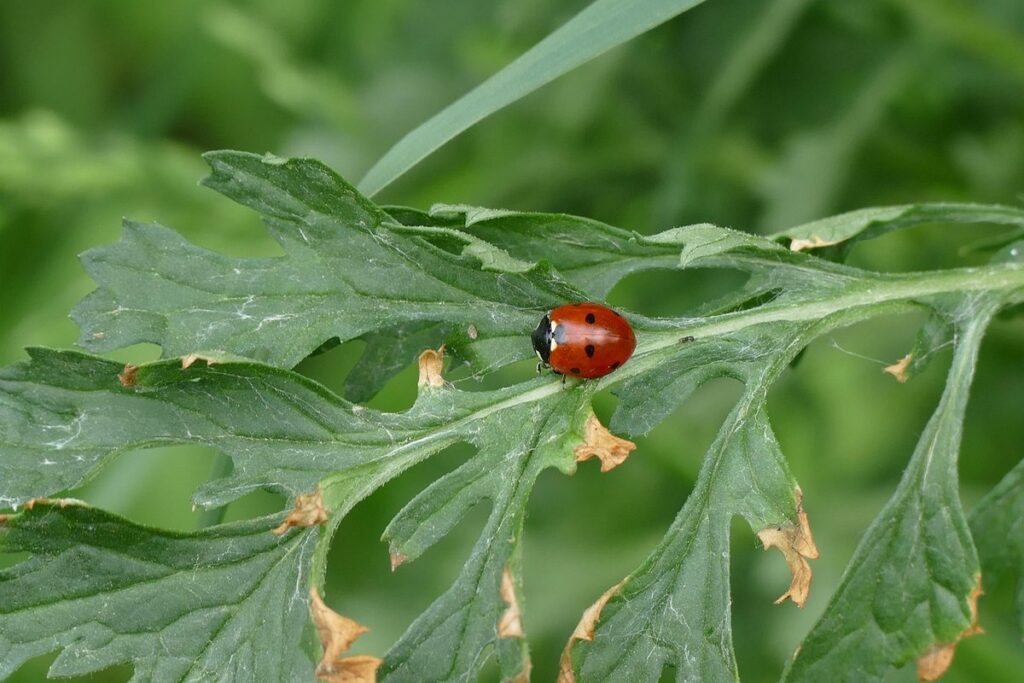
In nature’s balance sheet, predators and parasites play a crucial role in regulating aphid populations. Strawberry aphids have their fair share of natural enemies that help maintain ecosystem equilibrium. Lady beetles, also known as ladybugs, are among the top predators feeding on strawberry aphids. These tiny creatures can consume up to 60 eggs and nymphs per day, effectively controlling aphid infestations.
Lacewings and parasitic wasps are other notable predators that target strawberry aphids. The larvae of these wasps feed on aphid eggs and nymphs, while the adult females lay their own eggs inside aphid bodies. This parasitic relationship ultimately leads to the death of the aphid host. Biological control methods often involve introducing these beneficial insects into affected areas.
When using natural predators or parasites for biological control, it’s essential to choose species that are specifically adapted to your region and climate. Proper identification of these beneficial organisms ensures their effectiveness in managing strawberry aphid populations.
Encouraging Beneficial Insects in the Garden or Field
Creating a welcoming environment for beneficial insects is crucial in managing strawberry aphid populations effectively. These insects, such as ladybugs and lacewings, feed on aphids, thereby reducing their numbers naturally. To encourage the presence of these beneficial insects in your garden or field, start by planting diverse flowers that attract pollinators and predators.
Some excellent options include marigolds, sunflowers, and dill, which are known to attract ladybugs, lacewings, and hoverflies. These flowers not only provide a food source for beneficial insects but also serve as a sheltered spot for them to nest and reproduce. Avoid using pesticides, which can harm or kill these beneficial insects.
Incorporating a mix of annuals and perennials in your garden will ensure a constant supply of nectar-rich flowers throughout the growing season. Planting native flowers is especially effective, as they are more likely to attract species that are adapted to your local climate and ecosystem. By creating a beneficial insect-friendly environment, you can significantly reduce the need for chemical pesticides, promoting a balanced ecosystem in your garden or field.
Cultural Controls for Reducing Strawberry Aphid Infestations
To effectively manage strawberry aphid infestations, understanding and incorporating cultural controls is crucial. These practices can significantly reduce the risk of aphid populations exploding.
Crop Rotation and Soil Preparation
Crop rotation and soil preparation are essential cultural controls that can significantly reduce strawberry aphid infestations. By incorporating these practices into your farming or gardening routine, you can create an environment that is less conducive to aphid populations.
When choosing a cover crop for your strawberry patches, select species that have natural repellent properties against aphids, such as radish or oats. These plants will not only provide a nutritional boost but also act as a barrier between the soil and aphids. For example, radish can repel cucumber beetles, which are often associated with aphid infestations.
In addition to cover crops, composting plays a vital role in maintaining healthy soil. Regularly incorporating compost into your strawberry beds will improve soil structure and fertility while discouraging pests like aphids. Make sure to mix in the compost at least 2-3 inches deep to allow it to effectively interact with the surrounding soil.
By implementing these simple yet effective strategies, you can reduce the likelihood of strawberry aphid infestations and create a more balanced ecosystem for your strawberry crops.
Irrigation Management and Water Quality
When it comes to managing strawberry aphids, many gardeners and farmers overlook one crucial aspect: irrigation management. Proper watering schedules can make all the difference in keeping these pesky pests at bay. Aphids thrive in environments with inconsistent moisture levels, so it’s essential to strike a balance between too little and too much water.
Aim for a consistent watering schedule that mimics natural rainfall patterns. Watering your strawberry plants every 3-4 days during hot weather can help prevent aphid populations from exploding. Avoid overwatering, which can lead to root rot and create an ideal breeding ground for aphids. Aim for about 1 inch of water per week, either through rain or irrigation.
Water quality is also a critical factor in managing aphid infestations. Hard water, in particular, can exacerbate aphid problems by promoting the growth of powdery mildew and other fungal diseases that aphids love to feed on. Consider using a water filter or softener to improve water quality and reduce the risk of aphid outbreaks.
By paying attention to irrigation management and water quality, you’ll be taking a crucial step towards reducing strawberry aphid infestations in your garden or farm. This simple yet effective approach can make all the difference in keeping your strawberry plants healthy and pest-free.
Resistant Varieties and Breeding Programs for Strawberry Aphids
If you’re looking for a more long-term solution to strawberry aphid control, there are resistant varieties and breeding programs worth exploring. These innovative approaches hold great promise for sustainable management of this pest.
Overview of Breeding Programs and Research
Breeding programs focused on developing strawberry varieties resistant to aphid attacks are crucial for long-term control strategies. These initiatives involve selecting and breeding strawberry plants that possess natural defense mechanisms against aphids. Researchers have made significant progress in identifying key traits, such as the presence of certain alkaloids or terpenes, which repel or kill aphids.
For example, the University of California’s breeder program has developed strawberry varieties with improved resistance to aphids through selection and backcrossing. Similarly, breeding programs in Europe are focusing on developing varieties that combine high yield potential with aphid resistance. Growers can participate in these breeding programs by submitting their own resistant plants for evaluation or selecting from already available resistant cultivars.
Understanding the process of breeding aphid-resistant strawberries is essential for growers who want to adopt this strategy for long-term control. It involves patience, as developing new varieties takes several years.
Availability and Adoption of Resistant Varieties
While breeding programs have made significant strides in developing resistant strawberry varieties, their availability is still limited to certain regions and cultivars. Currently, a few commercial strawberry varieties have been bred with some level of resistance to aphids, such as ‘Camarosa’ and ‘Albion’. These varieties can offer growers a valuable tool in integrated pest management (IPM) strategies.
However, it’s essential for growers to note that even resistant varieties may not completely eliminate the need for monitoring and intervention. Aphid populations can still build up on these plants, especially if they’re grown in areas with high aphid pressure or poor cultural practices. To make the most of resistant varieties, growers should ensure they follow recommended crop management strategies.
Growers interested in incorporating resistant varieties into their IPM strategy should consult with local nurseries and extension services to determine which cultivars are available in their region. This can help them choose the best option for their specific growing conditions.
Case Studies and Success Stories: Effective Strawberry Aphid Control
Let’s take a look at some real-life examples of how gardeners and farmers have successfully controlled strawberry aphids in their own plots, from organic gardening co-ops to large-scale commercial farms.
Real-World Examples of IPM Approaches in Action
Here are several case studies that demonstrate the effectiveness of Integrated Pest Management (IPM) approaches in controlling strawberry aphids. For example, a study conducted by the University of California’s Cooperative Extension found that using a combination of neonicotinoid insecticides and beneficial insects such as lady beetles and lacewings significantly reduced aphid populations on strawberry fields.
Another successful IPM approach involves using physical barriers to prevent aphids from reaching the plants. A farmer in Oregon reported a 90% reduction in aphid infestations after installing row covers over his strawberry beds. This approach not only controlled aphids but also other pests like spider mites and thrips.
Additionally, a researcher at the USDA’s Agricultural Research Service discovered that introducing parasitic wasps specifically designed to target aphids significantly reduced their populations on strawberries. These wasps are now being used in commercial strawberry farms across the country with promising results. By adopting these IPM strategies, gardeners and farmers can enjoy healthy and productive strawberry crops while minimizing chemical use and environmental impact.
Lessons Learned and Best Practices for Implementation
One key takeaway from the case studies is the importance of integrated pest management (IPM) strategies. Effective strawberry aphid control requires a holistic approach that incorporates cultural controls, biological controls, and chemical controls. By combining these methods, gardeners and farmers can reduce their reliance on pesticides and create a more sustainable growing environment.
For example, incorporating crop rotation and sanitation practices into your farming or gardening routine can help prevent the spread of aphids. This means removing weeds and debris that can harbor aphid eggs and nymphs, as well as rotating crops to break the life cycle of these pests.
Another best practice is to use biological controls such as introducing natural predators like lady beetles or lacewings into your garden. These beneficial insects feed on aphids, providing a safe and effective control method. By implementing these IPM strategies, you can create a balanced ecosystem that minimizes the risk of strawberry aphid infestations.
Frequently Asked Questions
What are some common mistakes to avoid when implementing IPM strategies for strawberry aphid control?
When starting an integrated pest management (IPM) program, it’s essential to avoid making common mistakes that can compromise its success. One mistake is relying too heavily on chemical controls and neglecting other management practices like crop rotation, soil preparation, and irrigation management. Another pitfall is failing to monitor and scout for early detection of aphid infestations, which can lead to delayed interventions and reduced effectiveness. To avoid these mistakes, create a comprehensive IPM plan that balances multiple control methods and regularly monitors your strawberry crops.
Can I use neem oil as an organic control method for strawberry aphids?
Yes, neem oil is an effective organic control method for managing strawberry aphid populations. Neem oil contains azadirachtin, a compound that disrupts the aphids’ hormonal system, preventing them from reproducing and eventually killing them. To use neem oil effectively, follow label instructions for application rates and timing, and integrate it with other management practices like monitoring and scouting.
How long does it take to see results after implementing IPM strategies?
The time it takes to see results after implementing IPM strategies can vary depending on several factors, including the severity of the aphid infestation, the effectiveness of your control methods, and the specific crop conditions. However, with consistent monitoring and adjustments to your management plan as needed, you can start seeing improvements in 1-2 growing seasons. Regularly reviewing your data and adjusting your IPM strategy will help you fine-tune your approach and achieve optimal results.
Can I use biological control methods alone to manage strawberry aphid populations?
Biological control methods like introducing natural predators or parasites can be effective for managing small-scale infestations, but relying solely on these methods may not provide long-term solutions. Biological controls are often most effective when integrated with other management practices, such as IPM and cultural controls. In larger-scale infestations, a combination of biological and chemical controls may be necessary to achieve optimal results.
How do I encourage beneficial insects in my strawberry garden or field?
To encourage beneficial insects like lady beetles and lacewings, which prey on strawberry aphids, incorporate diverse habitats and food sources into your landscape. Plant a variety of flowers that attract pollinators and other beneficial insects, maintain a balanced ecosystem by avoiding excessive pesticide use, and consider introducing beneficial insect populations through biological control programs or natural colonization. Regularly monitoring the effectiveness of these efforts will help you refine your approach to optimize results.