
If you’re a strawberry enthusiast or a gardening newbie looking to grow these juicy fruits in your backyard, understanding the ideal soil conditions is crucial. One question often pops up: do strawberries really need acidic soil? The answer might surprise you. As it turns out, strawberries thrive best in slightly acidic to neutral soils, which is a bit of a departure from what many gardeners think. But why does this matter, and how can you adjust your soil’s pH levels without harming the environment? In this article, we’ll delve into the world of strawberry cultivation and explore optimal soil conditions, nutrient availability, and sustainable fertilization methods that will have your strawberries blooming in no time.
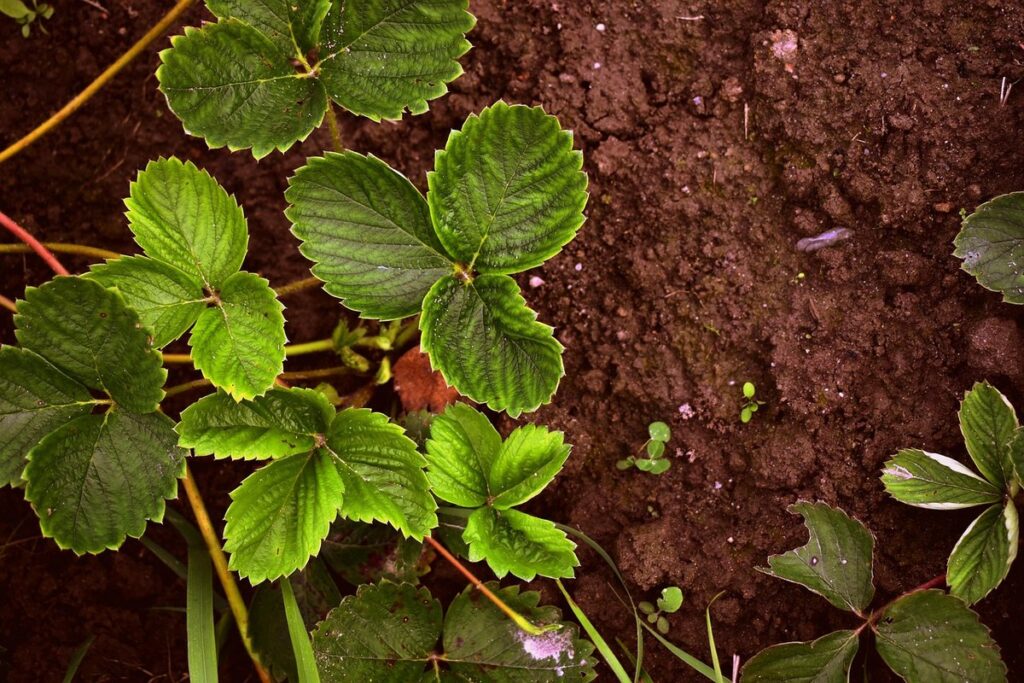
Understanding Strawberry Plant Requirements
To ensure your strawberry plants thrive, you need to understand their specific requirements, including the ideal soil pH and nutrient levels they prefer. Let’s dive into what makes a happy strawberry plant.
Optimal pH Range for Strawberry Plants
When it comes to providing optimal growing conditions for strawberry plants, maintaining an ideal pH range is crucial. Most strawberries thrive in acidic soils with a pH between 5.5 and 6.5. This slightly acidic environment allows the plants to absorb essential nutrients like iron, manganese, and boron more efficiently.
Plants grown in soil with a pH outside this optimal range may experience nutrient deficiencies or even die from excessive acidity or alkalinity. For example, if your strawberry’s soil has a pH above 7 (alkaline), it will struggle to absorb these vital nutrients, leading to reduced yields and poor fruit quality. Conversely, if the soil is too acidic (below 5), it may burn the plant roots.
To determine the optimal pH for your strawberry plants, consider getting a soil test done by a local nursery or gardening expert. Based on the results, you can adjust your fertilization and mulching routine to achieve a balanced and slightly acidic environment that will promote healthy growth and high yields. By maintaining this ideal pH range, you’ll be well on your way to growing delicious and abundant strawberry crops.
Importance of pH in Soil Fertility
pH plays a crucial role in soil fertility and affects strawberry plant growth. The optimal pH range for strawberry cultivation is between 5.5 and 6.5, which allows for better nutrient uptake. Nutrient availability changes significantly within this range; nitrogen, phosphorus, and potassium become more accessible to the plants at lower pH levels.
If the soil’s pH deviates from this range, it can impact nutrient availability in various ways. For instance, high levels of phosphorus in acidic soils are often inaccessible to strawberry plants due to iron fixation, a process that reduces the plant’s ability to absorb essential nutrients.
In acidic soils with a low pH (below 5), micronutrient deficiencies can occur, as some microorganisms responsible for nutrient cycling may be inhibited. Conversely, high-pH soils above 6.5 often limit availability of micronutrients like iron and zinc.
To achieve the optimal pH range, strawberry farmers should regularly test their soil’s pH levels and adjust accordingly using lime to increase or sulfur to decrease the acidity as necessary.
The Relationship Between Strawberries and Acidic Soil
Strawberries have a natural affinity for acidic soil, but is it truly necessary for their growth? We’ll explore the relationship between strawberries and acidic soil in more detail.
How Acidity Affects Strawberry Plant Growth
When strawberry plants grow in acidic soil, their growth can be significantly influenced. The acidity level of the soil plays a crucial role in determining the plant’s ability to absorb essential nutrients like iron, manganese, and zinc. If the soil pH is too low (below 5.5), it can lead to an overabundance of these micronutrients, causing iron toxicity.
On the other hand, if the soil pH is too high (above 7.0), strawberry plants may struggle to absorb necessary nutrients, leading to weakened growth and reduced yields. In both cases, plant health can suffer as a result.
To gauge the effects of acidity on strawberry plant growth, consider the following: A slight increase in acidity from pH 6.0 to 5.8, for example, might lead to an 11% increase in strawberry production, according to research by the University of California, Davis. However, if the soil pH drops below 5.2, yields can plummet.
As a general rule, maintaining a slightly acidic soil pH between 5.5 and 6.0 tends to optimize strawberry plant growth and yield. If your local climate and soil conditions call for higher acidity levels, consider incorporating organic matter like peat moss or elemental sulfur to adjust the soil’s pH balance.
The Role of Organic Matter in Acidic Soils
When it comes to growing strawberries in acidic soils, the role of organic matter cannot be overstated. Organic matter content has a significant impact on the soil’s pH levels and overall fertility. In acidic soils, organic matter can act as a buffer, helping to moderate extreme acidity by binding to aluminum ions and reducing their availability.
Adding compost or well-rotted manure to your strawberry patch can increase the cation exchange capacity (CEC) of the soil, allowing it to retain more nutrients and reduce leaching. This is especially important in acidic soils where nutrient deficiencies are common.
A study on the effects of organic matter on soil pH found that adding 2% compost to an acidic soil reduced its pH by as much as 1 unit over a period of 6 months. To reap similar benefits, aim to add at least 2-3 inches of compost or well-rotted manure annually, mixing it in thoroughly with the top 6-8 inches of soil.
This will not only help mitigate acidity but also improve soil structure and fertility, creating an ideal environment for your strawberry plants to thrive.
Factors Influencing Soil Acidity
Soil acidity is influenced by several key factors, including the type of vegetation that grows on it and the levels of organic matter present. Let’s explore these variables further.
Soil Type and Composition
When it comes to strawberry cultivation, understanding the complex relationship between soil type and acidity is crucial. Soil composition significantly affects its pH levels, making it a vital factor in determining whether strawberries thrive.
Different soil types exhibit unique characteristics that influence their acidity levels. Clay soils, for instance, tend to retain more water and nutrients than sandy soils, which can lead to acidic conditions due to increased decomposition of organic matter. On the other hand, sandy soils often drain excess water quickly, resulting in lower acidity levels.
The composition of your soil also plays a critical role in determining its pH. Organic matter such as compost or manure can act as natural buffers, neutralizing extreme acidity. Conversely, high concentrations of certain minerals like aluminum or iron can contribute to acidic conditions.
To determine the optimal soil type for your strawberry patch, consider the local climate and available water sources. Aim to achieve a balanced mix by incorporating organic amendments that suit your specific region’s needs. This will help create an environment where strawberries can flourish without relying on excessively acidic conditions.
Nutrient Content and Leaching Effects
Soil nutrient content and leaching can significantly impact soil pH, which is crucial for strawberry cultivation. Strawberries require a slightly acidic to neutral soil pH, typically between 5.5 and 6.5, to thrive. However, if the soil is too alkaline or too acidic, it can lead to nutrient deficiencies and reduced yields.
Nutrient leaching occurs when essential nutrients like nitrogen, phosphorus, and potassium are washed away from the soil, often due to excessive water or poor soil structure. This can cause the soil pH to become more extreme, making it less suitable for strawberry cultivation. For instance, if a soil with high levels of calcium is subjected to frequent watering, the excess calcium can lead to an increase in soil pH, potentially causing nutrient deficiencies.
To mitigate this issue, strawberry growers should aim to maintain optimal soil moisture levels and incorporate organic matter into their soil. This can help improve soil structure and prevent nutrient leaching. Additionally, regular soil testing can help identify any nutrient imbalances or pH fluctuations, enabling timely adjustments to be made to ensure a healthy and productive strawberry crop.
Growing Strawberries in Non-Acidic Soils
Growing strawberries in non-acidic soils is definitely possible, and we’re going to dive into some strategies for making it happen successfully. This includes choosing the right varieties and incorporating amendments.
Alternative Fertilization Methods
When it comes to growing strawberries in non-acidic soils, maintaining acidity levels can be challenging. However, there are alternative fertilization methods that can help create a more favorable environment for strawberry growth.
Organic matter like compost and manure can increase the soil’s pH by releasing acidic compounds as they break down. Adding these materials to your soil can help lower its pH over time. For example, a 2-inch layer of compost can decrease soil acidity by up to 1 point on the pH scale.
Another method is using acidic fertilizers that are low in nitrogen, such as ammonium sulfate or aluminum sulfate. These products release hydrogen ions into the soil, lowering its pH. However, be cautious not to overapply these fertilizers, as excessive use can damage your strawberry plants’ roots and harm beneficial microorganisms in the soil.
To maintain acidity levels effectively, it’s essential to monitor your soil pH regularly and adjust your fertilization methods accordingly. This may involve combining alternative fertilization methods with regular mulching and crop rotation techniques.
Strategies for Soil pH Adjustment
When growing strawberries in non-acidic soils, adjusting the soil pH can be a crucial step to ensure optimal plant growth and production. However, acidifying the soil too much can also have its drawbacks, such as nutrient deficiencies and root damage.
If your strawberry plants are struggling due to a high soil pH, there are several strategies you can employ to adjust it. One method is to incorporate acidic organic matter like peat moss or sulfur-based fertilizers into the soil. For example, adding 1-2 pounds of elemental sulfur per 100 square feet of soil can lower the pH by about one unit over a period of time.
Another approach is to use lime-reducing amendments like dolomitic limestone or oyster shell lime. These materials release calcium and magnesium as they break down, which can help counterbalance high levels of lime in the soil. By understanding your soil’s unique conditions and selecting the right adjustments strategy, you can create a suitable environment for healthy strawberry growth.
When making pH adjustments, be cautious not to overdo it – excessive acidification or alkalization can harm your plants. Start with small increments and monitor your soil pH regularly until you achieve the desired level.
Environmental Considerations and Best Practices
When growing strawberries, it’s essential to consider the environmental impact of your choices and adopt best practices that benefit both your plants and the planet. Let’s dive into some eco-friendly tips for strawberry cultivation.
Sustaining Long-Term Soil Health
Maintaining long-term soil health is crucial for strawberries to thrive, especially when it comes to acidic soils. Soil erosion and nutrient depletion can be significant concerns, but there are strategies to mitigate these issues.
One key strategy is to implement cover cropping between strawberry plantings. Cover crops like clover or winter rye help hold the soil in place, reducing erosion by up to 70%. This also allows for improved water infiltration and increased organic matter, which supports microbial activity essential for nutrient cycling.
Mulching is another effective way to preserve soil health. Organic mulches such as wood chips or straw can retain moisture, suppress weeds, and regulate soil temperature. Regular mulching applications can reduce the need for fertilizers by up to 30%, while also reducing greenhouse gas emissions associated with synthetic fertilizers.
Crop rotation is a third essential strategy for sustaining long-term soil health. Rotating strawberries with other crops that have different growth habits and nutrient requirements helps maintain soil fertility and structure. By incorporating these strategies into your strawberry cultivation practices, you can create a more resilient and productive soil environment that supports the growth of healthy, flavorful strawberries year after year.
Local Climate and Weather Patterns
When growing strawberries, it’s essential to consider the local climate and weather patterns in your area. These factors can significantly influence acidity levels in soils and strawberry plant growth. For instance, regions with high rainfall often have more acidic soils due to the leaching of calcium and magnesium ions.
In contrast, areas with low rainfall tend to have higher pH levels as the soil becomes alkaline from the buildup of these minerals. Furthermore, temperature fluctuations can also impact strawberry plant growth. Warmer temperatures during the day and cooler nights promote healthy growth, but prolonged exposure to extreme heat or cold can lead to reduced yields and poor fruit quality.
To mitigate the effects of local climate and weather patterns on acidity levels, gardeners can use various strategies such as mulching to retain moisture, adjusting irrigation schedules, or incorporating acidic fertilizers. Understanding your local microclimate will help you tailor your soil management approach to meet the specific needs of your strawberry plants. By doing so, you’ll be better equipped to create an optimal growing environment for these delicious fruits.
Conclusion: Balancing Acidic Soil Requirements with Sustainability
In conclusion, strawberries do have specific acidic soil requirements, but that doesn’t mean you need to sacrifice sustainability. By understanding your soil’s pH levels and incorporating organic matter, you can create a balanced environment for your strawberry plants to thrive in. For instance, adding compost or well-rotted manure will not only lower the pH but also enrich the soil with essential nutrients. This approach allows you to meet your strawberries’ acidic soil needs while also promoting soil health and reducing chemical use.
When planning your strawberry patch, consider incorporating mulch to retain moisture and suppress weeds. This eco-friendly strategy can help reduce watering frequency and minimize herbicide application. By adopting a holistic approach to strawberry cultivation, you can grow delicious berries while preserving the environment for future generations.
Frequently Asked Questions
Can I still grow strawberries in non-acidic soils, or will they struggle?
Strawberries can survive in non-acidic soils, but their growth may be stunted due to nutrient deficiencies. To adapt, focus on providing balanced fertilization and adequate organic matter incorporation.
How do I know if my strawberry plants are experiencing pH-related issues?
Look for symptoms like yellowing leaves, reduced fruit production, or poor plant establishment. Test your soil’s pH level and adjust it accordingly by adding acidic or alkaline amendments to create a slightly acidic environment (pH 5.5-6.5).
What happens if I don’t adjust my strawberry plants’ pH levels?
If left unaddressed, pH imbalances can lead to nutrient deficiencies, reduced crop yields, and even plant death. However, with timely adjustments, your strawberries should recover.
Can I use regular compost for strawberry plants without worrying about soil pH?
Regular compost may not necessarily provide the right balance of acidic or alkaline nutrients. Consider adding specific acidic amendments like peat moss, sulfur, or aluminum sulfate to ensure optimal conditions for your strawberries.
How do local climate and weather patterns affect my strawberry plants’ soil preferences?
Local climate and weather patterns can influence soil pH levels over time. For example, areas with high rainfall may experience leaching effects that lower the pH, while dry regions might require more alkaline amendments. Monitor your environment and adjust accordingly to ensure optimal growing conditions for your strawberries.
Will using chemical fertilizers harm my strawberry plants or the environment?
Chemical fertilizers can indeed cause environmental issues like soil pollution and water contamination. Consider opting for organic or natural fertilization methods, which promote sustainable long-term soil health and minimize ecological risks.