
Storing seeds effectively is crucial for any gardener or farmer, as it allows you to preserve your hard-earned harvest for future planting. However, not all seed storage methods are created equal. Moisture damage and pest infestation can quickly ruin a batch of seeds if not properly stored. This is where glass jars come in – they’re an excellent choice for seed preservation due to their airtight seal and resistance to pests. But storing seeds in glass jars isn’t as simple as just placing them inside. You need to choose the right containers, maintain optimal moisture levels, and keep your seeds away from potential threats. In this article, we’ll walk you through expert tips on how to store seeds in glass jars effectively, covering everything from selection to maintenance.
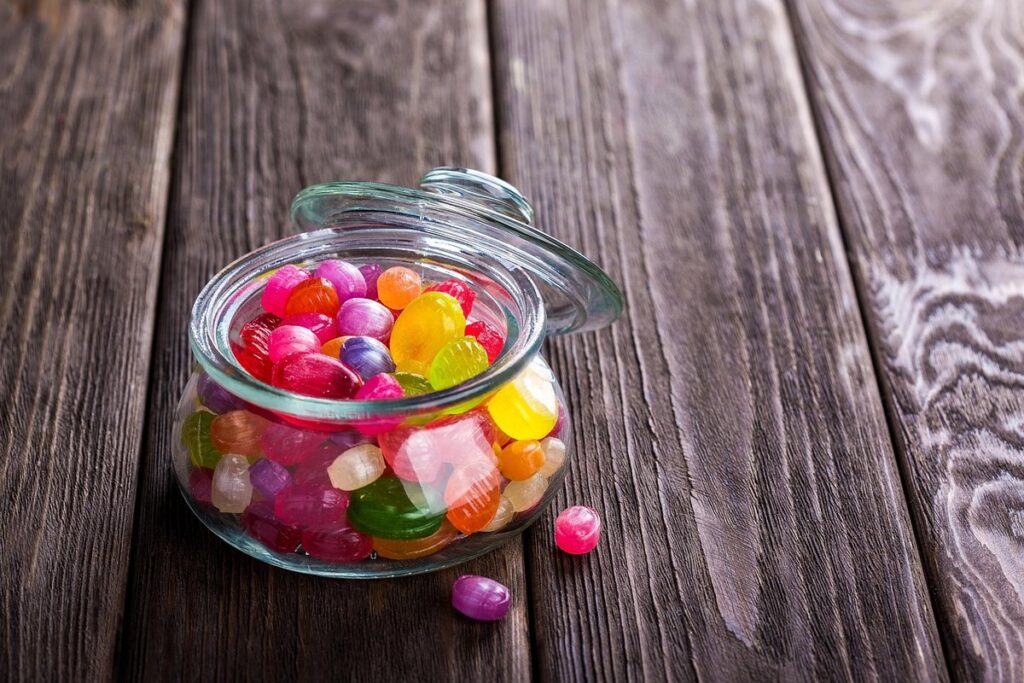
Choosing the Right Glass Jars
When it comes to storing seeds, selecting the right glass jar is crucial for maintaining optimal conditions and ensuring your seeds stay fresh. You’ll want a container that’s specifically designed for seed storage.
Material Matters: Types of Glass Used for Seed Storage
When it comes to storing seeds in glass jars, material matters. The type of glass used can affect the integrity and longevity of your stored seeds. Borosilicate glass, for example, is an excellent choice due to its thermal shock resistance. This means that borosilicate glass won’t shatter or break easily when exposed to temperature fluctuations, making it ideal for storing seeds in areas with varying temperatures.
Tempered glass, on the other hand, is less suitable for seed storage. While it’s strong and resistant to impact, tempered glass can be prone to thermal shock, which may cause it to shatter if exposed to extreme temperature changes. Soda-lime glass is another type of glass that’s commonly used but not ideal for storing seeds, as it may leach chemicals into the seeds over time.
When selecting a glass jar for seed storage, look for one made from borosilicate or soda-free glass. These options are less likely to contaminate your seeds with unwanted chemicals and will withstand temperature fluctuations better than other types of glass. Always inspect the glass jar before use, checking for any visible imperfections or signs of wear that could compromise its integrity. By choosing the right type of glass and taking proper care of your jars, you can ensure the long-term viability of your stored seeds.
Size Considerations: Selecting the Perfect Jar for Your Needs
When it comes to storing seeds in glass jars, selecting the right size is crucial. You want a jar that’s large enough to hold all your seeds, but not so big that it becomes unwieldy or too expensive.
As a general rule of thumb, consider the following guidelines for choosing the perfect jar: For small seed collections (less than 100 seeds), a standard 4-6 oz jar is usually sufficient. This size is compact, easy to handle, and won’t break the bank.
For larger collections (100-200 seeds), you may want to opt for an 8-12 oz jar or even a quart-sized container. However, if you’re storing a very large quantity of seeds (over 500 seeds), it’s often more practical to use multiple smaller jars rather than one large one that becomes too heavy and cumbersome.
Remember to also consider the shape and size of your seeds when choosing a jar – for example, if you have large seeds like beans or squash, you’ll want a wider mouth jar with plenty of space to hold them comfortably.
Preparing Seeds for Storage in Glass Jars
To ensure your seeds remain viable and healthy, you’ll want to properly prepare them before storing them in glass jars, a crucial step often overlooked by gardeners. Let’s dive into the process of preparing your seeds for storage.
Cleaning and Drying Seeds for Long-Term Preservation
Properly cleaning and drying seeds is crucial for long-term preservation. When seeds are stored with dirt and debris, it can lead to mold growth and contamination, ultimately affecting their viability. To clean your seeds, start by gently removing any loose dirt or debris using a soft-bristled brush or a small, dry paintbrush. For more stubborn dirt, you can soak the seeds in a bowl of water for about 15-30 minutes. However, be cautious not to soak them for too long, as this can cause damage to the seed coat.
After cleaning, it’s essential to dry your seeds thoroughly. Spread them out on a paper towel or cloth and allow them to air-dry completely. You can also use a desiccant like silica gel to speed up the drying process. Once dry, inspect your seeds for any remaining moisture. If they feel damp or sticky, you may need to repeat the drying process.
Drying seeds thoroughly is critical in preventing moisture damage. A study by the USDA found that seed viability decreased significantly when stored with high humidity levels. To ensure your seeds remain viable, store them in an airtight container in a cool, dry place until you’re ready to plant or use them.
Seed Labeling and Organization: Keeping Track of Your Collection
Labeling and organizing your seed collection is crucial to ensure you can easily find what you need when. Start by labeling each glass jar with essential information: the type of seed, its origin (e.g., heirloom, hybrid), and the date you saved it. This will help you track the age of your seeds and identify their specific characteristics.
For example, if you have multiple jars of tomato seeds, label them with the variety name, such as ‘Cherry Roma’ or ‘Brandywine.’ Include the date you harvested the seeds to avoid confusion between similar varieties. You can also note any notable characteristics of each batch, like disease resistance or flavor profile.
Organize your collection by categorizing seeds into groups based on type (e.g., vegetables, fruits, flowers) and within those categories, alphabetize them by variety name. Store jars with similar types together in a designated area to make it easier to locate what you need. Consider using a spreadsheet or a seed cataloging app to digitally track your collection, making it even more manageable and accessible. This will save you time when looking for specific seeds and ensure they remain viable for future use.
Storing Seeds in Glass Jars: Best Practices
When storing seeds in glass jars, it’s essential to follow proper techniques to maintain seed viability and prevent contamination. In this section, we’ll explore the best practices for seed storage.
Creating an Optimal Storage Environment for Seed Preservation
Creating an optimal storage environment for seed preservation is crucial to maintaining their viability and ensuring they remain healthy. To achieve this, you’ll need to consider the ideal temperature and humidity levels for storing seeds.
The ideal temperature range for seed storage is between 32°F (0°C) and 50°F (10°C). Temperatures above 60°F (15°C) can cause degradation, while temperatures below 30°F (-1°C) can lead to moisture condensation within the jar. To maintain a stable temperature, store your glass jars in a cool, dark area, such as a basement or cupboard.
Humidity levels also play a significant role in seed preservation. A relative humidity of 50-60% is ideal for most seeds. You can achieve this by storing your jars away from direct sunlight and heat sources. It’s essential to check on your stored seeds regularly (ideally every 2-3 months) to ensure the environment remains optimal.
When choosing a storage location, consider factors like air circulation, moisture levels, and temperature stability. A well-ventilated area with stable temperatures will help maintain the integrity of your seeds.
Preventing Moisture Damage and Pests with Glass Jars
When storing seeds in glass jars, it’s easy to overlook some crucial details that can lead to moisture damage and pest infestations. One of the most common mistakes is not ensuring proper ventilation within the jar. This can cause a buildup of condensation, leading to mold and mildew growth that can be detrimental to your seeds.
To prevent this, make sure to leave enough space between the lid and the seeds for air to circulate. You can also place a small piece of cloth or paper towel over the opening to absorb excess moisture without blocking airflow.
Another critical oversight is allowing pests to infest the jar in the first place. Check your seeds regularly for signs of insect activity, such as tiny holes or tunnels in the seed coat. If you do find pests, carefully remove them and treat the affected area with a gentle pesticide. To prevent future infestations, store your glass jars away from direct sunlight and heat sources, which can attract pests to your seeds.
By being mindful of these common pitfalls, you’ll be well on your way to preserving your valuable seed stock in optimal conditions.
Monitoring and Maintaining Your Seed Collection in Glass Jars
To keep your seeds fresh and viable, it’s essential to regularly monitor their moisture levels and store them away from direct sunlight. Let’s dive into how to do this effectively.
Regularly Checking on Seeds for Signs of Deterioration
Regularly checking on your stored seeds is crucial to ensure their viability and prevent any potential issues. It’s recommended to inspect your seed collection every 1-2 months, especially if you live in a humid environment. Look for signs of mold or mildew on the surface of the seeds or around the lid of the jar.
To check for deterioration, gently remove the lid and carefully pour out a small sample of seeds onto a paper towel or plate. Inspect these seeds for any visible signs of damage, such as discoloration, sliminess, or an unpleasant odor. If you notice any issues, it’s essential to address them promptly.
If you spot mold or mildew, immediately transfer the affected seeds to a new jar with a clean lid and some desiccants like silica gel or uncooked rice. Discard any severely damaged seeds. It’s also crucial to store your jars in a dry, cool place away from direct sunlight. By regularly checking on your seeds and taking prompt action if needed, you can maintain their quality and ensure they remain viable for future use.
Replenishing Supplies: When to Replace Expired or Damaged Seeds
As your seed collection grows and matures over time, it’s inevitable that some seeds will expire or become damaged. Knowing when to replace these seeds is crucial to maintaining a healthy and thriving collection. Check the expiration dates on your seed packets regularly, but also keep an eye out for visible signs of damage such as moisture, mold, or pests.
If you’re unsure whether a particular seed is still viable, try conducting a simple germination test. Place 5-10 seeds between two damp paper towels and store them in a warm, dark place for 1-2 weeks. If more than half of the seeds sprout within this timeframe, it’s likely that the remaining seeds are still good to use.
When updating your labeling system, make sure to clearly indicate which seeds have been replaced or removed from circulation. This will help prevent accidental reuse and ensure that you’re always working with the freshest, healthiest seeds available.
Tips for Long-Term Seed Storage with Glass Jars
To ensure long-term seed viability, it’s essential to follow specific guidelines when storing seeds in glass jars, as improper storage can lead to premature aging and reduced germination rates.
Advanced Techniques for Preserving Rare or Sensitive Species
When storing rare or sensitive species, you may need to employ more advanced techniques to ensure their long-term viability. One such method is vacuum sealing, which involves removing the air from a glass jar containing seeds using a vacuum pump. This helps prevent moisture and oxygen from entering the jar, thereby reducing the risk of seed spoilage.
Another technique is cryogenic preservation, where seeds are frozen at extremely low temperatures (typically -196°C) to slow down their metabolic processes. This method is particularly useful for preserving sensitive species that are highly susceptible to degradation.
For example, researchers have successfully stored seeds from endangered plants like the Wollemi pine and the Lady’s slipper orchid using cryogenic preservation. These seeds can remain viable for extended periods, often exceeding 10-15 years.
If you’re planning to store rare or sensitive species, it’s essential to research the specific needs of each species and choose the most suitable technique. Always follow proper protocols when handling sensitive materials, and invest in quality equipment to ensure successful preservation.
Creative Uses for Stored Seeds: Ideas for Gardeners and Non-Gardeners Alike
Beyond gardening, stored seeds can be a treasure trove of creative possibilities. For gardeners and non-gardeners alike, having a stash of seeds on hand can open up new avenues for cooking, crafting, and even beauty treatments.
One of the most obvious uses for stored seeds is in cooking. Many seeds, such as sesame seeds, poppy seeds, or sunflower seeds, are commonly used as toppings or ingredients in baked goods, salads, and stir-fries. Consider using your stored seeds to create homemade spice blends, like a mix of coriander, cumin, and caraway for a delicious Indian-inspired flavor.
For crafty types, seeds can be used as materials for various projects, such as seed bombs for wildflower planting, or as decorations for wreaths, potpourri, or other handmade crafts. You can even use seeds to make natural dyes for fabric or paper.
In addition, some seeds have medicinal properties and can be used in skincare routines. For instance, calendula seeds are known for their soothing effects on skin irritations, while chamomile seeds can help calm the mind and body. With a little creativity, your stored seeds can become more than just a gardening resource – they can become a versatile tool for everyday life.
Troubleshooting Common Issues with Glass Jar Seed Storage
So, you’ve got your glass jar seed storage system set up and things are running smoothly – but what do you do when problems arise? Let’s troubleshoot some common issues together.
Identifying and Addressing Moisture Damage or Pests in Your Collection
Moisture damage and pest infestations are two common issues that can arise when storing seeds in glass jars. If you notice mold, mildew, or a musty smell emanating from the jar, it’s likely due to excessive moisture. Check the seal on the lid and ensure it’s tightly closed. If the issue persists, try desiccants like silica gel packets or uncooked rice to absorb excess moisture.
Inspect your seeds regularly for signs of pest infestation, such as tiny holes in the seed coat or actual insects. Common pests include fungus gnats, spider mites, and thrips. To address pest issues, carefully remove the affected seeds and place them in a separate container filled with a 3% bleach solution. Let it sit for several hours before rinsing thoroughly with water.
If you’re unsure whether your seeds have been compromised, consider conducting a germination test. Sow the seeds on a moist paper towel or cotton ball, keeping the environment warm (around 70-80°F) and humid. Monitor for signs of growth over the next few days. If most seeds fail to germinate, it may be due to moisture-related damage or pest infestation.
Repairing or Replacing Damaged Seeds in Your Collection
When you discover that some of the seeds in your glass jar collection have been damaged, whether it’s due to moisture buildup, cracking, or other issues, don’t despair – there are ways to salvage them. If the damage is minor and only affects a small portion of the seed coat, you can still try to repair the seeds rather than replacing them entirely.
To do this, carefully handle each affected seed with tweezers or a similar tool to avoid causing further damage. Gently scrape away any softened or broken areas using a sterile instrument like a scalpel or a sharp knife. Next, apply a small amount of seed priming solution or gibberellic acid to help stimulate germination.
However, if the damage is too extensive, it may be best to propagate new seedlings from healthy parent plants instead. This process can begin by selecting a mature plant with desirable traits and allowing it to produce flowers. Once the flowers have finished blooming, carefully collect their pollen and store it in an airtight container for later use.
To facilitate seed production, provide your chosen parent plant with optimal growing conditions, such as sufficient light and water. After pollination has occurred, wait several weeks or months for the mature seeds to develop within the plant’s fruit. You can then carefully collect these new seeds using a soft-bristled brush or a small tool, taking care not to damage them further.
Keep in mind that propagating new seedlings this way may take some time and effort, but it ensures you have healthy seeds for future use while maintaining genetic diversity within your collection. By doing so, you can rebuild your damaged seed stock without sacrificing the integrity of your stored seeds.
Frequently Asked Questions
Can I reuse glass jars from expired seeds for storing new ones?
Yes, if you’ve properly cleaned and dried the glass jar after opening it to store a different type of seed, you can reuse it again. However, make sure to inspect the jar thoroughly for any signs of damage or potential pest entry points before reusing it.
What’s the best way to ensure consistent moisture levels in my glass jars?
To maintain optimal moisture levels, use a hygrometer to monitor the humidity inside your storage area. You can also use silica gel packets or desiccants to control excess moisture and prevent seed degradation.
How often should I inspect my stored seeds for signs of deterioration?
Regularly checking on your seeds is crucial to maintaining their quality and viability. Set aside time every few months (e.g., 3-6 months) to inspect your stored seeds, looking for signs of mold, mildew, or pest infestation.
Can I store seeds in glass jars without labeling them?
No, it’s essential to label each jar with the seed type, date stored, and any relevant notes. This will help you keep track of your collection, prevent confusion when reusing containers, and ensure you can replace expired or damaged seeds accordingly.
What should I do if I notice pests inside my glass jars?
If you suspect pest infestation in your glass jars, immediately inspect the affected jar thoroughly. Remove any contaminated seeds and clean the jar using a mild detergent solution. Then, rinse it with water and dry it completely before reusing it to store seeds again.