
Invasive honeysuckle is taking over our landscapes, threatening native ecosystems and wildlife. This non-native plant has become a silent invader in many parts of the world, outcompeting local vegetation for resources and altering the delicate balance of nature. As it spreads rapidly, invasive honeysuckle poses significant environmental risks, including reduced biodiversity and increased risk of wildfires. But don’t worry, there’s hope for restoration! In this article, we’ll delve into the dangers and environmental impact of invasive honeysuckle, explore how to identify its distinctive features, and provide effective methods for eradication and restoration. By learning more about this insidious plant, you’ll be empowered to take action in your own community and help preserve the beauty and integrity of our natural world.
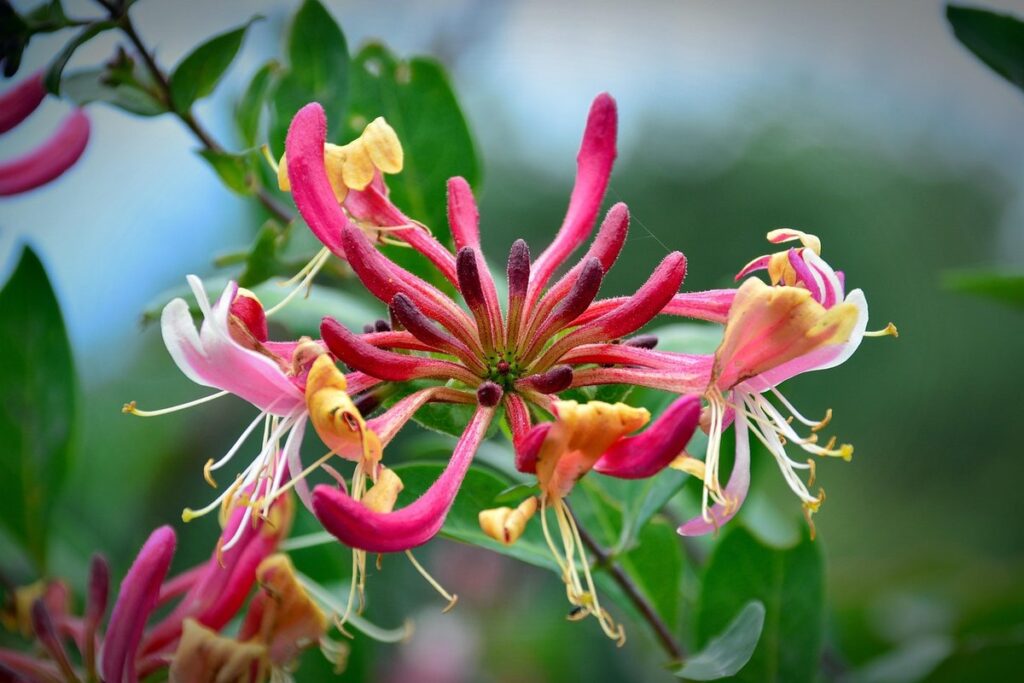
The Dangers of Invasive Honeysuckle
As we’ve seen, invasive honeysuckle can cause significant ecological harm; in this section, we’ll delve into its most destructive consequences for native plant species and ecosystems.
Native Habitat Displacement
When invasive honeysuckle takes hold in an ecosystem, it can lead to a phenomenon known as native habitat displacement. This occurs when the aggressive and adaptable honeysuckle plant outcompetes native vegetation for resources such as light, water, and nutrients.
As a result, native plants struggle to survive and thrive in areas where honeysuckle has established itself. This disruption to the natural balance can have far-reaching consequences, including loss of biodiversity and degradation of ecosystems. For example, in the Appalachian region of North America, invasive honeysuckle is known to displace native wildflowers and shrubs, altering the very character of these once-pristine areas.
To understand the extent of this issue, consider a study conducted by the US Forest Service, which found that honeysuckle can cover up to 90% of an area in just a few years. This rapid growth and spread can make it difficult for native plants to coexist, leading to a decline in ecosystem health and resilience. To combat this problem, land managers are turning to integrated management strategies that prioritize the removal of invasive species like honeysuckle and promote the growth of native vegetation.
Wildlife Disruption
Invasive honeysuckle has a profound impact on local wildlife, disrupting delicate ecosystems and causing long-term damage. One of the most significant effects is the alteration of food sources for native animals. Honeysuckle’s dense foliage crowds out native plants, reducing the availability of berries, seeds, and nectar that many species rely on for survival.
This disruption in food sources has a ripple effect throughout the ecosystem. For example, birds may struggle to find sustenance, leading to reduced populations or even local extinctions. In some cases, invasive honeysuckle can also reduce the quality of water sources by increasing sedimentation and nutrient runoff. Native pollinators like bees and butterflies are also affected, as they rely on specific native plants for food.
To mitigate this impact, consider removing invasive honeysuckle from your garden or nearby natural areas. Replace it with native species that will provide a balanced food source for local wildlife. This simple yet effective action can help restore the health of ecosystems damaged by invasive honeysuckle.
Identifying and Understanding Invasive Honeysuckle Species
To tackle honeysuckle invasions, it’s crucial to know which species are most problematic, as well as their distinctive characteristics. Let’s take a closer look at the invasive honeysuckles you should be aware of.
Common Species
In North America, several invasive honeysuckle species have established themselves as major threats to native ecosystems. Among these, Japanese honeysuckle (Lonicera japonica) and Amur honeysuckle (Lonicera maackii) are among the most common and widespread.
Japanese honeysuckle is a woody vine that can grow up to 40 feet in length, choking out native vegetation with its dense foliage. It’s known to infest forests, woodlands, and even urban areas, causing significant damage to trees, shrubs, and wildflowers. Amur honeysuckle, on the other hand, is a deciduous shrub or small tree that can grow up to 40 feet tall. Its dense, white flowers attract pollinators, but its invasive spread has led to declines in native plant populations.
Both species are highly adaptable and can tolerate a range of environments, making them difficult to control. If you suspect an infestation in your area, look for the characteristic twining stems and fragrant flowers of these species. To prevent further spread, it’s essential to identify and remove invasive honeysuckle before it takes over native vegetation. Regular monitoring, early detection, and targeted removal efforts can help mitigate their impact on ecosystems.
Morphological Characteristics
When identifying invasive honeysuckle species, it’s essential to examine their physical characteristics. One of the most distinctive features is the leaf shape and arrangement on the stem. For example, Japanese Honeysuckle (Lonicera japonica) has glossy, ovate leaves that are often 3-5 inches long and 1-2 inches wide, while Amur Honeysuckle (Lonicera maackii) has smaller, lance-shaped leaves with a pointed tip.
The flower color is another distinguishing characteristic. Most invasive honeysuckle species have white or pale-colored flowers, but some, like Japanese Honeysuckle, also produce yellow flowers. To identify these species, look for clusters of flowers at the end of branches, often in late spring to early summer. Keep in mind that these plants can grow quite dense, making it difficult to see the individual flowers.
To accurately identify invasive honeysuckle, observe the plant’s growth habit as well. These species tend to spread rapidly and form a dense canopy, often outcompeting native vegetation for resources like water and nutrients.
Environmental Impact of Invasive Honeysuckle
Honeysuckle’s spread is a major environmental concern, and one of its most significant impacts is on local ecosystems and native plant species. Let’s explore this issue in more detail.
Soil Degradation
When invasive honeysuckle takes over an area, its dense foliage can outcompete native plants for sunlight, water, and nutrients. This dominance is often accompanied by a significant reduction in soil quality. As the honeysuckle’s leaves block sunlight from reaching the ground, photosynthesis in native plants is severely impaired. As a result, these plants are unable to carry out essential functions like nutrient uptake and transpiration.
Without their usual access to light, native plants wither and die. Honeysuckle’s invasive nature prevents other plants from sprouting, creating a barren landscape devoid of diversity. The soil beneath this dense foliage becomes compacted, making it difficult for air, water, and nutrients to penetrate. This soil degradation exacerbates the decline of native species, ultimately threatening local ecosystems.
It’s essential to remove invasive honeysuckle before it’s too late. If left unchecked, its spread can have long-lasting consequences on soil health and biodiversity. Landowners and conservationists should work together to identify and eradicate honeysuckle stands, making way for native plant species to flourish once more. Regular monitoring of affected areas will help prevent further degradation and allow ecosystems to recover from the impact of this invasive species.
Water Cycle Alterations
When invasive honeysuckle takes hold, it can wreak havoc on local water cycles. One of the most significant consequences is an increased risk of flooding. As honeysuckle crowds out native vegetation, it disrupts the natural balance of soil and water retention. This leads to a surge in runoff during heavy rainfall events, overwhelming streams and rivers with sudden bursts of water. In some areas, this can cause flash flooding, which not only damages property but also poses a threat to human life.
Honeysuckle’s impact extends beyond just flooding. The plant’s altered growth habits allow it to thrive in wet environments, leading to the formation of dense thickets along waterways. These thickets shade out native aquatic plants, altering the composition of local ecosystems. This change can have cascading effects throughout the food chain, impacting fish populations and other dependent species.
To mitigate these effects, landowners and conservationists are working to control honeysuckle infestations. By removing invasive plants and reintroducing native vegetation, they’re restoring natural habitats and promoting more balanced water cycles. Homeowners can also take action by identifying and controlling honeysuckle growth on their properties.
Methods for Controlling Invasive Honeysuckle
To effectively manage invasive honeysuckle, it’s essential to understand and employ various control methods that target its root system. These methods will be explored in detail below.
Chemical Control
Herbicides can be an effective tool for controlling invasive honeysuckle, especially when other methods such as manual removal and mulching have failed. However, it’s crucial to use these chemicals judiciously, considering both safety and environmental impact.
Before applying herbicides, ensure you’ve identified the correct species of honeysuckle, as some native varieties can be harmed by non-selective treatments. Choose an herbicide with a specific mode of action that targets invasive honeysuckle without harming desirable plants nearby. Consider using triclopyr or glyphosate, which are commonly used for controlling woody perennials like honeysuckle.
When applying herbicides, take necessary precautions to avoid drift and minimize runoff into waterways. Wear protective gear, including gloves and a mask, and apply the herbicide during calm weather conditions. Follow the product’s instructions carefully, as overapplication can lead to unintended consequences. It’s also essential to monitor treated areas for several months after application, removing any regrowth or stumps that may arise.
If you’re not comfortable using herbicides yourself, consider hiring a professional contractor who has experience with invasive plant control.
Mechanical Control
Mechanical control is one of the most effective methods for managing honeysuckle growth. This approach involves using physical means to remove or suppress the plant’s spread. One common method is cutting, which can be done manually with loppers or saws, or mechanically with mowers or chain saws. Cutting honeysuckle at the base of the stem can help control its growth, but it may not kill the entire root system.
Another mechanical approach is mowing, which can be used to control small infestations. Regular mowing can prevent honeysuckle from flowering and setting seed, thereby reducing its spread. However, this method requires regular maintenance and can be time-consuming.
To effectively use mechanical control methods, it’s essential to remove as much of the plant material as possible to prevent regrowth. This includes cutting or mowing all stems to ground level, and removing any debris that may sprout new growth. Regular follow-up treatments are also necessary to ensure that the honeysuckle does not return.
In addition to cutting and mowing, consider using mulch or other barriers to suppress honeysuckle growth in areas where it is not wanted. This can be an effective long-term solution for managing invasive honeysuckle populations.
Restoring Native Ecosystems After Honeysuckle Removal
Once you’ve successfully removed invasive honeysuckle, the next step is to restore your native ecosystem to its former glory, bringing back biodiversity and natural beauty. This process involves replanting native species and reintroducing local wildlife habitats.
Replanting Efforts
Replanting native species is a crucial step in restoring ecosystem balance after honeysuckle removal. Without native vegetation, the area becomes vulnerable to further invasions and damage from invasive species. By replanting native plants, you’re creating an environment that’s less hospitable to invasive species like honeysuckle.
This process involves several key steps. First, choose native plant species that are well-suited to your region’s climate and soil conditions. Consider the mature size of each plant and leave enough space for proper growth. Next, prepare the soil by loosening it and removing any remaining debris from the honeysuckle removal process. Plant native species in clusters or groups, rather than as individual plants, to create a more resilient ecosystem.
By replanting with native species, you’re helping to re-establish the complex relationships between plants, animals, and microorganisms that exist within healthy ecosystems. This is especially important for pollinators like bees and butterflies, which rely on specific native plant species for food and shelter.
Community Involvement
Restoring affected areas after honeysuckle removal requires more than just technical expertise – it also involves engaging with local communities to ensure long-term sustainability. One effective way to do this is by organizing volunteer events, where community members can participate in invasive species removal and native plant replanting.
This collaborative approach not only helps restore the ecosystem but also fosters a sense of ownership and responsibility among community members. For instance, the Illinois Natural History Survey’s (INHS) “Stop Invasive Species” program encourages volunteers to monitor and manage invasive honeysuckle populations in public lands.
To promote long-term sustainability, it’s essential to involve local stakeholders in decision-making processes regarding land management and restoration efforts. This can be achieved through workshops, educational programs, or advisory committees that bring together community members, conservationists, and experts to share knowledge and ideas.
By working together, communities can develop tailored strategies for preventing honeysuckle re-invasion and promoting native ecosystem health. For example, the INHS program has helped establish a network of volunteers who monitor for new invasive species and provide early warnings for management actions.
Communities can also benefit from creating community-led restoration projects that incorporate traditional ecological knowledge and practices. This approach not only enhances cultural relevance but also increases the likelihood of long-term success. By engaging with local communities, we can ensure that our efforts to control honeysuckle are both effective and sustainable in the long run.
Frequently Asked Questions
Can I eradicate invasive honeysuckle on my own, without professional help?
Yes, with proper knowledge and precautions, you can attempt to control invasive honeysuckle yourself. However, it’s essential to remember that large-scale infestations or those in sensitive ecosystems may require professional assistance. Be sure to research local regulations and safety guidelines before taking action.
How do I know if I have an invasive honeysuckle species on my property?
Identifying the specific type of honeysuckle can be challenging, but look for distinctive characteristics such as clusters of white, yellow, or purple flowers; oval-shaped leaves with pointed tips; and a woody vine that can grow up to 30 feet long. Consult local experts or resources to confirm the species and determine the best course of action.
What are some common mistakes people make when trying to control invasive honeysuckle?
Common pitfalls include using ineffective control methods, such as herbicides, without proper training; not addressing the root system, leading to regrowth; and failing to monitor for new infestations. Additionally, neglecting to replant native species after removal can hinder restoration efforts.
How long does it take to restore native ecosystems after invasive honeysuckle removal?
Restoration times vary depending on factors like ecosystem size, soil quality, and the level of damage caused by the invasive plant. However, with proper planning and execution, you can expect to see noticeable improvements in 2-5 years. It’s essential to maintain a long-term commitment to monitoring and maintaining your restored ecosystem.
Can I replant invasive honeysuckle species as an ornamental or for wildlife value?
No, it is not recommended to plant invasive honeysuckle species, even with the intention of controlling their spread. This can lead to further establishment and exacerbate the ecological harm caused by these non-native plants. Instead, choose native species that provide equivalent benefits without threatening local ecosystems.