
Are you tired of your fruit trees being overwhelmed with an abundance of fruit, leaving them vulnerable to disease and pest infestations? Or perhaps you’re just looking for ways to control the size and quality of your harvest. Whatever your reason, learning how to stop a fruit tree from producing too much fruit can be a game-changer for any home gardener or orchardist. But before you try to suppress fruit production entirely, it’s essential to understand the science behind why trees produce fruit in the first place. In this article, we’ll delve into the world of pruning techniques, hormonal manipulation, and other methods that can help balance tree growth with reduced fruit load. By the end of this post, you’ll have a solid understanding of how to control fruit production in your trees and enjoy healthier, more sustainable harvests for years to come.
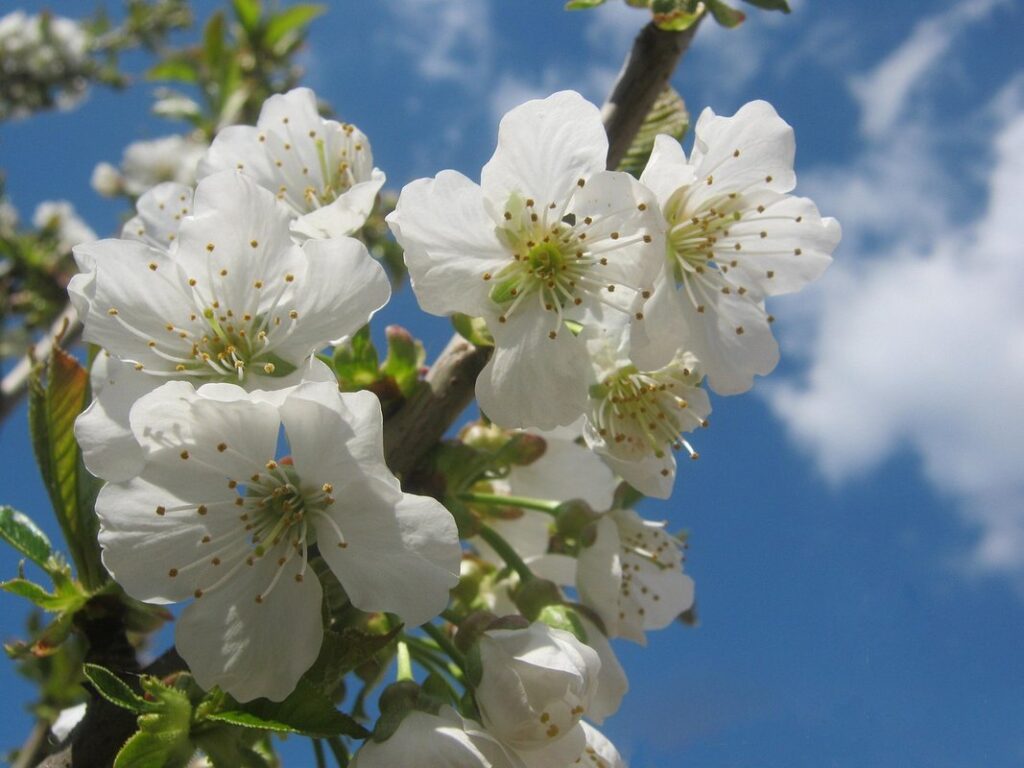
Understanding Why Fruit Trees Produce Fruit
When it comes to stopping a fruit tree from producing fruit, understanding why trees produce fruit in the first place is crucial for making informed decisions. This process starts with learning about the factors that trigger fruiting.
The Role of Hormones in Fruit Development
To fully understand why fruit trees produce fruit and ultimately stop them from producing it, we need to delve into the biological process behind fruit development. Hormones play a crucial role in this process, particularly auxins and ethylene.
Auxins are plant hormones that promote cell elongation and cell division, leading to stem growth and leaf development. In the case of fruit trees, auxins stimulate the formation of flowers and subsequent fruit growth. Ethylene, on the other hand, is responsible for regulating the ripening process. When fruits mature, they release ethylene gas, which triggers a cascade of biochemical reactions that ultimately lead to ripening.
Understanding how these hormones work can help you manipulate the fruiting process in your tree. For instance, applying auxin inhibitors can slow down or prevent flower and fruit formation. Similarly, manipulating ethylene production through techniques like pruning or using ethylene-absorbing agents can delay or stop fruit ripening.
Factors Influencing Fruit Production
When it comes to growing fruit trees, understanding what affects their productivity is crucial. Environmental factors play a significant role in determining when and how much fruit a tree produces. Temperature, for instance, is one of the most critical elements. Fruit trees typically require a certain number of chill hours (hours below 45°F) to break dormancy and initiate flowering. Without adequate chilling, some varieties may not produce fruit at all.
Light availability is another essential factor. Most fruit trees need full sun to partial shade to thrive, but some may require more or less depending on their specific needs. For example, citrus trees prefer bright sunlight, while apple trees can tolerate more shaded conditions. Water availability also has a profound impact on fruit production. Fruit trees need consistent moisture, especially during the fruiting stage, but overwatering can lead to disease and nutrient deficiencies.
In regions with extreme temperatures or water scarcity, it’s essential to choose tree varieties that are adapted to these conditions.
Tree Age and Fruiting Patterns
When it comes to stopping a fruit tree from producing fruit, understanding its age and previous pruning practices is crucial. Young trees, typically those under 2-3 years old, focus their energy on growth rather than fruit production. This means that even if they produce some fruit, the quantity will be relatively low. On the other hand, older trees tend to produce more fruit, but this can also mean a heavier load for the tree, potentially leading to disease and pest issues.
Previous pruning practices play a significant role in determining how much and when a fruit tree produces fruit. Trees that have been heavily pruned may take several years to recover and start producing fruit again. If your goal is to stop a fruit tree from producing fruit, consider pruning it more aggressively than usual to redirect its energy towards growth rather than reproduction.
It’s also worth noting that some trees, such as dwarf or semi-dwarf varieties, are bred specifically for heavy fruit production within a shorter timeframe. In these cases, stopping the tree from producing fruit may be more challenging due to their genetic predisposition.
Pruning Techniques for Reduced Fruit Production
When pruning techniques are used strategically, you can effectively reduce fruit production and encourage your tree to focus energy on growth rather than fruiting. Let’s explore some specific techniques to try.
Tip Thinning for a Balanced Canopy
When it comes to reducing fruit production on your tree, tip thinning is an essential pruning technique that not only minimizes fruit load but also promotes healthy growth. By selectively removing the terminal buds from branches, you’re redirecting the tree’s energy towards vegetative growth rather than producing excessive fruit.
This simple yet effective method can be applied during late winter or early spring when your tree is still dormant. Start by identifying the strongest and most vigorous shoots on your tree. Selectively remove a few of these shoots to reduce the overall fruit load while allowing other branches to continue growing. Be cautious not to over-prune, as this can stress the tree.
By tip thinning, you’re enabling your tree to focus its resources on developing a balanced canopy structure. This promotes better air circulation, increased sunlight penetration, and improved pest resistance. As a result, you’ll see an overall decrease in fruit production without sacrificing the tree’s health or vigor. Regular tip thinning can become an essential part of your pruning routine for maintaining a well-balanced and productive fruit tree.
Selective Pruning for Defoliation or Branch Reduction
When it comes to controlling fruiting on a tree, selective pruning can be a powerful tool. By strategically removing branches and leaves, you can drastically reduce the amount of fruit produced by your tree. This technique is particularly useful for fruit trees that are over-producing or for those who want to direct their tree’s energy towards vegetative growth.
To start, identify the branches that are producing the most fruit. These will often be the oldest, most established branches on the tree. Look for signs of fruiting such as flowers, fruitlets, and developing fruit. Use loppers or pruning saws to carefully cut these branches at a 45-degree angle just above a bud eye. This will help redirect energy from fruit production towards new growth.
Removing entire branches can also be an effective way to reduce fruiting. Choose branches that are crossing or rubbing against each other, as well as those growing towards the center of the tree. Cutting these back by about one-third to one-half will promote air circulation and encourage more balanced growth.
When pruning for defoliation, focus on removing select leaves from the most vigorous shoots. This will help reduce transpiration and direct energy away from fruit production. Be sure to make clean cuts just above a bud eye to minimize stress on the tree.
Considerations for Young Trees and Grafts
When pruning young trees and grafted varieties, it’s essential to consider their unique needs to effectively reduce fruit production. Young trees, typically under 2 years old, have a higher energy focus on growth rather than fruiting. Pruning at this stage can be quite aggressive, but it’s crucial for establishing a strong framework that will support the tree’s future development.
For young trees, prune back the central leader by one-third to half its height. This will encourage branching and reduce the amount of energy directed towards producing fruit. Also, remove any weak or damaged branches, as these can be more prone to disease and pests. When grafting, consider the compatibility of the scion (the grafted branch) with the rootstock. If the scion is too vigorous, it may over-take the rootstock, leading to reduced yields.
For grafted varieties, prune the top third of the tree annually to maintain a balance between growth and fruit production. This will also help control the vigor of the scion and encourage a more even distribution of energy throughout the tree. Remember, patience is key – it may take several years for these trees to adjust to their new pruning regime and produce less fruit.
Hormonal Manipulation to Suppress Fruit Production
To effectively suppress fruit production, you’ll want to explore hormonal manipulation techniques that can help regulate your tree’s reproductive cycle. This method involves using specific chemicals to control growth and flowering.
Ethylene Inhibitors for Reduced Fruiting
When it comes to reducing fruit production on a tree, ethylene inhibitors can be a valuable tool. These chemicals work by blocking the plant’s natural process of producing ethylene gas, which stimulates fruit growth and ripening.
Two common ethylene inhibitors used for this purpose are ethephon and AVG (aminooxyacetic acid). Etnepon is often applied as a foliar spray or soil drench, while AVG can be applied directly to the tree’s leaves. Both chemicals have been shown to reduce fruit set and delay ripening in various fruit trees.
In practice, ethylene inhibitors are typically used in combination with other methods of hormonal manipulation, such as pruning and root restriction. For example, a farmer might apply ethephon to the tree in the spring, followed by regular pruning throughout the growing season to further control fruiting.
When using ethylene inhibitors, it’s essential to follow the recommended application rates and timing for your specific tree variety and climate. This will help minimize potential side effects on plant health while achieving the desired reduction in fruit production.
Chemical Thinning Agents
If you’re looking for alternative methods to suppress fruit production on your tree, chemical thinning agents can be an effective solution. These chemicals work by altering the hormone balance within the tree, preventing it from producing excessive fruit.
One common chemical used for this purpose is ethephon (2-chloroethylphosphonic acid). When applied to the blossoms or young fruit, ethephon triggers a series of biochemical reactions that reduce cell division and growth. This results in smaller fruit sizes and fewer overall fruits on the tree. For example, research has shown that applying ethephon at 0.5% concentration can lead to an average reduction of 30-40% in fruit production.
Another option is NAA (naphthaleneacetic acid), which is often used as a thinning agent for stone fruits like peaches and nectarines. When applied early in the growing season, NAA prevents the formation of new flowers and reduces the size of existing ones, resulting in fewer and smaller fruit.
When using chemical thinning agents, it’s essential to follow the recommended application rates and timing to avoid damaging your tree or reducing its productivity in future seasons. Regular monitoring of your tree’s response will also help you adjust your approach as needed.
Timing and Frequency of Applications
When it comes to hormonal manipulation methods for suppressing fruit production in trees, timing and frequency of applications are crucial. Research suggests that optimal application times can vary depending on factors such as tree species, climate, and stage of growth.
To maximize the effectiveness of hormonal manipulation, it’s essential to apply the necessary chemicals during specific periods of tree development. For example, applying ethylene inhibitors or auxin regulators in the late winter or early spring can help suppress fruiting in deciduous trees. In contrast, evergreen trees may benefit from applications made in mid-summer.
The frequency of applications also plays a significant role in successful hormonal manipulation. A general rule of thumb is to apply chemicals every 7-10 days during the active growing season. However, more frequent applications (every 3-5 days) may be necessary for optimal results in some cases. Consult with local experts or conduct trial runs to determine the most effective application schedule for your specific tree species and climate.
Maturity Control Methods
Let’s explore some practical methods for controlling a fruit tree’s maturity, ensuring it focuses energy on growth rather than producing fruit. We’ll dive into simple yet effective techniques to achieve this goal.
Cross-Pollination Management
Controlling cross-pollination is another effective method to reduce fruiting in fruit trees. When you want to stop a fruit tree from producing fruit, managing cross-pollination is crucial because it directly affects the tree’s ability to produce fruit. This process can be achieved through bagging or pruning.
Bagging involves covering the flowers with fine mesh bags or paper bags to prevent pollinators like bees and butterflies from accessing them. By doing so, you’re effectively blocking pollen transfer between the male and female parts of the flower, which is necessary for fertilization and fruit development. For instance, if you want to stop a dwarf apple tree from producing fruit, bagging its flowers can be an effective solution.
Pruning is another way to manage cross-pollination by removing flowers or branches that contain them. This method should be done carefully, as over-pruning can weaken the tree and make it more susceptible to disease. A good pruning strategy involves cutting off any weak growths and reducing the overall density of the tree’s canopy.
Pollination Suppression Techniques
To prevent pollination and subsequently stop fruit production, some gardeners opt for pollination suppression techniques. This approach aims to block or disrupt the pollinators’ ability to transfer pollen between flowers, thereby preventing fertilization.
One method is to manually remove pollinators like bees, butterflies, or even birds from the area surrounding the tree during peak pollination times. For example, gently sweeping away bee hives or covering nearby flowerbeds can significantly reduce the number of pollinators that come into contact with your fruit tree.
Another approach involves using physical barriers to block access to flowers and prevent pollination. This could include:
• Wrapping individual branches with fine-mesh screens or breathable cloth
• Covering the entire tree with a frost blanket or sheet
• Creating a 3-foot radius around the tree free from any flowering plants that might attract pollinators
Regularly inspect your tree for signs of new growth and intervene promptly to prevent any potential blossoms from opening, thereby reducing the likelihood of successful pollination.
Flower Bud Removal
Removing flower buds is an effective method for controlling fruit production in trees. This technique works by eliminating the reproductive cycle of the tree, thereby preventing it from producing flowers and subsequently fruits. Timing is crucial when removing flower buds. You should ideally remove them as soon as they appear in early spring or even before they do if you can spot them during dormancy.
To successfully remove flower buds, you’ll need to use a combination of careful pruning techniques and sharp tools. A good pair of loppers or pruning shears will make the task easier and more efficient. When removing the bud, be sure to cut it at an angle about 1/4 inch above the branch’s collar (the swollen area where the leaf meets the stem). This helps prevent disease and encourages new growth.
This method may not work for every tree, as some varieties are more sensitive to pruning than others. However, with consistent practice and attention to detail, you can effectively reduce fruit production in your trees using this technique.
Considerations for Pest and Disease Management
When it comes to managing pest and disease issues on your fruit tree, proper planning can make all the difference in preventing problems down the line. This involves taking a proactive approach to prevent infestations and infections from getting out of hand.
Integrated Pest Management (IPM) Strategies
When it comes to managing pests and diseases on fruit trees, Integrated Pest Management (IPM) strategies are essential for long-term tree health. IPM considers a combination of chemical, cultural, and biological controls to minimize harm to the environment and promote sustainable practices.
Chemical controls involve using pesticides as a last resort when other methods have failed. For example, if an infestation of scale insects is threatening your fruit crop, a targeted pesticide application may be necessary. However, this should only be done after monitoring and identifying the pest population, and taking steps to reduce their numbers through cultural practices.
Cultural controls involve modifying tree care practices to discourage pests and diseases from taking hold. This can include pruning trees regularly to improve air circulation, removing weeds that provide shelter for pests, and adjusting irrigation schedules to avoid overwatering.
Biological controls use living organisms to control pest populations. For example, introducing beneficial insects like lady beetles or lacewings to prey on aphids or other pests can be a natural and effective method of pest management.
By combining these approaches, you can create a comprehensive IPM plan that not only stops your fruit tree from producing fruit but also promotes overall tree health and sustainability.
Fungicides and Other Chemical Controls
When it comes to managing pests and diseases that can affect fruit production, fungicides and other chemical controls are often considered a last resort. However, in extreme cases where the tree’s health is at risk, they may be necessary.
Before reaching for chemicals, make sure you’ve identified the specific issue plaguing your tree. A common problem with over-producing fruit trees is powdery mildew, a fungal disease that appears as a white, powdery coating on leaves and stems. Copper-based fungicides can be effective in treating this condition, but be sure to follow label instructions carefully.
Other chemicals may be necessary for managing pests like aphids, whiteflies, or spider mites, which can spread disease and weaken the tree’s defenses. Neem oil and insecticidal soap are popular alternatives to harsher pesticides, as they target specific pest populations without harming beneficial insects.
When using fungicides or other chemical controls, it’s essential to maintain a delicate balance between controlling pests and diseases and avoiding harm to the tree itself. Overuse of chemicals can damage the tree’s health and potentially contaminate soil and water sources. Always follow Integrated Pest Management (IPM) principles, which prioritize long-term solutions over short-term fixes.
Organic and Sustainable Practices
When it comes to managing pests and diseases in your orchard without harming the environment, organic and sustainable practices are a must. These methods not only promote eco-friendliness but also contribute to long-term soil health and biodiversity.
To begin with, maintain good sanitation habits by removing weeds and debris around your fruit trees. Regularly inspect your plants for signs of pests or diseases and take action promptly. For instance, if you notice aphids on your apple tree, use neem oil or insecticidal soap to control the infestation without harming beneficial insects.
Companion planting is another effective way to deter pests naturally. Certain herbs like basil, mint, and rosemary can repel aphids, whiteflies, and other unwanted insects. Consider adding these plants around your fruit trees to create a balanced ecosystem.
Additionally, crop rotation can help reduce soil-borne diseases by breaking the disease cycle. Alternate between different types of fruits or vegetables in your orchard to maintain soil health and minimize the risk of pests and diseases. By incorporating these organic practices into your management routine, you’ll be able to keep your fruit trees healthy without compromising their ability to stop producing fruit.
Frequently Asked Questions
What if I’m new to fruit tree care? Where do I start with reducing fruit production?
If you’re new to fruit tree care, it’s essential to begin by understanding the specific needs of your trees. Start by observing your trees’ growth patterns and fruiting habits. Identify any existing issues that may be contributing to excessive fruiting. Once you have a better understanding of your trees, you can begin implementing pruning techniques or hormonal manipulation methods.
How often should I apply ethylene inhibitors for reduced fruit production?
Ethylene inhibitors are typically applied in the spring before budbreak. However, this timing may vary depending on your specific climate and tree species. It’s crucial to follow the manufacturer’s instructions and monitor your trees’ responses to adjust application frequencies accordingly. Regular monitoring will also help you determine when to discontinue or adjust ethylene inhibitor applications.
Can I use pruning techniques for young trees with reduced fruit production?
While pruning can be an effective method for reducing fruit production, it may not be suitable for young trees. Young trees require careful pruning to promote healthy growth and development. If your goal is to reduce fruiting in a young tree, consider using hormonal manipulation methods or delayed training. This will allow the tree to focus on developing its root system and structure before attempting to control fruit production.
How can I integrate reduced fruit production with integrated pest management (IPM) strategies?
Reduced fruit production can be an essential component of IPM strategies. By controlling fruiting, you’ll create a less appealing environment for pests and diseases, making it easier to implement other IPM methods. Combine pruning techniques or hormonal manipulation with biological controls, cultural practices, and physical barriers to create a comprehensive IPM plan.
What if I notice unintended consequences from reducing fruit production? How can I adjust my approach?
If you observe unintended consequences, such as reduced tree growth or increased susceptibility to disease, it’s essential to reassess your approach. Adjust pruning techniques, hormonal manipulation methods, or ethylene inhibitor applications based on your observations. Consider consulting with a horticultural expert or conducting further research to optimize your strategies for balanced fruit production and tree health.