
If you’re tired of seeing your garden devoured by pesky chipmunks, you’re not alone. These cute critters may bring joy to some, but their love for plants can be devastating to yours. Chipmunk damage can quickly spiral out of control, leaving you with a yard that’s more holes than lawn. But don’t worry, there are effective ways to protect your garden and yard from chipmunks. In this article, we’ll explore the best repellents, habitat modification techniques, and humane control methods to prevent chipmunk infestations and keep your plants safe. From using predator urine deterrents to adjusting your landscaping, we’ll cover it all to help you reclaim your garden and enjoy a chipmunk-free outdoor space.
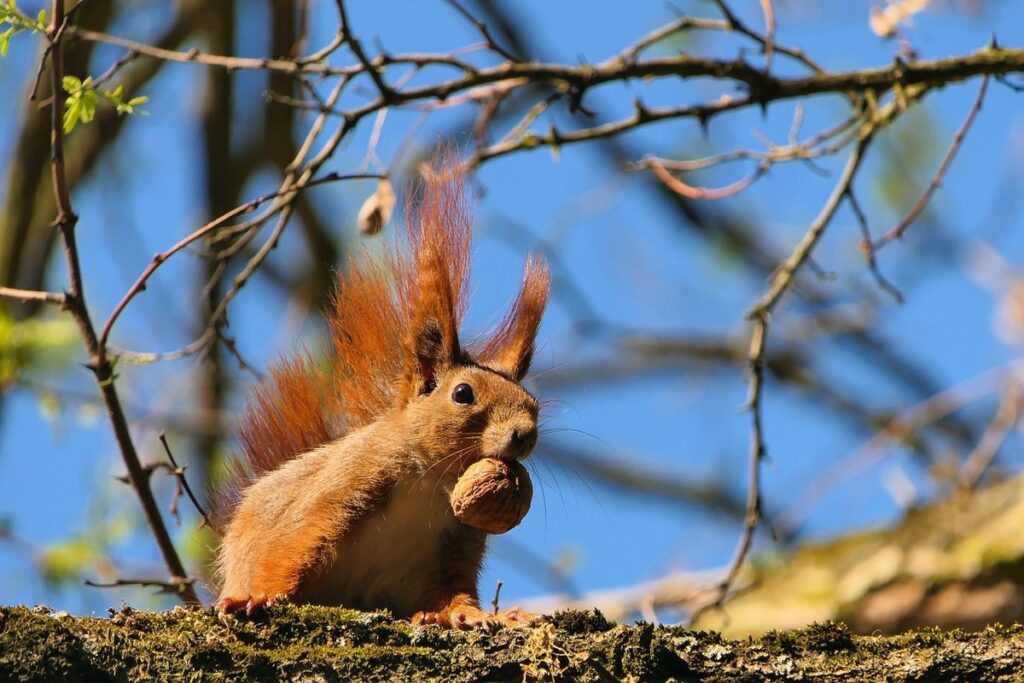
Understanding Chipmunk Behavior and Preferences
To effectively stop chipmunks from eating plants, it’s essential to understand their behavior and preferences, which can vary depending on the season and available food sources. Let’s take a closer look at what motivates these tiny critters.
Chipmunk Habitat and Diet
Chipmunks are primarily herbivores and their diet consists mainly of plants. They tend to feed on various types of vegetation, including fruits, seeds, nuts, and roots. In the garden, they particularly target plants with high nutritional value such as berries, tomatoes, and other soft-skinned fruits.
Their preferred habitats also contribute significantly to plant damage. Chipmunks are typically found in areas with abundant food sources, good shelter options, and proximity to water sources. They often burrow into soil beneath gardens or create nests using leaves, twigs, and other plant material. This allows them to stay close to their food sources while minimizing exposure to predators.
To understand why chipmunks tend to eat certain plants over others, it’s essential to recognize the importance of their nutritional needs. Chipmunks have specific dietary requirements that they need to meet, particularly during the breeding season or when preparing for hibernation. By acknowledging these needs and taking steps to address them, you can reduce the likelihood of plant damage in your garden.
Identifying Chipmunk Infestations
If you suspect that chipmunks are raiding your garden or eating your plants, it’s essential to identify the signs of an infestation to take action. One of the most obvious indicators is gnaw marks on plants and stems. Chipmunks love to nibble on tender shoots and leaves, often causing visible damage. If you notice any chewed-up plant material, it could be a sign that chipmunks are frequenting your garden.
Another telltale sign is burrows in the soil. Chipmunks dig complex tunnel systems to store food and shelter from predators. Look for small holes or mounds of dirt near plants or around garden beds. These burrows can lead to significant damage to plant roots, causing them to become exposed and vulnerable.
Finally, keep an eye out for scattered seed husks around your plants. Chipmunks often cache seeds in various spots, leaving behind the empty husks as evidence. If you notice a cluster of these husks near your plants, it could indicate that chipmunks are storing food there. By recognizing these signs, you’ll be better equipped to take steps towards protecting your garden and preventing chipmunk damage.
Choosing Effective Repellents and Deterrents
When it comes to keeping chipmunks away from your plants, using the right repellents and deterrents is crucial. In this section, we’ll walk you through effective options to try.
Plant-Based Repellents
When it comes to keeping chipmunks away from your plants, you don’t have to rely on harsh chemicals. Plant-based repellents are a great alternative that can be just as effective. One popular option is hot pepper sprays. These sprays contain capsaicin, the active ingredient in chili peppers that gives them their heat. When applied to plants, it deters chipmunks from feeding on them.
You can make your own hot pepper spray at home by mixing a few drops of hot sauce with water. However, be cautious when handling hot peppers as they can cause skin irritation and eye burning. Another option is garlic-based repellents. Chipmunks detest the smell of garlic, so spraying it around plants or mixing it with water to create a spray can help keep them away.
Some plant extracts, such as those from lemongrass or citronella, also repel chipmunks. These oils are derived from tropical grasses and have natural insect-repelling properties. You can mix a few drops of these oils with water and spray it around your plants to create a barrier against chipmunks. Keep in mind that you may need to reapply these repellents regularly as they can wear off quickly.
Physical Barriers and Fencing
When it comes to preventing chipmunks from accessing your plants, physical barriers are an effective solution. One of the most common and effective methods is installing fencing around your garden or individual plants. The type of fence you choose depends on the size of the area and the level of protection needed.
For smaller gardens or areas, a simple chicken wire or mesh barrier can be used. These materials allow for airflow while preventing chipmunks from climbing through. Make sure to bury the fencing at least 12 inches underground to prevent burrowing animals from digging underneath.
A more permanent solution is installing a metal or plastic fence that surrounds the entire garden bed. This option provides maximum protection and comes in various heights, ranging from 3 to 6 feet tall. Consider using hardware cloth or chicken wire with openings of 1 inch or smaller to keep chipmunks out.
When selecting fencing materials, be sure to choose durable options that can withstand outdoor weather conditions. Regularly inspect your fences for any signs of damage and repair them promptly to maintain their effectiveness in keeping chipmunks away from your plants.
Implementing Habitat Modification Techniques
To effectively deter chipmunks from eating your plants, you’ll want to learn how to modify their habitat and make it less appealing to them. This involves making a few simple changes to your outdoor space.
Removing Food Sources
Removing debris and weeds that attract insects is crucial when implementing habitat modification techniques to stop chipmunks from eating plants. These small creatures are attracted to food sources like seeds, nuts, and fruits, which are often found in areas with dense vegetation. Weeds, in particular, can harbor aphids, whiteflies, and other pests that chipmunks love to eat.
To remove these potential food sources, start by inspecting your garden or yard for any weeds, dead plants, or debris. Remove any weed growth around the base of your prized plants, as well as in areas where chipmunks are most active. You can use a combination of mulch and compost to suppress weed growth and create an environment that discourages chipmunk activity.
For example, if you have a garden bed with a lot of weeds, consider using a non-toxic herbicide or manually pulling them out. By removing these attractants, you’ll make your plants less appealing to chipmunks, reducing the likelihood of them eating your plants.
Creating Chipmunk-Free Zones
Creating designated chipmunk-free zones is an effective way to protect your plants from these pesky critters. To do this, you’ll need to create a barrier that’s unappealing to chipmunks and deters them from entering the area. Start by identifying the areas of your garden or yard where chipmunks are most active, then designate these zones as off-limits.
To make these zones less appealing to chipmunks, focus on removing any food sources and making the area less hospitable. For example, keep the ground free of debris and leaves, which can attract chipmunks. You can also use physical barriers like fencing or netting to enclose the area. If you have a vegetable garden, consider using row covers or individual plant cages to protect your plants.
Another effective approach is to make the soil less conducive to chipmunk burrowing. Chipmunks prefer loose, sandy soils for digging, so amend your soil with compost or topsoil that’s denser and harder for them to dig through. This will make it more difficult for them to create tunnels and nests in these areas.
By creating chipmunk-free zones, you can effectively protect your plants from these rodents and prevent further damage.
Using Humane Deterrents and Control Methods
Now that you’ve tried some other methods, it’s time to explore humane deterrents and control methods to keep those pesky chipmunks from eating your plants. Let’s dive into some effective yet gentle ways to deter them.
Ultrasonic Repellent Devices
Ultrasonic repellent devices have gained popularity as a humane method to deter chipmunks from plants. These devices emit high-frequency sounds undetectable to humans and other animals, but unpleasant for chipmunks. The effectiveness of ultrasonic devices is still debated, with some studies showing minimal impact on animal behavior.
When choosing an ultrasonic repellent device, consider the coverage area and the sound frequency it emits. Some devices claim to repel chipmunks within a 1,000-2,000 square foot radius, while others may require multiple units for effective coverage. Additionally, ensure the device is specifically designed to target rodents and not just generic pests.
To maximize effectiveness, place ultrasonic repellent devices near areas where chipmunks are most active or around affected plants. It’s essential to note that these devices might need to be used in conjunction with other humane control methods, such as removing attractants (e.g., fallen fruit) or using physical barriers like fencing.
Live Trapping and Relocation
If you’ve decided that live trapping and relocation is the best approach for managing chipmunks in your garden or yard, it’s essential to do it correctly. Live traps are humane devices designed to capture chipmunks without harming them.
To use a live trap effectively, place it near areas where chipmunks frequent, baiting it with their favorite foods like nuts, seeds, or fruits. Once you’ve caught a chipmunk, handle it gently and humanely, making sure not to stress the animal further. Release it at least 5-10 miles away from your property to prevent recapture.
Relocation is crucial because re-capturing can occur if chipmunks return to their familiar territory. When releasing the captured chipmunk, choose a location with suitable habitat and minimal food competition. Consider factors like local regulations regarding wildlife relocation and the potential impact on native ecosystems before embarking on this method.
Remember that live trapping and relocation may not completely stop chipmunks from eating plants but can help manage populations effectively when combined with other humane deterrent methods. Always prioritize animal welfare, safety, and environmental considerations in your approach to managing these critters.
Integrating Multiple Deterrents for Optimal Results
To achieve maximum success, it’s essential to combine multiple deterrent methods and tailor them to your specific garden’s needs. We’ll explore how to effectively integrate different techniques in this next step.
Combining Repellents and Physical Barriers
When it comes to keeping chipmunks away from your plants, relying on a single deterrent method might not be enough. This is where combining repellents and physical barriers comes into play. By using a multi-faceted approach, you can create a robust defense system that minimizes the likelihood of chipmunk damage.
Start by setting up physical barriers around your plants, such as fencing or mesh screens. Chipmunks are skilled climbers, so make sure to extend these barriers at least 3 feet above ground level and extend them outwards from the plant’s base to prevent burrowing. Next, consider using repellents in conjunction with these barriers.
For example, you can spray chipmunk-repellent granules or sprays around the perimeter of your plants, while also placing cotton balls soaked in hot pepper sauce near the area. This combination will create a two-pronged attack that deters chipmunks from approaching your plants. Remember to reapply repellents regularly as their effectiveness can wane over time.
Regular Maintenance and Monitoring
Regular monitoring and maintenance are crucial steps in ensuring that chipmunk deterrents remain effective. Just like any other pest control measure, these deterrents can lose their potency over time if not regularly checked and maintained. For instance, a repellent spray may need to be reapplied after heavy rainfall or when the plants are watered extensively. Similarly, bait traps might require replenishment of bait or replacement with new ones.
To stay on top of maintenance, schedule regular inspections around your garden or yard. Keep an eye out for signs of chipmunk activity, such as burrows near plant beds or scattered seed shells around the area. It’s also essential to check the integrity of physical barriers like fencing and netting regularly. Make repairs promptly if you notice any damage or weakness in these deterrents.
By staying vigilant and performing regular maintenance checks, you can ensure that your chipmunk deterrents continue to safeguard your plants effectively. This includes reapplying repellents as needed, replenishing bait traps, and repairing physical barriers. By doing so, you’ll be able to enjoy a chipmunk-free garden for seasons to come.
Prevention is Key: Long-Term Strategies for Chipmunk Control
Effective long-term strategies are essential for preventing chipmunks from eating your plants, which we’ll cover in more detail below. Let’s explore some proven methods to keep these pesky critters at bay.
Seasonal Planning and Preparation
To successfully prevent chipmunks from eating your plants, it’s essential to incorporate seasonal planning and preparation into your garden strategy. Chipmunks are most active during the fall and spring when they’re searching for food to store for winter or to feed their young. During these periods, they’ll often target plant roots, bulbs, and seeds.
To prepare for chipmunk migrations, focus on planting season-specific plants that are less appealing to these critters. In the spring, consider using plants with strong scents, such as daffodils or hyacinths, which can help deter chipmunks from entering your garden. For fall plantings, opt for crops like Brussels sprouts or cabbage, which have a taste and texture that chipmunks tend to dislike.
Incorporating these strategies into your gardening plan will require some thought ahead of time. Plan your planting schedule around the local chipmunk migration patterns and choose plants that are native to your region but less desirable to chipmunks. This proactive approach can significantly reduce the likelihood of plant damage from these pests.
Ongoing Monitoring and Adaptation
Ongoing monitoring and adaptation are crucial components of maintaining a chipmunk-free environment. As you’ve implemented deterrent methods and habitat modifications, it’s essential to remain vigilant and adapt as needed. Chipmunks can be unpredictable creatures, and their behavior may change over time due to various factors such as weather patterns, food availability, or the presence of predators.
To effectively monitor your progress, observe chipmunk activity regularly, ideally during peak feeding hours (early morning and late afternoon). Note any changes in behavior, such as increased foraging areas or new entry points. If you’ve installed physical barriers like fencing or mesh, inspect these frequently for signs of damage or wear.
In addition to monitoring, be prepared to adjust your deterrent methods based on the data collected. For example, if you notice chipmunks consistently targeting a specific plant species, consider replacing it with a chipmunk-resistant alternative or increasing the effectiveness of repellents in that area. This proactive approach will help maintain a balanced ecosystem and ensure your plants remain safe from chipmunk damage.
Frequently Asked Questions
Can I use a combination of repellents and physical barriers for optimal results?
Yes, combining repellents with physical barriers can be an effective approach to preventing chipmunk infestations. For example, you could use predator urine deterrents around plants and install fencing to prevent chipmunks from entering your garden.
How do I know which type of repellent is best suited for my garden?
The choice of repellent depends on the specific needs and preferences of your garden. If you have a large area with many different types of plants, consider using a broad-spectrum repellent like predator urine or hot pepper spray. For smaller areas or targeted problems, try using plant-based repellents like citronella oil or garlic.
Can I use live trapping and relocation as a permanent solution to chipmunk control?
No, live trapping and relocation should be used as a temporary measure to remove an immediate infestation problem. If you continue to attract chipmunks with food sources or suitable habitats, they will eventually return. Focus on creating long-term solutions by removing food sources, modifying your landscape, and using repellents.
How often do I need to reapply repellents, especially in areas with high traffic from chipmunks?
The frequency of reapplication depends on the type of repellent, local weather conditions, and the level of chipmunk activity. Generally, you should reapply repellents every 2-4 weeks, or more frequently during peak season when chipmunks are most active.
What’s the best way to ensure that my garden is completely free of chipmunks?
Creating a comprehensive plan for long-term control involves removing food sources, modifying your landscape to discourage habitation, using repellents and physical barriers, and regularly monitoring your garden. Additionally, consider implementing seasonal planning and preparation strategies to stay ahead of potential infestations.