
Starting your tomato plants from seed can be a thrilling experience, but it requires careful planning to ensure a bountiful harvest. Timing is everything when it comes to starting tomato seeds, and getting it right can make all the difference between a healthy crop and one that struggles to thrive. But what exactly does optimal timing look like for tomato seedlings? And how do you know if your young plants are on track to produce the abundance of juicy tomatoes you’re hoping for?
In this article, we’ll delve into the world of successful tomato seed starting, covering everything from understanding seedling health to troubleshooting common issues that can trip up even the most experienced gardeners. By the end of it, you’ll be equipped with the knowledge and confidence to coax your tomato plants towards a record-breaking harvest. Let’s get started on this journey to grow perfect tomatoes!
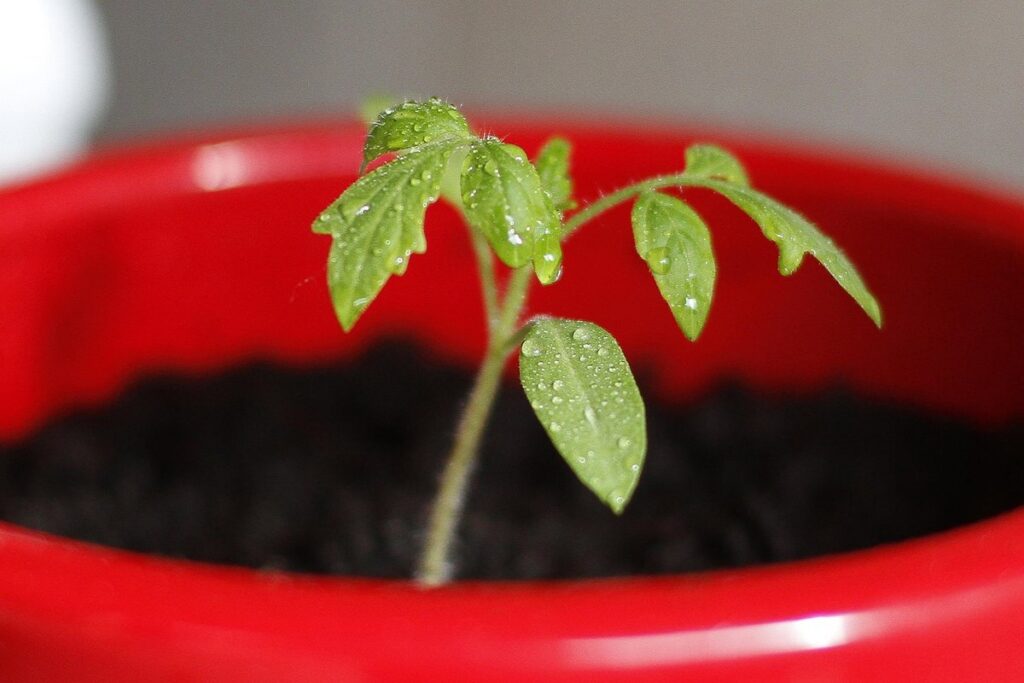
Understanding the Importance of Seed Starting Timing
When it comes to starting tomato seeds, timing is crucial for a healthy and productive harvest. In this next part, we’ll break down what you need to know about seed starting timing to ensure success.
Factors Influencing Seedling Health
When starting tomato seeds, it’s essential to understand that seedling health during germination is heavily influenced by three critical factors: temperature, light, and moisture. Temperature plays a significant role in determining the speed at which seeds germinate and grow. Tomato seeds typically require a warm temperature of around 70-80°F (21-27°C) for optimal growth. If the temperature is too low, seedlings may be weak and susceptible to disease.
Lighting also affects seedling health. Seeds started indoors often rely on artificial lighting, such as LED grow lights or fluorescent lamps. However, if these lights are too far away from the seeds, they may not receive sufficient light for photosynthesis. This can lead to stunted growth and poor overall development. Aim for at least 12-14 hours of light exposure per day.
Maintaining optimal moisture levels is crucial as well. Seeds need consistent moisture to germinate but should be watered carefully to avoid overwatering, which can cause the seeds to rot. Check the soil daily and water only when it feels dry to the touch. By controlling these factors, you can create an ideal environment for your tomato seedlings to thrive before transplanting them outdoors.
Determining Optimal Sowing Dates
To determine optimal sowing dates for tomato seeds, you’ll need to consider two key factors: average frost dates and climate zones. Start by researching the last frost date for your specific region. This information will help you understand when it’s safe to transfer seedlings outdoors.
Next, consult a climate zone map to identify your local temperature patterns. In cooler climates, it may be necessary to start seeds indoors 6-8 weeks before the last frost date. For warmer climates, seeds can often be direct-sown in late spring or early summer. As a general rule of thumb, tomato plants require at least 60 days of warm weather to mature.
To calculate ideal sowing dates, simply subtract 60 days from your last frost date and adjust based on climate zone. For example, if your area’s last frost date is May 15th and you live in a cool climate, start seeds indoors around February 20th. Be sure to check the weather forecast regularly and harden off seedlings before transferring them outdoors.
Choosing the Right Variety for Your Climate
Choosing a tomato variety that thrives in your specific climate is crucial, and here’s how to select one that will give you the best results.
Selecting Tomatoes Suited to Your Region
When starting tomato seeds, timing is crucial, but it’s equally important to choose varieties that thrive in your specific climate. With so many types of tomatoes available, selecting the right one can be overwhelming. To ensure a successful harvest, consider the following factors when choosing a tomato variety suited to your region.
First, think about your local frost dates and average temperature ranges. Cool-season varieties, such as ‘Early Girl’ or ‘Patio’, are ideal for areas with short growing seasons or cooler climates. They mature quickly, often in as little as 50-60 days, and can tolerate light frosts.
On the other hand, warm-season varieties like ‘Beefsteak’ or ‘Cherry Roma’ excel in regions with long growing seasons and high temperatures. These varieties require around 70-80 days to mature and can handle warmer weather conditions.
Check your local nurseries or gardening clubs for recommendations on tomato varieties that have performed well in your area. Some popular region-specific varieties include:
* West Coast: ‘Early Girl’, ‘Patio’
* East Coast: ‘Brandywine’, ‘Cherokee Purple’
* Southern states: ‘Better Boy’, ‘Early Wonder’
Keep in mind that even within regions, specific climate conditions can affect tomato growth. Research and choose varieties that are resistant to diseases prevalent in your area, such as fusarium wilt or nematodes. By selecting the right variety for your region, you’ll set yourself up for a successful harvest and a bountiful crop of delicious homegrown tomatoes.
Understanding Seed Availability and Germination Rates
When it comes to starting tomato seeds, understanding seed availability and germination rates is crucial for planning and achieving success. Seed packages often list a guaranteed germination rate, which can range from 70% to 95%. However, this number doesn’t necessarily reflect the actual performance in your specific climate.
To interpret seed packages accurately, look for the following information:
* The percentage of seeds that are expected to germinate under ideal conditions
* The number of days required for germination
* Any special instructions or notes regarding climate and soil requirements
Keep in mind that these numbers are averages, and actual results may vary depending on your specific growing conditions. For example, if you live in a cooler climate, the germination rate might be lower due to slower soil warming.
To plan accordingly, factor in some extra seeds beyond what’s recommended. This will ensure you have enough viable plants to replace any that don’t make it through the germination process or are lost due to other factors. A good rule of thumb is to start with 2-3 times the number of seeds listed on the package.
Preparing Soil and Equipment for Sowing
Before we dive into sowing those precious tomato seeds, let’s make sure our soil and equipment are ready to support their growth. This means prepping a few essential items to ensure success.
Soil Requirements for Tomato Seeds
When it comes to sowing tomato seeds, the soil quality plays a crucial role in determining their growth and health. Tomato plants thrive in well-draining, fertile soils with a pH between 6.0 and 7.0. If your soil’s pH is too low or high, it can lead to nutrient deficiencies, affecting the plant’s ability to absorb essential nutrients.
Aim for a mix of loam and sand for optimal drainage and aeration. Tomatoes also require a good amount of organic matter in the soil, so add compost or well-rotted manure to improve its fertility. Aim for a balanced diet with adequate levels of nitrogen (N), phosphorus (P), and potassium (K). A general-purpose fertilizer with an N-P-K ratio of 10-10-10 will suffice.
To prepare your soil, test its pH level and adjust it accordingly. Add lime to raise the pH or sulfur to lower it. Mix in compost or well-rotted manure to improve soil structure and fertility. Sow tomato seeds about ¼ inch deep in a seed starting mix specifically designed for seed germination. This will give them the best chance of growing into healthy seedlings.
Essential Tools and Supplies for Seed Starting
To start tomato seeds successfully, you’ll need some essential tools and supplies. Let’s begin with the basics: pots and seed trays. You can use cell packs, small pots, or even toilet paper rolls as makeshift mini-greenhouses for starting seeds.
For sowing and watering, a sponge is an invaluable tool. It helps to gently water the soil without washing away the delicate seeds. A soft-bristled brush can also be used to remove any excess seedlings from the seed tray once they’ve germinated.
Don’t forget to get your hands on some good quality potting mix specifically designed for starting seeds. This type of mix is usually sterile and has the right balance of nutrients for young seedlings.
A clear plastic or glass cloche can be used to create a mini-greenhouse effect over the seed tray, providing warmth and humidity. You’ll also need a watering can with a long spout for precise watering without disturbing the seeds.
Having these essential tools and supplies on hand will ensure that your tomato seeds get off to the best possible start. By investing in the right equipment, you’ll be able to provide them with the care they need to thrive.
Sowing Seeds: Techniques and Tips
To get the most out of your tomato seedlings, it’s essential to master a few key sowing techniques that ensure healthy growth from day one. Let’s dive into some expert tips!
Methods for Direct Sowing vs. Indoor Sowing
When deciding on the best method for starting tomato seeds, timing plays a significant role. Two popular approaches are direct sowing outdoors and indoor sowing followed by transplanting. Both methods have their advantages and disadvantages.
Direct sowing involves planting seeds directly into the ground at the desired time. This approach is ideal when you’re confident in your local climate and can provide the necessary conditions for optimal growth. However, it’s often challenging to achieve consistent results due to weather fluctuations and soil quality. For example, a late frost or extreme heat can damage young seedlings.
On the other hand, indoor sowing allows for more control over the environment. Seeds are started indoors 4-6 weeks before the last frost date in your area. This method enables you to provide optimal growing conditions and transplant healthy seedlings when the weather permits. Transplanting is a critical step that requires careful handling to minimize shock. Make sure to harden off seedlings by gradually exposing them to outdoor conditions over the course of 7-10 days before moving them into their final position.
When choosing between these methods, consider your local climate and soil quality. If you’re new to gardening or unsure about the timing, indoor sowing may be a safer bet. However, if you’re confident in your ability to provide optimal growing conditions outdoors, direct sowing can yield great results.
Seed Depth, Spacing, and Orientation
When it comes to sowing tomato seeds, ensuring the right seed depth, spacing, and orientation is crucial for successful germination. A common mistake many gardeners make is planting seeds too deep or too shallow, which can lead to poor germination rates.
As a general rule of thumb, plant tomato seeds about ¼ inch (6-8 mm) deep in the soil. This allows for even moisture retention and promotes healthy root development. However, if you’re starting with particularly large or hard seeds, such as heirloom varieties, you may need to go slightly deeper – up to ½ inch (1 cm).
In terms of spacing, tomato seedlings require about 2-3 inches (5-7.5 cm) between each other when sown. This allows for adequate air circulation and prevents overcrowding, which can lead to fungal diseases.
When it comes to orientation, sow seeds with the pointed end facing downwards towards the soil. This encourages the seedling to grow straight up, rather than at an angle or leaning to one side. By following these guidelines, you’ll be well on your way to achieving a high germination rate and setting yourself up for success when transplanting your seedlings outdoors.
Caring for Seedlings During the Germination Period
Now that your tomato seeds are sprouting, it’s crucial to provide them with optimal care during the germination period to ensure they grow strong and healthy. This section will cover the essential steps for seedling care.
Providing Adequate Light and Temperature
Maintaining ideal temperatures and light levels during germination is crucial for successful seedling development. Tomato seeds typically germinate within 7-14 days, but the environment plays a significant role in this process.
Temperature-wise, it’s essential to keep the area at around 60-70°F (15-21°C). This temperature range allows the seeds to break dormancy and start growing without stress. Most tomato varieties have an optimal germination temperature between 65-75°F (18-24°C), but 68-72°F (20-22°C) is a safe middle ground for most seeds.
Light levels also play a significant role during germination. While seeds don’t require direct sunlight, they do need sufficient indirect light to trigger growth. Aim for 15-20 hours of supplemental lighting or natural light per day. You can achieve this with grow lights or place the seed tray near an east-facing window. Some growers even use LED strips under their seed trays for consistent and controlled lighting.
Monitor your seedlings’ response to these conditions, adjusting as necessary to ensure optimal development.
Maintaining Proper Humidity and Moisture Levels
Maintaining high humidity and moisture levels during the germination period is crucial for successful seedling development. You see, tomato seeds are sensitive to drying out, and if the soil becomes too dry, it can cause the seeds to crack open and wither away. This can lead to a reduced germination rate or even prevent the seeds from sprouting altogether.
To maintain optimal moisture levels, make sure to water your seed trays gently but thoroughly after sowing the seeds. The goal is to keep the soil consistently moist but not waterlogged. Check the soil daily by sticking your finger into it up to the first knuckle; if it feels dry, it’s time to water again. Aim for a humidity level of 80-90% during this period. You can achieve this by covering the seed trays with plastic bags or cloths to create a mini-greenhouse effect.
By maintaining high humidity and moisture levels, you’ll give your seeds the best chance at successful germination. Remember, it’s all about creating a favorable environment for these tiny seeds to grow into healthy, robust seedlings.
Transplanting Seedlings into Larger Containers or Outdoors
Now that your seedlings are strong and healthy, it’s time to give them more room to grow by transplanting them into larger containers or directly outdoors. This is a crucial step in their development.
Preparing Seedlings for Transplant Shock
As you prepare to transplant your tomato seedlings into larger containers or outdoors, it’s essential to harden them off and minimize transplant shock. This process involves gradually exposing the seedlings to outdoor conditions over a period of 7-10 days. Start by moving the seedlings to a shaded area outdoors for 1-2 hours a day, then gradually increase the duration over the next few days.
To further reduce transplant shock, avoid disturbing the roots as much as possible. Gently remove the seedling from its container and place it in the new pot or garden bed, taking care not to damage any of the roots. Water the soil thoroughly after transplanting to help settle the roots and prevent moisture loss.
Another crucial step is to acclimate the seedlings to outdoor temperatures and light levels. If you’re planting in a spot with full sun, make sure to provide some shade for the first few days to prevent scorching. Keep an eye on your seedlings’ progress and adjust their exposure accordingly. By following these steps, you’ll be well-prepared to overcome transplant shock and give your tomato seedlings the best chance to thrive in their new environment.
Timing of Outdoor Transplantation Based on Weather Conditions
When transplanting seedlings outdoors, timing is crucial to ensure their survival and success. One of the most significant factors to consider is weather conditions. Tomatoes are sensitive to extreme temperatures, wind, and moisture fluctuations.
Wait for a period of calm, overcast weather or early morning when the sun’s rays are gentle. Avoid transplanting during intense heatwaves or prolonged periods of rain, which can lead to fungal diseases like powdery mildew. Instead, choose a day with moderate temperatures between 60°F and 70°F (15°C and 21°C), allowing seedlings to adjust gradually.
If possible, consider transplanting in the morning when soil is usually cooler. Avoid transplanting during the hottest part of the day when sun exposure can cause stress to young seedlings. Additionally, avoid transplanting on windy days, as this can lead to water loss through transpiration and make seedlings more susceptible to disease.
By timing outdoor transplantation according to weather conditions, you’ll give your tomato seedlings a solid foundation for healthy growth and productivity throughout the growing season.
Troubleshooting Common Issues with Tomato Seeds
Don’t worry if things don’t go as planned when starting your tomato seeds, we’ve got you covered. This section tackles common issues and provides practical solutions to get your seedlings back on track.
Identifying Common Causes of Poor Germination
When it comes to starting tomato seeds, timing is crucial for successful germination. However, many gardeners face challenges with poor germination rates, which can be frustrating and time-consuming. Let’s identify some common causes of poor germination so you can take corrective action.
Inadequate water is one major issue affecting germination rates. Tomato seeds need consistent moisture to break down their seed coat and initiate growth. If the soil dries out too quickly, the embryo within the seed may not be able to develop properly, leading to stunted or dead seedlings. To avoid this, make sure to keep the soil consistently moist but not waterlogged.
Temperature fluctuations can also hinder germination. Tomato seeds typically require a temperature range of 70-80°F (21-27°C) to germinate. If the soil is too cold, seeds may take longer to germinate or may not sprout at all. On the other hand, temperatures above 85°F (29°C) can lead to irregular germination or seedling death.
Keep in mind that different varieties of tomatoes have varying temperature requirements. Research your specific variety’s needs and adjust your sowing schedule accordingly. By paying attention to these common causes of poor germination, you’ll be better equipped to troubleshoot issues and enjoy a successful harvest.
Addressing Pests, Diseases, and Other Challenges
As you start nurturing your tomato seeds, it’s inevitable that some may face challenges. Tomato seedlings are susceptible to pests, diseases, and environmental stressors. Identifying the problem early on is crucial to prevent damage to your entire crop.
Common pests that can infest tomato seedlings include aphids, whiteflies, and spider mites. These tiny creatures can weaken the plant’s immune system, making it more vulnerable to diseases. Inspect your plants regularly for any signs of infestation, such as curled or distorted leaves, sticky honeydew droplets, or actual insects on the leaves.
Diseases like powdery mildew, bacterial spot, and early blight can also affect tomato seedlings. These conditions often arise from overwatering, poor air circulation, or contaminated soil. To prevent disease development, ensure good air circulation around your plants, avoid getting water on the leaves, and use disease-resistant varieties.
When tackling pests or diseases, always follow integrated pest management (IPM) techniques. IPM involves using a combination of methods to manage pests and diseases, such as introducing beneficial insects like ladybugs or lacewings, practicing good sanitation, and applying targeted pesticides. Avoid broad-spectrum pesticides that can harm beneficial organisms in the garden.
Keep your seedlings healthy by providing optimal growing conditions. Use well-draining potting mix, maintain a consistent moisture level, and ensure sufficient light. Also, consider using row covers to protect your plants from extreme weather fluctuations.
Some beneficial microorganisms like mycorrhizal fungi and Trichoderma can help fortify your seedlings’ immune systems. These microbes form symbiotic relationships with the plant’s roots, enhancing nutrient uptake and disease resistance.
Be vigilant and proactive in managing pests and diseases. Monitor your plants daily for any signs of distress, and act promptly to prevent minor issues from escalating into full-blown problems. With proper care, attention, and IPM strategies, you can minimize losses and enjoy a thriving tomato crop.
Frequently Asked Questions
Can I use LED grow lights for seedlings with varying temperature requirements?
Yes, LED grow lights are versatile and can be adjusted to accommodate different temperature needs for your tomato seedlings. However, ensure the light’s color spectrum is suitable for young plants (blue-rich or full-spectrum). Also, keep an eye on temperature fluctuations within a 10-20°F range to prevent shocking your seedlings.
How do I determine if my seed starting mix is too dense or too light?
Check the moisture level and feel of the mix. A well-balanced mix should be moist but not waterlogged. If it’s too dense, re-sow seeds in a lighter mix. Conversely, if it’s too light, add organic matter to improve structure and fertility.
What are some common mistakes that can lead to transplant shock?
Transplanting seedlings into larger containers or outdoors before they’re mature enough is a common mistake. Make sure seedlings have at least two sets of true leaves (around 4-6 weeks after sowing) and harden them off gradually before moving them outside.
Can I start tomato seeds indoors during the winter, even if it’s cold outside?
Yes, you can start seeds indoors using grow lights, regardless of the season. Choose a location with minimal temperature fluctuations (around 70-80°F) to promote healthy seedling growth. However, ensure your seedlings receive sufficient light and are transplanted outdoors when the weather warms up.
How do I know if my tomato variety is suitable for indoor growing?
Check the seed packet or plant description for ‘dwarf’ or ‘patio’ varieties, which are specifically bred for container growing. These compact plants require minimal space and can thrive in indoor conditions with adequate light and care.