
Starting your own garden from scratch can be an incredibly rewarding experience, but getting those first seeds right is crucial. If you’re eager to jumpstart your spring gardening, learning how to choose and care for high-quality spring seeds started indoors is a great place to begin. Not only will this give you a head start on the growing season, but it also ensures that your seedlings are healthy and robust enough to thrive in their new outdoor home.
As we delve into the world of indoor seed starting, we’ll cover the essential factors to consider when selecting seeds, from variety to germination rate. We’ll also explore the importance of proper lighting, temperature, humidity, watering, and fertilization for optimal growth. Whether you’re a seasoned gardener or just starting out, this expert guide will provide you with the knowledge and confidence to successfully transplant your seedlings outdoors and enjoy a bountiful harvest.
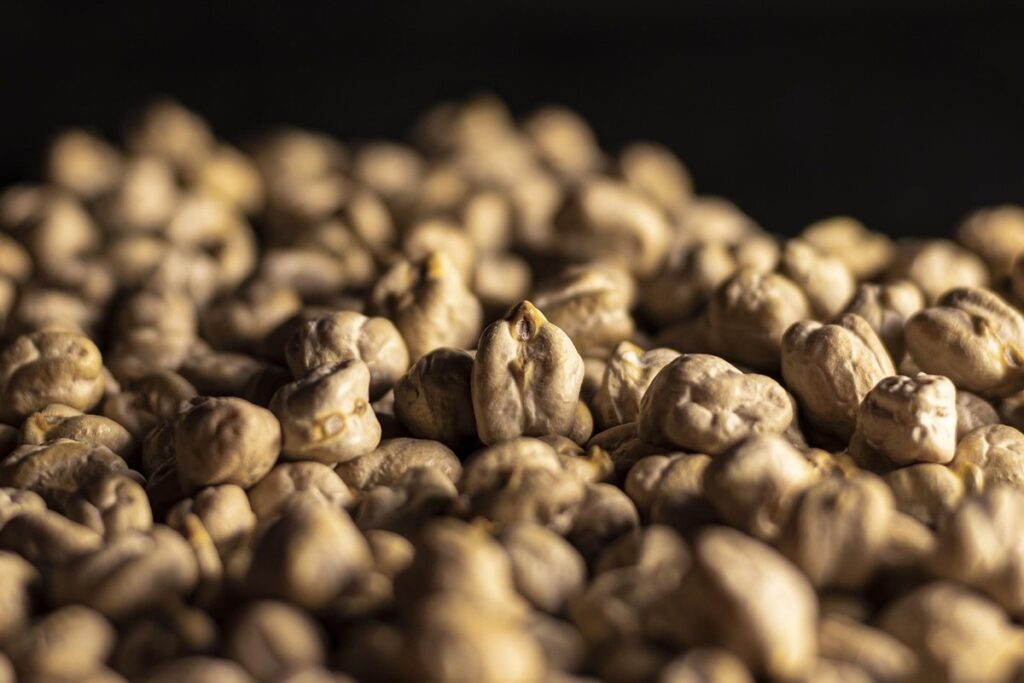
Choosing the Right Spring Seeds
When it comes to starting spring seeds indoors, choosing the right variety is crucial for a successful harvest. Let’s explore how to select the perfect seeds for your indoor garden.
Types of Vegetables That Thrive in Spring
As you plan your spring garden, it’s essential to choose the right vegetables that thrive during this season. Among the many options available, some popular choices for starting indoors include tomatoes, peppers, cucumbers, and herbs like basil and cilantro.
Tomatoes are one of the most sought-after spring vegetables, and they can be started indoors as early as 6-8 weeks before the last frost date in your area. Look for varieties that mature quickly, such as ‘Patio’ or ‘Tiny Tim’, which produce smaller fruit perfect for indoor growing. To ensure successful germination, sow tomato seeds 1/4 inch deep and 2-3 inches apart in seed starting mix.
Peppers are another popular choice for spring gardens, and they can be started indoors just like tomatoes. Both bell peppers and hot peppers can thrive indoors, but keep in mind that they require warmer temperatures to grow well. Keep the soil temperature around 75-80°F (24-27°C) and provide plenty of light for optimal growth.
Cucumbers are a low-maintenance option that can be trained to climb up trellises or other supports. They prefer warmer temperatures, but can tolerate cooler conditions than peppers and tomatoes. Basil and cilantro are great options for indoor growing, as they require minimal space and care. Sow seeds 1/4 inch deep and 2-3 inches apart in seed starting mix, and provide plenty of light to encourage growth.
Factors to Consider When Selecting Seeds
When selecting seeds for indoor starting, there are several key factors to consider. Seed quality is a top priority, as it can significantly impact the health and productivity of your plants. Look for reputable seed companies that offer high-quality seeds with a proven track record. Consider the seed’s origin, germination rate, and shelf life.
Another crucial factor is disease resistance. Many indoor growers face challenges from pests and diseases that can quickly spread through the growing space. Seeds with built-in resistance to common issues like powdery mildew or root rot can help prevent these problems. For example, if you’re starting a tomato seedling indoors, look for varieties bred specifically for disease resistance.
You should also consider specific growing requirements, such as light and temperature needs. Some seeds require more intense light or higher temperatures than others to germinate and thrive. Research the specific needs of your chosen variety and ensure you can provide an optimal environment for its growth.
Preparing the Seed Starting Station
To start seeds indoors successfully, you’ll first need to prepare a dedicated seed starting station with the right equipment and environment. This setup is crucial for healthy seed germination and growth.
Setting Up a Grow Light or Lighting System
Providing adequate lighting is crucial for seedlings as it promotes healthy growth and development. Insufficient light can lead to weak and spindly plants, while excessive light can cause damage or scorching.
When setting up a grow light or using natural light sources, consider the type of seeds you’re starting. Cool-season crops like broccoli and kale prefer bright, indirect light, whereas warm-season crops like tomatoes and peppers require more intense light. Aim for 12-14 hours of light per day, with some darkness to simulate nighttime.
For indoor growing, LED grow lights are an excellent choice due to their energy efficiency and adjustable spectrum settings. Place the lights 6-8 inches above the seedlings to prevent burning or scorching. Alternatively, utilize natural light by placing the seed starting station near a sunny window. Be mindful of direct sunlight, which can cause temperature fluctuations and potentially damage delicate seedlings. Monitor your plants’ response to lighting conditions and adjust accordingly for optimal growth.
Temperature and Humidity Control
Maintaining optimal temperature and humidity levels is crucial for successful seed starting. The ideal temperature range for most spring seeds is between 65-75°F (18-24°C), with some varieties requiring warmer conditions, such as tomatoes and peppers, which thrive at temperatures above 70°F (21°C). On the other hand, cool-season crops like broccoli and kale prefer a slightly cooler environment.
To ensure consistent temperature levels, consider investing in a heat mat or a propagation tray with built-in heating elements. These tools can be particularly useful for seed starting in cooler climates or during periods of cold snaps. Humidity control is also vital to prevent seeds from drying out and to promote even germination. Aim for a relative humidity (RH) level between 40-60%. You can achieve this by placing the seed starting station on a tray filled with water and pebbles, ensuring the water level is below the bottom of the pot.
Keep in mind that most seed starting mixes already have built-in moisture retention properties.
Sowing Seeds Indoors
Before you start sowing, let’s go over the essential steps and techniques for successfully growing seeds indoors, including seed selection and spacing. We’ll also cover the best materials to use.
Seed Starting Mix and Containers
When it comes to starting seeds indoors, using a high-quality seed starting mix is crucial for their healthy development. This specialized blend of ingredients provides essential nutrients and optimal water retention, giving your seedlings the best chance to thrive.
A good seed starting mix should have a pH between 5.5 and 6.5, which is slightly acidic. It’s also important that it drains well, as seedlings don’t like wet feet. Look for mixes specifically designed for seed starting or potting mixes with perlite or vermiculite added to improve drainage.
In terms of containers, choose ones that are at least 1-2 inches deep to give your seeds enough room to grow. For small seeds like lettuce and herbs, a shallow tray with multiple cells will work well. Larger seeds like tomatoes and peppers require deeper pots or cell packs around 4-6 inches deep. Consider using biodegradable containers made from coconut coir or peat moss to reduce waste and make transplanting easier.
Sowing Techniques and Depth
When sowing seeds indoors, getting it right from the start is crucial for healthy seedlings and optimal growth. Sowing techniques involve not just placing the seed in the soil but also ensuring it’s done correctly to give your plants the best chance.
Firstly, handle delicate seeds with care. Hold them gently between your thumb and index finger, or use a small tool like a tweezers to minimize damage. When sowing seeds, press them about 2-3 times their depth into the soil, depending on the type of seed. For example, tiny seeds like petunias can be sown shallowly at about 1/8 inch deep, while larger seeds such as tomatoes can be pressed in deeper, around ¼ inch.
As for spacing, leave enough room between each seed to accommodate their mature size. Most seed packets will provide guidance on this. A good rule of thumb is to sow seeds 2-4 times the width of the packet instructions apart. This will give them room to grow and prevent overcrowding, which can lead to weak or diseased plants.
In terms of soil depth, make sure it’s not too shallow or too deep. If the soil is too shallow, the seed may dry out quickly; if it’s too deep, the seed may rot before germinating. A general guideline for indoor sowing is to use a potting mix that’s at least 1-2 inches deep.
Incorporate these best practices into your sowing routine and you’ll be well on your way to healthy, thriving seedlings in no time!
Caring for Indoor Seedlings
Once you’ve got your seedlings growing, it’s time to think about how to keep them thriving indoors. This is where proper care comes into play, from watering to temperature control.
Watering and Fertilization
As you nurture your indoor seedlings, it’s essential to strike the perfect balance between watering and fertilizing. Overwatering is a common mistake that can be detrimental to young plants. To avoid this, check the soil moisture by sticking your finger into the potting mix up to the first knuckle. If it feels dry, it’s time for a drink. Water thoroughly until you see water coming out of the drainage holes.
For fertilizing, use organic options whenever possible. Fish emulsion and bone meal are excellent choices that provide essential nutrients without burning young roots. Start with a weak solution (about 1/4 strength) to prevent over-fertilization. You can also repurpose kitchen scraps like eggshells or coffee grounds as natural fertilizer.
As your seedlings grow, gradually increase the frequency of watering and fertilizing. For example, during peak growth phases, you might need to water every other day. Similarly, switch from a balanced fertilizer to one with more phosphorus to promote root development and flowering.
Remember, consistency is key when it comes to caring for indoor seedlings. Stick to your schedule and adjust as needed based on weather conditions or plant responses.
Pruning and Transplanting
As your seedlings continue to grow indoors, it’s essential to prune them regularly to promote healthy growth and prevent overgrowth. Pruning helps maintain the plant’s shape, encourages bushy development, and directs energy towards producing more leaves and stems. Think of pruning as giving your seedling a haircut – it keeps it looking neat and tidy while allowing it to focus on developing its roots.
When pruning indoor seedlings, aim for small, gentle cuts using sterile scissors or pruning shears. Cut just above a node (where a leaf meets the stem), making sure not to damage any emerging leaves. Remove weak or spindly growth to encourage stronger stems. Prune your seedlings every 1-2 weeks as they grow, and be sure to remove any dead or dying leaves.
Once your seedling has developed sufficient strength and size, it’s time to transplant it outdoors. Choose a sunny spot with well-draining soil and dig a hole that’s at least twice the depth of the pot. Gently remove the seedling from its container and place it in the new location. Water thoroughly and provide support if necessary – your seedling will appreciate the extra care as it adjusts to its new surroundings.
Troubleshooting Common Issues
If you’re experiencing problems with germination, sowing, or seedling care, don’t worry – we’ve got answers to common issues that will get your spring seeds back on track. Read on for troubleshooting tips and solutions.
Identifying and Addressing Pests and Diseases
As you nurture your indoor seedlings, it’s essential to be aware of common pests and diseases that can affect their growth. Check your plants regularly for signs of infestation or infection, as early detection is crucial for effective control.
Aphids, whiteflies, and spider mites are common indoor pests that feed on sap, causing curled or distorted leaves. Fungal diseases like powdery mildew and root rot thrive in humid environments, while bacterial spot and leaf blight can spread rapidly if left unchecked.
To address these issues organically, use neem oil to control aphids and whiteflies. Spray infested areas with a gentle stream of water to dislodge pests, then treat the area with insecticidal soap. For fungal diseases, improve air circulation and reduce watering to prevent moisture buildup. Apply a baking soda solution (1 tablespoon per gallon of water) to affected leaves to raise pH and inhibit fungal growth.
Some popular organic pest control methods include introducing beneficial insects like ladybugs or lacewings, which prey on pests, while others use sticky traps to capture whiteflies and aphids.
Dealing with Poor Germination Rates or Seedling Failure
Poor germination rates and seedling failure can be frustrating, especially when you’ve taken the time to prepare your seeds indoors. If you notice that your seeds are not sprouting within 7-14 days of planting, it may be due to various factors such as inadequate moisture, insufficient light, or extreme temperatures.
To troubleshoot poor germination rates, start by checking the moisture levels in the soil. Ensure that the potting mix is consistently moist but not waterlogged. If the seeds are on a heat mat, verify that the temperature is within the optimal range for your specific seed type. Extreme temperatures can also cause stress to young seedlings, leading to failure.
Another common issue is inadequate light. Spring seeds often require 12-14 hours of light per day to germinate and grow. If you’re using grow lights, ensure they are at the correct distance from the plants and providing sufficient intensity. Consider moving your seedlings to a brighter location or supplementing with additional lighting if necessary.
Preventative measures can also help minimize the risk of poor germination rates and seedling failure. Make sure to handle seeds gently, as excessive moisture can cause damage. Also, use a sterile potting mix and keep the area around your seed starting station clean to prevent the spread of diseases.
In cases where seedlings have failed to thrive, it may be necessary to restart with fresh seeds. However, if the issue persists, consider factors such as soil pH, nutrient deficiencies, or pests in the growing environment. Consult with a local nursery or gardening expert for guidance on resolving specific issues related to your climate and region.
Bringing the Indoor Started Seeds Outdoors
Once you’ve got your started seeds thriving indoors, it’s time to gradually acclimate them to outdoor conditions and harden off for a successful transition outside. This process is crucial for a strong start in their new environment.
Hardening Off Process
Before transplanting your seedlings outdoors, it’s essential to harden them off to prevent shock and ensure they can thrive in their new environment. This process allows the seedlings to gradually acclimate to outdoor conditions, such as intense sunlight, wind, and temperature fluctuations.
To start hardening off your seedlings, begin by moving them to a shaded area outdoors for 1-2 hours a day. Gradually increase the duration over the course of 7-10 days, ensuring they receive direct sunlight for at least 4-6 hours per day. Monitor the weather and bring them back inside if it’s too hot or cold.
Monitor your seedlings’ responses to these changes by looking out for signs of stress, such as droopy leaves or yellowing. Adjust their hardening off schedule accordingly. By doing so, you’ll be giving them the best chance at a successful transition from indoor starts to outdoor growth.
Timing and Preparing the Outdoor Garden
When it’s time to transplant those precious spring seedlings outdoors, timing is everything. The ideal moment to do so depends on several factors: weather, temperature, and soil conditions. In most regions, late April or early May marks the transition from cooler indoor temperatures to warmer outdoor ones.
To determine if your area has reached a suitable climate for outdoor planting, check the average last frost date for your region. This critical piece of information will help you decide when it’s safe to move seedlings outside without risking damage from potential frosts.
Meanwhile, ensure that the soil in your garden is ready to receive the seedlings. This means checking its pH level and adjusting it if necessary, as some plants prefer slightly acidic or alkaline conditions. You’ll also want to prepare the soil by loosening it and adding organic matter like compost to enhance drainage and fertility. By doing so, you’ll create a welcoming environment for your spring seedlings to thrive in their new outdoor home.
Frequently Asked Questions
Can I use last year’s seeds or should I buy new ones for indoor seed starting?
Yes, it’s generally recommended to use fresh seeds for the best results. Seeds can lose their viability over time, especially if stored improperly. If you do have leftover seeds from last season, test a few to ensure they’re still germinating at a reasonable rate before using them in your current crop.
How often should I water my indoor seedlings, and what are some common mistakes to avoid?
Watering is crucial for healthy growth. Overwatering can be just as detrimental as underwatering. Check the soil daily by sticking your finger into it; if it’s dry to the touch, it’s time to water. Common mistakes include allowing the pot to sit in standing water and neglecting to provide adequate drainage.
What are some signs that my seedlings need more light, and how can I supplement their lighting needs?
If you notice that your seedlings are stretching towards the light or developing weak stems, they may be getting too little light. Consider adding a supplemental grow light to provide 12-14 hours of direct light per day. Monitor your seedlings’ response to the increased light and adjust as needed.
Can I transplant my indoor seedlings directly into the garden without acclimating them to outdoor conditions?
No, it’s essential to “harden off” your seedlings before moving them outdoors to prevent shock. This process involves gradually exposing them to outdoor temperatures, wind, and direct sunlight over a period of 7-10 days. Harden off your seedlings to ensure they adapt smoothly to their new environment.
How do I prevent pests from attacking my indoor seedlings, especially if I have limited space for monitoring?
To minimize the risk of pest infestation in your indoor garden, maintain good hygiene by regularly disinfecting tools and equipment. Monitor your plants closely for signs of pests like whiteflies, aphids, or spider mites. Use neem oil or insecticidal soap as a preventative measure to deter pests from developing on your seedlings.