
Starting seeds at the right time is crucial for a successful harvest. But with varying climates and weather conditions, it can be challenging to know when to begin planting those precious seeds. If you’re tired of dealing with disappointing yields or struggling seedlings, it’s time to learn how to create a personalized seed starting schedule tailored to your region’s climate conditions.
In this article, we’ll delve into the world of seed starting and provide you with insider tips on preparing the perfect environment for your seeds to thrive. From understanding your local frost dates to overcoming common challenges like temperature fluctuations and humidity levels, we’ve got you covered. By the end of this guide, you’ll have a clear plan in place to ensure a bountiful harvest all season long.
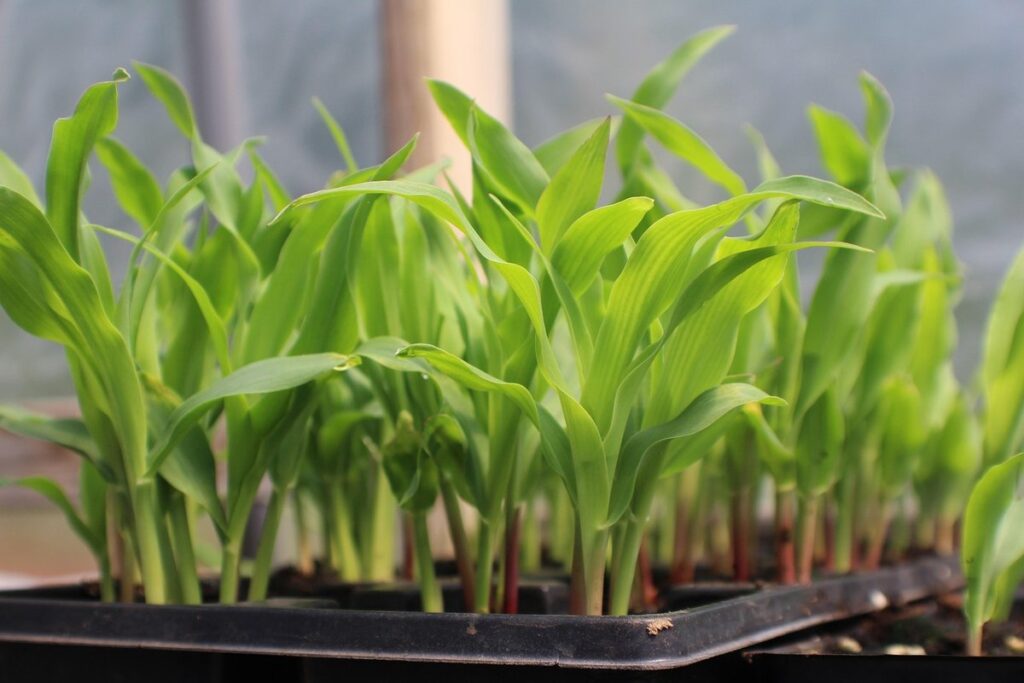
Understanding Seed Starting Basics
When it comes to starting seeds, understanding the basics is essential for success. Let’s break down the key concepts you need to know before diving in.
Types of Seeds Suitable for Early Starting
For early starting, you’ll want to focus on seeds that have a long maturation period or are sensitive to cooler temperatures. These typically include warm-season crops like tomatoes, peppers, and eggplants. Tomatoes, for instance, require around 70-80 days to mature after sowing, while peppers need about 60-90 days.
You can start these seeds indoors 4-6 weeks before the last frost date in your area. This will give them a head start on the growing season and ensure they have enough time to mature. When choosing varieties, look for those labeled as “early” or “patio” – these tend to be smaller and more compact, making them ideal for indoor starting.
Some other warm-season crops suitable for early starting include okra, squash, and melons. These seeds can be sown indoors 4-6 weeks before the last frost date, but make sure they have enough space to grow once transplanted outside. A general rule of thumb is to start seeds in seed trays or small pots and then transfer them to larger containers as needed.
Preparing the Right Environment for Seeds
To give your seeds the best chance at successful germination, it’s essential to create an ideal environment for them. This involves providing the right temperature, light, and humidity conditions.
For most seed types, a warm location with temperatures between 65°F to 75°F (18°C to 24°C) is ideal for germination. Some seeds, like those from tropical plants, may require warmer temperatures around 80°F to 90°F (27°C to 32°C). On the other hand, seeds that come from alpine or arctic regions might do better in cooler temperatures between 50°F to 60°F (10°C to 15°C).
In terms of light, most seeds don’t require direct sunlight during germination. Instead, they can thrive under indirect light conditions provided by a sunny windowsill or grow lights. Aim for around 12 to 14 hours of light per day.
To maintain the right humidity levels, you can cover the seed tray with a clear plastic bag or a cloche. This will help keep moisture in and prevent it from escaping. It’s also crucial to water your seeds gently but thoroughly during this initial stage.
When it comes to equipment, you’ll need a good quality seed starting mix, small pots or cells, and a watering can. Avoid using regular potting soil as it may contain fertilizers that can harm young seedlings.
Climate Considerations for Seed Starting
When it comes to seed starting, climate considerations can make all the difference between a bountiful harvest and a disappointing crop. Let’s explore how temperature and weather patterns impact your seed-starting schedule.
Last Frost Date and Your Region
Understanding your last frost date is crucial for determining when to start seeds indoors. This date varies significantly depending on your location and regional climate. To find your last frost date, you can use online resources such as the USDA Plant Hardiness Zone Map or consult with local nurseries or gardening experts.
In regions with mild winters, like Southern California or Florida, it’s essential to be aware of late cold snaps that can still occur in early spring. In areas with a shorter growing season, such as those in the northern US or Canada, you may need to start seeds indoors 6-8 weeks before the last frost date.
For example, if your area has a last frost date around April 15th, you would want to begin starting cool-season crops like broccoli and kale about February 1st. In contrast, warm-season crops like tomatoes and peppers should be started closer to the last frost date or even later in regions with long growing seasons.
Be mindful of regional climate variations when planning your seed-starting schedule. Consult local resources and plan accordingly to ensure a successful harvest.
Microclimates and Soil Temperatures
When starting seeds indoors, it’s essential to consider local microclimate variations that can significantly impact their success. A microclimate is a small area within a larger climate zone that has unique temperature and moisture conditions. For example, a south-facing windowsill or a sunroom can create a warmer microclimate than the rest of your home.
Soil temperature plays a critical role in seed germination. Different regions have varying soil temperature guidelines for starting seeds. In general, most seeds require soil temperatures between 60°F (15°C) and 80°F (27°C). However, some plants like tomatoes and peppers prefer warmer soil temperatures above 70°F (21°C), while others like lettuce and spinach do better with cooler temperatures below 65°F (18°C).
To determine the optimal soil temperature for your region, check the average last frost date for your area. This will give you a general idea of when it’s safe to start seeds indoors. Additionally, consider purchasing a soil thermometer to monitor the temperature in your seed starting mix. By taking into account local microclimate variations and following specific soil temperature guidelines, you’ll be well on your way to successfully starting seeds indoors.
Planning Ahead: Seed Starting Schedule
To make the most of your seed starting journey, let’s dive into a practical seed starting schedule that will help you plan and prepare for a successful growing season. This simple chart will guide you through the process.
Creating a Personalized Seed Starting Calendar
Creating a personalized seed starting calendar is essential for successful gardening. The key to creating an effective schedule lies in understanding your local climate conditions and adjusting it accordingly. First, you need to determine the average last frost date for your area, which marks the beginning of the growing season.
To calculate this, consult online resources such as the USDA Plant Hardiness Zone Map or a reliable weather website. For example, if you live in zone 5b with an average last frost date on May 15th, you can plan to start seedlings indoors around late February to early March.
Consider germination rates for your specific seeds and adjust the schedule accordingly. Some varieties, like tomatoes and peppers, require a head start of about 6-8 weeks before transplanting, while herbs and leafy greens typically take just 2-3 weeks. You should also factor in growth stages such as seedling establishment (1-2 weeks), hardening off (1 week), and transplanting time.
Remember to check the specific requirements for each plant species you’re growing. This might involve adding extra days or adjusting the schedule according to temperature fluctuations, moisture levels, and other environmental factors that can impact growth.
Accounting for Different Growth Rates
As you plan ahead for your seed starting schedule, it’s essential to consider that not all plants grow at the same rate. Different species have unique growth patterns, and failing to account for these differences can lead to overcrowding or inconsistent harvest times.
For instance, cool-season crops like broccoli, kale, and lettuce mature relatively quickly (around 50-70 days), whereas warm-season crops like tomatoes and peppers take much longer (often over 90 days). If you plant them all at the same time, you might end up with a glut of produce in some areas while others are still lagging behind.
To avoid this issue, stagger your planting schedule to ensure optimal harvest times. This means dividing your crop selection into early, mid-season, and late-maturity groups. For example:
* Early-maturity crops (50-70 days): Plant these first, usually 4-6 weeks before the last frost date.
* Mid-season crops (70-90 days): Plant these a week or two after the early-maturity group.
* Late-maturity crops (over 90 days): Plant these as soon as the weather warms up and the risk of frost has passed.
By staggering your planting schedule, you’ll have a steady supply of fresh produce throughout the growing season.
Choosing the Right Containers
Now that you know when to start seeds, it’s time to choose the right containers to give them a strong foundation. Selecting the ideal container will depend on the seed type and growth requirements.
Seed Starting Trays vs. Individual Cells
When it comes to starting seeds, one of the most crucial decisions is choosing the right container. Two popular options are seed starting trays and individual cells. While both have their advantages, they also come with some significant differences.
Seed starting trays are a cost-effective option for large-scale seed starting. They usually consist of multiple small compartments, allowing you to start several seeds at once. This can be especially useful if you’re planning to grow multiple varieties or have limited space. However, trays can take up more room and may require more maintenance than individual cells.
Individual cells, on the other hand, offer a more controlled environment for each seedling. They are often designed with built-in water reservoirs, making it easier to maintain consistent moisture levels. This is particularly beneficial for delicate seeds that require precise conditions to germinate successfully. However, individual cells can be more expensive and may not be as space-efficient as trays.
In terms of convenience, seed starting trays tend to win out. They often come with built-in labels and are easy to transport from one location to another. Individual cells, while more precise, can be more labor-intensive to manage. Ultimately, the choice between seed starting trays and individual cells depends on your specific needs and preferences.
Soil Mixes and Sterilization Methods
When it comes to starting seeds, the quality of the soil mix is crucial for healthy growth and preventing disease. A good seed starting mix should be sterile, well-draining, and have the right pH level for optimal germination.
You can choose from various pre-mixed seed starting soils available in the market or create your own custom blend using a combination of ingredients such as peat moss, vermiculite, perlite, and compost. Some popular options include:
* Seed starting mixes specifically designed for indoor seed starting
* Potting mixes with added fertilizers and wetting agents
* Organic and recycled paper-based seed starting mixtures
To ensure the soil is sterile and free of diseases, it’s essential to sterilize it before use. You can achieve this by using one or a combination of the following methods:
* Heat treatment: Baking the seed starting mix in a 300°F oven for 30 minutes
* Microwave sterilization: Microwaving small amounts of soil for 2-3 minutes
* Chemical sterilization: Using fungicides or other chemical sterilants (be cautious when using chemicals and follow manufacturer’s instructions)
Remember to always check the pH level of your seed starting mix before use, as most seeds germinate best in a slightly acidic to neutral environment.
Overcoming Common Seed Starting Challenges
Starting seeds can be a daunting task, but many gardeners face common challenges that hold them back from success. Let’s tackle these obstacles together and overcome them once and for all.
Transplant Shock Prevention
Transplant shock is one of the most common challenges seed starters face when moving young seedlings from indoors to outdoors. It occurs when seedlings are suddenly exposed to harsh outdoor conditions, such as direct sunlight, wind, and extreme temperatures, which can cause them to weaken or even die.
To prevent transplant shock, it’s essential to harden off your seedlings gradually. Start by moving them to a shaded area outdoors for 1-2 hours a day, increasing the duration over 7-10 days. This allows them to acclimate to outdoor conditions without being shocked by extreme changes.
Choose optimal planting dates for your region and crop type, taking into account factors like temperature, moisture, and sunlight. For example, tomatoes typically thrive in warmer weather, so wait until soil temperatures reach at least 55°F (13°C) before transplanting them outdoors. By hardening off and timing the transition correctly, you can minimize transplant shock and give your seedlings a strong start to their outdoor life.
Keep an eye on your seedlings’ responses during the hardening-off process and adjust accordingly. If they appear stressed or struggling, slow down the acclimation period or provide additional protection, such as row covers or shading.
Controlling Pests and Diseases
As you nurture your seedlings, it’s essential to be aware of common pests and diseases that can affect their growth indoors and outdoors. Indoor seedlings are often susceptible to aphids, whiteflies, and spider mites, which can be brought in on used potting mix or introduced through contaminated water.
To control these pests, use neem oil or insecticidal soap as a preventive measure. For existing infestations, introduce natural predators like ladybugs or lacewings that feed on aphids and whiteflies. Outdoor seedlings are vulnerable to diseases like powdery mildew and damping off, caused by overwatering.
Prevent waterlogged soil by ensuring good drainage in pots or seed trays. Fungal diseases can be controlled using a mixture of 1 tablespoon baking soda per gallon water as a foliar spray. Avoid overcrowding seedlings, which can facilitate disease spread among plants. Regularly inspect your seedlings for signs of pests or diseases and take prompt action to prevent infestations from getting out of control.
By being proactive in controlling pests and diseases, you’ll be able to grow healthy seedlings that thrive when transplanted outdoors.
Tips for Successful Seed Starting
Now that you know when to start your seeds, let’s dive into some practical tips for giving them a strong head start on the growing season. Here are our top tips for successful seed starting.
Monitoring and Maintenance
As you embark on the journey of seed starting, it’s essential to monitor and maintain your young seedlings regularly. This attention to detail will help prevent potential issues that can arise during this critical growth phase.
Keep a close eye out for signs of stress or disease, such as yellowing leaves, soft stems, or unusual growth patterns. These can be indicative of over-watering, under-watering, pests, or diseases like fungal infections. Be proactive and take action promptly to address these issues before they escalate into more severe problems.
Regular maintenance tasks include watering, pruning, and providing adequate light. Water your seedlings when the top inch of soil feels dry to the touch, taking care not to overwater which can lead to root rot. Prune weak or spindly growth to encourage bushy development and prevent legginess. Also, ensure your seedlings receive sufficient light; most seedlings require 12-14 hours of direct light per day.
By checking on your seedlings daily and addressing any issues that arise, you’ll be well on your way to raising healthy, robust plants ready for transplanting into larger containers or directly into the garden.
Encouraging Healthy Growth Habits
Cultivating strong root systems, promoting even growth patterns, and maintaining optimal humidity levels are crucial for healthy seedling development. To encourage these habits, it’s essential to provide seeds with the right environment.
Start by using a high-quality seed starting mix that is designed to retain moisture but also drain excess water. This will help prevent waterlogged soil, which can lead to root rot and other issues. Water your seeds gently but thoroughly, making sure the soil is consistently moist but not soggy. A general rule of thumb is to water when the top inch of soil feels dry to the touch.
Maintain a humid microclimate by covering your seed trays with a clear plastic bag or cloche. This will help prevent moisture loss and promote even growth patterns. Make sure to remove the coverings once the seedlings have two sets of true leaves, as this can lead to over-humidification and promote fungal diseases.
Monitor temperature fluctuations in your growing space and aim for consistent temperatures between 65-75°F (18-24°C) during the day and around 55-60°F (13-15°C) at night. This will encourage healthy root growth and even development of seedlings.
Frequently Asked Questions
How can I adjust my seed starting schedule for areas with microclimates?
Yes, it’s essential to consider the microclimate of your specific region when creating a seed starting schedule. Microclimates can significantly impact soil temperatures and frost dates. Research the microclimate in your area and adjust your planting schedule accordingly. This might mean starting seeds earlier or later than the general guidelines suggest.
What if I’m not sure about my local frost dates, how do I find this information?
You can check with your local nursery, gardening association, or extension office for accurate information on frost dates in your region. Online resources like the USDA’s Plant Hardiness Zone Map and weather websites also provide valuable data to help you determine the best time to start seeds.
Can I still use a general seed starting schedule if I live in an area with unpredictable weather?
While it’s tempting to rely on a general seed starting schedule, it’s crucial to adapt to your local climate conditions. A personalized seed starting calendar takes into account specific factors like frost dates and temperature fluctuations. By creating a tailored plan, you’ll be better equipped to handle unexpected weather events.
How can I ensure the right soil temperatures for optimal seed germination?
Check the seed packet for recommended soil temperature ranges. For most seeds, this is between 65°F to 75°F (18°C to 24°C). Use a soil thermometer to monitor your starting mix’s temperature and adjust as necessary. You may also consider using a heating mat or placing containers in a warm location like a sunny windowsill.
What if I accidentally start seeds too early, what should I do with them?
Yes, don’t worry if you start seeds prematurely – it’s better to err on the side of caution. If you’ve started seeds too early and they’re getting too large for their containers, consider transplanting them into individual cells or larger pots. Keep in mind that over-germinated seedlings may require more frequent watering and monitoring.