
Starting a compost pile is one of the simplest and most effective ways to reduce your environmental footprint, while also giving back to your garden. Did you know that kitchen scraps and yard waste can be turned into nutrient-rich fertilizer for your plants? It’s amazing how much potential is hidden in the trash we so readily discard. By creating a compost pile, you’ll not only be reducing the amount of waste sent to landfills but also improving soil health in the process.
In this step-by-step guide, we’ll walk you through everything you need to know about starting a compost pile. From what materials to use and how to balance them, to how often to turn your pile and when it’s ready for use, we’ve got you covered. By following these simple tips, you can create a thriving compost pile that will provide rich, nutrient-dense fertilizer for years to come.
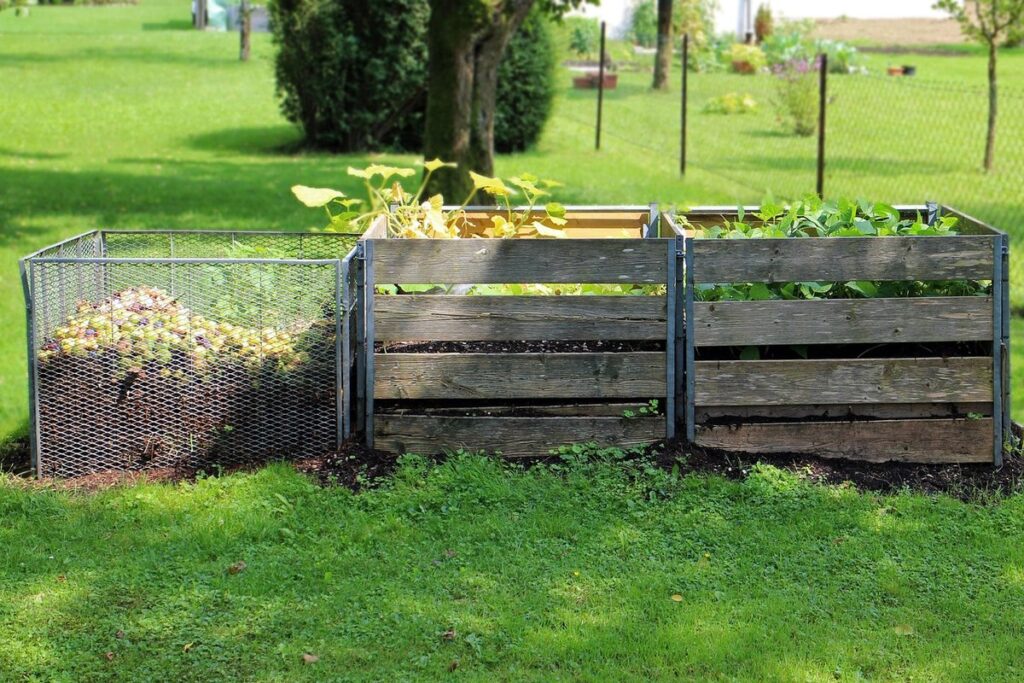
Understanding the Benefits of Composting
Now that you’re creating a compost pile, let’s dive into why it’s worth your while: composting has numerous benefits for your garden and the environment.
What is Composting and Why is it Important?
Composting is a simple yet powerful process that’s been around for centuries. At its core, composting involves breaking down organic materials into a rich soil amendment that’s teeming with nutrients and beneficial microorganisms. This natural process improves soil structure, fertility, and overall health, making it an essential practice for any gardener or homeowner looking to reduce waste and create a sustainable gardening system.
When we talk about “breaking down” organic materials, we’re referring to the decomposition of food scraps, yard trimmings, and other biodegradable items into a dark, crumbly soil amendment. This process is fueled by microorganisms like bacteria, fungi, and protozoa that feed on the carbon-rich compounds in these materials, releasing nitrogen, phosphorus, and potassium as byproducts.
The benefits of composting are numerous. Not only does it reduce waste sent to landfills, but it also creates a valuable resource for your garden or yard. Compost can help improve soil drainage, increase water retention, suppress plant diseases, and support beneficial microbial life – all essential components of a healthy ecosystem.
Common Misconceptions About Composting
Composting is often misunderstood, leading many people to believe it’s too complicated, time-consuming, or smelly. However, with a well-maintained compost pile, you can enjoy the numerous benefits of composting while minimizing its drawbacks.
One common misconception is that compost smells bad. This is simply not true if you follow basic guidelines for maintaining your compost pile. Make sure to balance “green” materials (like food scraps and grass clippings) with “brown” ones (such as dried leaves or shredded newspaper). Regularly turning the pile will also help aerate it, reducing unpleasant odors.
Another misconception is that composting takes too long. While it’s true that compost can take several months to mature, a well-designed system can produce usable compost in as little as 2-3 weeks. To speed up the process, aim for a mix of about two-thirds brown materials and one-third green ones. This balance will allow microorganisms to break down organic matter efficiently.
To get started with composting effectively, remember that patience is key. With proper maintenance, your compost pile should be odor-free, efficient, and beneficial to your garden or yard.
The Environmental Impact of Composting
Composting not only helps reduce waste sent to landfills but also has a profound impact on the environment. By composting, you’re contributing to a reduction in greenhouse gas emissions. When organic materials decompose in landfills, they release methane, a potent greenhouse gas. Composting these same materials on-site or at home reduces the amount of methane released into the atmosphere.
Composting also aids in water conservation by reducing the need for synthetic fertilizers and conditioners. These products can pollute our waterways when overused or misapplied, contributing to water contamination. Compost acts as a natural fertilizer that retains moisture in the soil, minimizing the need for frequent watering. This not only conserves water but also reduces the amount of chemicals released into the environment.
In addition to these benefits, composting significantly reduces waste sent to landfills. In the United States alone, it’s estimated that over 30% of municipal solid waste is organic material. By composting at home or through community programs, we can divert a substantial portion of this waste from landfills and create nutrient-rich soil for our gardens and parks.
Choosing the Right Location for Your Compost Pile
When it comes to setting up your compost pile, selecting the right location is crucial to ensuring healthy decomposition and minimizing pests. Let’s explore the key factors to consider.
Selecting a Sunny Spot with Good Drainage
When selecting a spot for your compost pile, it’s essential to find a location that receives sufficient sunlight. Most microorganisms thrive in temperatures between 130°F and 140°F (54°C to 60°C), which is typically achieved when the sun shines directly on the pile. Aim for a spot that gets at least six hours of direct sunlight per day.
However, sunlight alone isn’t enough – good drainage is also crucial. Your compost pile needs to be able to breathe and allow excess moisture to escape. Avoid areas with standing water or where rainwater tends to collect. Instead, opt for a spot with well-draining soil that won’t cause the pile to become too soggy.
Consider the proximity of your compost pile to a water source as well. It’s convenient to have a hose nearby to help maintain the optimal moisture level in your pile. Just be mindful not to overwater, which can lead to anaerobic conditions and unpleasant odors. By choosing a spot with good sunlight and drainage, you’ll create an ideal environment for decomposition and set yourself up for successful composting.
Avoiding Common Pitfalls: Steer Clear of Seepage and Rodent Issues
When choosing a location for your compost pile, it’s essential to steer clear of two common pitfalls: seepage and rodent issues. Seepage can occur when the compost pile is situated too close to buildings or water sources, causing potential damage and contamination.
If you live in an area with heavy rainfall or high water tables, the compost heap may not drain properly, leading to a soggy mess that’s more likely to attract pests than decompose efficiently. This can also lead to unwanted odors and moisture seeping into nearby buildings. For instance, if your compost pile is situated near your kitchen, you might find yourself dealing with unwanted moisture and potentially contaminated food.
To avoid these issues, make sure to locate your compost pile in an area that’s well-drained and at least 10-15 feet away from any water sources or buildings. Regularly turning the compost can also help prevent seepage by ensuring it doesn’t become too wet or soggy.
Ensuring Accessibility for Regular Maintenance
Ensuring accessibility for regular maintenance is crucial when it comes to keeping your compost pile healthy and thriving. You’ll want to choose a location that allows for easy turning of the pile, monitoring of moisture levels, and pest control.
A good rule of thumb is to place your compost pile near a water source, but not so close that it becomes a muddy mess. This will make it easier to monitor moisture levels and adjust as needed. You’ll also want to ensure that you can easily access all sides of the pile for turning and aerating.
Consider placing your compost pile on a raised platform or pallets to keep it off the ground and allow for good airflow underneath. This will help prevent pests like rodents and ants from taking up residence in your compost pile. Additionally, make sure there’s enough space around the pile for easy access with a pitchfork or shovel. A minimum of 3-4 feet on all sides is recommended to ensure you can turn and aerate the pile without having to navigate through dense vegetation.
Collecting and Preparing Materials for Composting
To create a thriving compost pile, it’s essential to collect the right materials and prepare them properly. Let’s explore how to do that in this next step of your composting journey.
What Can be Composted? A Guide to Acceptable Materials
When it comes to composting, not all organic materials are created equal. To create a nutrient-rich compost pile, you’ll want to focus on adding the right types of waste. At its core, composting is about recycling and reusing materials that would otherwise end up in landfills.
Food scraps are one of the most common sources of compost material. These include fruit and vegetable peels, cores, and rinds, as well as meat, dairy, and egg scraps (just be sure to add them in moderation). Yard trimmings like leaves, grass clippings, and branches also make great additions. Don’t forget about paper products like coffee filters, cardboard tubes, and newspaper – these can be torn into smaller pieces and added directly to the pile.
When it comes to specific materials, remember that ‘green’ materials (like food scraps and yard trimmings) should make up about 2/3 of your compost mix. These are high in nitrogen and will help speed up the decomposition process. ‘Brown’ materials (like paper products and dried leaves), on the other hand, are higher in carbon and will provide structure to your pile. Aim for a balance between these two types to create an efficient composting environment.
What Not to Compost: Understanding Unacceptable Materials
When collecting materials for your compost pile, it’s essential to know what not to compost. This will ensure that you maintain a healthy balance of microorganisms and prevent odors, pests, and diseases from taking over your pile.
Avoid adding pet waste, meat, dairy products, oils, and greasy foods to your compost pile. Pet waste can contain pathogens like E. coli and Salmonella, which can survive the composting process and potentially harm humans and animals if ingested. Meat, dairy, and oily foods also attract pests and create unpleasant odors.
In addition, don’t add weedy seeds from invasive plants, as they can germinate and spread in your compost pile. Similarly, keep weeds with deep taproots out of the mix, as they may not break down properly and cause problems when added to soil.
Don’t be tempted to add diseased or moldy materials either – these can contaminate the entire batch of compost. By avoiding these common mistakes, you’ll ensure a balanced and thriving compost pile that provides nutrient-rich soil for your garden.
Preparing Materials for Composting: Shredding, Chopping, and Mixing
Preparing materials for composting is an essential step before adding them to your pile. This process helps increase the surface area of organic matter, allowing microorganisms to break it down more efficiently.
Shredding is a crucial step when dealing with larger materials like leaves or branches. You can use a chipper or a mulching mower to shred these items into smaller pieces that will fit better in your compost pile. For example, if you have a lot of fallen oak leaves, shredding them will help speed up the decomposition process.
Chopping is another important step for materials like vegetables and fruits that are too large to be added directly to the pile. Use a sharp knife or pruning shears to chop these items into smaller pieces. Make sure to remove any seeds or pits as they can create problems in your compost pile.
Mixing different types of organic matter is also necessary for maintaining an ideal carbon-to-nitrogen ratio. Aim to mix materials with high nitrogen content, like food scraps and manure, with those that are low in nitrogen but high in carbon, such as leaves and twigs.
Setting Up Your Compost Pile Structure
To create a stable and accessible compost pile, you’ll need to set up its structure carefully, considering both aesthetics and functionality for ease of use. This involves deciding on a shape and size that suits your space.
Building a Basic Compost Pile: A Three-Part System
Building a basic compost pile structure is relatively straightforward once you understand its three key components. The first part of this system is the carbon-rich “brown” layer, which provides the bulk of the composting process. This layer consists of dry materials like leaves, branches, and shredded newspaper. Aim for a mix of 2/3 brown materials to create a foundation for your pile.
Next, add the nitrogen-rich “green” layer on top, comprising moist materials such as food scraps, grass clippings, and manure. These high-nitrogen components accelerate decomposition but can also create odors if not balanced with enough dry materials. Aim for 1/3 green materials to maintain a healthy balance.
To round out the system, incorporate an aeration component that allows oxygen to reach the pile’s interior. This can be achieved through regular turning of the compost, using a pitchfork or shovel to loosen and aerate the layers. You can also add a small amount of bulking agents like straw or shredded coconut to help maintain airflow within the pile.
Adding Water to Your Compost Pile: The Right Balance
Maintaining optimal moisture levels is crucial for a healthy compost pile. If the mixture becomes too dry, decomposition slows down, and pathogens can thrive. Conversely, if it’s too wet, anaerobic conditions develop, leading to unpleasant odors and potential health risks.
To gauge the right balance, gently squeeze a handful of compost material; if it forms a loose crumb, you’re good. If it’s dry and falls apart, add water. To avoid overwatering, stick to gentle watering sessions, ideally with a hose or a watering can.
A common guideline is to maintain an 8-10 inch layer of “green” materials (food scraps, grass clippings) at the bottom, followed by 4-6 inches of dry brown materials (leaves, shredded paper). This ratio helps regulate moisture and ensures carbon-rich browns complement nitrogen-rich greens.
Monitor your pile’s moisture levels regularly to adjust accordingly. Aim for a mix that resembles damp soil. Some composters also use a “paddle test,” where they insert a stick or paddle into the pile – if it comes out with a trail of liquid, you need more brown materials.
In ideal conditions, an actively composting pile will produce heat and emit a pleasant earthy aroma.
Monitoring Temperature and Turning Regularly
Monitoring temperature fluctuations is crucial for ensuring that your compost pile is breaking down efficiently. You can check the temperature by inserting a compost thermometer into the pile, typically between 2-4 inches deep. A healthy compost pile should reach temperatures of at least 130°F (54°C), with peak temperatures often occurring during the active decomposition phase.
As you monitor these temperatures, it’s essential to turn your compost pile regularly to maintain proper aeration and prevent matting. Turning also helps to speed up the process by exposing more surface area to oxygen. Aim for every 7-10 days of turning, depending on the size of your pile and moisture levels. For example, if you notice temperatures dropping or rising too slowly, it may be necessary to turn the compost pile a few days earlier.
Remember to always wear gloves when handling hot compost piles, as they can burn skin easily. By paying attention to temperature fluctuations and turning regularly, you’ll create an ideal environment for decomposition to occur, ultimately producing rich, nutrient-dense compost for your garden.
Managing Odor and Pests in Your Compost Pile
Once your compost pile is up and running, you’ll need to keep it healthy by managing odor and pest control issues that can arise. Let’s tackle these challenges together!
Controlling Unwanted Odors: Techniques for Reducing Smells
Controlling unwanted odors is a crucial aspect of maintaining a healthy compost pile. Odors can be caused by an imbalance of carbon to nitrogen-rich materials, excessive moisture, or insufficient aeration. To minimize unpleasant smells, consider adding bulking agents like straw or shredded newspaper. These absorb excess moisture and help maintain airflow within the pile.
Regular turning of your compost is also essential for odor control. Aim to turn it every 7-10 days, especially during hot weather when decomposition accelerates rapidly. This allows oxygen to penetrate deep into the pile, reducing anaerobic conditions that foster odors.
Another key strategy is to monitor and adjust moisture levels. Aim for a mix of 40-60% water content. Too little moisture can slow down decomposition, while too much leads to anaerobic environments that produce unwanted smells.
Preventing Rodent Infestations: Secure the Area and Use Deterrents
Rodents can be attracted to the abundance of food and moisture found in a compost pile. To prevent them from taking over, it’s essential to secure the area around your pile. Start by storing all waste materials, including food scraps and yard trimmings, in sealed bins or containers with tight-fitting lids. This will not only keep rodents out but also reduce the risk of pests like flies and ants.
In addition to securing storage, you can use natural deterrents to repel rodents from your compost pile. Some effective options include:
* Planting rodent-repellent herbs such as mint, basil, or lemongrass around the perimeter of your pile
* Spraying a mixture of equal parts water and hot sauce around the edges
* Using physical barriers like chicken wire or hardware cloth to cover the top and sides of your pile
Remember to regularly inspect your compost pile for signs of rodent activity and take prompt action if you notice any infestation.
Monitoring for Pests: Early Detection and Intervention
As you start your compost pile, it’s essential to be aware of the potential pests that can be attracted to this nutrient-rich environment. Flies, ants, and rodents are common culprits, but don’t worry – early detection and management strategies will help you keep them under control.
Flies, in particular, can quickly multiply in a compost pile, laying eggs on decaying matter and spreading disease. To detect flies early on, regularly inspect your pile for signs of infestation, such as large numbers of flies buzzing around or visible eggs or larvae on the surface. If you do spot any issues, simply turn over the top layer of compost to expose it to air – this will help reduce moisture levels that attract flies.
Ants can also pose a problem if not managed promptly. To prevent ants from infesting your pile, maintain a clean and tidy area around your compost bin. Regularly sweep up debris and keep food scraps in sealed containers. If you do notice ants crawling about, try adding a layer of ash or diatomaceous earth on top of the compost to deter them.
Harvesting and Using Your Compost
Now that you have a thriving compost pile, it’s time to reap the rewards of your hard work and learn how to harvest and use your nutrient-rich compost. We’ll walk you through the process step-by-step.
When is it Time to Harvest? Signs of Mature Compost
When you’re finally ready to harvest your compost, it’s essential to know when it’s mature and ready for use. A mature compost pile will exhibit several distinct signs that indicate its readiness.
Start by checking the color of your compost. It should be dark brown or black, often with a glossy sheen. This is due to the breakdown of organic materials and the release of humic acids. If your compost still appears green or has an uneven coloration, it may not be fully mature.
Next, inspect the texture of your compost. Mature compost will crumble easily between your fingers, similar to topsoil. It should also have a uniform consistency throughout. Avoid compost that’s too dry and dusty or too wet and soggy.
A key indicator of maturity is the aroma of your compost. A fully broken-down compost pile will give off an earthy scent, often likened to rich soil. If it smells sour, ammonia-like, or unpleasantly pungent, it’s not yet ready for use.
Using Your Finished Compost: Amending Soils and Beyond
Now that you’ve spent time carefully turning food scraps and yard waste into nutrient-rich compost, it’s time to put this valuable resource to good use. One of the most rewarding ways to utilize your finished compost is by amending garden soils. This process involves mixing a 2-4 inch layer of compost into the top 6-8 inches of soil, where roots can easily access its nutrients.
Using compost as an amendment can improve soil structure, increase water retention, and even suppress pests and diseases. For example, adding compost to clay-heavy soils can help improve drainage, while in sandy soils it can help retain moisture. You can also use a mixture of 20-30% compost with existing potting mixes or topsoil for a more efficient amendment.
In addition to amending soils, consider repurposing your finished compost as mulch around plants, paths, and garden beds. This not only suppresses weeds but also retains moisture in the soil.
Tips for Maintaining a Healthy Compost Cycle
Maintaining a healthy compost cycle is crucial for continuous decomposition and optimal performance. Regular maintenance tasks should be done on a weekly basis to ensure that the pile remains active and efficient.
Firstly, check the moisture level of the compost pile by inserting your hand into it up to the elbow. The compost should feel like a damp sponge, with no dry or wet spots. If it’s too dry, add water; if it’s too wet, turn the pile to aerate it. Aim for a 2:1 to 3:1 carbon-to-nitrogen ratio by adding more brown materials (dried leaves, straw) to balance out excess green materials (food scraps, grass clippings).
Monitor temperature regularly using a thermometer; ideal temperatures range from 130°F to 140°F. If the pile gets too hot, turn it to prevent overheating. Turn the pile every 7-10 days to ensure oxygen flow and speed up decomposition.
Regular maintenance will also help you identify potential issues early on, such as pests or anaerobic conditions. By keeping a close eye on your compost cycle, you’ll be able to adjust and fine-tune it for optimal performance, ultimately resulting in rich, nutrient-dense compost for your garden.
Frequently Asked Questions
Can I start composting with a small amount of materials or is it best to collect large quantities first?
Composting can be done with small amounts, but having a consistent supply of organic materials will speed up the process. Start by collecting kitchen scraps and yard waste, then gradually add more as your pile grows.
How often should I turn my compost pile, especially in cold weather or during long periods without rain?
Turn your compost pile every 7-10 days to maintain oxygen flow and prevent anaerobic conditions. In cold weather, consider adding a layer of brown materials (e.g., dry leaves) to help regulate temperature.
What can I do if my compost pile starts to attract pests like rodents or flies?
Secure the area with wire mesh or hardware cloth, and use natural deterrents like hot peppers or citrus peels to repel pests. Regularly turning your pile will also help disrupt pest habitats.
Can I add compost tea to my existing garden soil or should it be used as a top dressing only?
You can do both! Compost tea is rich in beneficial microorganisms that can enhance soil health when applied as a foliar spray, while using it as a top dressing can also provide immediate benefits. Start with small amounts and observe your plants’ responses.
How long does it take for compost to fully mature and be ready for use?
Composting time varies depending on factors like temperature, moisture, and material mix. Generally, a well-maintained pile can mature within 2-3 months. Regularly monitor the pile’s carbon-to-nitrogen ratio, temperature, and moisture levels to ensure optimal conditions.