
Are you struggling to keep your tomato plants upright and healthy? Do you know which type of stake is right for your variety, or how often to check on them? Staking tomatoes can seem daunting, but with a few simple tips and tricks, you’ll be growing perfectly supported plants in no time. In this article, we’ll dive into the world of staking tomatoes, covering everything from types of stakes (including bamboo and metal) to expert advice on maintaining healthy, staked tomato plants. We’ll also explore how to choose the right stake for your specific variety, and provide you with some valuable tips on when to start staking and how often to inspect them. By the end of this guide, you’ll be a pro at staking tomatoes and enjoy a bountiful harvest all season long.
What is Tomato Staking?
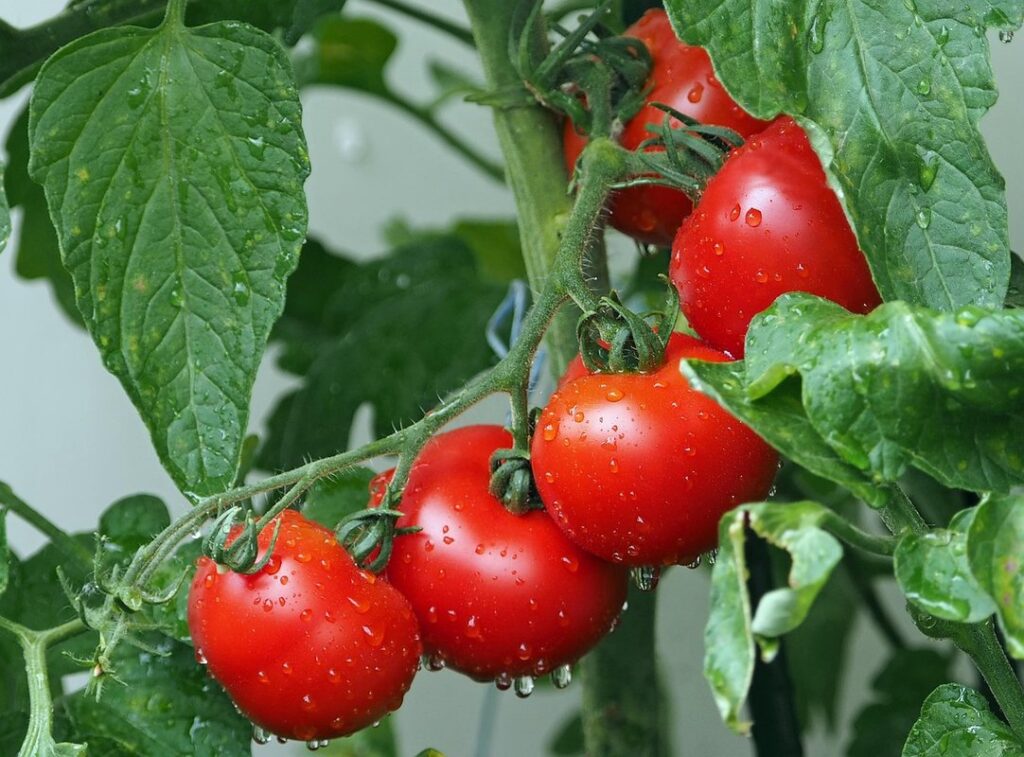
Tomato staking is a technique that supports your plants as they grow, preventing them from toppling over and promoting healthy development. Let’s dive into what it entails and how you can use it to boost your tomato harvest.
Understanding the Importance of Support
Staking tomatoes is not just a matter of aesthetics; it’s crucial for maintaining healthy plant growth and maximizing yields. By providing support to your tomato plants, you’re essentially giving them the stability they need to thrive.
When left unattended, indeterminate tomato varieties can grow quite tall and become prone to damage from wind, rain, or even their own weight. This vulnerability makes them susceptible to disease, such as fungal infections that take hold in wet conditions. Moreover, unsupported plants often experience reduced yields due to the stress they endure when trying to support themselves.
On average, staked tomato plants have shown a 15% increase in fruit production compared to those left unattended. For instance, a study conducted by the University of California found that staking increased tomato yields from 10 pounds to over 14 pounds per plant.
By incorporating stakes into your gardening routine, you’ll not only promote healthier growth but also safeguard against common problems associated with unsupported plants.
Types of Tomato Stakes Available
When it comes to staking tomatoes, you’ll find that there are several types of stakes available, each with its own set of benefits and drawbacks. Let’s take a closer look at the most common ones.
Single-stake systems involve placing a single stake next to each plant, providing support as they grow. This method is great for compact varieties or for staking individual plants in a larger bed. However, it can be time-consuming to install and may not provide enough support for taller plants.
Double-stake systems, on the other hand, use two stakes per plant, one on either side of the stem. This provides additional support and allows for better air circulation around the plant. Double-staking is ideal for larger varieties or for staking multiple plants together.
Trellis systems offer a more extensive support system, often featuring horizontal wires or netting to train the vines to grow up and outwards. Trellises are perfect for vining tomato varieties like cherry tomatoes or patio tomatoes, as they allow for maximum growth and fruit production. When choosing between these types of stakes, consider the specific needs of your plants and the space you have available in your garden.
Choosing the Right Stake for Your Tomatoes
When it comes to staking your tomatoes, selecting the right stake is crucial for supporting their growth and preventing damage to the plant. Let’s explore your options together!
Factors to Consider When Selecting a Stake
When selecting a stake for your tomatoes, there are several key factors to consider. First and foremost, think about the mature size of your plant. Indeterminate varieties can grow quite large, so you’ll want a stake that can support their weight. A sturdy stake with a diameter of at least 3/4 inch is recommended for these larger plants.
Next, consider your tomato’s growth habit. Some varieties, like compact or dwarf types, may not require as much support and can thrive on smaller stakes. On the other hand, indeterminate and vining varieties will need more substantial support to prevent them from toppling over. If you’re unsure about your plant’s specific needs, consult with a gardening expert or check the seed packet for guidance.
Soil type is also an important consideration when choosing a stake. If your soil is prone to shifting or eroding, look for stakes with a heavy base that can provide extra stability. Additionally, consider the climate and weather conditions in your area – extreme winds, rainfall, or frost may require sturdier stakes to protect your plants.
Popular Materials Used in Tomato Stakes
When it comes to choosing the right material for your tomato stakes, you have several options to consider. Bamboo stakes are a popular choice among gardeners due to their durability and eco-friendliness. They’re lightweight, yet strong enough to support heavy loads of fruit. Plus, bamboo is biodegradable, making it an excellent option for gardeners who prefer sustainable practices.
Another material worth considering is metal stakes. These are often made from durable materials like aluminum or steel and can withstand harsh weather conditions. Metal stakes are also easy to install and won’t rot or decay over time, making them a great choice for long-term staking solutions. However, they can be heavy and may require more effort to set up.
Plastic stakes are another option, often made from flexible materials that can bend with the plant as it grows. These are lightweight and easy to install, but may not be as durable as metal or bamboo stakes. They’re also prone to weathering over time and may need to be replaced regularly. Consider your specific needs and preferences when choosing between these popular materials for tomato staking.
Preparing Your Tomatoes for Staking
Before you start staking your tomatoes, it’s essential to prepare them properly. This includes pruning and training the plants to ensure a strong, stable base for support.
Hardening Off and Transplanting
Hardening off seedlings is an essential step before transplanting them into the garden. This process allows the seedlings to gradually adjust to outdoor conditions, such as sunlight, wind, and temperature fluctuations. Start by keeping the seedlings indoors for another week or two after they’ve developed their second set of leaves.
Gradually introduce them to direct sunlight over 7-10 days, beginning with a few hours a day and increasing the duration each subsequent day. This will help prevent shock when transplanting them into the garden. When hardening off is complete, you’re ready to transfer your seedlings into larger pots or directly into the garden.
When transplanting seedlings, make sure they are at least 6-8 inches tall before transferring them into individual containers or the garden bed. Harden off and transplant during a cloudy day to minimize shock. Water thoroughly after transplanting and keep the soil consistently moist for the first few days. With these simple steps, you’ll be on your way to staking tomatoes that are healthy and robust from an early stage.
Plant Spacing and Layout Considerations
When using stakes to support your tomatoes, it’s essential to consider optimal plant spacing and layout. This might seem like a minor detail, but it can have a significant impact on the health of your plants.
To ensure good air circulation and sunlight penetration, you’ll want to space your tomato plants about 2-3 feet apart from one another. This will give them enough room to grow without becoming too crowded, which can lead to fungal diseases like septoria leaf spot. For indeterminate varieties, plant them on the north side of the stake so that they have unobstructed sunlight.
When laying out your plants, take into account their mature size and growth habits. Taller varieties will need more space to grow upright without becoming entangled with surrounding plants. Consider staggering the placement of your stakes to create a grid-like pattern, allowing for easy access between rows and optimal air circulation.
Remember that proper spacing and layout are crucial when using stakes to support your tomatoes. By taking the time to plan out your garden thoughtfully, you’ll be rewarded with healthier, more productive plants come harvest season.
Staking Techniques for Different Tomato Varieties
When it comes to staking tomatoes, not all plants are created equal. This section will help you learn how to best support popular tomato varieties like cherry tomatoes and indeterminate hybrids.
Indeterminate vs. Determinate Tomatoes
When it comes to staking tomatoes, not all varieties require the same level of support. Indeterminate and determinate tomato varieties have distinct growth habits that necessitate different staking techniques.
Indeterminate tomatoes are vining plants that will continue to grow throughout the season, producing new fruiting branches as they go. These plants need sturdy support structures to keep them upright and promote healthy growth. A trellis or a stake with multiple horizontal wires is ideal for indeterminate varieties, allowing them to climb and produce plenty of fruit. For example, popular indeterminate varieties like ‘Brandywine’ and ‘Cherokee Purple’ will benefit from this type of staking.
On the other hand, determinate tomatoes are bushy plants that grow to a fixed height and stop producing new growth once they reach maturity. These plants typically require less support than indeterminate varieties, but still need some guidance to prevent them from toppling over in the wind. A single stake or a tomato cage is usually sufficient for determinate varieties like ‘Early Girl’ and ‘Patio’.
Using Stakes with Cherry and Patio Tomatoes
When growing compact or dwarf tomato varieties like Cherry and Patio Tomatoes, using stakes is crucial to provide support for their delicate stems. These types of tomatoes are bred to be more compact, making them perfect for small gardens or containers, but they still require some structural support to ensure healthy growth.
Cherry Tomatoes, in particular, can produce an abundance of fruit, weighing down the plant’s stem. To prevent damage and promote even growth, use a stake that is at least 3-4 feet tall, inserted into the soil near the base of the plant. Tie the stem gently with twine or clips to the stake, leaving some room for expansion.
Patio Tomatoes are more bush-like in their growth habit and require less staking support. However, they still benefit from being tied to a shorter stake, around 2-3 feet tall, to keep them upright and encourage fruiting. Be mindful not to over-tie the stem, as this can cause damage to the plant.
Remember to check on your plants regularly, adjusting the stakes as needed to ensure maximum support without constricting growth. By using stakes correctly with compact tomato varieties like Cherry and Patio Tomatoes, you’ll be able to enjoy a bountiful harvest while maintaining healthy, robust plants.
Maintenance and Care of Staked Tomato Plants
Now that you’ve set up your staked tomato plants, it’s time to focus on maintaining their health through regular pruning, watering, and monitoring for common issues. Proper care will ensure a bountiful harvest.
Watering and Fertilization Considerations
When it comes to maintaining healthy staked tomato plants, proper watering and fertilization are crucial. A well-placed stake not only supports the plant’s growth but also promotes even ripening of fruit.
To prevent overwatering, which can lead to disease and root rot, check the soil moisture by inserting your finger into the soil up to the first knuckle. Water deeply once a week during hot summer months and every 10 days in cooler weather. Avoid getting water on the leaves or crown to minimize fungal diseases.
Fertilize staked tomato plants with a balanced fertilizer (e.g., 10-10-10 NPK) every two weeks until they reach their full height, which is typically around 2 feet tall. You can also use compost tea as a natural alternative for enhanced nutrient uptake. Prune weak or damaged branches to promote air circulation and prevent disease spread.
Don’t forget that mulching around the plant’s base helps retain moisture, suppress weeds, and regulate soil temperature. This simple yet effective technique will have you enjoying bountiful harvests all season long!
Managing Pests and Diseases on Staked Tomatoes
Staked tomatoes are more susceptible to pests and diseases due to their exposed growth habit. Common pests include hornworms, aphids, and whiteflies, while fungal diseases like early blight, septoria leaf spot, and powdery mildew can be devastating.
To manage these issues effectively, adopt an integrated pest management (IPM) approach that combines physical barriers, cultural controls, and targeted treatments. For example, use fine mesh to cover the plants and prevent whiteflies from landing on them. Remove weeds regularly, as they provide shelter for pests and harbor disease pathogens.
Organic control methods include introducing beneficial insects like ladybugs or lacewings to prey on aphids, or using neem oil to repel whiteflies. Regularly inspect your plants for signs of infestation or infection, and treat promptly with approved organic pesticides or fungicides. Maintain good air circulation around the plants by providing sufficient space between them and avoiding over-fertilization.
When using pesticides, always follow label instructions carefully and consider applying during the cooler parts of the day to minimize drift and runoff risks. By adopting a proactive and holistic approach to pest management, you can protect your staked tomatoes from common threats and ensure healthy growth throughout the season.
Troubleshooting Common Issues with Staked Tomato Plants
Don’t let common staking issues bring down your tomato crop! This section tackles the most frequent problems and provides practical solutions to get your plants back on track.
Identifying and Addressing Support-Related Problems
When using stakes to support staked tomato plants, several common problems can arise. Plant toppling is often caused by inadequate stake placement or insufficient support for the plant’s weight. To prevent this issue, ensure that your stakes are at least 12-18 inches deep and spaced about 2-3 feet apart. This will provide a sturdy base for the plant to lean against.
Another problem encountered with staking tomato plants is inadequate support, leading to weak or damaged stems. To address this, use high-quality stakes made from durable materials like bamboo or steel, and secure them firmly into the ground using wooden or plastic clips. Regularly inspect your stakes and adjust their position as needed to ensure the plant remains upright.
Regular pruning of lower leaves and branches can also help distribute the plant’s weight more evenly, reducing the risk of toppling. By taking these preventative measures, you’ll be able to maintain healthy staked tomato plants with robust support that promotes optimal growth and fruit production.
Encouraging Vertical Growth in Tomatoes
To encourage vertical growth in tomatoes, you’ll want to employ pruning and training methods that promote upward development. Pruning is crucial for staked tomato plants as it helps control the plant’s energy distribution, directing more resources towards fruit production rather than foliage.
Start by removing lower leaves to prevent fungal diseases from spreading up the stem. Next, identify the two strongest branches on each side of the plant and remove any weak or spindly growth. This will encourage the remaining stems to put their energy into producing fruit.
For indeterminate varieties, use a trellis or a stake to provide support for the long vines. As the plants grow, gently twine them around the stake, keeping the main stem at least 6 inches above the soil level. For determinate varieties, prune back the plant’s growth by about one-third after it has reached about two feet tall, encouraging more fruiting branches to form.
By implementing these pruning and training methods, you can maximize your tomato yields while making efficient use of space in your garden.
Frequently Asked Questions
How often should I check on my staked tomato plants for signs of damage or disease?
Regular inspections are crucial to maintaining healthy, staked tomato plants. Check your plants every week, looking for signs of damage from wind, rain, or pests. Also, inspect the stake itself for any damage or wear and tear. If you notice any issues, take prompt action to address them.
Can I use stakes with my cherry or patio tomatoes?
While these smaller varieties don’t need as much support as indeterminate tomatoes, using stakes can still help promote upright growth and prevent disease. Choose lighter-gauge stakes (about 1/4 inch thick) and space them about 12-18 inches apart to accommodate the smaller plants.
How do I know if my tomato variety requires staking?
Most indeterminate tomato varieties will benefit from staking, while determinate varieties usually don’t need support. Check your seed packet or consult with a local nursery expert to determine whether your specific variety requires staking.
What’s the best way to secure my stakes in areas prone to high winds?
In areas with strong winds, use heavier-gauge stakes (about 1/2 inch thick) and consider using additional support like twine or tape to secure them. You can also drive the stake deeper into the soil for added stability.
Can I reuse tomato stakes from previous seasons?
Reusing stakes can be a cost-effective option, but it’s essential to inspect them carefully before reusing. Check for any signs of damage, rot, or pest infestation. If you find any issues, consider replacing the stake with a new one to ensure healthy plant growth.