
As a gardener, you’ve probably encountered the frustration of tall plants toppling over in the wind or under their own weight. Staking tall plants is an essential skill to master if you want to ensure your prized plants remain upright and healthy throughout the growing season. But staking isn’t just about throwing some sticks in the ground – it requires careful planning, the right materials, and a bit of know-how to avoid common mistakes. In this comprehensive guide, we’ll walk you through everything you need to know about staking tall plants, from selecting the perfect stakes to troubleshooting common problems like damaged roots or over-stiffening. Whether you’re a seasoned pro or just starting out, by the end of this article, you’ll be equipped with the knowledge and confidence to stake your tall plants successfully and achieve the stability and success you’ve been striving for in your garden.
Understanding the Need for Staking
When growing tall plants, it’s easy to overlook one crucial aspect of their care: providing support as they grow. In this next part, we’ll explore why staking is essential for your plant’s stability and health.
Why Stake Tall Plants
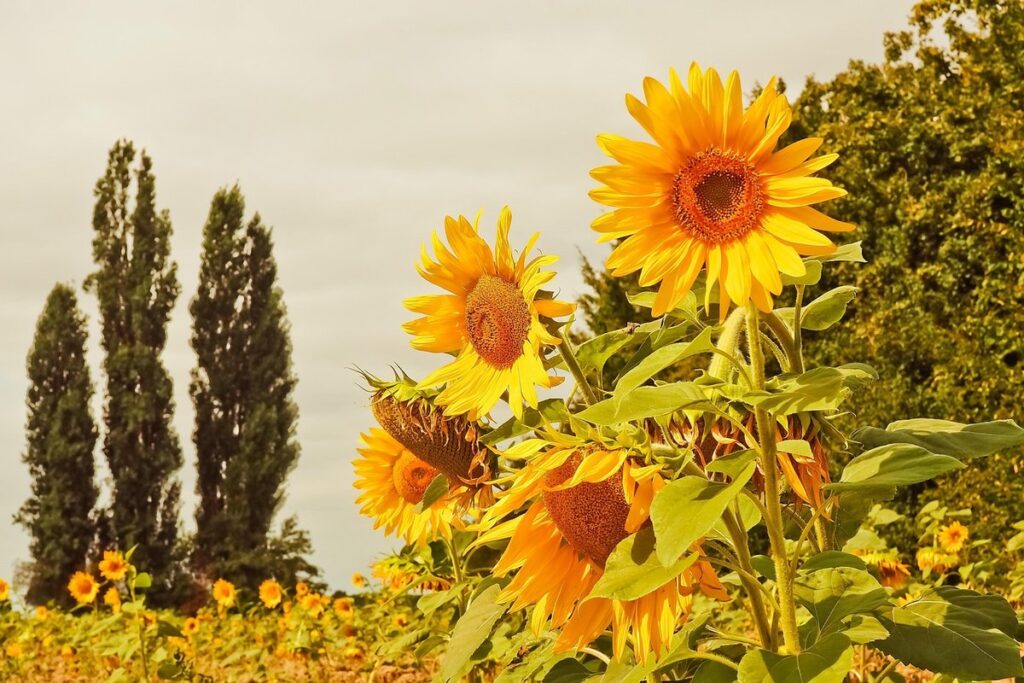
When you have tall plants, staking becomes an essential aspect of their care. Without proper support, these plants can suffer from damage caused by strong winds and harsh weather conditions. Imagine a newly bloomed sunflower that’s suddenly swayed by a gusty wind – its delicate stem might break or get bent out of shape.
Staking also plays a crucial role in supporting heavy blooms on tall plants like peonies or delphiniums. These flowers are not only beautiful but also produce massive, weighty blooms that can easily topple over if left unsupported. By providing staking for these plants, you ensure their blooms remain upright and intact throughout the blooming period.
Maintaining plant shape is another significant advantage of staking tall plants. Without support, their stems might become leggy or grow in an unruly manner, affecting their overall appearance. Proper staking helps maintain a neat and balanced structure, allowing your plants to thrive and look their best all season long.
In addition to these benefits, staking can also help reduce soil compaction around the plant’s roots, improve air circulation, and deter pests from climbing up the stem.
Common Mistakes When Not Using Stakes
When left unsecured, tall plants are prone to toppling over in the wind, which can cause irreparable damage. The force of a strong gust can snap delicate stems, leaving you with a mangled mess and a hefty repair bill. Not only does this compromise the plant’s structure, but it also reduces its growth potential.
Plant tops that flop onto the ground are more susceptible to disease and pest infestations, which can spread quickly through the soil. This not only harms your individual plant but also puts neighboring plants at risk of infection. Furthermore, a fallen or broken stem requires significant time and effort to repair, taking away from other essential gardening tasks.
Regular staking is an effective way to prevent these issues. Consider using a sturdy stake that’s specifically designed for the type of plant you’re growing. Insert it deep into the soil to provide maximum stability. As your plant grows, gently tie it to the stake using soft material like twine or clips to avoid damaging the stem.
Choosing the Right Stake Material
When it comes to choosing a stake material, you’ve got several options to consider, including bamboo, wood, and even recycled plastic. Let’s take a closer look at each one’s pros and cons.
Types of Staking Materials
When it comes to staking tall plants, choosing the right material is crucial for providing stability and support without causing damage to the plant. There are several types of stake materials available, each with its own set of pros and cons.
Bamboo stakes are a popular choice due to their lightweight and eco-friendly nature. They are also relatively inexpensive and can be easily sourced from local suppliers or online retailers. However, bamboo can be prone to splintering, which may cause injury to the plant’s stem.
Wooden stakes, on the other hand, offer excellent durability and can withstand harsh weather conditions. However, they tend to be heavier than bamboo and may require more effort to install. Additionally, wooden stakes can dry out over time, causing them to become brittle and prone to cracking.
Metal stakes provide exceptional strength and stability, making them ideal for supporting heavy or top-heavy plants. They come in a range of materials, including aluminum, steel, and copper, each with its own unique properties. However, metal stakes can be expensive and may require additional support to prevent rust or corrosion.
Plastic stakes are another option, often made from recycled materials and offering a lightweight, affordable alternative to traditional staking materials. They come in various shapes and sizes and are easy to install. However, plastic stakes may not provide the same level of stability as metal or wooden stakes.
Factors to Consider When Selecting a Stake
When selecting a stake for your tall plants, several key factors come into play. First and foremost, consider the durability of the stake. Will it withstand the elements, including rain, wind, and extreme temperatures? A sturdy stake made from high-quality materials like bamboo or metal will last longer and provide better support for your plant.
Next, think about the weight capacity of the stake. How heavy is your plant, and how much stress will it put on the stake? Make sure to choose a stake that can handle the weight of your plant, taking into account any additional loads from wind, rain, or snow.
Finally, don’t forget about ease of use. Choose a stake that’s easy to install and remove, so you can adjust as needed without causing damage to your plant. Consider stakes with adjustable lengths or ones with built-in ties for added convenience.
Proper Staking Techniques
To keep those long stems upright and stable, you’ll want to master some essential staking techniques that’ll make a big difference in your plant’s overall health and appearance.
Preparing the Plant for Staking
Before you start staking your plant, it’s essential to prepare it for support. This involves gently removing any leaves that may be in contact with the stake, as these can get damaged or even tear when moving the stake. Take a moment to inspect your plant and carefully remove any foliage that’s touching the stake. Use a pair of scissors or pruning shears to trim back the affected area, making sure not to damage the stem or nearby leaves.
It’s also crucial to clean the stake itself before placing it next to the plant. Dirt, debris, and other particles can stick to the stake, causing further stress on the plant. Take a soft brush or cloth and gently wipe down the stake, removing any dirt or residue. This will ensure that your plant remains healthy and doesn’t develop any unwanted diseases.
By taking these simple steps, you’ll be able to safely support your tall plants without causing harm to their delicate leaves or stems. Remember to handle the stakes and plants with care, as rough handling can cause damage to both.
Securing the Stake to the Plant
Securing the stake to the plant is an essential part of staking tall plants, and there are several methods you can use depending on the type of plant and the level of support it requires. One popular option is using tie wires, which come in different thicknesses and can be adjusted to fit the size of your plant.
To attach a stake to a plant using tie wires, start by threading the wire through the eye of the stake and then around the stem of the plant. Next, bring the end of the wire back through the eye and pull it tight to secure the stake in place. You can also use clips specifically designed for staking plants, which are easy to attach and adjust as needed.
Another method is using soft ties, which are gentler on the plant’s stem than tie wires or clips. Soft ties come in a variety of materials, including cotton, nylon, or twine, and can be tied around the stake and plant stem for secure support without causing damage.
Using Additional Support Methods
Besides staking, there are several other ways you can provide support for tall plants, and we’ll explore some of these alternatives in more detail below.
Tying Up Tall Plants
Tying up tall plants is an essential step in providing them with the support they need to stay upright and healthy. There are several techniques you can use when securing stems to stakes or other support structures using twine or string. One common method is to wrap the twine around the stake and then pass it through a loop tied at the top of the stem. This creates a secure anchor point that prevents the plant from being pulled away from the stake.
Another technique involves tying a knot on the stem itself, usually about 6-8 inches above the node (where the leaf meets the stem). You can use a simple overhand or square knot to secure the twine in place. This type of tie is particularly useful for plants with thick or rigid stems that don’t bend easily.
When using twine or string to tie up your tall plants, make sure to leave enough slack so that the plant has room to grow and move slightly without being constricted. It’s also essential to check on your ties regularly to ensure they’re not too tight or causing damage to the plant.
Creating a Trellis System
Creating a trellis system is an excellent way to provide support for tall plants, and it’s relatively easy to set up. To begin, you’ll need a few key components: sturdy posts, durable wires, and clips or twine. Start by driving the posts into the ground about 12-18 inches apart, depending on the mature size of your plant. Next, run the wires between the posts, spacing them evenly to create a grid-like structure.
Now it’s time to attach the wires to the plant itself using clips or twine. Begin at the base of the plant and work your way up, securing the wires as you go. This will give your plant the support it needs to grow upright without becoming weighed down by its own foliage. As your plant continues to grow, simply add more wires and clips as needed to maintain stability.
When choosing a trellis system, consider the mature size of your plant and select materials that can withstand the elements and provide adequate support. With a little planning and effort, you’ll be able to create a sturdy trellis system that will help your tall plants thrive.
Monitoring and Adjusting Stakes as Needed
As you work with your staked plants, it’s essential to monitor their stability and adjust the stakes as needed to ensure they remain safe and secure throughout the growing season. Regular checks can make all the difference.
Checking Plant Health Regularly
As you work with stakes to support your tall plants, it’s crucial to regularly check their health and adjust the stakes accordingly. This habit will help prevent potential issues such as root damage, stem breakage, or even plant death.
During each inspection, look for signs of stress, disease, or pests on the plant itself and its roots. Be aware that some pests or diseases may not be immediately visible but can cause harm over time. Consider factors like weather conditions, soil quality, and fertilization schedules when evaluating plant health.
When adjusting stakes, prioritize the well-being of both the plant and the stake. Remove any weak or damaged parts to avoid further stress on the plant. Also, ensure that the stake doesn’t constrict the plant’s growth by periodically loosening the tie if necessary. Regular monitoring will save you from dealing with costly damages or having to replant. By observing your plants closely and adjusting stakes when needed, you can prevent problems before they arise, maintaining healthy and thriving tall plants in the long run.
Making Adjustments as the Plant Grows
As your tall plant grows, it’s essential to make adjustments to its staking to ensure continued support and stability. This might involve adding more stakes or repositioning existing ones to accommodate the plant’s increasing height and spread.
When making these adjustments, consider the type of stake you’re using. For example, if you’ve been using bamboo stakes for a young seedling, it may be time to switch to sturdier wooden stakes as the plant grows taller and heavier. You can also use trellises or other types of support systems to provide additional structure.
Think about repositioning stakes every 6-8 inches to maintain even support. For instance, if you’ve got a 4-foot-tall tomato plant with two stakes at 18 inches apart, try moving one stake up to the midpoint and another closer to the top to redistribute the weight evenly. Don’t forget to gently tie the stems to the new stakes to prevent them from getting tangled or damaged.
Common Problems and Solutions When Staking Tall Plants
When staking tall plants, you’re likely to encounter a few common issues that can undermine your support system. We’ll tackle these problems head-on in this section.
Identifying Potential Issues Early On
When staking tall plants, it’s essential to be aware of potential issues that may arise. One common problem is root damage. This can occur when the stake is inserted too deeply into the soil, causing harm to the plant’s roots. To avoid this, make sure the stake is driven in at a 45-degree angle and not directly into the root zone.
Another issue you might encounter is stake breakage. This can happen due to factors such as weather conditions, soil type, or even the weight of the plant itself. To prevent stake breakage, choose stakes made from durable materials like bamboo or metal, and consider using a stabilizing system for extra support. Regularly inspect your staked plants for any signs of damage or wear on the stakes.
By being mindful of these potential problems, you can take steps to mitigate them and ensure the stability and longevity of your tall-planted garden. Regular checks and adjustments will help you address any issues before they become major problems, allowing your plants to thrive under their support system.
Troubleshooting Common Issues
When you’re staking tall plants, it’s not uncommon for issues to arise. Maybe you’ve accidentally damaged some of the roots while installing the stakes, or perhaps one of the stakes has snapped under the weight of the plant.
In such cases, it’s essential to know how to troubleshoot and repair these problems without causing further stress to your plants. Start by carefully inspecting the damaged area and assessing the extent of the damage. If you’ve accidentally cut or bruised some roots during staking, try to gently tease them apart and reposition them in a more favorable direction.
To replace a broken stake, select a new one that’s sturdy enough to support your plant without causing further strain on its stems. Remove any debris from the old stake’s base and insert the new one into the soil at the same depth as the original. Make sure it’s firmly secured before adjusting the plant’s position around it.
By addressing these common issues promptly, you can minimize potential damage and get your staked plants back on track to healthy growth.
Conclusion: Achieving Success with Staked Tall Plants
Now that you’ve learned how to stake tall plants effectively, let’s tie everything together and explore the key takeaways from our comprehensive guide.
Recap of Key Takeaways
Proper staking techniques are crucial for supporting tall plants, preventing damage from wind and rain, and promoting healthy growth. In this article, we’ve covered the key points to achieving success with staked tall plants.
When it comes to choosing staking materials, consider using sturdy yet flexible options like bamboo stakes or tomato clips, which can be easily adjusted as your plant grows. Avoid using wire or string, as these can cause damage to delicate stems and roots. Remember to install stakes at the correct depth, usually 2-3 inches below the soil surface, to ensure stability without promoting rot.
One of the most critical aspects of staking is providing adequate support for individual plants. This involves assessing plant weight, growth rate, and wind exposure to determine the right amount of support. Be mindful that over-staking can be just as detrimental as under-staking, so it’s essential to strike a balance between stability and freedom of movement.
Some practical tips to keep in mind when staking tall plants include:
* Installing stakes at planting time to prevent damage from wind and rain
* Checking stakes regularly for signs of wear or damage
* Adjusting stake height and tension as needed to accommodate plant growth
* Providing additional support for heavily weighted flowers, such as peonies or delphiniums
By following these guidelines and selecting the right staking materials, you’ll be well on your way to creating a stable and thriving environment for your tall plants. Remember that proper staking is an ongoing process requiring regular maintenance, so stay vigilant and make adjustments as necessary to ensure the long-term health of your plants.
Frequently Asked Questions
Can I use the same stake for multiple plants?
Yes, if you’re growing multiple tall plants that need similar support, using the same stake can be a convenient option. However, make sure to clean and disinfect the stake between uses to prevent the transfer of diseases from one plant to another.
How do I know when my plant needs additional support beyond staking?
As your plant grows, monitor its stem’s thickness and flexibility. If it starts to sag or shows signs of weakness, consider providing additional support with a trellis system or using a second stake for extra stability.
Can I use bamboo stakes in areas prone to high winds?
While bamboo stakes are lightweight and easy to install, they might not provide sufficient support in areas with extremely strong winds. Consider using heavier-duty materials like metal or wooden stakes for added stability.
How often should I check on my staked plants for signs of damage or stress?
Regular monitoring is crucial when staking tall plants. Check on your plants at least once a week, inspecting the stake for any signs of damage or wear, and ensuring the plant’s stem isn’t becoming too dependent on the support.
What are some common mistakes to avoid when introducing stakes to my plants?
When introducing stakes to your plants, be cautious not to damage their delicate roots. Avoid over-tightening the tie that secures the stake, as this can restrict the plant’s growth. Also, ensure the stake is installed at an angle to prevent it from rubbing against nearby leaves or branches.