
Are you tired of watching your precious plants succumb to the weight of their own blooms? Staking plants is an essential gardening technique that can make all the difference in their growth and support. Whether you’re dealing with delicate seedlings or towering perennials, staking can be a lifesaver. But with so many types of stakes on the market and common mistakes to avoid, it’s easy to get overwhelmed. In this comprehensive guide, we’ll walk you through everything you need to know about staking plants for optimal growth and support. From choosing the right type of stake to avoiding common pitfalls, we’ve got you covered. By the end of this article, you’ll be equipped with the knowledge and confidence to give your plants the support they need to thrive.
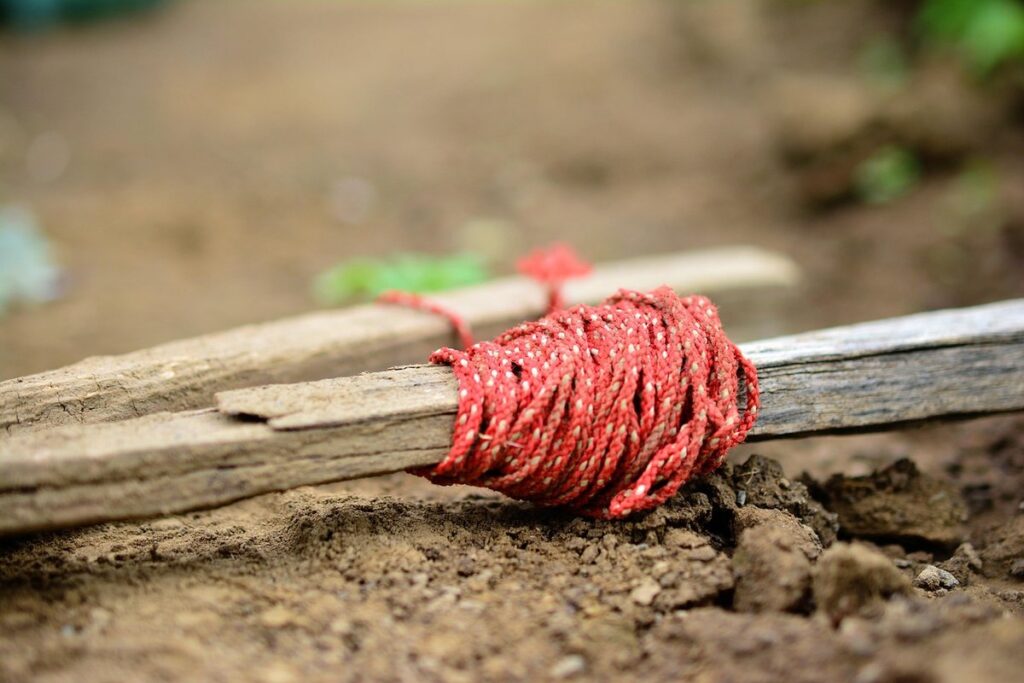
Benefits and Purposes of Staking
So, you’re wondering why staking your plants is worth the effort? Let’s dive into the benefits and purposes of staking, from supporting fragile stems to encouraging healthy growth.
Why Stake Plants
Stakes are essential for plants that require support due to various environmental factors. One primary reason staking is necessary is to prevent damage from strong winds, which can cause plants to become uprooted or broken. For instance, tall flowers like sunflowers and dahlias are prone to wind damage if not staked properly.
In addition to wind, excessive water can also cause plants to topple over. If your garden receives heavy rainfall, staking can provide the necessary support to keep your plants upright. Pests like rabbits, deer, or even slugs can also cause damage to delicate plants, and staking can help deter them from reaching the plant.
To stake a plant effectively, choose a sturdy stake that is at least 2-3 times taller than the plant itself. Gently press the stake into the soil next to the plant, being careful not to damage any roots. Then, tie the plant to the stake using soft ties or twine, making sure not to constrict the plant’s growth.
Types of Plant Supports
When it comes to choosing the right plant support, you’ll be pleased to know that there’s a wide variety of options available. The type of stake you use will largely depend on the specific needs of your plants, as well as the space and budget you have available.
Bamboo stakes are a popular choice for many gardeners due to their lightweight yet sturdy nature. They’re ideal for smaller plants like tomatoes, peppers, and cucumbers that require minimal support. Bamboo stakes can be easily bent and shaped around the plant’s stem, making it simple to secure them in place.
Wooden stakes, on the other hand, are a great option for larger or more robust plants. Oak and cedar woods are particularly durable and resistant to rot, making them perfect for supporting plants that require extra stability. Wooden stakes can be used in conjunction with twine or wire to create a sturdy framework for your plants.
Metal stakes offer a more permanent solution for plant support, often made from galvanized steel or aluminum. These stakes are typically used for taller plants like sunflowers and corn, where added height is required. They’re also great for plants that need to be supported for extended periods of time.
When selecting the right type of stake for your plants, consider factors such as the plant’s growth rate, size, and weight, as well as any potential wind or weather conditions in your area.
Choosing the Right Stake
When selecting a stake for your plants, several key factors come into play. First and foremost, consider the type of plant you’re working with. Delicate blooms like roses and peonies require more gentle support, whereas sturdier plants like sunflowers can handle thicker stakes. If your plant has an upright growth habit, a single stake should suffice.
However, if your plant is prone to sprawling or has weak stems, consider using multiple stakes or even a trellis for added support. The growing conditions of your plant also play a significant role in choosing the right stake. For instance, plants grown in windy areas require sturdier stakes that can withstand harsh weather conditions.
Lastly, think about how long you’ll need to provide support for your plant. If it’s a short-term requirement, a lightweight stake made from materials like bamboo or plastic might be sufficient. But if you’re dealing with perennials that will continue to grow year after year, invest in sturdier stakes that can withstand the elements and offer reliable support for extended periods.
Methods for Staking Plants
When it comes to staking plants, there are several methods you can use to provide support without causing damage. Let’s take a closer look at some popular techniques and their applications.
Tying with Twine or String
When using twine or string to tie plants to stakes, it’s essential to ensure that the stems are secure and not damaged. To do this effectively, start by wrapping the twine around the stake at a 45-degree angle, leaving a small loop on the top for easy adjustment.
Next, place the stem through the loop you just created, then wrap the twine around the stem at least twice to secure it in place. Repeat this process by tying the stem to the stake at multiple points, about 6-8 inches apart. This will prevent the plant from swaying or toppling over due to wind or other external factors.
It’s also crucial to avoid tying the stems too tightly, as this can cause damage and even lead to the plant being pushed off the stake altogether. Instead, aim for a snug but not constricting fit. To check if your ties are secure without being too tight, gently tug on the twine while holding the plant in place – it should move slightly but remain stable.
Using Plant Clips or Bands
When it comes to providing added stability and support for plants, plant clips or bands can be an excellent option. These simple yet effective tools are designed to gently grasp the stem of a plant without causing damage, allowing you to train them to grow upright and maintain their shape.
To use plant clips or bands effectively, begin by selecting the right size for your plant’s stem diameter. Make sure to position the clip or band snugly around the stem, taking care not to constrict it too tightly. This can be done at various heights along the stem, depending on where you need added support.
One of the benefits of using plant clips or bands is their ease of removal when needed. Simply lift them off the stem without causing any damage to the plant. They’re also reusable, making them a cost-effective option for gardeners who plan to stake multiple plants throughout the growing season. This method is particularly useful for delicate or fragile plants that require gentle support.
Implementing Stakeless Support Systems
When it comes to staking plants for support, traditional individual stakes can sometimes be impractical or even detrimental to the plant’s growth. This is where alternative methods come into play, offering more efficient and effective ways to provide structural support.
Cages are a popular alternative to individual stakes, providing all-around protection and support to plants like tomatoes, peppers, and eggplants. These wire cages allow for easy access to the fruit while keeping the stems upright and secure. For instance, using a cage with 1-inch mesh can help prevent pests from reaching the plant, reducing the need for pesticides.
Self-supporting systems are another option that eliminates the need for individual stakes. Some plants, like peas and beans, can be trained to grow up trellises or other supports, minimizing the risk of stem breakage. These systems also promote better air circulation, which is essential for healthy plant growth. By incorporating these alternative methods into your staking strategy, you can achieve more efficient support while fostering a healthier environment for your plants to thrive in.
Popular Plants That Need Staking
If you’re not sure which plants require staking, don’t worry – we’ve got a list of popular ones to help you identify what needs support. From delicate flowers to tall vegetables, these plants are perfect for staking.
Flowering Shrubs and Perennials
When it comes to flowering shrubs and perennials, staking is often necessary to prevent damage from strong winds or excessive rain. Take roses, for instance – these beautiful blooming plants are notorious for their tendency to sprawl and break if not supported. To keep them upright, use sturdy stakes with soft ties that won’t constrict the plant’s growth.
Peonies also benefit from staking, especially after blooming when their heavy seed heads can cause the stems to bend or break. Insert a stake gently beside each stem, and tie it loosely to prevent damage. Similarly, hydrangeas require staking, particularly if they’re growing in exposed locations. Their large flower clusters can weigh down the stems, so provide support with stakes that are at least as tall as the plant itself.
When staking flowering shrubs and perennials, remember to install stakes early in the growing season, before new growth begins. This will help prevent damage from wind or rain and ensure a healthy, thriving plant all season long. By providing support to these beautiful blooming plants, you’ll be able to enjoy their vibrant colors and delicate forms without worrying about damage from external forces.
Vining Plants and Climbers
When it comes to vining plants like peas, beans, cucumbers, and tomatoes, staking is essential for optimal growth. These plants can grow quite long and heavy, causing them to become top-heavy and potentially breaking or bending under their own weight.
To stake vining plants effectively, start by providing a sturdy support system that will allow the plant to climb and produce fruit without becoming overwhelmed. For peas and beans, a trellis or a fence is ideal for training the stems. Make sure the stakes are securely anchored in the ground and can hold the weight of the mature plant.
For cucumbers and tomatoes, use tomato cages or individual stakes to support each plant. Bury the stakes at least 12 inches deep into the soil to prevent them from becoming unstable. Regularly check on your plants and adjust the stakes as needed to ensure they remain upright and secure. This will help you maximize yields while minimizing damage to the plants.
Remember, it’s essential to stake vining plants early in their growth stage to avoid damaging the stem or roots later on.
Delicate Herbs and Vegetables
When it comes to delicate herbs and vegetables like lettuce, herbs, or strawberries that are easily damaged, staking requires extra care. These plants can be bruised or bent by even the slightest support, which is why using soft materials or stakes with a flexible rod is essential.
For example, lettuce varieties like romaine or loose-leaf are highly susceptible to damage when exposed to wind or handling. To stake them effectively, use a lightweight trellis or a wire basket that allows for gentle support without constricting the plant’s growth. Another option is to use individual stakes with clips to secure leaves and stems, ensuring they don’t come into contact with the stake itself.
When staking strawberries, be mindful of their sensitive runners and blossoms. Use soft ties or clips to gently hold them in place, making sure not to damage any developing flowers. Similarly, herbs like basil and mint can be damaged by excessive wind or handling, so use a delicate support system that allows for flexibility and easy access.
By choosing the right staking materials and techniques, you can provide your fragile plants with the necessary support without causing harm.
Best Practices for Plant Support
When it comes to staking plants, there are certain best practices you can follow to ensure your supports don’t harm your plants. Let’s explore some essential guidelines to keep in mind when supporting your plants.
Timing of Staking
When it comes to staking plants, timing is everything. You should stake your plants at one of three key moments: when you’re planting them initially, after transplanting, or as needed during growth.
At planting time, staking can help prevent damage from strong winds and support the plant’s upright growth. For example, if you’re planting a tall sunflower in a breezy spot, consider using a stake to keep it upright. This will also give the plant a chance to establish its root system before being weighed down by heavy seed pods or flowers.
After transplanting, staking can help the plant adjust to its new surroundings and prevent shock. If you’ve recently moved a plant from one container to another, consider using stakes to provide support during this critical period.
Finally, some plants will need additional staking as they grow. For example, if you’re growing tomatoes or peas, you may need to stake them periodically to keep them upright and promote healthy growth. Keep an eye on your plants’ needs and adjust your staking schedule accordingly. By staking at the right time, you can ensure your plants receive the support they need to thrive.
Frequency of Adjustment
As you’re staking plants for support, it’s crucial to regularly check and adjust the stakes to accommodate changing plant sizes. Plants grow rapidly during their early stages, and if left unchecked, stakes can become too short or even topple over due to an oversized plant.
To ensure your stakes provide the necessary support, inspect them at least once a week. Check for any signs of strain on the stake, such as bending or sagging, which may indicate that it’s time for an adjustment. If you notice your plant has grown significantly taller or bushier, consider adding additional support by installing new stakes or reinforcing existing ones.
For example, if you’re staking a tomato plant, which can grow quite tall and top-heavy, make sure to check the stake daily during peak growing seasons. This way, you’ll be able to catch any signs of strain before it’s too late. By regularly checking and adjusting your stakes, you’ll ensure that your plants receive the support they need to thrive.
In fact, a study on staking techniques found that frequent adjustments can lead to improved plant growth by up to 20%.
Removing Supports When Necessary
When plants no longer require staking, it’s essential to carefully remove the supports to prevent damage to the plant or surrounding area. This is often a crucial step that many gardeners overlook, but doing so can actually cause more harm than good.
Before removing stakes, inspect the plant for any signs of weakness or instability. Check if the stem has thickened and developed its own structural integrity. If it has, you can likely remove the stake without causing damage. However, if the stem is still fragile or vulnerable to wind, it’s best to leave the stake in place.
To remove stakes safely, start by gently loosening the tie or wrap that secures the plant to the stake. Be cautious not to pull too hard, as this can cause root damage or even break off a piece of the stem. Once the plant is free from the stake, inspect the area around the base for any signs of damage or stress. If you notice any issues, consider providing additional support or taking measures to address the problem.
In some cases, removing stakes too soon can lead to stem collapse or other problems down the line. By carefully monitoring your plants and removing supports only when necessary, you can promote healthy growth and development while minimizing potential risks.
Common Mistakes to Avoid
When staking plants, it’s easy to fall into common mistakes that can harm your plants rather than help them. Let’s examine some of these pitfalls and learn how to avoid them.
Over-Staking
Over-staking is a common mistake that can have unintended consequences for your plants. When you stake a plant too tightly or use multiple stakes, it can cause damage to the stems or roots, hindering plant growth and even leading to rot. This is especially true for delicate or sensitive plants that are easily bruised.
To avoid over-staking, start by gently securing the main stem with one stake, making sure not to tie the string too tightly around the base of the plant. Leave some slack in the string to allow for growth and movement. For taller plants, you can use multiple stakes placed at intervals along the stem, but be cautious not to tie the plant too securely.
It’s also essential to monitor your plants regularly and adjust the staking as needed. If you notice that the plant is starting to lean or bend under its own weight, it may be time to add additional support. However, don’t overdo it – remember that some movement is natural and beneficial for plant growth.
Under-Staking
Under-staking is a common mistake that can have far-reaching consequences for your plants. It’s easy to get carried away with the idea of providing enough support, but over-estimating your plant’s needs can be just as problematic as under-estimating them. Insufficient staking can lead to broken or bent stems, which not only detract from your garden’s aesthetic appeal but also affect fruiting.
This is especially true for plants that produce heavy blooms or fruits, like tomatoes and marigolds. When left unsecured, these stems can snap under the weight of their own growth, causing damage that may never fully recover. To avoid this, it’s essential to strike a balance between providing enough support and not over-restricting your plant’s movement.
A good rule of thumb is to observe your plants closely as they grow. If you notice stems starting to lean or droop, intervene promptly by adjusting the stakes or ties to provide additional support. Remember, staking should be seen as a guide rather than a constraint – aim for gentle guidance rather than rigid control.
Improper Use of Materials
Using the wrong type of stake or support material can put your plants at risk. For instance, bamboo stakes are a popular choice for staking plants due to their lightweight and durable nature. However, if not properly secured, they can topple over in strong winds, causing more damage than good.
Another potential issue is using wire supports that are too tight. This can cause the stem of the plant to become constricted, leading to reduced growth or even damage to the plant’s bark. It’s essential to choose a stake or support material that provides gentle yet firm support for your plants.
Some plant species, such as delicate orchids or peace lilies, require more fragile supports like soft wire ties or twine to avoid damaging their stems. On the other hand, robust plants like sunflowers and corn can benefit from sturdy wooden stakes or metal supports.
To minimize risks, choose materials that are specifically designed for staking plants, and follow the manufacturer’s instructions for use. Be mindful of the weight and size of your plants when selecting a stake or support material to ensure it won’t topple over in windy conditions or put too much pressure on the plant’s stem.
Frequently Asked Questions
What if I’m not sure when to start staking my plants? Can’t it wait until they’re taller?
Stake your plants as soon as they need support, typically when the stem is about one-third of its mature height. This prevents damage from wind or water and encourages healthy growth. Be proactive and stake tall flowers like sunflowers and dahlias immediately after planting.
How do I know if I’m over-staking my plants? What are the signs?
Over-staking can lead to root damage, poor air circulation, and reduced plant growth. Check for signs of over-staking by gently tugging on the stem; if it’s too tight or constricting, loosen the stake. Ensure that the stake is not obstructing sunlight or water flow.
Can I use twine or string from old gardening projects to support my plants?
Yes, repurposed twine or string can be a sustainable option for staking small plants. However, it may not provide enough support for larger stems or withstand harsh weather conditions. For more substantial stakes, consider investing in high-quality, durable materials like bamboo or metal.
How often should I adjust and check on my plant supports?
Regularly inspect your staked plants every 1-2 weeks, adjusting the stakes as needed to prevent damage from growing stems. Be mindful of seasonal changes, as increased growth during spring and summer may require more frequent adjustments.
What if I accidentally over-stake or under-stake a plant? Can it be fixed?
Yes, minor mistakes can often be corrected by adjusting the stake or relocating the plant support. For severe cases, carefully remove any damaged stakes or supports to prevent further harm. Keep in mind that some damage may be irreversible, so prevent future issues by choosing the right materials and techniques for your specific plants.