
St John’s Wort has been a source of fascination for centuries, its potent healing properties and versatility earning it a revered place in ancient traditions. From the wild hillsides of Europe to the modern supplement shelves, this remarkable plant has captured the imagination of healers and naturalists alike. With its bright yellow flowers and distinctive smell, St John’s Wort is more than just a pretty face – it’s also a potent remedy for anxiety, depression, and inflammation. In this article, we’ll delve into the rich history and cultural significance of St John’s Wort, exploring its medicinal uses, modern applications, and uncovering the secrets behind its remarkable healing powers. Whether you’re a seasoned herbalist or just curious about natural remedies, get ready to discover the incredible world of St John’s Wort.
History and Cultural Significance
For centuries, St John’s Wort has been a revered herb in many cultures, with its rich history deeply rooted in folk medicine and traditional practices. Let’s explore its fascinating past.
Origins and Early Use
For centuries, St John’s Wort has been a staple in traditional medicine, particularly in European folklore. Its early use dates back to ancient times when it was revered for its supposed healing properties. In ancient Greece and Rome, for example, the plant was used to treat various ailments such as anxiety, insomnia, and even snake bites. The Greek physician Hippocrates (460-370 BCE) is said to have recommended St John’s Wort for treating melancholy and other mental health conditions.
The plant was also believed to possess protective qualities against evil spirits and bad luck. During the Middle Ages, it became a popular remedy in folk medicine, with people using its flowers to make potions, ointments, and salves for various complaints. Its use spread throughout Europe, with each region developing its unique traditions and uses for the plant. Today, we can appreciate the rich history behind St John’s Wort’s popularity, acknowledging its continued relevance in modern herbalism as a versatile and effective remedy for various health concerns.
Mythological and Folkloric Associations
In various mythological and folkloric traditions, St John’s Wort has been revered for its perceived magical properties. In ancient Greek mythology, the plant was associated with Apollo, the god of light and healing, and was said to bloom around midsummer when the sun was at its strongest. This connection led to its use in rituals and ceremonies celebrating the summer solstice.
In European folklore, St John’s Wort was believed to have protective properties against evil spirits and witchcraft. People would hang bunches of the plant above their doors or wear it as an amulet to ward off malevolent forces. This practice highlights the plant’s perceived ability to shield individuals from harm and negativity. To tap into this symbolic power, you can try hanging a small bundle of St John’s Wort above your home entrance or carrying a sprig with you during times of stress or uncertainty.
Botanical Description and Identification
To identify St John’s Wort, look for a small, flowering plant with yellow-green flowers and oval-shaped leaves that are typically three-lobed at their base.
Physical Characteristics
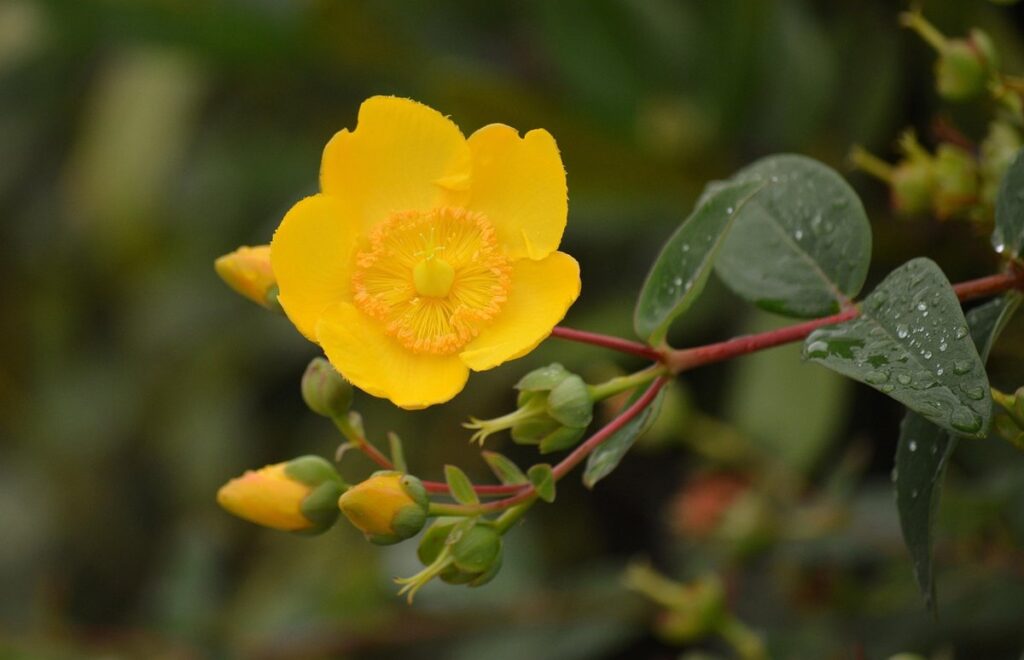
When it comes to identifying St John’s Wort, its physical characteristics are quite distinctive. The plant has a woody stem that can grow up to 2 feet tall, with numerous branches and stems that radiate from the base. These stems are typically red or reddish-brown in color due to the high concentration of anthocyanins.
The leaves of St John’s Wort are dark green, glossy, and oval-shaped, measuring around 1-3 inches in length. They have a pointed tip and are arranged oppositely on the stem. When you crush the leaves, they release a sweet, slightly bitter fragrance that is characteristic of the plant.
One of the most distinctive features of St John’s Wort is its flowers, which bloom in mid-to-late summer. The flowers are small, yellow or orange-yellow in color, and have five petals that are deeply notched at the tip. They grow in clusters along the stem and emit a strong, sweet fragrance when blooming.
To accurately identify St John’s Wort, look for its characteristic red stems, dark green leaves with a pointed tip, and clusters of small yellow or orange flowers. By paying attention to these physical characteristics, you can confidently identify this medicinal plant in various forms, from seedling to mature plant.
Growth Habits and Habitat
St. John’s Wort is native to Europe but has naturalized in many parts of North America, typically growing in well-drained soil and full sun to partial shade. It thrives in areas with a slightly acidic pH, between 6.0 and 7.0. When cultivating St. John’s Wort, it’s essential to mimic its natural environment for optimal growth.
For best results, provide your plants with at least six hours of direct sunlight per day. While they can tolerate partial shade, reduced light exposure may impact flowering and overall health. St. John’s Wort prefers well-drained soil but can adapt to average moisture levels. Watering should be moderate, as excess moisture can lead to root rot.
To replicate the plant’s natural growth pattern, avoid over-fertilizing. A balanced fertilizer in early spring or fall is sufficient for healthy development. Regular pruning after blooming will encourage bushy growth and promote new flowers the following year. By replicating these conditions, you’ll create an ideal environment for your St. John’s Wort plants to thrive.
Medicinal Properties and Uses
St John’s Wort has been used for centuries to treat a variety of ailments, from anxiety and depression to skin irritations and wounds. Let’s explore its medicinal properties and traditional uses in more detail.
Antidepressant Effects
St John’s Wort has been widely studied for its antidepressant effects, and research suggests it can be an effective treatment option for mild to moderate depression. The exact mechanism of action is not fully understood, but it’s thought that the plant’s active compounds, such as hyperforin and hypericin, inhibit the reuptake of neurotransmitters like serotonin, dopamine, and norepinephrine.
This increase in neurotransmitter levels is similar to how conventional antidepressants work, but St John’s Wort tends to have a more rapid onset of action. Studies have shown that St John’s Wort can be as effective as prescription antidepressants in treating mild to moderate depression, with some studies suggesting it may even outperform them in terms of efficacy.
However, it’s essential to note that St John’s Wort can interact with other medications and has the potential for side effects like photosensitivity. As a result, individuals considering using St John’s Wort for antidepressant purposes should consult with their healthcare provider before adding it to their regimen.
Anti-Inflammatory and Wound-Healing Properties
St. John’s Wort has been used for centuries to reduce inflammation and promote wound healing. The plant’s anti-inflammatory properties make it an effective remedy for soothing irritated skin, reducing swelling, and accelerating the recovery process. Traditional herbalists have long recognized the value of St. John’s Wort in treating wounds, burns, and eczema.
From a scientific perspective, research has shown that St. John’s Wort contains bioactive compounds such as hyperforin and hypericin, which possess potent anti-inflammatory and antioxidant properties. These compounds work together to reduce inflammation, fight off infection, and promote tissue repair. Studies have demonstrated the plant’s ability to enhance wound healing by increasing collagen synthesis, improving blood flow, and reducing oxidative stress.
To use St. John’s Wort for wound healing, you can apply a topical ointment or cream containing the plant’s extract directly to the affected area. You can also consume it as a supplement in capsule form to support overall health and well-being. However, be sure to consult with a healthcare professional before using any herbal remedy, especially if you’re taking medications or have underlying medical conditions.
Preparations and Administration Methods
Before you can harness the healing properties of St John’s Wort, you need to know how to prepare it for use. We’ll walk you through safe and effective administration methods in this section.
Herbal Tea and Infusions
Prepared correctly, St John’s Wort tea can be a soothing and effective way to experience its healing properties. To brew St John’s Wort tea, start by combining 1-2 teaspoons of dried flowers with 8 ounces of boiling water. Let the mixture steep for 5-7 minutes, then strain and enjoy hot or iced.
When it comes to dosing, a typical serving size is 300-500 milligrams per day. However, the optimal dosage will depend on your individual needs and health goals. Be sure to consult with a healthcare professional before using St John’s Wort for medicinal purposes, especially if you’re taking any prescription medications or have a pre-existing medical condition.
To make a St John’s Wort infusion, combine 1 ounce of dried flowers with 4 cups of cold water in a glass jar. Let the mixture steep in the refrigerator for at least 8 hours or overnight, then strain and store in the fridge for up to 3 days. This method is ideal for making larger batches and can be used as a base for other herbal remedies.
Some people prefer to make their own St John’s Wort tincture by mixing the dried flowers with vodka or glycerin. However, this process requires patience and attention to detail to achieve the desired potency and shelf life. As always, consult with a healthcare professional before using any herbal remedy, especially if you’re unsure about proper preparation or dosage.
Capsules and Supplements
When considering using st john’s wort capsules or supplements, it’s essential to choose a high-quality product that ensures optimal bioavailability. Bioavailability refers to the body’s ability to absorb and utilize the active compounds present in the supplement.
To maximize bioavailability, look for products that are labeled as “standardized” or “pharmaceutical-grade.” These products typically contain a guaranteed percentage of hyperforin and/or hypericin, the primary active compounds responsible for st john’s wort’s therapeutic effects. A good quality product should have clear labeling indicating the amount of these compounds per serving.
Additionally, be aware of potential interactions between st john’s wort and prescription medications. This herb is known to interact with certain antidepressants, blood thinners, and other medications, so it’s crucial to consult with a healthcare professional before adding any supplement to your regimen.
Potential Interactions and Precautions
When using St John’s Wort for its healing properties, it’s essential to be aware of potential interactions with other medications and take necessary precautions to ensure safe use. This includes understanding how it may affect certain health conditions.
Drug Interactions
When taking St. John’s Wort for its healing properties, it’s essential to be aware of potential interactions with prescription medications. One of the most significant concerns is with antidepressants, including SSRIs (Selective Serotonin Reuptake Inhibitors) and MAOIs (Monoamine Oxidase Inhibitors). Combining St. John’s Wort with these medications can lead to increased serotonin levels in the brain, potentially resulting in a condition known as serotonin syndrome.
St. John’s Wort also interacts with blood thinners like warfarin, increasing the risk of bleeding complications. Additionally, it may interact with other classes of drugs, including HIV/AIDS medications, cancer treatments, and transplant medications. If you’re taking any of these medications, consult your healthcare provider before adding St. John’s Wort to your regimen.
To avoid potential interactions, inform your doctor about any supplements or herbs you plan to take, including St. John’s Wort. Monitor your body closely for signs of adverse reactions, such as changes in mood, appetite, or bleeding patterns. If you experience any unusual symptoms, stop taking the herb and consult your healthcare provider immediately.
Side Effects and Allergic Reactions
While St John’s Wort has been used for centuries to promote emotional and mental well-being, it’s essential to be aware of the potential side effects and allergic reactions associated with its use. Some users may experience mild gastrointestinal issues, such as nausea or stomach upset, when taking St John’s Wort supplements.
More severe side effects can occur in rare cases, including increased risk of bleeding due to the plant’s interaction with blood thinners like warfarin, or an increase in serotonin levels that may lead to a condition called Serotonin Syndrome. It’s crucial to consult your doctor before using St John’s Wort if you’re already taking any medications.
In addition to potential side effects, some individuals may be allergic to St John’s Wort and experience symptoms such as skin rashes, itching, or difficulty breathing. If you experience any of these symptoms while using the plant, discontinue its use immediately and seek medical attention.
To minimize the risk of adverse reactions, always follow the recommended dosage on the supplement label, and consult with your healthcare provider before combining St John’s Wort with other medications or herbal remedies.
Contraindications and Warnings
Before using St John’s Wort, it’s essential to be aware of certain circumstances where its use can be counterproductive or even hazardous to your health. Please read on for some crucial warnings and contraindications.
Pregnancy and Breastfeeding
If you’re pregnant or breastfeeding, it’s essential to exercise caution when considering using St John’s Wort. While this plant has been used for centuries to promote emotional well-being and alleviate symptoms of depression, its effects on fetal development and infant health are not fully understood.
According to the American College of Obstetricians and Gynecologists (ACOG), there is limited research on the safety of St John’s Wort during pregnancy. However, one study published in the Journal of Clinical Psychopharmacology found that high doses of hyperforin, a key constituent of St John’s Wort, can pass through the placenta and potentially affect fetal development.
If you’re breastfeeding, be aware that small amounts of hyperforin may also pass into breast milk. While there is no conclusive evidence to suggest harm to infants, it’s crucial to consult with your healthcare provider before using St John’s Wort. They can help weigh the potential benefits against any potential risks and guide you in making an informed decision.
In general, if you’re pregnant or breastfeeding, consider exploring alternative herbal remedies that have been extensively studied for their safety during these periods. Always prioritize the health and well-being of your baby and consult with a qualified healthcare professional before using any new supplements or herbs.
Children and Adolescents
When it comes to using St John’s Wort for medicinal purposes, parents and caregivers often have concerns about its safe use in children and adolescents. While the plant has been used traditionally to treat various health issues, it’s essential to approach its use with caution in minors.
Children under 12 years old: The American Academy of Pediatrics recommends that children under 12 should not take St John’s Wort supplements due to the lack of research on its safety in this age group. Even if you’re considering using it for a specific condition like ADHD or anxiety, consult your pediatrician before giving it to your child.
Adolescents (13-18 years old): While there is some limited research on the use of St John’s Wort in adolescents, more studies are needed to fully understand its effects in this age group. However, be aware that high doses can cause liver damage and interact with other medications, such as antidepressants, birth control pills, or blood thinners.
If you’re considering using St John’s Wort for your child or teenager, consult a healthcare professional first to discuss potential risks and benefits.
Frequently Asked Questions
Can I grow St John’s Wort in my own garden?
Yes, with the right conditions! St John’s Wort prefers well-drained soil and full sun to partial shade. It’s relatively easy to cultivate, but make sure to choose a location with good air circulation to prevent fungal diseases.
How do I identify St John’s Wort safely?
When foraging or identifying wild plants, it’s essential to be cautious. St John’s Wort has distinctive bright yellow flowers and a characteristic smell, but there are similar-looking plants that may cause confusion. Consult a trusted field guide or expert before attempting to identify the plant in the wild.
What are some potential interactions I should be aware of with St John’s Wort?
St John’s Wort is known to interact with certain medications, including antidepressants and blood thinners. If you’re taking prescription medications, consult your healthcare provider before using St John’s Wort supplements or teas.
Can children and adolescents safely use St John’s Wort for anxiety and depression?
While St John’s Wort may be beneficial for mild anxiety and depression in adults, its safety and efficacy in children and adolescents are not well-established. Consult a qualified healthcare professional before giving St John’s Wort to minors.
How can I ensure the quality and purity of my St John’s Wort supplements or teas?
Choose reputable brands that follow Good Manufacturing Practices (GMPs) and third-party test for purity and potency. Look for certifications from organizations like NSF International or the National Science Foundation to ensure you’re getting high-quality products.