
Are you tired of waking up to find your garden ravaged by those bushy-tailed thieves? Squirrels can be quite the nuisance, especially when they’re eyeing your prized vegetables and flowers. Not only do they damage plants, but they also spread diseases and attract other pests to your garden. Protecting your garden from squirrel damage is not just about aesthetics; it’s a matter of preserving the health and productivity of your outdoor space.
In this article, we’ll share expert tips on how to safeguard your garden against squirrel damage using physical barriers, repellents, and plant selection. We’ll delve into humane deterrents like squirrel-proof bird feeders and explore long-term strategies for maintaining a squirrel-free oasis. From understanding squirrel behavior to implementing effective countermeasures, you’ll learn everything you need to know to keep those pesky critters at bay.
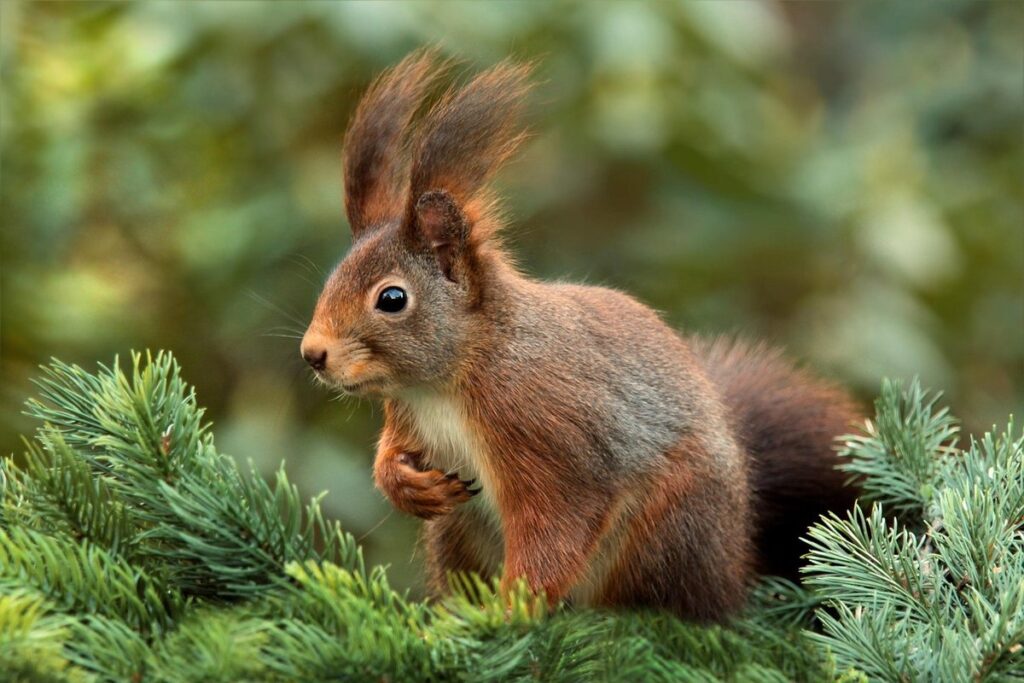
Understanding Squirrel Behavior and Motivations
To effectively squirrel-proof your garden, it’s essential to understand why these furry critters are visiting your plants in the first place. Let’s dive into their behavior and motivations.
The Reasons Behind Squirrels’ Love for Gardens
When it comes to squirrels and gardens, it’s clear that these bushy-tailed bandits have a strong affinity for our outdoor spaces. But why are they so drawn to them? The reasons are multifaceted, but primarily centered around three essential needs: food, shelter, and water.
Gardens offer an abundance of delicious treats for squirrels to munch on, from juicy fruits like apples and berries to nutritious nuts and seeds. These tasty morsels provide the energy they need to stay active and thrive in their environment. For example, a single squirrel can consume up to 1-2 pounds of acorns per day! No wonder our gardens are their go-to snack spot.
In addition to food, squirrels also seek out shelter in gardens. Trees, bushes, and other foliage provide them with the perfect hiding spots to escape from predators or take a nap. Some clever squirrel species have even been known to use human-made structures like birdhouses or garden sheds as temporary shelters.
Lastly, water is another essential resource that our furry friends rely on. Gardens often feature birdbaths, ponds, or other water features that squirrels can access for drinking and playing. These sources of hydration are particularly important during hot summer months when water can be scarce in the wild.
By understanding these fundamental needs, we can begin to take steps towards squirrel-proofing our gardens.
Identifying the Most Common Squirrel Species in Your Area
Before you can implement effective squirrel-proof garden strategies, it’s essential to identify which species are visiting your garden. There are over 200 species of squirrels worldwide, but the most common ones that might be bothering your plants vary depending on your location.
In North America, for instance, you’re likely to encounter the eastern gray squirrel (Sciurus carolinensis), the fox squirrel (Sciurus niger), and the red squirrel (Tamias senex). Each of these species has distinct characteristics that can help you determine which type of squirrels are in your garden. Eastern gray squirrels, for example, have a dull gray coat with a white underside, while fox squirrels boast a reddish-brown fur.
To identify the squirrels visiting your garden, pay attention to their size, color, and behavior. Note the time of day when you spot them, as well as their preferred food sources. This information will help you understand their motivations and develop targeted strategies for deterring them from your plants. For example, if you notice that a particular species is attracted to birdseed or nuts, you can try removing these attractants to discourage their visits.
Assessing Your Garden’s Vulnerability to Squirrels
To create a squirrel-proof garden, you first need to assess your garden’s vulnerability to these pesky critters and identify areas that are most susceptible to damage. Take a walk around your garden to spot potential entry points.
Inspecting for Squirrel Entry Points and Damage
When inspecting your garden for squirrel entry points and damage, it’s essential to look beyond the obvious signs. Squirrels are notorious for exploiting small openings and vulnerabilities in our gardens. One of the most common entry points is through birdhouses or tree holes. These seemingly innocuous features can become a highway for squirrels to access your prized plants.
Look out for chewed branches, trunks, and furniture – these are clear indicators that squirrels have been at work. Squirrels also love to gnaw on garden ornaments, such as plant pots, birdbaths, and even wooden fences. Check for any signs of gnawing or scratching on these items.
To protect your garden from this damage, seal any entry points you find using wire mesh or hardware cloth. Also, trim back any nearby branches that may be providing a pathway for squirrels to jump into your garden. Remember, prevention is key: by blocking their entry points and protecting your plants, you can enjoy a squirrel-free haven in your garden.
Evaluating the Types of Plants Most Attractive to Squirrels
When it comes to attracting squirrels to your garden, some plants are more appealing than others. These bushy-tailed bandits have a weakness for edible seeds and fruits, making them frequent visitors to gardens with the right plants on display.
Some of the most attractive plants to squirrels include sunflowers (Helianthus annuus), which offer a rich source of oil-rich seeds that are high in calories. Squirrels also love pumpkin and squash varieties like acorn squash and butternut squash, as well as fruit-bearing trees like apple (Malus domestica) and cherry (Prunus avium). Corn (Zea mays) is another favorite, with its large kernels providing a tasty snack for these nimble creatures.
If you’re trying to deter squirrels from your garden, it’s essential to identify which plants they find most appealing. Check if any of the above-mentioned plants are growing in your garden and consider replacing them with squirrel-resistant alternatives or taking other measures to discourage their visitation.
Physical Barrier Methods for Deterrents
To keep those pesky squirrels out of your garden, we’ll explore physical barrier methods that can help deter them from getting to your prized plants. From fencing to mesh, these ideas will give you a solid starting point for protection.
Installing Hardware Cloth or Chicken Wire Around Plants
When it comes to protecting vulnerable plants from those pesky squirrels, using physical barriers is one of the most effective methods. One popular and easy-to-use option for covering plants is hardware cloth or chicken wire. These materials are versatile, affordable, and can be used around a wide range of plants, including flowers, shrubs, and small trees.
To install hardware cloth or chicken wire around your plants, start by wrapping the material around the base of the plant, securing it with rocks or stakes to prevent squirrels from pushing it aside. Make sure to wrap the material at least 6-8 inches above ground level to account for any digging behavior. For larger plants, consider using a U-shaped support made from wire or wood to keep the cloth or wire in place.
For added protection, consider burying the edges of the hardware cloth or chicken wire 1-2 inches below the soil surface to prevent squirrels from gnawing through the material. With a little creativity and some basic materials, you can safeguard your plants from those bushy-tailed bandits and enjoy a squirrel-free garden.
Using Repellents and Sprays to Keep Squirrels Away
When it comes to keeping squirrels out of your garden, using repellents and sprays can be an effective solution. Commercially available options abound, including sprays, powders, and granules that contain a variety of active ingredients.
Some popular commercial products include hot pepper sprays, which contain capsaicin, the compound responsible for the heat in chili peppers. These sprays are often combined with other deterrents like garlic or citrus extracts to create a potent squirrel-repellent formula. Other options include motion-activated sprinklers that can startle squirrels away from your plants.
If you prefer a more natural approach, there are plenty of homemade repellent recipes to try. Mixing equal parts water and hot sauce, for example, creates a spray that’s effective at keeping squirrels away without harming them. You can also try using ammonia-soaked rags or sprinkling cayenne pepper around the perimeter of your garden.
Remember to always follow the instructions on any commercial product you use, and be sure to test a small area before applying homemade repellents to ensure they don’t harm your plants.
Plant Selection and Preparation Strategies
To keep those pesky squirrels out of your garden, you’ll need a solid plant selection strategy that takes their taste preferences into account. We’ll explore how to make the right choices.
Choosing Squirrel-Resistant Plants for Your Garden
When it comes to choosing squirrel-resistant plants for your garden, there are several options you can consider. These plants tend to be less attractive to squirrels and can help save your favorite flowers and vegetables from being ravaged.
Some examples of squirrel-resistant plants include:
• Hot peppers: Squirrels tend to avoid the spiciness of hot peppers, making them a great addition to your garden.
• Lavender: The strong scent of lavender is often unappealing to squirrels, who prefer to target other, more fragrant plants.
• Rosemary: This herb’s piney aroma repels squirrels and can help protect your garden from damage.
Other options include:
• Daffodils: Squirrels tend to avoid these bulbs, which are toxic to them if ingested.
• Hyacinths: Like daffodils, hyacinth bulbs contain toxins that deter squirrels.
• Garlic plants: The strong scent of garlic can help keep squirrels away from your garden.
When selecting squirrel-resistant plants, remember to also consider the mature size and growth habits of each plant to ensure they fit well in your garden.
Preparing Plants to Make Them Less Appealing to Squirrels
To keep squirrels at bay, it’s essential to prepare your plants in ways that discourage their visits. Start by pruning your trees and shrubs to make them less appealing to squirrels. Remove lower branches and trim back any long limbs that allow squirrels to easily jump from tree to tree. This will also help reduce the risk of damage to nearby plants.
When planting new flowers or vegetables, consider using squirrel-resistant varieties. Some examples include daffodils, hyacinths, and garlic, which are unpalatable to squirrels. Plant them in areas that are difficult for squirrels to access, such as elevated beds or containers.
In addition to pruning and plant selection, proper care of your plants can also help deter squirrels. Avoid overwatering, as this can attract squirrels looking for a food source. Instead, maintain consistent moisture levels and fertilize plants regularly. By implementing these strategies, you’ll be well on your way to creating a squirrel-resistant garden that allows you to enjoy the fruits of your labor without worrying about those pesky critters ruining everything.
Humane Deterrents and Alternative Solutions
Instead of using repellents that might harm them, we’ll explore humane deterrents to keep squirrels away from your garden without causing them any distress. This includes clever alternatives to traditional squirrel-proofing methods.
Using Motion-Activated Sprinklers and Ultrasonic Repellent Devices
Using motion-activated sprinklers and ultrasonic repellent devices as humane deterrents can be an effective way to keep squirrels out of your garden. These devices work on the principle that sudden movements or high-frequency sounds scare them away, making it a non-invasive approach to protecting your plants.
Motion-activated sprinklers are particularly useful for gardens with larger areas, as they can be placed strategically around the perimeter to detect squirrel activity and trigger a burst of water to scare them off. These devices can be set up to create a “squirrel-free zone” in your garden, allowing you to enjoy your plants without worrying about damage from these pesky creatures.
Ultrasonic repellent devices, on the other hand, emit high-frequency sounds that are undetectable to humans but unpleasant for squirrels. By placing these devices around the perimeter of your garden, you can create a barrier that keeps squirrels away. Some models also come with adjustable settings and timers, allowing you to customize the device’s performance based on your specific needs.
To get the most out of these devices, it’s essential to place them in areas where squirrels are most active and to follow the manufacturer’s instructions for optimal placement and usage. With regular maintenance and adjustments, motion-activated sprinklers and ultrasonic repellent devices can be a reliable addition to your squirrel-proofing arsenal.
Implementing Other Non-Toxic Squirrel Deterrent Methods
While repellent granules and sprays can be effective, there are other non-toxic squirrel deterrent methods you can try. One approach is to use visual deterrents, such as shiny reflective tape or aluminum foil, to scare squirrels away from specific areas of your garden. Hang these materials near plantings to create a visually unappealing environment for the squirrels.
Another method is to use physical barriers, like netting or fine-mesh screens, to prevent squirrels from accessing certain plants. You can also try using squirrel-resistant plant varieties that are less appealing to bushy-tailed visitors. For example, plants with thick, waxy leaves or those that produce unpalatable fruits may be less appealing to squirrels.
Additionally, you can try using repellent plants like daffodils, chives, and garlic to deter squirrels from your garden. These plants have natural oils that are unpleasant for squirrels, and planting them around the perimeter of your garden may help keep these critters away.
Long-Term Strategies for Maintaining a Squirrel-Free Garden
To keep your garden squirrel-free long-term, you’ll want to focus on implementing barriers and deterrents that are easy to maintain over time. Let’s dive into some practical strategies for a lasting solution.
Regularly Inspecting and Updating Your Squirrel-Proof Measures
Inspecting and updating your squirrel-proof measures is an ongoing process that requires dedication and attention to detail. As squirrels can be notoriously clever and adaptable, it’s essential to stay one step ahead of these bushy-tailed bandits by regularly monitoring your garden’s defenses.
Set aside a few minutes each week to walk through your garden, observing for any signs of squirrel activity. Check for gnaw marks on plant stems, branches, or fence posts, as well as droppings and scratched surfaces. Keep an eye out for new entry points or weaknesses in existing barriers. Consider setting up trail cameras to capture evidence of squirrels’ presence.
As the seasons change, adjust your strategies accordingly. For example, winter-proof your garden by securing any loose debris or stored food sources that may attract squirrels. In warmer months, inspect your bird feeders and remove any squirrel-attracting seed types. By regularly inspecting and updating your measures, you’ll stay ahead of these clever critters and keep your garden safe from their pesky attempts to forage for food.
Encouraging Local Wildlife to Respect Your Garden
Creating a balanced ecosystem in your garden is key to discouraging squirrels from frequenting it. To begin with, ensure that you have a diverse range of plants, including native species and those that don’t produce seeds or nuts – these are the primary attractants for squirrels.
One effective way to create an unwelcoming environment is by incorporating squirrel-deterring plants into your garden design. For instance, plant lavender, rosemary, or daffodils around the perimeter of your garden, as these have a natural scent that repels squirrels. You can also incorporate native grasses and shrubs that provide shelter for local wildlife but don’t attract squirrels.
Another crucial aspect is maintaining cleanliness in your garden. Remove any fallen fruit, nuts, or seeds, as these will only serve to invite squirrels into your garden. Regularly clean up debris, leaves, and weeds, which can harbor pests that may attract squirrels.
Additionally, avoid using bird feeders or other food sources within squirrel-reach. These will only encourage them to visit your garden repeatedly in search of an easy meal. By adopting these measures, you’ll be creating a more balanced ecosystem that discourages squirrels from making themselves at home in your garden.
Additional Tips for Urban and Suburban Gardeners
If you’re struggling to keep squirrels out of your urban or suburban garden, don’t worry – we’ve got some extra tricks up our sleeve to help you succeed. Read on for more tailored tips!
Managing Squirrels in Dense Neighborhoods or Areas with Limited Space
Managing squirrels in dense neighborhoods or areas with limited space requires creativity and flexibility. In these situations, traditional squirrel-proofing methods may not be feasible due to space constraints. However, there are still ways to protect your plants from those pesky bushy-tailed bandits.
Consider using compact squirrel-deterrent devices that can fit snugly into tight spaces. For instance, you can use a squirrel baffle that fits over a small planter or a narrow pipe. These baffles come in various shapes and sizes, so choose one that matches your specific needs.
Another option is to plant squirrel-resistant species in your garden. Choose plants with sturdy stems or thorny branches that squirrels find unappealing. For example, planting lavender or rosemary can help deter squirrels from visiting your garden. Additionally, using a combination of physical barriers and repellents can be an effective strategy for protecting your small space.
Remember to always inspect your garden regularly for signs of squirrel activity and adjust your strategies as needed. With a little creativity, you can keep those pesky critters out of your small but lovely garden.
Community Involvement and Collaborative Efforts to Deter Squirrels
As an urban or suburban gardener, you’re not alone in dealing with pesky squirrels. One effective way to deter these bushy-tailed bandits is through community involvement and collaborative efforts. Join forces with your neighbors to share knowledge, resources, and ideas on how to squirrel-proof your gardens.
Start by organizing a neighborhood gathering where local gardening experts can share their experiences and tips on keeping squirrels at bay. Discuss the types of plants that are most attractive to squirrels, such as birdseed-producing flowers or fruit trees, and brainstorm ways to protect these areas. You can also create a shared resource list of squirrel-deterrent products, DIY repellents, and other effective solutions.
Another way to collaborate is by sharing knowledge on squirrel behavior and habitat modification. Learn from each other’s experiences with different types of deterrents, such as ultrasonic devices or physical barriers, and work together to modify your gardening practices accordingly. For instance, you can share tips on how to trim tree branches that provide squirrels with easy access to your garden.
Remember, every little bit counts when it comes to protecting your garden from these pesky critters. By working together with your community, you’ll not only learn new strategies but also gain a sense of accomplishment and pride in keeping your neighborhood gardens safe from squirrel damage.
Frequently Asked Questions
Can I mix-and-match different deterrent methods, or should I stick to one approach?
You can combine various deterrents to create a layered defense system. For example, using physical barriers like hardware cloth alongside repellent sprays and humane deterrents like motion-activated sprinklers can be an effective way to safeguard your garden against squirrels.
How do I maintain my squirrel-proof measures over time, as plants grow and seasons change?
Regular inspections are crucial to ensure your defenses remain effective. As plants mature or new growth occurs, check for any damage or entry points, and update your deterrents accordingly. Consider scheduling seasonal reviews (e.g., spring and fall) to stay on top of potential issues.
Are there any specific squirrel-resistant plant varieties that are particularly well-suited for small gardens or containers?
Yes, some plants are naturally more resistant to squirrel damage than others. For small gardens or containers, consider using plants like daffodils (Narcissus pseudonarcissus), lavender (Lavandula spp.), or rosemary (Rosmarinus officinalis) – all of which have strong scents that squirrels tend to dislike.
Can I use squirrel-deterrent plants in combination with other deterrent methods, such as repellent sprays?
Absolutely! Planting squirrel-resistant varieties can complement other deterrents like physical barriers and repellent sprays. By combining these approaches, you can create a more comprehensive defense system for your garden.
What should I do if I live in an area with high squirrel activity and have limited space or access to gardening tools?
In areas with dense neighborhoods or limited space, consider implementing community-based deterrent measures. This might involve coordinating with neighbors to share resources, knowledge, or responsibilities related to squirrel management. Additionally, consult local experts or gardening groups for advice on adapting your strategy to suit your specific circumstances.