
Do you find yourself struggling to share your bird feeders with the local squirrel population? You’re not alone! Many of us love watching birds flit about our gardens, but those clever squirrels can be a real nuisance. Not only do they steal all the food meant for the birds, but they also stress out our feathered friends and create more work for us gardeners. Installing squirrel-proof bird feeders is a simple yet effective solution to this problem. In this article, we’ll explore how these clever contraptions can help reduce stress on local bird populations and increase efficiency in your garden maintenance. We’ll cover the benefits of using squirrel-proof bird feeders and provide some valuable tips for choosing the right one for your needs. By the end of this article, you’ll be well on your way to creating a harmonious haven for both birds and squirrels!
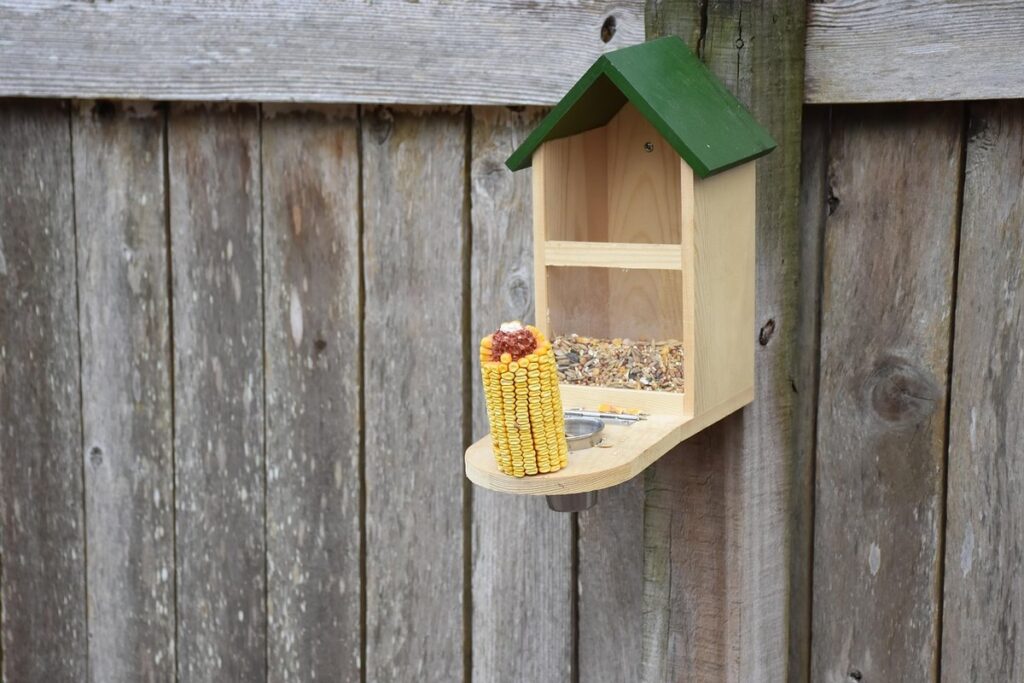
Understanding the Problem: Why Squirrels Love Bird Feeders
Squirrels’ affinity for bird feeders can be attributed to their natural behavior of hoarding food and adapting to human-provided resources, which often leads to a dependence on our backyard offerings. Let’s take a closer look at this phenomenon.
The Attraction of Squirrel-Resistant Seed Mixtures
Squirrels are notorious for their ability to exploit even the most well-intentioned attempts at squirrel-resistant seed mixtures. These clever creatures have evolved to thrive on human-provided food sources, and as a result, they’ve developed a taste for the very seed mixes designed to keep them away.
One of the primary reasons squirrels are attracted to these seed mixtures is that they often contain ingredients that are high in fat and protein, such as sunflower seeds, peanuts, and corn. Squirrels crave these nutrients, and when they’re presented with a bird feeder stocked with their favorite treats, it’s like a red carpet to them. Moreover, many squirrel-resistant seed mixes use large seeds or seeds that require more effort to crack open, but squirrels have been observed learning how to overcome these obstacles over time.
In reality, the term “squirrel-resistant” is somewhat of an oxymoron when applied to commercial seed mixes. Instead, consider using individual bird feeders specifically designed to exclude squirrels, such as those with weight-activated perches or squirrel-baffling cages.
Common Places Squirrels Target in Gardens
Squirrels are notorious for targeting bird feeders, and it’s not hard to see why. They’re attracted to the easy access to food, and with a little creativity, they can figure out ways to reach those seeds and nuts. When it comes to placing bird feeders in your garden, squirrels tend to target areas that provide them with optimal accessibility and concealment.
Near trees is one of the most common places squirrels like to set up shop around bird feeders. They’ll often scamper up the trunk or use low-hanging branches as a launchpad to jump onto the feeder itself. Under eaves, porches, and gazebos are also favorite spots for squirrels to target bird feeders. These areas provide them with cover from predators while still allowing them to easily access the food.
When placing your bird feeder, try to avoid these areas or use squirrel-proof solutions such as baffles or weight-activated perches to deter them. Consider placing feeders at least 10 feet away from any structures that could provide squirrels with a launching point. This will help keep those pesky critters out of your birdseed and give you a chance to enjoy the beauty of nature in your garden.
Designing Effective Squirrel Proof Bird Feeders
To create a squirrel proof bird feeder that outsmarts those pesky squirrels, you’ll want to focus on design features like weight-activated perches and cage-like enclosures. These clever designs will keep your garden birds safe from unwanted visitors.
Materials Used for Squirrel-Proof Bird Feeders
When it comes to building squirrel-proof bird feeders, the type of material used is crucial in deterring these pesky critters. Most bird enthusiasts opt for materials that are durable and long-lasting, while also being resistant to squirrel tampering.
Plastic is a popular choice due to its affordability and ease of use. However, it may not be the best option as squirrels can easily gnaw through thin plastic. A thicker, heavier-duty plastic or a plastic-coated metal feeder would be a better alternative.
Metal bird feeders are another excellent option, as they can withstand squirrel attacks. Copper, aluminum, and galvanized steel are all great choices, but keep in mind that some squirrels may still manage to chew through thinner metals.
Wood is a natural choice for many bird enthusiasts, and when properly treated, it can be resistant to squirrel damage. Cedar and cypress wood, in particular, have natural oils that repel insects and animals, making them an excellent option for building squirrel-proof bird feeders.
Weight-Accupancy Sensors: A Game-Changer in Squirrel Deterrence
Weight-occupancy sensors have revolutionized the way we design squirrel-proof bird feeders. These innovative sensors use weight and occupancy detection to trigger a mechanism that shuts off access to the bird seed when a squirrel attempts to climb onto the feeder. This game-changing technology has made it possible to prevent squirrels from accessing bird seed with unprecedented success.
When a squirrel’s weight is detected on the feeder, the sensor sends an alert to the shut-off mechanism, which instantly cuts off access to the seed. This ensures that the squirrels cannot feed on the seed, thereby protecting the birds and their feed. The best part about these sensors is that they can be programmed to detect different weights and trigger the shut-off at specific thresholds, making it possible to accommodate a wide range of bird species while keeping the squirrels out.
For example, some bird feeders come equipped with adjustable weight settings, allowing you to set the threshold for when the feeder shuts off. This feature is especially useful if you have multiple bird species visiting your garden, as you can adjust the setting to suit their different weights. By installing a weight-occupancy sensor in your bird feeder, you’ll be taking a significant step towards creating a squirrel-free zone in your garden.
Benefits of Installing Squirrel Proof Bird Feeders
When you invest in squirrel proof bird feeders, there are several benefits to your garden that make it well worth the initial cost and setup time.
Reduced Stress on Local Bird Populations
When you set up traditional bird feeders, it’s not just the birds that visit them – squirrels often become regulars too. However, their presence can cause significant stress for local bird populations. Squirrels can be quite aggressive when competing for food, and they often chase away smaller birds to get to the feeders first.
This competition for resources can lead to a decrease in the overall number of bird species visiting your garden. For instance, if you have a feeder that’s heavily dominated by squirrels, it may become unappealing to finches or sparrows due to the constant threat of being chased away. Squirrel-proof feeders alleviate this issue by using clever design features such as weight-activated perches or cage-like enclosures that allow birds to access the seed while keeping squirrels out.
By installing a squirrel-proof feeder, you can create a more welcoming environment for your local bird population, reducing stress and competition at the feeder. This allows various species to coexist peacefully, enjoying the fruits of their labor without the fear of being bullied by larger, furry competitors.
Increased Efficiency in Garden Maintenance
When you install squirrel proof bird feeders, one of the most significant benefits is reduced waste generated by spilled seed and squirrel activity. Traditional bird feeders can be a mess, with seeds scattering everywhere and attracting unwanted visitors like squirrels. These pesky creatures love to raid bird feeders, not only eating the food but also destroying the feeder itself.
By choosing a squirrel proof bird feeder, you can minimize this waste significantly. Squirrel-proof designs typically feature weight-activated perches that collapse under a squirrel’s weight, preventing them from accessing the seed. Some models also have clever features like cage-like enclosures or seed-tube systems that make it difficult for squirrels to reach the feed.
As a result of reduced squirrel activity and spillage, you’ll notice a significant decrease in waste around your garden. This not only saves time and effort on maintenance but also reduces the amount of seed and food waste that can attract pests and create an eyesore.
Choosing the Right Squirrel Proof Bird Feeder
When selecting a squirrel proof bird feeder, consider factors such as feeder design, weight capacity, and material to ensure it meets your garden’s specific needs.
Key Features to Consider When Selecting a Squirrel-Proof Feeder
When selecting a squirrel-proof bird feeder, there are several key features to consider that will ensure it meets your needs and provides a safe haven for birds in your garden. Durability is a top priority, as you’ll want a feeder that can withstand the elements and heavy use by both birds and squirrels. Look for feeders made from high-quality materials such as stainless steel or recycled plastic, which are resistant to rust and corrosion.
Ease of cleaning is also crucial, as it will help prevent the buildup of mold and bacteria that can harm birds. Some squirrel-proof bird feeders come with removable trays or compartments that make cleaning a breeze. Additionally, consider feeders with built-in weight-activated perches or spinning roofs that allow only birds to access the seed.
It’s also essential to check local wildlife regulations before selecting a squirrel-proof bird feeder. Some areas have specific requirements for bird feeders and their placement, so be sure to research and comply with these regulations to avoid any issues. By considering these factors, you’ll be able to choose a squirrel-proof bird feeder that not only keeps squirrels out but also provides a safe and healthy environment for the birds in your garden.
Tips for Proper Installation and Placement
When it comes to choosing the right squirrel-proof bird feeder for your garden, placement and installation are crucial factors to consider. A well-placed bird feeder can make all the difference in attracting the desired bird species while keeping those pesky squirrels at bay.
To ensure optimal placement of your squirrel-proof bird feeder, start by considering the surrounding environment. Avoid placing the feeder near any structures that a squirrel might use as a launching point, such as trees or fences. Instead, opt for a location with good visibility and proximity to water sources, like birdbaths or ponds.
When it comes to installation, make sure the feeder is securely fastened to a sturdy base or pole to prevent squirrels from knocking it over. You can also consider installing a physical barrier, like a squirrel guard, around the feeder to further deter unwanted visitors.
Remember, the key to effective placement is to create an environment that encourages birds to visit while discouraging squirrels. By considering these factors and taking a few extra precautions, you can enjoy the full benefits of your squirrel-proof bird feeder.
DIY vs. Commercial Options: Which is Best?
When it comes to choosing between DIY and commercial options for squirrel-proof bird feeders, there are pros and cons of each approach that you should consider carefully as a gardener.
Benefits and Drawbacks of Homemade Squirrel Proof Bird Feeders
Making your own squirrel proof bird feeder can be a fun and rewarding DIY project, but it’s essential to weigh its pros and cons before deciding whether to go this route. On the plus side, homemade feeders allow you to tailor them to your specific needs and preferences, ensuring that they’re the perfect fit for your garden. You can choose the type of material, design, and features that work best for you, which might be particularly useful if you have a unique space or specific bird species in mind.
Additionally, making your own feeder can save you money compared to purchasing a commercial one, especially if you already have some of the necessary materials on hand. However, it’s crucial to consider the time and effort required to build a reliable and effective squirrel proof feeder, as well as any potential mistakes that might lead to more problems than solutions.
When building your own feeder, keep in mind the importance of using durable, squirrel-resistant materials such as metal or plastic, and incorporating features like weight-activated perches or cage-like enclosures.
Key Considerations When Choosing Between DIY and Store-Bought
When deciding between DIY and store-bought squirrel proof bird feeders, there are several key considerations to keep in mind. Durability is a crucial factor to consider, as a well-made feeder can withstand harsh weather conditions and frequent use by birds and squirrels alike. Store-bought options often come with a higher price tag, but they may also offer longer-lasting materials and more effective designs that minimize maintenance requirements.
On the other hand, DIY feeders can be made from affordable materials like wood or recycled plastic, making them an attractive option for budget-conscious gardeners. However, these homemade feeders may require more frequent cleaning and repair to ensure their effectiveness in keeping squirrels out of your bird feeder. Consider factors such as weight capacity, material rust resistance, and the potential for parts to break off easily.
In terms of cost implications, store-bought options can be pricey upfront, but they may pay for themselves over time by minimizing the need for frequent repairs or replacements. DIY feeders, while often cheaper initially, can end up costing more in the long run if you factor in the value of your time and any additional materials needed to maintain them.
Troubleshooting Common Issues with Squirrel Proof Bird Feeders
We know it can be frustrating when your squirrel-proof bird feeder isn’t quite living up to its name, so let’s tackle some common problems together.
Identifying and Addressing Common Problems
When it comes to squirrel-proof bird feeders, there are several common issues that may arise. One of the most frustrating problems is a jamming or malfunctioning mechanism. This can happen when squirrels manage to figure out how to bypass the feeder’s defenses, causing the device to become stuck or inoperable.
Another issue you might encounter is clogged ports or tubes, which can prevent birds from accessing the seed. This can be due to excessive squirrel activity or a buildup of debris over time. To address this problem, make sure to regularly clean and inspect your feeder’s ports and tubes.
You should also keep an eye out for signs of wear and tear on the feeder’s mechanical parts. If you notice that the feeder is not functioning properly or if there are gaps in the mesh or screen, it may be time to replace certain components or the entire feeder altogether.
By being aware of these common issues and taking proactive steps to address them, you can minimize the impact of squirrel-proof bird feeders on your garden. Regular maintenance and monitoring will help ensure that birds continue to visit and enjoy the seed without interference from squirrels.
Tips for Maintaining Your Squirrel-Proof Feeder
To get the most out of your squirrel-proof bird feeder and maintain its effectiveness, regular cleaning and inspection are crucial. Start by disassembling the feeder at least once a month to remove debris and old seed residue. Use a soft-bristled brush or a vacuum cleaner to gently scrub away dirt and stains.
Inspect each component for signs of damage or wear. Check the weight-activated perches, spinning discs, and cage wires for any blockages or weaknesses that may compromise the feeder’s performance. Also, ensure all parts are properly aligned and tightened.
Clean the feeder thoroughly with a mild soap solution and dry it completely before reassembling it. This will help prevent mold growth, bacterial buildup, and seed spoilage. Remember to also clean the surrounding area to discourage squirrels from focusing on other food sources nearby. By following this simple maintenance routine, you’ll keep your squirrel-proof bird feeder in top condition and continue enjoying its benefits for years to come.
Conclusion: A Well-Tended Garden with a Peaceful Bird Population
As you’ve seen, squirrel-proof bird feeders can bring balance to your garden ecosystem. Here’s how they help create harmony between birds and gardens like yours.
Recap of Key Takeaways
When setting up a squirrel-proof bird feeder system, it’s essential to remember that proper design and maintenance are key factors in attracting birds while keeping squirrels out. This article has covered several crucial points to keep in mind when selecting and caring for your feeders.
Firstly, the importance of using baffles and weight-activated perches cannot be overstated. These features not only deter squirrels but also provide a safe feeding experience for the birds. For instance, installing a baffle above the feeder can prevent squirrels from reaching it, while a weight-activated perch ensures that larger animals don’t accidentally trigger the feeding mechanism.
Regular cleaning and maintenance of feeders are equally vital to ensure the health and safety of both birds and humans. This includes disposing of old seed, cleaning out debris, and replacing worn-out parts. By following these guidelines, you’ll be able to create a thriving garden ecosystem where birds can thrive while squirrels are kept at bay.
Incorporating native plant species that attract birds and providing fresh water sources will further enhance the overall experience.
Final Thoughts: Creating Harmony Between Your Garden’s Wildlife
As you’ve learned throughout this article, squirrel proof bird feeders can have a profound impact on the harmony between local wildlife and your garden. By making the switch to these innovative feeding systems, you’re not only protecting your feathered friends from pesky squirrels but also creating a peaceful coexistence with nature.
It’s truly rewarding to watch birds flit about your garden, singing their sweet melodies as they dine on the seeds and nuts provided for them. And by choosing squirrel proof bird feeders, you’ll be able to enjoy this serene scene without the frustration of seeing those clever critters outsmarting your usual feeders.
So, what’s next? Start small by replacing just one or two of your existing feeders with squirrel proof models. Experiment with different types and brands to find the one that works best for you and your garden’s unique needs. Don’t be afraid to get creative and adapt these feeders to suit your space – after all, it’s all about finding harmony between your garden’s wildlife and your own gardening aspirations!
Frequently Asked Questions
Can I use squirrel-proof bird feeders with multiple types of seed?
Yes, many modern squirrel-proof bird feeders are designed to accommodate various types of seeds, including sunflower seeds, safflower seeds, and mixed seeds. However, it’s essential to check the feeder’s specifications before filling it up.
How often should I clean my squirrel-proof bird feeder to prevent mold growth?
Cleaning your squirrel-proof bird feeder regularly is crucial to preventing mold growth. We recommend cleaning it every 1-2 weeks during peak feeding seasons. Use a mild detergent and water solution, and scrub away any stubborn stains or debris.
Will weight-accumulation sensors be effective in my garden if I have a large squirrel population?
Weight-accumulation sensors can be an excellent addition to your squirrel-proof bird feeder, but their effectiveness may depend on the size of your squirrel population. If you have a very large number of squirrels, they might still find ways to exploit the feeder. Consider combining weight-accumulation sensors with other deterrents for optimal results.
Can I use homemade materials to create a squirrel-proof bird feeder?
While it’s possible to use homemade materials to create a squirrel-proof bird feeder, we recommend opting for commercial options that have been specifically designed with squirrel-deterrent features. Homemade feeders might not be as effective in the long run and may require more frequent maintenance.
How do I maintain my squirrel-proof bird feeder during extreme weather conditions?
Extreme weather conditions like heavy rain or snow can impact your squirrel-proof bird feeder’s performance. To ensure it continues to function effectively, make sure to secure any loose parts, clean out debris, and dry the feeder thoroughly after heavy rainfall.