
Squash vine borers can be one of the most frustrating pests to deal with in your garden, causing damage to your prized squash plants. These pesky insects can weaken and even kill your vines, leaving you wondering if it’s worth the effort to grow certain types of squash at all. Fortunately, there are effective organic methods to control squash vine borers that don’t rely on harsh chemicals. In this article, we’ll explore a comprehensive integrated pest management (IPM) strategy that includes crop rotation, companion planting, physical barriers, and biological controls. We’ll delve into each of these methods in detail, providing you with the knowledge and tools to develop your own organic squash vine borer control plan. By learning how to manage this pesky pest naturally, you can enjoy a healthy and thriving garden all season long.
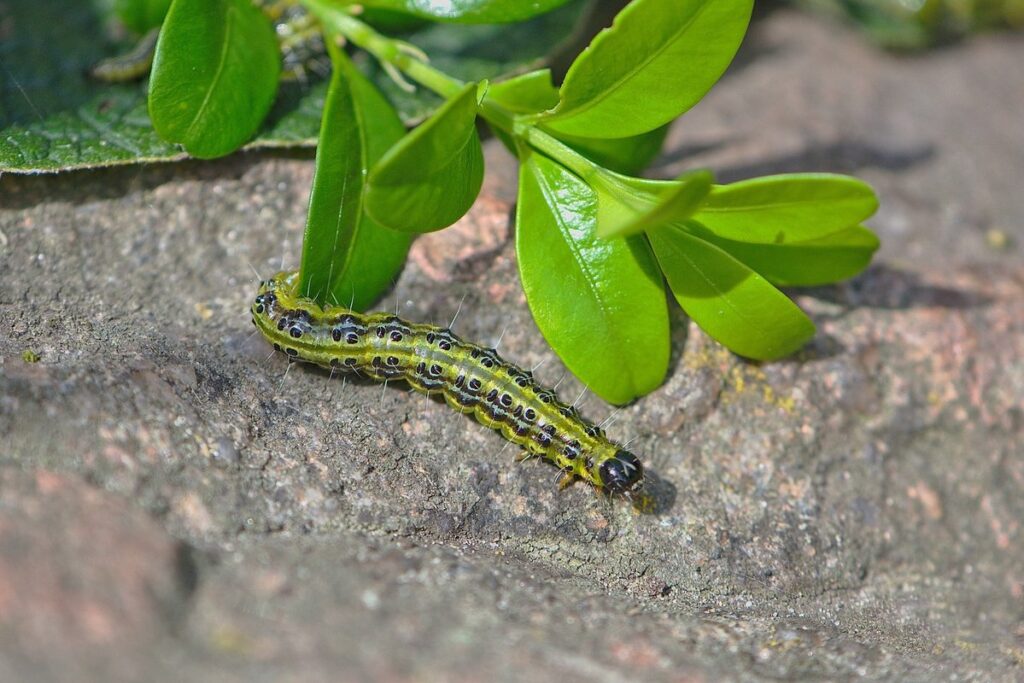
Understanding Squash Vine Borers
Understanding Squash Vine Borers involves recognizing the signs of infestation, such as yellowing leaves and weakened vines. Identifying these symptoms early is crucial for effective control methods to work properly.
What are Squash Vine Borers?
Squash vine borers are the larvae of a moth species that infest and kill squash plants. These pests are native to North America and are commonly found throughout the United States and Canada. The female squash vine borer lays its eggs on the stem of the squash plant, typically 6-8 inches above the soil line.
After hatching, the larvae feed on the pith of the stem, creating tunnels that can girdle the plant and prevent water and nutrient uptake. This can cause the plant to wilt and eventually die. Adult borers emerge in late summer, completing their life cycle. Squash vine borers are most active during the day, but the adult moths fly at night, which makes it challenging to detect them.
To understand how to control squash vine borers effectively, it’s essential to recognize the signs of infestation and know when to take action. If you notice any of these symptoms on your squash plants – wilting leaves, yellowing or browning stems, or small holes in the stem – it may be a sign that squash vine borers are present.
Signs and Symptoms of Infestation
As you tend to your squash plants, it’s essential to recognize the signs of an infestation before it’s too late. Squash vine borers (Melittia cucurbitae) are notorious for their stealthy attacks on cucurbits like zucchini, acorn squash, and pumpkins. If left unchecked, these pests can decimate your crop in a matter of weeks.
One of the first signs of an infestation is yellowing leaves, which may seem minor at first but quickly escalate to more severe problems if ignored. Wilting plants are another common indicator; inspect the stem closely for any soft spots or holes, as borers tend to burrow into the stem and cause damage from the inside out.
Look for tiny holes in the stems, usually about 1/4 inch long, which can be a surefire sign of an infestation. These entry points provide easy access for the borer to feed on the plant’s internal tissues. If you notice any of these symptoms, act quickly: remove and destroy any affected plants to prevent the pests from spreading to other areas.
Organic Methods for Prevention
For a healthy squash harvest, it’s essential to prevent squash vine borers from getting a foothold in your garden. In this next part, we’ll explore effective organic methods for preventing infestations.
Crop Rotation and Planning
Crop rotation is an effective organic method for preventing squash vine borer infestations. By alternating crops and rotating them through different sections of your garden, you can break the life cycle of these pests and reduce the risk of re-infestation. This technique involves planting a diverse range of crops in a specific order to maintain soil health, suppress weeds, and promote beneficial insects.
When planning your crop rotation, consider the following tips: plant marigolds or nasturtiums alongside squash to repel borers; rotate your crops every 3-4 years to avoid depleting soil nutrients; and incorporate cover crops like winter rye or hairy vetch into your rotation to attract beneficial insects. For example, you could plant a sequence of corn, beans, and squash (known as the “Three Sisters” method), followed by a season of marigolds or nasturtiums. This approach not only prevents squash vine borers but also promotes a healthy, balanced ecosystem in your garden.
Companion Planting Strategies
Companion planting is an effective way to deter squash vine borers without resorting to chemical pesticides. By strategically placing certain herbs and flowers near your squash plants, you can create a barrier that repels these pests. Some of the best companion plants for squash include basil, dill, and nasturtiums.
Basil, in particular, is known for its ability to repel aphids and whiteflies, which are often associated with squash vine borer infestations. Planting basil near your squash can help prevent these pests from taking hold, reducing the likelihood of a squash vine borer outbreak. Dill, on the other hand, has natural insecticidal properties that make it an effective deterrent against squash vine borers.
Nasturtiums are another excellent choice for companion planting with squash. These flowers repel aphids and other pests through their strong scent, creating a protective barrier around your plants. To get the most out of companion planting, try placing these herbs and flowers near the base of your squash plants or intercropping them among your vines.
To integrate these companion plants into your garden, start by planting basil or dill seeds near the base of your squash plants about two weeks after transplanting. Nasturtiums can be direct-seeded nearby once the weather warms up.
Physical Control Methods
Physical control methods can be effective when it comes to managing squash vine borer infestations, and we’ll explore some of these techniques in more detail below.
Hand-picking and Trapping
When dealing with an infestation of squash vine borers, hand-picking and trapping can be effective methods to control their population. Start by carefully inspecting your plants for signs of damage, such as holes in the stems or wilting leaves. Use a pair of tweezers or forceps to gently remove any visible borers from the plant.
To trap squash vine borers, create a homemade trap using a plastic container filled with water and some bait like apple cider vinegar or beer. Place the trap near your affected plants, as adult borers are attracted to these smells. Check the traps regularly and dispose of the captured borers humanely. You can also use sticky traps coated with a sweet substance that borers find irresistible.
When hand-picking, make sure to wear gloves to avoid getting pricked by any remaining eggs or larvae. Dispose of the removed borers in sealed bags to prevent them from escaping and re-infesting your plants. Be thorough when inspecting and removing borers, as this will help reduce the overall population and minimize damage to your squash crop.
Row Covers and Other Barriers
One of the most effective organic methods for preventing squash vine borers from reaching your plants is by using physical barriers. Row covers are a popular choice among gardeners, as they allow light and water to reach your plants while keeping pests at bay. These lightweight fabrics can be draped over your plants or placed directly on top of them to prevent squash vine borers from laying their eggs.
Other types of physical barriers include fine-mesh screens and fine-netting. These materials are particularly useful for protecting individual plants or small groups of plants, rather than entire rows. You can also use copper tape or other mesh materials around the base of your plants to deter borers.
When using row covers or other barriers, make sure they fit snugly over your plants to prevent any gaps that might allow pests to slip through. You’ll need to reapply them after each rain shower or whenever they become worn out. With a little creativity and persistence, you can keep those pesky squash vine borers from causing trouble in your garden.
Cultural Controls for Success
To successfully manage squash vine borers, understanding cultural controls is essential. Here, we’ll cover some critical practices that can help prevent infestations and promote a healthy crop.
Soil Preparation and Conditioning
Preventing squash vine borer infestations starts with healthy soil. When your soil is rich in nutrients and balanced in its pH levels, it can support the robust growth of squash plants that are less susceptible to these pests. To prepare your soil for a healthier crop, focus on incorporating organic matter like compost or well-rotted manure into the top 8-10 inches of soil.
This will improve drainage, reduce erosion, and increase the water-holding capacity of the soil. Aim for a mix that contains at least 20% organic matter to see noticeable improvements. You can also use cover crops between plantings to add more nutrients to the soil. For example, winter rye or hairy vetch are good choices as they fix nitrogen and bring in beneficial microbes.
Regularly monitoring pH levels is essential, as squash prefers a slightly acidic to neutral environment (pH 6.0-7.0). Testing kits can be purchased inexpensively online or at local gardening stores. By taking care of your soil’s health through these simple steps, you’ll lay the groundwork for more resilient squash plants and fewer opportunities for squash vine borers to take hold.
Watering and Irrigation Strategies
When it comes to controlling squash vine borers organically, many gardeners overlook one crucial aspect: watering and irrigation practices. Proper hydration can significantly impact the susceptibility of your squash plants to these pests. Squash vine borers thrive in water-stressed conditions, making it essential to maintain a consistent moisture level.
To prevent this, ensure that your soil has good drainage and aeration. Avoid overwatering, as this can lead to root rot and create an environment conducive to borer infestations. Instead, focus on providing deep watering sessions followed by brief periods of drying out. This encourages healthy roots and makes it less likely for borers to take hold.
Some key factors to consider when implementing effective irrigation strategies include:
• Watering during the cooler parts of the day to minimize evaporation
• Maintaining a consistent moisture level, especially in areas with high heat or low rainfall
• Monitoring soil moisture levels regularly using a probe or by observing plant behavior
Biological Control Methods
One natural way to combat squash vine borers is through biological control methods, which use living organisms to manage pest populations effectively. In this next part of our guide, we’ll explore these eco-friendly solutions in more detail.
Parasites and Predators
One effective way to control squash vine borer populations is through biological control methods that utilize parasites and predators. This approach relies on introducing beneficial insects that naturally prey on the squash vine borer larvae.
For example, parasitic wasps like Trichogramma or Cotesia are known to attack squash vine borer eggs, preventing them from hatching into damaging larvae. Similarly, lady beetles, lacewings, and hoverflies can feed on adult squash vine borers and their eggs, reducing the overall population.
To implement this method, gardeners can purchase beneficial insects online or introduce native species to their gardens through careful planning. It’s essential to choose the right parasites or predators for your region and climate. Additionally, maintaining a diverse and healthy ecosystem will help attract these beneficial insects naturally. By introducing natural predators of squash vine borers, you can create a balanced environment that minimizes chemical use and promotes long-term sustainability in your garden.
Some popular beneficial insects for squash vine borer control include:
* Trichogramma wasps
* Cotesia wasps
* Lady beetles
* Lacewings
* Hoverflies
Trichogramma Wasps and Other Natural Controls
In addition to using physical barriers and cultural controls, you can also leverage natural predators to regulate squash vine borer populations. Trichogramma wasps are one such example of a beneficial insect that can be employed for this purpose.
Trichogramma wasps are tiny, parasitic insects that lay their eggs inside the eggs of squash vine borers. Once hatched, these wasp larvae feed on the developing borer, preventing it from causing damage to your plants. By introducing trichogramma wasps into your garden, you can create a balance in the ecosystem that naturally regulates squash vine borer populations.
Other natural controls include parasitic nematodes and beneficial insects like lacewings and tachinid flies. These organisms target specific life stages of the squash vine borer, reducing the overall population. For instance, parasitic nematodes attack the larvae of squash vine borers, while beneficial insects like lacewings feed on adult borers.
To introduce these natural controls into your garden, research local suppliers or nurseries that sell trichogramma wasps and other beneficial insects. Follow their guidelines for proper introduction and care to ensure a successful outcome.
Integrated Pest Management (IPM) for Squash Vine Borers
When it comes to tackling squash vine borers, a holistic approach is key. In this next part of our guide, we’ll explore how to use Integrated Pest Management (IPM) techniques to minimize damage and promote healthy squash growth.
Combining Methods for Maximum Effectiveness
When it comes to controlling squash vine borers organically, using a combination of methods is often more effective than relying on a single approach. Integrated Pest Management (IPM) involves combining physical, cultural, and biological control methods to minimize the use of pesticides.
For example, you can use row covers or fine mesh bags to physically prevent adult borers from reaching your plants. At the same time, create a beneficial soil environment by adding compost or well-rotted manure to promote healthy plant growth and increase its resistance to pests. Biological controls, such as introducing parasitic wasps that prey on squash vine borer larvae, can also be used in conjunction with these methods.
One key is to monitor your plants regularly for signs of infestation, so you can catch the problem early and take action before it becomes severe. By combining these different approaches, you’ll not only reduce your reliance on pesticides but also create a more resilient and sustainable gardening system.
Monitoring and Adjusting Your Strategy
Monitoring your squash vine borer population is crucial to effectively control these pests. Regular monitoring helps you understand the severity of the infestation and identify the most effective control methods. As squash vine borers can be present at different stages of the plant’s life cycle, it’s essential to monitor for their presence regularly.
When inspecting your plants, look for signs such as yellowing or browning leaves, wilting, and frass (insect droppings) on the lower stems and near the soil surface. These symptoms indicate that squash vine borers have been feeding on the plant’s vascular tissue.
To adjust your control method accordingly, consider the following steps:
* If you notice a low to moderate infestation, use organic control methods such as introducing beneficial nematodes or hand-picking the borers.
* In severe cases, combine these methods with physical barriers like fine mesh bags or row covers to prevent adult borers from laying eggs on your plants.
Regular monitoring will help you adapt and adjust your control strategy to effectively manage squash vine borer populations in your garden.
Frequently Asked Questions
How long does it take to see results from implementing a comprehensive IPM strategy for squash vine borer control?
Implementing an integrated pest management (IPM) strategy can take time, and it’s essential to be patient. You may start seeing improvements within 2-3 weeks of introducing physical barriers or biological controls. However, significant reductions in infestation rates typically occur after 4-6 weeks of consistent application of multiple methods.
What are some common mistakes gardeners make when trying to control squash vine borers organically?
Common errors include relying too heavily on a single method, neglecting soil preparation and conditioning, and not monitoring for signs of infestation regularly. It’s also essential to recognize that no single approach can completely eliminate the pest, but rather a combination of methods is often necessary.
Can I use essential oils or other home remedies as a substitute for more effective organic control methods?
While some gardeners swear by using essential oils or home remedies to repel squash vine borers, these approaches are not always reliable. In fact, research has shown that certain essential oils can actually attract these pests, making them worse than useless. For optimal results, it’s best to stick with evidence-based organic control methods.
How do I choose the right companion plants for my squash crop to help deter squash vine borers?
When selecting companion plants, look for species that are known to repel or trap squash vine borer adults or larvae. Some effective choices include basil, mint, and nasturtiums. However, be sure to research compatibility with your specific squash variety and climate conditions before introducing new plants.
Can I use neem oil as a biological control method for squash vine borers?
Yes, neem oil can be used as part of an IPM strategy to control squash vine borers. This oil contains azadirachtin, which disrupts insect growth and development, ultimately killing the larvae. However, it’s essential to note that neem oil should be used in combination with other methods for optimal results.