
Are you ready to grow some of the tastiest and most nutritious asparagus in your garden? Square foot gardening is an excellent way to maximize space while minimizing effort, making it perfect for growing this perennial favorite. With a square foot garden layout, you can easily fit multiple plants into a small area, reducing waste and increasing yields.
In this comprehensive guide, we’ll walk you through the benefits of using a square foot garden design for asparagus, including improved spacing and reduced water consumption. We’ll also cover essential planning steps, such as selecting the right variety and preparing the soil for optimal growth. Plus, get expert tips on maintenance and care to ensure your asparagus plants thrive all season long. Whether you’re a seasoned gardener or just starting out, this guide will help you grow delicious asparagus in no time!
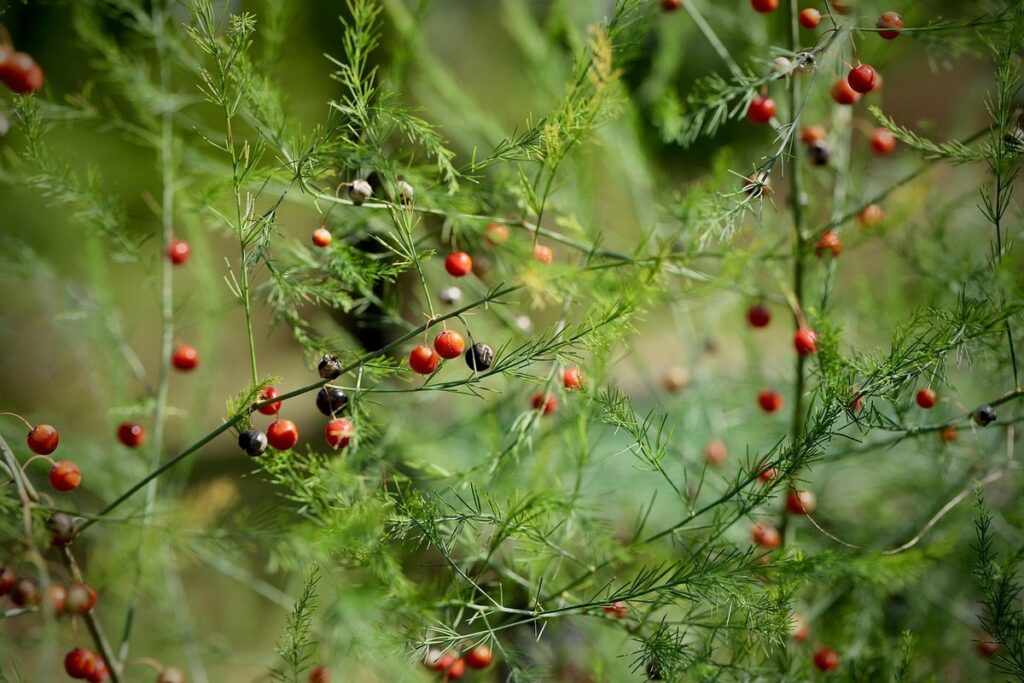
What is Square Foot Gardening and Why Use It?
Square foot gardening is a simple yet effective way to grow your favorite vegetables, including asparagus, without breaking the bank or taking up too much space. Let’s dive into what this innovative method has to offer.
Benefits of Square Foot Gardening for Asparagus
When it comes to growing asparagus in square foot gardens, you’ll experience numerous benefits that will make your gardening journey more enjoyable and productive. By intensively planting asparagus in a square foot garden layout, you can significantly improve your yields. This method allows for maximum space utilization, enabling you to grow multiple spears of asparagus per square foot.
Not only does this approach boost production, but it also reduces water consumption. Since the plants are closer together, they use shared soil moisture more efficiently, minimizing evaporation and runoff. As a result, you’ll spend less time watering your asparagus beds.
Another advantage of using square foot gardening for asparagus is its ability to maximize growing space. This layout can be easily adapted to fit into compact areas, making it perfect for small gardens or containers. Whether you have a large backyard or a tiny balcony, this method ensures that every inch counts. By incorporating these principles, you’ll be able to grow more delicious and nutritious asparagus while saving time and resources.
Getting Started with Square Foot Gardening
When starting a square foot gardening project for asparagus, it’s essential to prepare the bed properly. Begin by selecting a location that receives at least 6 hours of direct sunlight per day and has well-draining soil. Asparagus prefers a slightly acidic to neutral soil pH between 6.5 and 7.0.
To create an ideal square foot bed for asparagus, start by measuring out a 4×4 foot area using your garden bed’s grid system or by marking the corners with wooden stakes. Dig down about 8-10 inches deep and loosen the soil to a depth of about 12-18 inches. Mix in a blend of compost and well-rotted manure to enrich the soil and improve its water-holding capacity.
Some key tips to keep in mind when choosing a location for your asparagus square foot bed include avoiding low-lying areas where water may collect, keeping the bed at least 3 feet away from any buildings or structures that may shade it during the day, and ensuring there is adequate air circulation to prevent fungal diseases.
Selecting the Right Asparagus Variety for Square Foot Gardening
When it comes to growing asparagus in your square foot garden, choosing the right variety can make all the difference. Let’s explore some top picks that thrive in this unique gardening method.
Factors to Consider When Choosing an Asparagus Variety
When choosing an asparagus variety for your square foot garden, it’s essential to consider factors that will ensure healthy growth and a bountiful harvest. Maturity days are crucial, as some varieties take longer to mature than others. For example, ‘Jersey Giant’ takes around 60-70 days to reach maturity, while ‘UC 157’ is ready in just 50-55 days. This can make a significant difference in your growing season.
Disease resistance is another critical factor, especially if you’re planting asparagus in a small space where diseases can spread quickly. Look for varieties with built-in resistance to fusarium wilt and crown rot, such as ‘Mary Washington’ or ‘Jersey Giant’. Growing conditions also play a significant role; some varieties prefer cooler temperatures, while others thrive in warmer climates.
When selecting an asparagus variety, consider the specific growing conditions in your square foot garden. For instance, if you’re growing in a shady area, choose a variety that tolerates shade, such as ‘Purple Flare’ or ‘Emerald Isle’. With so many varieties to choose from, it’s crucial to select one that meets your specific needs and ensures success in your square foot gardening endeavors.
Popular Asparagus Varieties for Square Foot Gardening
When selecting an asparagus variety for square foot gardening, it’s essential to choose one that thrives in the compact growing conditions of this space-saving technique. Among the many popular varieties available, some stand out for their exceptional performance and adaptability to square foot gardens.
‘Jersey Giant’, ‘Mary Washington’, and ‘Purple Passion‘ are top choices among gardeners due to their impressive yields and growth habits. These varieties can produce spears in as little as 6-8 weeks after planting, making them ideal for early spring harvests. ‘Jersey Giant’ boasts an exceptionally high yield potential of up to 3 pounds per plant, while ‘Mary Washington’ produces large, tender spears with a delicious sweet flavor.
For those seeking a more compact option, ‘Purple Passion’ is a great choice. This variety grows to about 2-3 feet tall and has a slightly smaller root system, making it perfect for square foot gardens where space is limited. Its deep purple color adds an attractive pop of color to any garden bed.
When choosing between these varieties, consider factors such as climate, available space, and desired flavor profile. Research the specific needs and characteristics of each variety to ensure you select the best fit for your unique gardening situation.
Planning Your Asparagus Planting Layout
Now that you’ve chosen your perfect asparagus variety, let’s dive into creating a thoughtful layout for planting and maximizing your square foot garden space.
Creating a Grid Pattern in Your Square Foot Garden
When creating a grid pattern for planting asparagus in your square foot garden layout, it’s essential to plan carefully to ensure optimal growth and maximum yields. A well-designed grid will allow you to make the most of your space while also promoting healthy plant development.
To create a grid pattern, start by dividing your square foot bed into smaller sections using stakes or strings. A general rule of thumb is to allocate 1-2 square feet per asparagus spear, depending on the variety and growth habits. For example, if you’re growing ‘Mary Washington’ asparagus, which is known for its compact growth, you may be able to get away with planting one spear per square foot. However, if you’re growing a more vigorous variety like ‘Purple Emperor’, it’s better to allocate 2-3 square feet per spear.
When spacing plants correctly, consider the mature size of each spear as well as any additional space needed for air circulation and access. A good starting point is to plant spears 12-18 inches apart within the grid pattern, with rows spaced about 36-48 inches apart. This will allow for easy harvesting and maintenance without overcrowding the bed.
Incorporating Companion Plants into Your Asparagus Bed
When incorporating companion plants into your asparagus bed, you’re not only adding visual appeal but also creating a healthier and more balanced ecosystem. Companion planting involves pairing plants that benefit each other through various means such as pest deterrence, nutrient sharing, or shade provision.
Consider planting marigolds alongside your asparagus, as they release chemicals that repel nematodes and whiteflies, common pests of asparagus. Nasturtiums are another excellent choice, not only for their colorful blooms but also because their leaves contain compounds that prevent aphids and other pests from thriving. Chives and garlic can also be used to deter aphids and spider mites, while creeping thyme helps retain moisture in the soil.
When selecting companion plants, keep in mind factors like growth habits, mature sizes, and sun requirements. For example, plant tall companions like sunflowers or comfrey behind shorter-growing asparagus varieties to maximize space usage. By incorporating these beneficial relationships into your square foot garden layout, you can create a thriving, low-maintenance ecosystem that yields delicious results with minimal effort.
Preparing the Soil for Asparagus Planting
Before planting asparagus, it’s essential to prepare your soil for optimal growth and health. Here, we’ll cover the key steps to create a nutrient-rich environment for your asparagus plants.
Building Healthy Soil Structure
Before planting asparagus in your square foot garden, it’s essential to ensure that your soil is healthy and well-prepared. This involves testing and amending the soil to create an optimal growing environment for these delicate spears.
To start, you’ll want to test the pH levels of your soil. Asparagus prefers a slightly acidic to neutral soil pH, ranging from 6.0 to 7.0. You can purchase a DIY soil testing kit or send a sample to a lab for analysis. If your soil is too alkaline or acidic, you may need to add lime or sulfur to adjust the pH.
In addition to pH levels, it’s also crucial to ensure adequate nutrient availability and organic matter content in the soil. Asparagus is a heavy feeder and requires a balanced diet of nitrogen, phosphorus, and potassium. You can amend your soil with compost or well-rotted manure to increase nutrient availability and improve soil structure.
Aim for an organic matter content of at least 5% by adding aged compost, leaf mold, or peat moss to your soil. This will help retain moisture, suppress weeds, and support the growth of beneficial microorganisms that’ll help your asparagus thrive in its new home.
Adding Organic Matter and Fertilizers
When it comes to preparing your square foot garden for asparagus planting, incorporating organic matter and fertilizers is crucial for creating a thriving and productive bed. Start by assessing the current condition of your soil; if it’s heavy clay or sandy, amendments will help improve its structure.
Add a 2-3 inch layer of compost, well-aged manure, or worm castings to increase fertility and support beneficial microbial activity. You can also mix in 1-2 cups of finished compost per square foot, depending on your soil type and desired level of enrichment. For example, if you’re working with poor-quality topsoil, a deeper layer (4-6 inches) might be necessary.
Fertilizers suitable for square foot gardening include fish emulsion, bone meal, or alfalfa meal – these are slow-release options that promote steady growth without burning your asparagus roots. Avoid using synthetic fertilizers, as they can over-fertilize the soil and lead to an oversaturation of nutrients, which can be detrimental to your plants.
Remember to incorporate these amendments at least 2-3 weeks prior to planting, allowing them to break down and become fully integrated into the soil ecosystem before introducing new life.
Planting Asparagus in Your Square Foot Garden
Now that you have your asparagus bed set up, it’s time to learn how to plant these delicious spears in a way that maximizes their growth potential. We’ll walk through the process step by step.
Preparing the Soil and Planting the Crowns
Preparing the soil and planting asparagus crowns is an essential step in growing healthy and productive asparagus spears in your square foot garden. To begin, loosen the top 6-8 inches of soil using a fork to break up any clods and aerate it. Next, add a 2-inch layer of compost or well-rotted manure to improve drainage and fertility. Rake the soil gently to mix the organic matter with the existing soil.
Plant asparagus crowns in early spring or fall, spacing them 12-18 inches apart within each square foot bed. This allows for good air circulation and prevents overcrowding. If you’re planting multiple rows of asparagus, space the rows 2-3 feet apart to facilitate easy harvesting. To provide support, install a trellis or stake near the plants, gently securing them with twine or wire.
When planting crowns, dig a shallow hole about twice as wide and just as deep as the crown itself. Place the roots of the crown in the center of the hole and spread them evenly to cover them completely. Fill the soil back in, firming it around the roots with your fingers. Water thoroughly to settle the soil and keep the area consistently moist during the first few weeks after planting.
Watering and Mulching Your Asparagus Bed
Consistent moisture levels are crucial for asparagus growth, especially during its first year after planting. Asparagus plants require about 1-2 inches of water per week, either through rain or irrigation. To ensure this, water your bed deeply once or twice a week, depending on weather conditions. Avoid frequent shallow watering, which can lead to weak and disease-prone spears.
Mulching around the asparagus plants is also essential for retaining moisture, suppressing weeds, and regulating soil temperature. Use 2-3 inches of organic mulch like straw, bark chips, or leaves to cover the bed. As the mulch breaks down, it will improve soil fertility and structure, promoting healthy growth. Mulching also helps regulate soil temperature, keeping it cooler in summer and warmer in winter.
As you water your asparagus bed, be mindful of overwatering, which can lead to root rot and other problems. Water at the base of the plants, avoiding contact with the spears themselves. Regularly inspect your mulch layer, replenishing it as needed to maintain its effectiveness. By keeping your asparagus bed consistently moist and well-mulched, you’ll set your plants up for a strong and healthy start in your square foot garden.
Maintaining and Harvesting Your Square Foot Gardening Asparagus
Once your asparagus crop is established, proper maintenance and harvesting techniques are crucial to ensure a bountiful harvest and extend the plant’s lifespan. We’ll walk you through how to care for your square foot garden asparagus throughout its growing season.
Monitoring Growth and Soil Health
As you tend to your square foot gardening asparagus, it’s essential to regularly monitor its growth and soil health to ensure optimal conditions for healthy spears. Keep an eye on the plant’s height, color, and texture, looking out for signs of stress or disease such as yellowing leaves, droopy stems, or powdery mildew.
Regularly inspect your plants for any potential issues like pests, weeds, or nutrient deficiencies. For example, if you notice a decline in spear production or uneven growth, it may be due to inadequate watering, excessive nitrogen levels, or insufficient sunlight.
To detect these problems early on and make necessary adjustments, create a routine of checking soil moisture daily, especially during hot weather. Also, set aside time for seasonal soil testing to ensure optimal growing conditions. This involves analyzing pH levels, nutrient content, and organic matter. Based on the results, you can amend your soil with compost, fertilizers, or other amendments as needed.
By being proactive in monitoring growth and adjusting maintenance accordingly, you’ll be well on your way to a bountiful harvest of delicious and nutritious asparagus from your square foot garden.
Timing the Perfect Harvest
Timing the perfect harvest is crucial to ensuring that you get the most out of your square foot gardening asparagus. To determine when your spears are ready for harvest, check their tenderness by gently grasping them near the base of the plant. A mature spear should be firm but yield slightly to pressure. It’s also essential to select the right tool for harvesting – a sharp, dedicated asparagus knife or pruning shears will make quick work of the task and minimize damage to the plants.
There are two primary methods for harvesting asparagus: cutting and digging. Cutting involves using a sharp knife or shears to snip off the spear at soil level, leaving about an inch of stem intact. This method is beneficial for smaller beds and allows for more precise control over yield. On the other hand, digging involves carefully uprooting the entire plant to harvest the spears, which can be more time-consuming but allows for a higher overall yield. If you choose to dig, make sure to handle the plants gently to avoid damaging their roots.
Frequently Asked Questions
Can I use square foot gardening for other types of vegetables besides asparagus?
Yes, the principles of square foot gardening can be applied to a wide range of vegetables, including leafy greens, tomatoes, and root vegetables. This method is particularly useful for maximizing space in small gardens or containers.
How do I know if my soil is suitable for growing asparagus using square foot gardening?
To ensure your soil is suitable for asparagus growth, test its pH level (6.5-7.0 is ideal) and nutrient content. You can also mix in compost or well-rotted manure to improve soil structure and fertility.
What’s the best way to protect my asparagus plants from pests and diseases?
To minimize pest and disease issues, incorporate companion plants like marigolds, nasturtiums, and chives into your square foot garden. These natural deterrents can help repel unwanted insects and pathogens.
Can I grow asparagus using square foot gardening in containers or raised beds?
Yes, you can use square foot gardening principles to grow asparagus in containers or raised beds, provided the container is at least 12-18 inches deep to accommodate the crowns. Ensure good drainage and sufficient sunlight for optimal growth.
How often should I water my asparagus plants using square foot gardening?
Water your asparagus plants regularly, but avoid overwatering. Aim to provide about 1 inch of water per week, either through rainfall or irrigation. Mulch around the plants to retain moisture and suppress weeds.