
As a gardener or health enthusiast, you’re likely familiar with the terms “sprouts” and “microgreens,” but do you know the key differences between them? Whether you’re looking to grow your own greens at home or seeking out nutrient-dense options for your daily meals, understanding the unique characteristics of sprouts and microgreens is essential. Both offer a wealth of health benefits, from high levels of vitamins and antioxidants to potential cancer-fighting properties. But what sets them apart in terms of growth conditions, nutritional content, and culinary uses? In this article, we’ll dive into the main differences between sprouts and microgreens, helping you make informed decisions about which ones to grow at home and how to unlock their full health benefits.
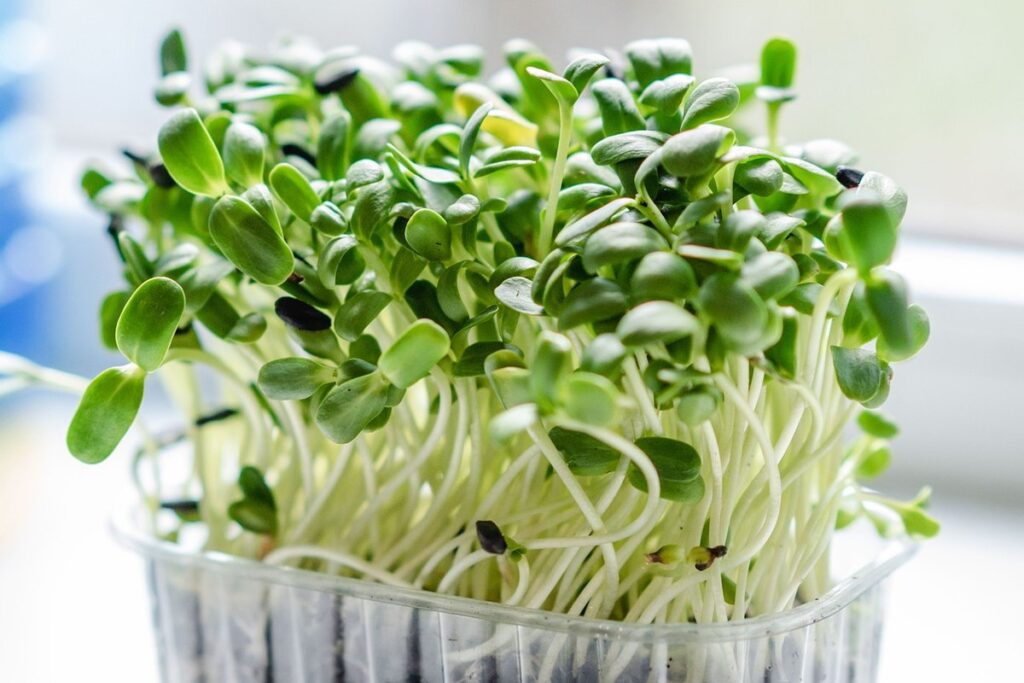
What are Sprouts and Microgreens?
Let’s start by understanding what sprouts and microgreens are, as these tiny greens have gained popularity for their nutritional benefits and versatility in cooking. We’ll break down the definitions of each.
Definition of Sprouts
Sprouts are young shoots that emerge from seeds as they germinate. They’re essentially the initial stages of plant growth, where the seed begins to break down its stores and sprout forth with new life. Some popular types of sprouts include alfalfa, broccoli, mung beans, and radish.
These tiny greens are typically grown by soaking seeds in water for a period of 24 hours or more, allowing them to absorb moisture and initiate germination. Once the seeds have absorbed enough water, they’re transferred to a warm, dark environment with adequate air circulation – usually a specialized sprouting container or tray. Over time, these seeds will begin to sprout, pushing through their seed coats and emerging as tiny green shoots.
As the sprouts grow, they require consistent moisture, gentle temperatures between 60°F to 70°F (15°C to 21°C), and adequate air circulation to prevent mold and bacterial growth. Proper care can result in a fresh batch of nutrient-rich sprouts ready for harvest within just a few days – typically 3-5 days for alfalfa and mung beans, while broccoli sprouts take around 5-7 days.
Definition of Microgreens
Microgreens are young, nutrient-dense greens that are harvested within 1-3 weeks of germination. This brief window of time allows them to accumulate a high concentration of vitamins, minerals, and antioxidants, making them a powerhouse of nutrition.
Some popular types of microgreens include kale, arugula, and salad mix. These varieties are not only delicious but also packed with nutrients. For instance, broccoli microgreens have been shown to contain up to 40 times more vitamin C than mature broccoli, while kale microgreens boast an impressive amount of calcium and iron.
When growing your own microgreens, it’s essential to choose a variety that thrives in the conditions you have available. Some popular microgreen varieties for indoor growing include pea shoots, radish greens, and lettuce leaves. To get started, simply sow the seeds in a shallow container, keep them consistently watered, and harvest when the leaves reach 1-3 inches tall. By doing so, you’ll be able to enjoy a continuous supply of fresh, nutritious microgreens right in your own kitchen.
Growing Conditions for Sprouts and Microgreens
To successfully grow sprouts and microgreens, you need to understand their distinct requirements, including temperature, light, water, and humidity levels. In this section, we’ll break down these conditions in detail.
Environmental Requirements for Sprouts
When growing sprouts, it’s essential to provide them with ideal conditions that promote healthy growth and development. Light plays a crucial role in photosynthesis, but sprouts don’t require direct sunlight like microgreens do. Instead, they can thrive under low-light conditions, making them an excellent choice for indoor gardening.
A consistent temperature between 65°F to 75°F (18°C to 24°C) is ideal for most sprout varieties. However, some like alfalfa and mung beans prefer warmer temperatures around 80°F (27°C). Maintaining humidity levels between 50-70% will help prevent moisture loss and promote even growth.
Watering needs vary depending on the type of sprouts being grown. Generally, it’s best to water them lightly but frequently, keeping the soil consistently moist. Be cautious not to overwater, as this can lead to fungal diseases and root rot. As a rule of thumb, check the soil daily and adjust your watering schedule accordingly.
For example, broccoli sprouts require more moisture than alfalfa or mung bean sprouts. By understanding these specific needs, you’ll be able to provide your sprout crop with the optimal conditions for growth and development.
Environmental Requirements for Microgreens
When it comes to growing microgreens, you’ll need to pay close attention to their specific environmental requirements. Unlike sprouts, which can thrive in a wide range of conditions, microgreens are more sensitive and require a bit more finesse.
Lighting is one area where microgreens differ significantly from sprouts. While sprouts can grow well under low-light conditions, microgreens need at least 12-14 hours of direct light per day to reach their full potential. This means you’ll need to provide them with supplemental lighting, such as LED grow lights, if they’re not receiving enough natural light.
Temperature-wise, microgreens prefer a cooler temperature than sprouts, ranging from 60°F to 75°F (15°C to 24°C). Avoid placing them near heating vents or radiators, as this can cause stress and lead to reduced yields.
Watering is also more delicate with microgreens. They require consistent moisture but can be susceptible to overwatering, which can lead to root rot and other issues. Water them gently but thoroughly, making sure the soil is moist but not waterlogged. By paying attention to these specific requirements, you’ll be well on your way to growing healthy, thriving microgreens.
Nutritional Comparison of Sprouts and Microgreens
When it comes to nutrition, sprouts and microgreens are often lumped together, but how do their nutrient profiles really compare? Let’s dive into the key differences.
Macro-Nutrient Content
When it comes to macronutrient content, sprouts and microgreens exhibit some notable differences. A study published in the Journal of Food Science found that broccoli sprouts contained higher amounts of carbohydrates (12.2%) compared to microgreens (9.5%). On the other hand, protein content was significantly higher in microgreens, with an average of 3.6 grams per 100 grams, whereas sprouts had around 1.8 grams.
In terms of fat content, both sprouts and microgreens are relatively low, but microgreens tend to have slightly more. A study on pea shoots found that they contained 0.7% fat compared to the 0.5% in broccoli sprouts. These differences can be attributed to various factors such as growth stage, water content, and nutrient absorption.
When selecting between sprouts and microgreens for your meals, consider your dietary needs. If you’re looking for a higher protein source, opt for microgreens. However, if you prioritize carbohydrates, broccoli sprouts might be the better choice. Remember that both are nutritious options, so feel free to experiment with different varieties to find what suits your taste buds and nutritional requirements.
Micronutrient Content
When it comes to micronutrient content, both sprouts and microgreens are nutrient powerhouses. However, they do have some differences when it comes to the levels of key vitamins and minerals.
Sprouts, such as broccoli, alfalfa, and mung bean, are particularly high in vitamin C, with a single serving providing up to 50% of the daily recommended intake. They also contain decent amounts of calcium, iron, and potassium. For example, broccoli sprouts have been shown to have higher levels of glucoraphanin, a compound that can help boost antioxidant defenses, compared to mature broccoli.
Microgreens, on the other hand, tend to be higher in vitamins A and K. A study published in the Journal of Food Science found that pea shoot microgreens contained significantly more vitamin A than pea sprouts. Additionally, many microgreens have higher levels of calcium and iron due to their faster growth rate and increased nutrient uptake from the soil.
In terms of practical advice, both sprouts and microgreens can be incorporated into a healthy diet. Sprouting your own seeds at home is relatively easy and can provide a cost-effective way to get a boost of nutrients. For those looking for more convenience, adding microgreens to salads or using them as garnishes is an excellent way to reap the benefits.
Culinary Uses of Sprouts and Microgreens
Now that you know the basics, let’s dive into how sprouts and microgreens can elevate your dishes – from salads to sandwiches.
Incorporating Sprouts into Meals
Incorporating sprouts into meals is a great way to add texture, flavor, and nutrition. One of the simplest ways to do this is by adding them to salads. For example, alfalfa sprouts pair well with cherry tomatoes and cucumber slices, while mung bean sprouts complement chopped carrots and bell peppers.
You can also use sprouts as a topping for sandwiches. Try adding broccoli sprouts to your favorite deli sandwich or using pea shoots on top of a grilled cheese. Sprouts can even be used in place of lettuce on burgers. In Asian-inspired dishes, sprouts are commonly stir-fried with garlic and ginger for added depth of flavor.
When working with sprouts, it’s essential to wash them thoroughly before use. Rinse the sprouts under cold running water, and gently pat them dry with a paper towel to remove excess moisture. This helps prevent sogginess in salads or sandwiches. Experiment with different types of sprouts and dishes to find your favorite ways to incorporate them into meals. By doing so, you’ll be able to reap their nutritional benefits while enjoying a burst of fresh flavor.
Using Microgreens in Cooking
When it comes to adding flavor and visual appeal to your dishes, microgreens are a game-changer. These young, nutrient-dense greens can be used as garnishes for soups, salads, and entrees, taking your cooking to the next level.
One of the best ways to use microgreens is as a garnish for soups and salads. Try sprinkling pea shoots or radish greens on top of a bowl of creamy tomato soup or mixed greens salad for an instant pop of color and flavor. You can also use them as a topping for sandwiches, burgers, and tacos.
For entrees, consider using microgreens to add a burst of freshness to roasted meats and vegetables. Simply chop the microgreens finely and sprinkle them over the dish before serving. For example, try pairing radish greens with grilled steak or chicken for a flavorful and healthy dinner option.
Some popular microgreen varieties that work well as garnishes include pea shoots, radish greens, and salad mix. Experiment with different types to find your favorite flavors and textures.
Health Benefits of Eating Sprouts vs Microgreens
When it comes to deciding which edible is better for you, let’s dive into the specific health benefits of eating sprouts versus microgreens. We’ll explore their unique nutritional profiles and how they support our overall well-being.
Comparison of Antioxidant Content
When it comes to antioxidant content, sprouts and microgreens are both high-performing options. Research has shown that both can effectively scavenge free radicals, helping to protect against cell damage and oxidative stress.
Sprouts tend to have higher levels of antioxidants than microgreens, particularly in the case of cruciferous varieties like broccoli and kale. A study published in the Journal of Food Science found that sprouted broccoli had significantly higher antioxidant activity than mature broccoli. This is because the germination process triggers an increase in phytochemical production.
However, microgreens also pack a punch when it comes to antioxidants. For example, pea shoots have been shown to contain high levels of vitamin C and beta-carotene. A study published in the Journal of Agricultural and Food Chemistry found that radish microgreens had higher antioxidant activity than sprouted radishes.
In terms of practical application, both sprouts and microgreens can be easily incorporated into your diet. Try adding them to salads, smoothies, or sautéing them as a side dish. By choosing a mix of both sprouts and microgreens, you can reap the benefits of their combined antioxidant properties.
Potential Health Risks with Consumption
While sprouts and microgreens offer numerous health benefits, consuming large quantities of either can pose potential health risks. One key consideration is food safety. Both sprouts and microgreens are high-risk foods for contamination due to their high water content and ability to harbor bacteria like E. coli, Salmonella, and Listeria. In 2009, a major outbreak in the US was linked to contaminated spinach, which is actually a type of sprout.
To minimize these risks, it’s essential to source your sprouts or microgreens from reputable suppliers who follow proper handling and storage procedures. Additionally, always check for visible signs of contamination, such as mold or sliminess. If you plan to grow your own, ensure that your equipment and workspace are thoroughly cleaned and sanitized regularly.
While the risk of foodborne illness is a concern, it’s worth noting that this can be mitigated with proper handling and preparation. As with any new food item, start by incorporating small amounts into your diet and gradually increase your consumption to allow your body to adjust.
Choosing Between Sprouts and Microgreens: Which to Grow at Home?
When deciding which type of leafy greens to grow at home, you’ll want to consider factors such as space and growing requirements. Here’s how to choose between sprouts and microgreens for your garden.
Space and Equipment Requirements
When it comes to growing sprouts and microgreens at home, one of the key considerations is space and equipment requirements. Sprouts are relatively low-maintenance and can be grown on a small scale, making them perfect for urban gardeners or those with limited space. They require minimal equipment, such as a jar or container with drainage holes, a cloth or mesh to cover the top, and a cool, dark place to germinate.
Microgreens, on the other hand, require more space and specific equipment. They need a shallow tray or container with good drainage, a specialized growing medium, and a grow light or sunny windowsill for optimal growth. Microgreens also benefit from a more controlled environment, such as a propagation tent or greenhouse, to regulate temperature and humidity.
One of the main differences between sprouts and microgreens is their growth rate. Sprouts mature quickly, typically within 3-5 days, whereas microgreens take around 7-10 days to reach full size. This means that you can grow multiple batches of sprouts in a single week, while microgreen production will be more labor-intensive due to the longer growth period.
For those with limited space, consider growing sprouts on a windowsill or using a compact sprouting kit. For microgreens, invest in a larger tray and growing medium, and allocate a dedicated area for their cultivation. By understanding these differences, you can choose the right crop for your home garden and make the most of your available space.
Potential Income Streams
If you’re looking to monetize your sprouts and microgreens at home, there are several potential income streams to consider. One of the most straightforward options is selling your harvest locally. You can approach local restaurants, cafes, and health food stores to see if they’d be interested in purchasing your fresh produce. Many of these businesses are eager to source their ingredients from local farmers and will pay a premium for high-quality, nutritious sprouts and microgreens.
You can also explore online marketplaces like Farmers’ Markets Online or Local Harvest to reach a wider audience. These platforms connect local growers with consumers who are willing to pay top dollar for fresh, locally grown produce. Another option is to sell your harvest through a Community Supported Agriculture (CSA) program. This model allows customers to purchase a share of the farm’s harvest on a regular basis, providing a steady income stream for growers.
When selling your sprouts and microgreens online, be sure to follow local regulations and ensure that you’re handling and packaging your products safely and hygienically. With the right mindset and infrastructure in place, growing sprouts and microgreens can be a lucrative venture for hobbyists and entrepreneurs alike.
Conclusion: The Verdict on Sprouts vs Microgreens
In conclusion, it’s time to weigh in on the debate between sprouts and microgreens. While both options offer incredible nutritional benefits and culinary versatility, they cater to different needs and preferences. If you’re looking for a crunchy texture and milder flavor, sprouts might be the better choice. On the other hand, if you want the most intense flavors and vibrant colors in your dishes, microgreens are the way to go. Consider your cooking style and dietary requirements when deciding between these two options. By understanding their differences, you can make informed choices that will elevate your meals and inspire creativity in the kitchen. Ultimately, both sprouts and microgreens bring unique advantages to the table, making them valuable additions to any meal or recipe.
Frequently Asked Questions
Can I grow sprouts indoors even without direct sunlight?
Yes, you can grow sprouts indoors using artificial light sources like LED grow lights or fluorescent lights. This method is ideal for small spaces and allows you to control the growing conditions, resulting in consistent yields.
How long does it take to harvest microgreens compared to sprouts?
Microgreens typically mature faster than sprouts and are ready to harvest within 7-14 days of germination, whereas sprouts usually take around 1-3 weeks to reach maturity. This difference allows for more frequent harvesting and a steady supply of fresh greens.
Do sprouts and microgreens have different storage requirements?
Yes, sprouts are more sensitive to temperature and humidity fluctuations during storage, requiring refrigeration at around 40°F (4°C) with high humidity levels to maintain their freshness. Microgreens, on the other hand, can be stored at room temperature in a dry environment for several days.
Can I mix and match different types of sprouts and microgreens for unique flavors?
Absolutely! Experimenting with various combinations of sprouts and microgreens can lead to exciting flavor profiles. For example, pairing peppery radish greens with sweet alfalfa or mung bean sprouts creates a delightful contrast. Feel free to get creative and explore the diverse world of sprout and microgreen flavors.
Are there any specific equipment needs for growing sprouts versus microgreens?
While both require basic gardening tools like trays and soil, microgreens often benefit from more precise temperature control and higher light intensities, which may necessitate specialized grow lights or climate-controlled environments. Sprouting devices can be simpler and more affordable, but some enthusiasts prefer using hydroponic systems for optimal growth conditions.