
Want to unlock the full potential of your favorite seeds? Sprouting them at home is easier than you think, and it can make a big difference in their nutritional value. When seeds are sprouted, they become more easily digestible and packed with even more vitamins, minerals, and antioxidants. By doing this simple process yourself, you’ll be able to reap the benefits of fresh, healthy greens right in your own kitchen.
In this article, we’ll take a closer look at how to sprout seeds at home, from choosing the right varieties to setting up a simple system for growing them. We’ll cover expert tips on how to maximize the nutritional potential of your sprouts and harvest them at their freshest. By the end of this guide, you’ll be able to enjoy fresh, nutrient-dense greens all year round – without breaking the bank or relying on store-bought supplies.
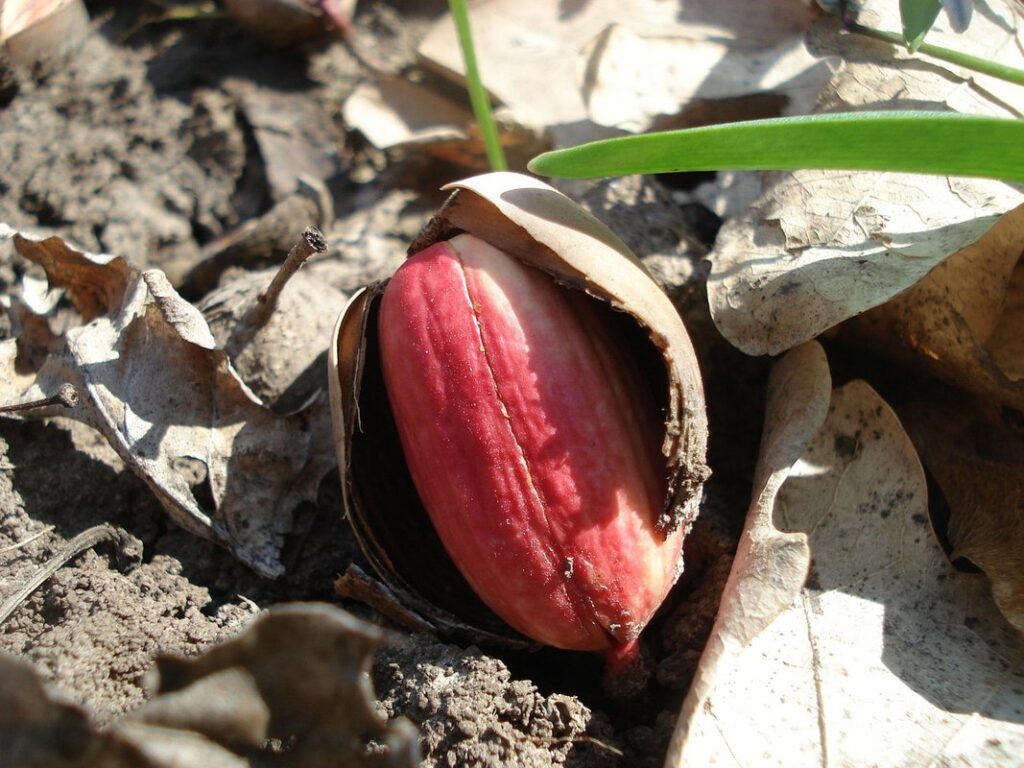
Benefits of Sprouting Seeds
Sprouting seeds at home offers a wealth of benefits, from increased nutritional value to reduced waste and environmental impact. Let’s explore the advantages in detail.
What Are the Health Benefits of Sprouted Seeds?
When you sprout seeds at home, you unlock their full nutritional potential. One of the key benefits is an increase in vitamin and mineral content. This is because sprouting activates enzymes that break down phytic acid, a compound that inhibits nutrient absorption. As a result, sprouted seeds become more easily digestible and richer in essential vitamins and minerals.
For instance, alfalfa seeds are a great example of how sprouting can boost nutritional value. Raw alfalfa seeds contain high levels of vitamin K but low levels of vitamin E. However, when you sprout them, the vitamin E content increases by up to 300%. Similarly, other nutrients like magnesium, potassium, and iron become more readily available after sprouting.
To reap these benefits, make sure to rinse your sprouted seeds thoroughly before consuming them. You can also store them in airtight containers to preserve their nutritional value. By incorporating sprouted seeds into your diet, you’ll not only enjoy the increased flavor but also get a nutrient-packed punch that will leave you feeling energized and healthy.
How Does Sprouting Increase Seed Nutrition?
When seeds sprout, they undergo a process that not only brings them to life but also unlocks their full nutritional potential. One of the key ways sprouting increases seed nutrition is by breaking down phytic acid, a naturally occurring compound found in seeds.
Phytic acid can inhibit nutrient absorption by binding to minerals like iron, zinc, and calcium. This can lead to deficiencies over time if not addressed. However, when seeds are soaked and allowed to sprout, enzymes start to break down phytic acid into simpler compounds. As this process occurs, the nutrients bound by phytic acid become more bioavailable, meaning they’re easier for your body to absorb.
This breakdown of phytic acid is especially important for seeds rich in minerals like sesame seeds, sunflower seeds, and pumpkin seeds. By sprouting these seeds, you can increase their nutritional value and unlock the full potential of their mineral content. In fact, studies have shown that sprouted grains and legumes contain up to 30% more bioavailable iron than unsprouted varieties. By incorporating sprouted seeds into your diet, you’re not only getting a boost in nutrition but also helping to minimize nutrient deficiencies over time.
Tips for Maximizing Nutrient Absorption
To maximize nutrient absorption from your sprouted seeds, it’s essential to get the soaking and storage methods right. Start by allowing your seeds to soak for 8-12 hours, depending on their type and your desired level of sprouting. Some seeds like alfalfa and broccoli may require longer soaking times, while others like mung beans might need shorter periods.
When storing your sprouted seeds, make sure they’re kept in a cool, dark place away from direct sunlight. A glass jar or container with a mesh lid is ideal, as it allows for airflow and prevents moisture buildup. You can also store them in the refrigerator to slow down the sprouting process.
To further enhance nutrient absorption, consider soaking your seeds in water that’s been infused with nutrients like vitamin C or probiotics. These will help break down phytic acid, a compound that inhibits mineral absorption, allowing your body to absorb more of the good stuff. Experiment with different soaking methods and storage containers to find what works best for you and your sprouted seed creations.
Choosing the Right Seeds for Sprouting
When it comes to sprouting seeds at home, selecting the right variety is crucial for a successful harvest. In this section, we’ll walk you through the key factors to consider when choosing your seeds.
Selecting the Best Varieties for Home Sprouting
When selecting seeds for sprouting, it’s essential to consider several factors beyond just their nutritional content. One key consideration is seed availability – some varieties are easier to find than others, particularly when shopping at local health food stores or online. For instance, broccoli, alfalfa, and mung beans are generally widely available and easy to grow.
Another crucial factor is the ease of growth for each variety. Some seeds, like radish and arugula, sprout quickly and don’t require much maintenance. Others, such as sunflower and pumpkin, take longer to germinate and may need more attention. Consider your schedule and level of expertise when choosing a variety.
Lastly, think about the desired flavor profile you want to achieve in your final product. If you’re looking for a mild taste, sprouting mung beans or lentils might be a good choice. For something bolder, try sprouting radish or mustard greens. Experimenting with different varieties will help you determine which ones work best for you and your family’s preferences.
Understanding Seed Freshness and Viability
When it comes to sprouting seeds at home, understanding seed freshness and viability is crucial for success. A simple yet often overlooked aspect of seed selection is checking the age and condition of the seeds. This can be done through a combination of visual inspection, storage practices, and simple tests.
Start by inspecting the seeds visually: check for any signs of mold, mildew, or discoloration. Old seeds may appear dull, shriveled, or develop an unpleasant odor. When stored properly, seeds should remain viable for several years; improper storage can lead to rapid degradation.
To keep seeds fresh, store them in a cool, dry place away from direct sunlight and moisture. Glass jars or airtight containers are ideal for seed storage. For longer-term preservation, consider vacuum sealing or using silica gel packets to maintain humidity control.
Before sprouting, perform the ‘float test’ by placing a few seeds in a glass of water: viable seeds will sink while old ones float. Alternatively, try the paper towel test by moistening a paper towel with seeds and observing their germination within 1-3 days. These simple checks can help ensure you’re using fresh, viable seeds for optimal sprouting results.
Popular Seeds for Sprouting: Pros and Cons
When it comes to choosing seeds for sprouting at home, some popular options stand out from the rest. Let’s take a closer look at three well-known varieties: broccoli, alfalfa, and mung beans.
Broccoli is a favorite among sprouting enthusiasts due to its ease of germination and rapid growth rate. It’s also packed with vitamins A, C, and K, making it a nutrient-dense addition to salads and sandwiches. However, some users report that broccoli can be quite pungent during the sprouting process, which may not be ideal for those with sensitive noses.
Alfalfa, on the other hand, is prized for its mild flavor and high nutritional content. It’s rich in calcium, iron, and potassium, making it an excellent choice for those looking to boost their mineral intake. However, alfalfa can be more challenging to sprout than broccoli or mung beans, requiring a bit more patience and attention.
Mung beans are another popular option, known for their versatility and ease of use. They’re a staple in many Asian cuisines and can be sprouted quickly and easily at home. One potential drawback is that mung beans can be quite sticky during the sprouting process, making them more difficult to rinse and clean.
When deciding between these three options, consider your personal preferences and needs. Do you prioritize ease of germination or nutritional content? If you’re new to sprouting, broccoli might be a good starting point due to its rapid growth rate. But if you’re looking for a milder flavor and higher mineral content, alfalfa or mung beans might be the way to go.
Setting Up a Home Sprouting System
When it comes to sprouting seeds at home, having the right setup is crucial for success. In this next step, we’ll walk you through setting up your very own home sprouting system.
Basic Materials Needed for Home Sprouting
To start sprouting seeds at home, you’ll need to gather some basic materials. This may seem daunting, but don’t worry – we’ve got you covered. Here are the essential items to get started:
Begin with a container that’s specifically designed for sprouting. You can use a plastic or glass jar with a wide mouth, as this will make it easier to add water and monitor progress. Some popular options include Mason jars, glass containers from dollar stores, or even a DIY setup using a large mason jar.
Next, you’ll need a mesh screen to support the sprouts while they grow. You can purchase these at most hardware stores or online. Look for one with small holes (about 1/8 inch) to prevent the seeds from falling through.
Growing medium is another crucial component of home sprouting. Choose an organic, chemical-free product specifically designed for seed germination. Popular options include coconut coir, peat moss, and even paper towels.
Understanding the Importance of Light and Temperature Control
Creating an optimal environment for seed germination and growth is crucial for successful sprouting. Lighting and temperature control are two essential factors to consider when setting up a home sprouting system.
Lighting plays a significant role in seed germination, but not all seeds require the same amount of light. Some seeds, like mung beans and alfalfa, prefer indirect light, while others, such as broccoli and cauliflower, can tolerate direct sunlight for short periods. A good rule of thumb is to provide 12-14 hours of indirect light per day for most sprouting seeds.
Temperature control is equally important. Most sprouts thrive in temperatures between 65°F (18°C) and 75°F (24°C). Avoid placing your sprouting system near heating or cooling vents, fireplaces, or drafty windows. A consistent temperature will promote healthy growth and prevent seedlings from becoming leggy or developing pests.
To achieve optimal lighting and temperature conditions, consider using grow lights specifically designed for indoor gardening. These can be adjusted to provide the right intensity and spectrum of light for your seeds.
Designing a Customized Home Sprouting Station
When it comes to setting up a home sprouting system, one of the most exciting aspects is designing a customized sprouting station that fits your space and equipment constraints. You don’t need a large area or expensive gadgets to get started. In fact, some of the most effective sprouting stations are DIY creations made from everyday items.
For example, you can use an old mason jar or a plastic container with holes drilled into it as a mini-sprouting station for small batches of seeds. This setup is perfect for tiny kitchens or apartments where space is limited. On the other hand, if you have more room to spare, you can create a larger sprouting station using a wooden crate or a metal bucket. The key is to provide adequate air circulation and drainage for optimal germination.
When customizing your setup, consider the type of seeds you’ll be sprouting and how much space they’ll require. For instance, broccoli and alfalfa seeds tend to spread out more than smaller seeds like radish or mung bean. Think creatively about repurposing items from around the house to save money and reduce waste.
The Sprouting Process: A Step-by-Step Guide
To successfully sprout seeds at home, you’ll need to follow a series of simple steps that ensure optimal conditions for germination and growth. Let’s break down each stage of the process in detail.
Preparing Seeds for Germination
Preparing seeds for germination is a crucial step in the sprouting process. It’s essential to do this correctly to ensure healthy and successful sprouting. To begin, you’ll need to choose the right type of container for soaking your seeds. A glass jar or a specialized sprouting tray with a mesh filter is ideal.
Once you’ve selected your container, fill it with lukewarm water, leaving about an inch at the top for expansion. Add 1-2 tablespoons of sea salt per quart of water to enhance the seed’s ability to absorb moisture and stimulate germination. Soak the seeds in this solution for 8-12 hours, or overnight.
After soaking, drain the seeds thoroughly and rinse them with lukewarm water to remove any excess salt. This step is crucial to prevent over-salting, which can inhibit seed growth. Repeat the rinsing process several times a day to keep the seeds moist but not waterlogged. It’s essential to monitor the water temperature during this stage, as it should be between 70°F and 80°F (21°C and 27°C) for optimal germination.
Monitoring Seed Growth and Adjusting Conditions as Needed
Monitoring seed growth is crucial to ensure they receive the optimal conditions for healthy development. As seeds sprout, observe them daily to notice subtle changes that indicate their growing needs. Look for signs such as increased water intake, more pronounced root development, and a noticeable increase in leaf growth.
Adjust light levels based on the seed variety’s requirements. For instance, alfalfa seeds prefer high light intensity, while mung beans can tolerate low light conditions. Aim to provide 12-14 hours of direct sunlight or use grow lights that offer similar intensities. Monitor temperature fluctuations as some seeds are sensitive to extreme temperatures.
Watering becomes more frequent once seeds sprout. Adjust your watering schedule accordingly to avoid overhydration or dehydration. Most seedlings prefer soil moisture levels around 50-60%. Be cautious not to flood the container, which can lead to root rot. Regularly inspect seed growth and adjust conditions as necessary to ensure a healthy, robust yield. With attention to these details, you’ll be able to optimize your sprouting environment for optimal results.
Common Issues During Sprouting: Troubleshooting Tips
Mold and fungus can be a major issue during the sprouting process, but it’s essential to catch them early on. Check for signs of mold like white or greenish patches on the seeds, and address it immediately by rinsing the seeds with clean water and increasing air circulation. To prevent mold from occurring in the first place, make sure your growing tray is well-ventilated and the seeds are not overcrowded.
Stunted growth can be caused by inadequate light, water, or a lack of nutrients. Ensure that your sprouts receive sufficient indirect sunlight (1-2 hours per day) and maintain consistent moisture levels. You can also try adding a balanced fertilizer to the water for an extra boost.
Another common issue is slow germination rates. This can happen if the seeds are too old, or the growing conditions are not ideal. To avoid this problem, use fresh seeds and provide optimal temperature conditions (around 70-80°F) during germination. If you’re still experiencing issues, try changing the water frequency to stimulate seed activity.
Regularly inspecting your sprouts will help you catch any problems early on, allowing for quick corrective action and healthy growth.
Harvesting and Storing Your Sprouted Seeds
Now that your sprouts are mature, it’s time to harvest them and store them properly to preserve their nutrients and flavor. Learn how to dry, clean, and store your sprouted seeds for maximum nutrition.
Timing the Harvest for Maximum Freshness
Determining when your sprouts are ready for harvest is crucial to ensure maximum flavor and texture. As a general rule of thumb, most leafy greens like alfalfa, broccoli, and mung beans are ready for harvest within 3-5 days of germination. However, the ideal harvesting time may vary depending on the type of seed you’re using and your personal preference.
To check if your sprouts are ready, gently lift a few of them out of their container and inspect their color, texture, and size. A perfectly harvested sprout should have a vibrant green color, crisp texture, and be about 1-2 inches long. If the leaves are wilted or soggy, it’s likely overripe.
To achieve maximum flavor and texture, harvest your sprouts in the morning when they’re at their peak moisture content. This will help lock in their natural sweetness and prevent bitterness from developing. Simply cut off the stems just above the soil line using scissors or a sharp knife, leaving about 1/4 inch of stem intact to encourage further growth.
Storage Methods for Maintaining Seed Freshness
Proper storage is crucial to maintaining the freshness and quality of your sprouted seeds. To keep them fresh for an extended period, consider these storage methods: refrigeration, freezing, and dehydration.
Refrigeration is one of the simplest methods to store sprouts. Place them in a breathable container, such as a mesh bag or a paper towel-lined bowl, and keep it sealed in the refrigerator at a consistent temperature below 40°F (4°C). This method can help extend the life of your sprouts for up to five days.
Freezing is another effective way to preserve sprouts. Rinse them thoroughly, then spread out in a single layer on a baking sheet lined with parchment paper. Place the sheet in the freezer until the sprouts are frozen solid, about 1-2 hours. Transfer the frozen sprouts to an airtight container or freezer bag for longer storage.
Dehydrating sprouts involves removing excess moisture using low heat (95°F/35°C – 105°F/40°C). This method helps prevent mold growth and preserves nutrients. You can use a food dehydrator or your oven’s lowest temperature setting, monitoring the process closely to avoid over-drying. Dehydrated sprouts can be stored in airtight containers for up to six months.
When choosing storage methods, consider factors like space, equipment availability, and desired shelf life. Experiment with different techniques to find what works best for you and your sprouting routine.
Creative Ways to Use Your Home-Grown Sprouts
Your home-grown sprouts are not only nutritious but also incredibly versatile. Once you’ve harvested and stored them properly, it’s time to get creative with your kitchen adventures! One of the best ways to incorporate sprouts into your diet is by adding them to salads. Simply toss together your favorite greens, veggies, fruits, and nuts, then top with a handful of crunchy sprouts for an added boost of nutrition.
You can also blend sprouts into smoothies for a nutrient-packed drink. Try combining alfalfa or broccoli sprouts with frozen berries, banana, and almond milk for a delicious and healthy treat. Sandwiches are another great way to use up your sprouts – add them to your favorite fillings, such as hummus, avocado, or turkey, for an extra dose of fiber and vitamins.
Get inspired by international cuisine! Sprouts are a staple in many Asian dishes, where they’re used in stir-fries, noodle salads, and even as a topping for sushi. Experiment with different sprout varieties and recipes to find your new favorite ways to use them. For example, try adding mung bean sprouts to Korean-style BBQ tacos or using radish sprouts in a Mexican-inspired salsa.
Some of our readers’ favorite sprout-based recipes include:
• Adding chopped alfalfa sprouts to an omelette for a protein-packed breakfast
• Using broccoli sprouts as a topping for homemade pizza
• Blending pea shoots into a creamy hummus dip
• Mixing radish sprouts with grated carrots and ginger for a tasty salad dressing
Remember, the possibilities are endless when it comes to using your home-grown sprouts. Don’t be afraid to experiment and come up with your own unique creations!
Frequently Asked Questions
Can I sprout any type of seed at home?
Yes, most seeds can be sprouted at home, but it’s essential to choose varieties that are suitable for home sprouting. Consider factors like germination rates, growth habits, and nutritional value when selecting seeds.
How often should I water my sprouts during the sprouting process?
Water your sprouts gently but thoroughly once or twice a day, depending on the humidity and temperature of your environment. Monitor their moisture levels to prevent overwatering, which can lead to mold and fungal growth.
What are some common mistakes to avoid when setting up a home sprouting system?
Avoid overcrowding your sprouting containers, as this can lead to reduced air circulation and increased risk of contamination. Also, ensure that your system provides adequate light, temperature control, and humidity levels for optimal seed germination and growth.
Can I store my sprouted seeds in the refrigerator or freezer?
Yes, you can store your sprouted seeds in the refrigerator or freezer to maintain their freshness. Store them in airtight containers or bags to prevent moisture absorption and contamination. When storing in the refrigerator, keep them away from strong-smelling foods that may transfer odors.
How long do I need to wait before harvesting my sprouts?
The time it takes for your sprouts to be ready for harvest depends on the specific variety and growing conditions. Generally, microgreens are ready within 7-14 days of germination, while larger sprouts can take up to 3 weeks or more. Check your seed packet or consult with a gardening expert for specific guidelines.