
Growing your own spinach can be a rewarding experience, but did you know that understanding its growth stages is key to achieving optimal yields? From the moment those tiny seeds germinate in the soil to the plump, juicy leaves ready for harvest, spinach plants undergo a fascinating transformation. As a gardener, knowing what to expect at each stage can help you troubleshoot common issues and make informed decisions about care and maintenance. In this comprehensive guide, we’ll take you through the entire spinach plant growth cycle – from germination to harvest – highlighting expert tips on promoting healthy growth and maximizing yields. Whether you’re a seasoned green thumb or just starting out, this article will give you the inside scoop on how to coax your spinach plants to their full potential.
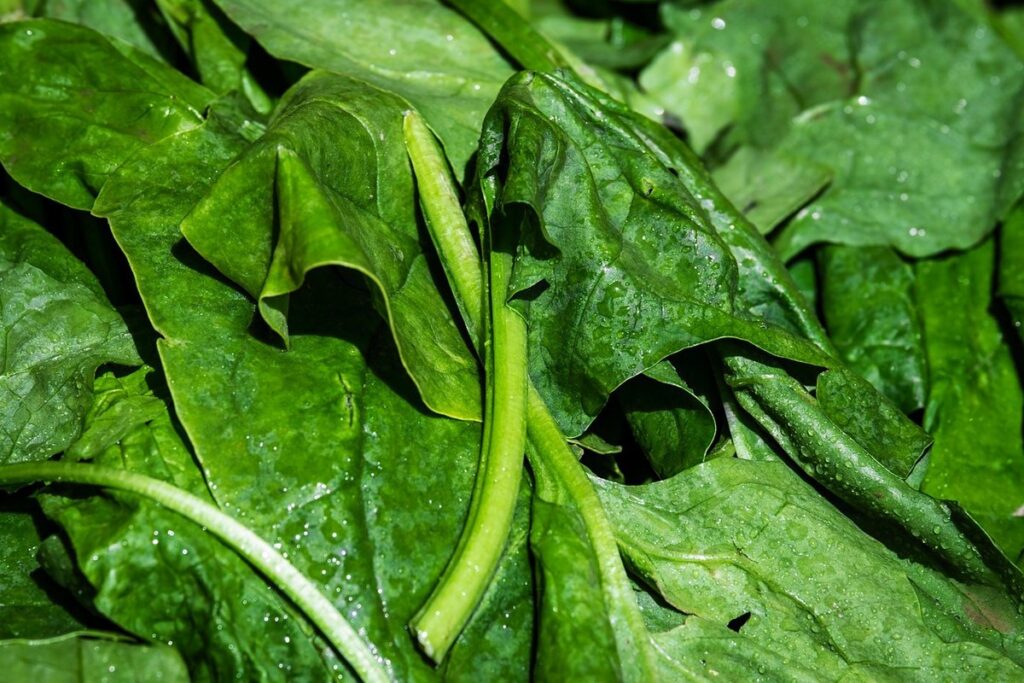
Understanding Spinach Growth Cycles
To grow healthy and thriving spinach, it’s essential to understand its unique growth cycles, which can be divided into distinct stages of development. Let’s break down these key milestones together.
Germination Stage
When spinach seeds are planted, they undergo a critical stage known as germination. This is where the seed begins to sprout and grow its first set of leaves. Factors such as temperature, moisture, and light play significant roles during this period.
For optimal germination, spinach seeds require a consistent temperature between 40°F (4°C) and 75°F (24°C). Sowing them indoors or in greenhouses allows for better control over these conditions. Soil with good drainage is essential to prevent waterlogged soil, which can lead to fungal diseases.
The ideal environment for seedling development includes adequate light, typically 12-14 hours of direct sunlight per day. However, spinach seedlings are delicate and require protection from intense sunlight during the first few weeks after germination. Watering should be done carefully, ensuring not to overwater, which can cause root rot and weaken the plant.
Germination usually takes 7-10 days, but it’s essential to monitor the soil regularly for signs of emergence. Once seedlings have two sets of leaves, they’re ready for transplanting into larger containers or directly into garden beds.
Seedling Development Stage
At this stage of spinach growth, seedlings emerge from the soil after germination. During the first few weeks, they undergo rapid development to establish their foundation for further growth. Here are some key characteristics of spinach seedlings:
Their morphology is characterized by a pair of cotyledons (seed leaves) that develop before the true leaves. These initial leaves are smaller and have a distinctive shape compared to the larger, leafy greens that will follow. As they grow, seedlings typically reach 1-2 inches in height.
Physiologically, spinach seedlings require optimal conditions for development, including adequate light (14-16 hours), moderate temperatures (around 70°F or 21°C), and consistent moisture levels. Prolonged exposure to extreme temperatures or inconsistent watering can hinder growth.
To promote healthy seedling development, ensure the soil has a pH between 6.0 and 7.0, which is ideal for spinach growth. Regularly inspect seedlings for signs of nutrient deficiency, such as yellowing leaves or stunted growth.
Spinach Growth Stages: From Seedling to Maturation
Understanding spinach plant growth stages is crucial for optimal harvesting. In this section, we’ll walk you through the key milestones from seedling to maturity.
Thinning and Transplanting Stage
As spinach seedlings grow and mature, it’s essential to thin them out to allow for optimal growth. This process not only promotes healthy development but also helps prevent overcrowding, which can lead to reduced yields and increased susceptibility to disease. To thin your spinach seedlings, start by gently removing the weakest or most spindly plants, leaving about 1-2 inches of space between each remaining plant.
The timing of thinning is crucial; it’s best done when the seedlings have 2-3 sets of true leaves. At this stage, they should be around 1-2 inches tall. Be careful not to damage the roots or disturb the soil excessively, as this can cause shock and reduce growth. You can either discard the thinned-out plants or use them for cooking – they’re perfect for adding a burst of freshness to salads.
When transplanting spinach seedlings into larger containers or directly into the garden bed, make sure the soil is moist but not waterlogged. Harden off the plants by gradually exposing them to outdoor conditions over the course of 7-10 days before transplanting. This will help prevent shock and ensure a smooth transition for your spinach crop.
Leaf Development Stage
During this stage, spinach plants undergo rapid growth, with a significant increase in leaf size and stem length. The development of leaves is influenced by factors such as light intensity, temperature, and nutrient availability. For instance, research has shown that spinach plants grown under high-intensity LED lighting can produce larger leaves with increased photosynthetic activity.
As the plant grows, it begins to develop a robust root system, which is essential for water and nutrient uptake. Adequate water supply is crucial during this stage, as drought stress can lead to reduced leaf growth and decreased yields. To promote healthy leaf development, ensure that your spinach plants receive adequate moisture, especially when temperatures are high.
Leaf morphology, including factors such as leaf size, shape, and color, is also influenced by environmental conditions. For example, cooler temperatures can result in smaller leaves with a more delicate texture, while warmer temperatures can produce larger leaves with a coarser texture. By manipulating these factors, you can optimize leaf development to suit your desired spinach variety.
In terms of yield, the quality of the leaf is just as important as its quantity. Factors such as nutrient availability and pest management play a crucial role in determining leaf size and density.
Common Issues in Spinach Growth
As you nurture your spinach plants, you may encounter some unexpected challenges that can impact growth. Let’s tackle these common issues together to get your crop back on track.
Pests and Diseases
As spinach plants grow and mature, they can be susceptible to various pests and diseases that can impact yields and overall health. One of the most common issues is aphids, tiny sap-sucking insects that can spread plant viruses like spinach curly top virus. To control aphid infestations, use neem oil or insecticidal soap sprays. Another common pest is spider mites, which can cause yellowing leaves and fine webbing.
Diseases like powdery mildew, downy mildew, and leaf spot are also prevalent in spinach crops. These fungal diseases thrive in warm, humid conditions and can be managed through crop rotation, removing infected plants, and using fungicides like copper-based products. Regularly inspect your spinach plants for signs of pests or diseases, and take prompt action to prevent their spread.
In addition to chemical controls, practice integrated pest management (IPM) techniques, such as introducing beneficial insects, practicing good sanitation, and maintaining optimal growing conditions. By being aware of these common issues and taking preventative measures, you can minimize the impact of pests and diseases on your spinach crop.
Nutrient Deficiencies
Nutrient deficiencies are a common issue in spinach growth, and if left unchecked, they can lead to reduced yields and poor quality leaves. Nitrogen deficiency is one of the most prevalent issues, causing yellowing leaves, stunted growth, and a decrease in plant vigor. Iron deficiency is another common problem, resulting in interveinal chlorosis – yellowing between leaf veins while remaining green along the edges.
Magnesium deficiency can also occur, manifesting as yellow or white spots on older leaves, especially during periods of rapid growth. These deficiencies often stem from inadequate fertilization, poor soil quality, or excessive water usage.
To prevent nutrient deficiencies, it’s essential to maintain a balanced fertilizer regimen, including regular nitrogen, iron, and magnesium supplements. Soil testing can help determine the optimal levels for your specific growing conditions. Additionally, maintaining proper moisture levels, ensuring adequate sunlight, and rotating crops can all contribute to reducing the risk of nutrient deficiencies.
Some common signs to watch out for include:
* Yellowing leaves
* Stunted growth
* Reduced plant vigor
* Interveinal chlorosis (yellowing between leaf veins)
* White or yellow spots on older leaves
Monitoring your spinach plants closely and taking corrective action promptly can help mitigate the effects of nutrient deficiencies, ensuring a healthy and productive crop.
Promoting Healthy Spinach Growth
To encourage healthy spinach growth, it’s essential to provide your plants with adequate nutrients and ensure optimal growing conditions. This section shares expert tips on promoting robust spinach development.
Soil Preparation and pH Management
When it comes to promoting healthy spinach growth, soil preparation and pH management are two critical aspects that often get overlooked. However, these factors can significantly impact the overall health and productivity of your spinach crop.
To determine if your garden’s soil is suitable for spinach growth, you’ll need to test its pH levels. You can purchase a DIY soil testing kit or send a sample to a laboratory for analysis. Most spinach varieties prefer a slightly acidic to neutral soil pH, ranging from 6.0 to 7.0. If your soil is too alkaline (high pH), it may lead to nutrient deficiencies and stunted growth.
If you find that your soil’s pH level needs adjustment, there are several ways to do so. You can add sulfur or peat moss to lower the pH, while lime can be used to raise it. However, it’s essential to make these adjustments gradually, as sudden changes can shock the roots and cause more harm than good.
In addition to pH management, ensure your soil has adequate organic matter, such as compost or well-rotted manure, to provide spinach with the necessary nutrients for healthy growth. By focusing on soil preparation and pH management, you’ll be well on your way to promoting optimal spinach growth and a bountiful harvest.
Irrigation and Fertilization Strategies
When it comes to promoting healthy growth and preventing nutrient deficiencies in spinach plants, irrigation and fertilization strategies play a crucial role. Spinach requires consistent moisture levels, especially during the germination stage, to establish a strong root system. Overwatering can lead to fungal diseases and root rot, while underwatering may cause stunted growth and reduced yields.
To strike the right balance, aim for about 1-2 inches of water per week through a combination of rain or irrigation. You can also use drip irrigation systems to deliver water directly to the roots, reducing evaporation and runoff. As for fertilization, spinach is a heavy feeder and benefits from regular applications of nitrogen-rich fertilizers.
Consider using fish emulsion or compost tea as natural alternatives to synthetic fertilizers. Apply a balanced fertilizer like 5-10-10 NPK (nitrogen-phosphorus-potassium) during the seedling stage, followed by a higher nitrogen content fertilizer like 20-5-5 during the vegetative growth stage. This will promote healthy leaf growth and development without overfertilizing.
Advanced Spinach Growing Techniques
Now that you’ve mastered the basics of spinach growth, let’s dive into some advanced techniques to take your crop from good to great. We’ll explore innovative methods for maximum yield and optimal flavor.
Hydroponic and Container Gardening
When it comes to growing spinach, many gardeners are turning to hydroponic and container gardening methods for their numerous benefits. Hydroponics involves growing plants in a nutrient-rich solution rather than soil, while container gardening uses pots or other containers to grow plants on balconies, patios, or indoors.
One of the primary advantages of using these methods is increased control over the plant’s environment. With hydroponics, you can carefully regulate pH levels, nutrient intake, and watering schedules, which leads to faster growth rates and higher yields. Container gardening also allows for greater flexibility in terms of location and climate, making it ideal for urban gardeners or those with limited outdoor space.
However, there are some challenges to consider when adopting hydroponic or container gardening methods for spinach. For instance, the lack of soil can lead to nutrient deficiencies if not properly managed, and containers can dry out quickly if not watered regularly. To overcome these issues, it’s essential to invest in a good quality growing medium and maintain a consistent watering schedule.
When transitioning to hydroponic or container gardening, start by selecting a spinach variety that is specifically bred for these methods. Next, set up your system with the right equipment and supplies, such as a grow tray, nutrient solution, and pH test kit. Be prepared to monitor and adjust your plants’ conditions regularly to ensure optimal growth.
To get the most out of hydroponic or container gardening for spinach, consider the following tips:
* Use a well-draining growing medium to prevent waterlogged soil
* Monitor pH levels daily and adjust as needed
* Water carefully to avoid overwatering, which can lead to root rot and other issues
* Provide adequate light, typically 12-14 hours of direct sunlight per day for optimal growth
By following these guidelines and tips, you’ll be well on your way to growing delicious and nutritious spinach using hydroponic or container gardening methods.
Composting and Organic Amendments
When it comes to growing healthy and productive spinach plants, the foundation of success lies in creating an ideal soil environment. This is where composting and organic amendments come into play. By adding these natural materials to your soil, you’ll be enriching its fertility and structure, ultimately leading to healthier plants.
To start, let’s discuss composting. Compost is a nutrient-rich mixture created by breaking down organic matter like food scraps, leaves, and grass clippings. You can either make your own compost at home or purchase it from a reputable supplier. Incorporating a 2-3 inch layer of compost into your spinach bed will provide an instant boost to soil fertility. As the compost decomposes, it will release essential nutrients like nitrogen, phosphorus, and potassium that spinach plants crave.
In addition to composting, you can also use other organic amendments such as well-rotted manure or peat moss to improve soil structure and aeration. By combining these natural materials with regular crop rotation and proper irrigation, you’ll be giving your spinach plants the best chance at reaching their full potential.
Tips for Successful Harvest
As you bring your spinach crop to maturity, timing is everything, and knowing when to harvest will make all the difference in getting the best results. Here are some tips to ensure a successful harvest.
Determining Spinach Maturity
When it comes to determining spinach maturity, timing is everything. If you harvest too early, your crop may be underdeveloped and lacking flavor. On the other hand, waiting until the leaves are overripe can result in a bitter taste. To ensure optimal flavor and texture, look for these signs of maturity:
Check the color: Mature spinach will have a vibrant green color, often with a slightly darker tint towards the stem. Avoid harvesting when the leaves are still pale or yellowish.
Examine the leaf size and shape: As spinach matures, the leaves will become larger and more rounded. They should be around 4-6 inches long and have a uniform shape.
Check for softness: Gently pinch the base of the leaf; mature spinach will yield to pressure but remain firm.
Taste test: The best way to determine if your spinach is ready is to taste it! Mature leaves will have a sweet, slightly nutty flavor.
Harvest in the morning: Spinach is typically at its peak freshness and flavor in the morning. Avoid harvesting during hot weather, as this can cause the crop to bolt (go to seed) prematurely.
By following these guidelines, you’ll be able to determine when your spinach has reached optimal maturity, ensuring a delicious harvest every time!
Harvesting and Storage Techniques
When it’s time to harvest your spinach crop, you’ll want to make sure you’re doing so at the right stage to preserve its flavor and nutritional value. Harvesting too early can lead to a less flavorful crop, while waiting too long can cause the leaves to become bitter.
For baby leaf or microgreens harvesting, you can start picking individual leaves when they reach 2-3 inches in length. Simply pinch or cut off the leaves at the base of the stem using scissors or a pair of garden shears. For full-grown spinach, wait until the leaves are a deep green color and have reached their full size.
To store your harvested spinach, it’s essential to keep it cool and humid. You can store fresh leaves in a sealed container or plastic bag with some moisture-retaining paper towels or cloth. Keep them refrigerated at 32-40°F (0-4°C) and use within a week. Alternatively, you can blanch the leaves by submerging them in boiling water for 30 seconds to a minute, then immediately plunging them into an ice bath. This method helps preserve their color and texture.
By following these harvesting and storage techniques, you’ll be able to enjoy your homegrown spinach at its best.
Frequently Asked Questions
How do I know if my spinach seeds have germinated successfully?
Check for tiny white roots emerging from the seed coat, usually within 7-10 days of sowing. A slight swelling or darkening of the seed can also indicate germination. Keep in mind that some spinach varieties may take longer to germinate.
What’s the ideal temperature range for spinach growth after germination?
After germination, maintain a consistent temperature between 60°F (15°C) and 70°F (21°C). Avoid exposing your spinach plants to extreme temperatures above 75°F (24°C), as this can lead to bolting (premature flowering).
Can I grow multiple crops of spinach in the same season?
Yes, you can have multiple harvests from a single crop by following proper thinning and transplanting techniques. This involves selectively removing weaker plants and replanting them elsewhere in your garden to promote healthy growth.
How often should I water my spinach plants during hot weather?
In hot climates or when temperatures exceed 85°F (30°C), increase watering frequency to every other day. Make sure the soil remains consistently moist but not waterlogged, as this can lead to root rot and other issues.
What’s the best way to identify nutrient deficiencies in my spinach crop?
Common signs of nutrient deficiency include yellowing leaves, stunted growth, or reduced yields. Regularly inspect your plants for these symptoms and consider conducting a soil test to determine if nutritional imbalances are contributing to the issue.