
When it comes to starting your garden from seed, you have two main options: direct sowing or indoor seed starting. Both methods have their benefits and challenges, and the right choice for you depends on several factors. Direct sowing allows you to skip the extra step of transplanting seeds indoors, but requires specific growing conditions that ensure optimal growth. On the other hand, indoor seed starting gives you more control over temperature and light, but can be a delicate process if not done correctly.
In this article, we’ll delve into the benefits and challenges of both methods, providing tips for optimizing your growing conditions and overcoming common issues with direct sowing and indoor seed starting. We’ll also explore some practical advice to help you decide which approach is best for you, so whether you’re a seasoned gardener or just starting out, keep reading to learn how to get the most out of your seeds!
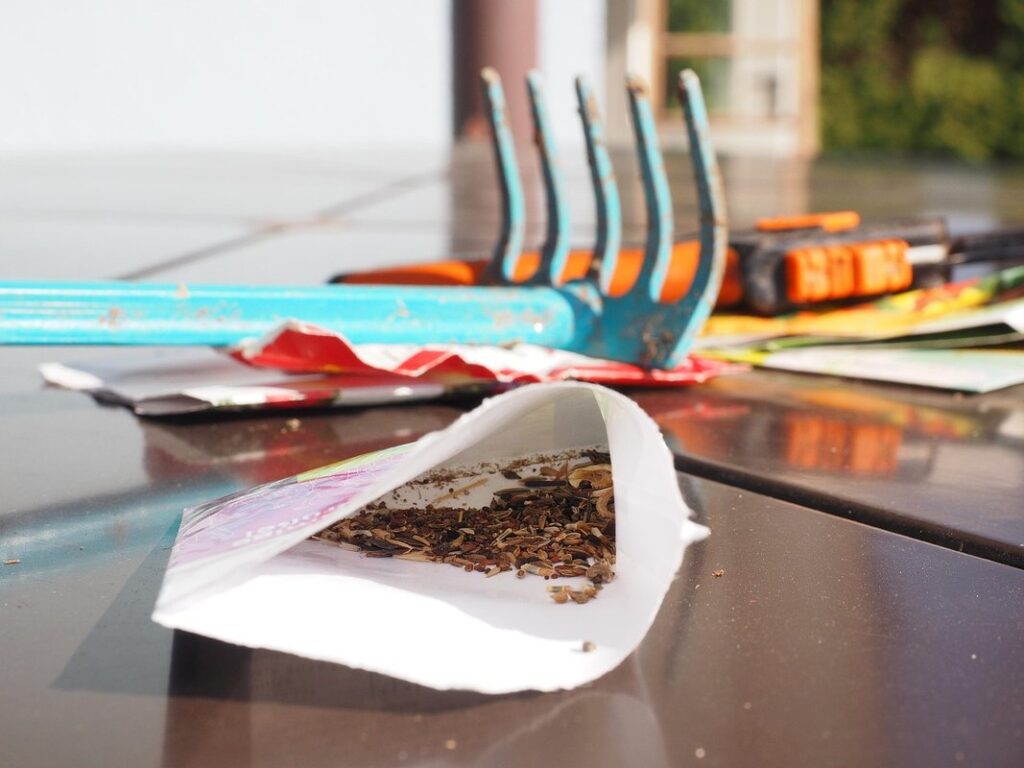
The Importance of Seed Starting
Understanding the benefits of seed starting is crucial for every gardener, as it allows you to give your plants a head start on the growing season. Let’s dive into why this technique is so valuable.
Understanding the Benefits of Seed Starting
When you start seeds indoors, you gain an edge over direct sowing. One of the most significant benefits is increased germination rates. By controlling the temperature and moisture levels, you can create a perfect environment for seeds to sprout. In fact, indoor seed starting has been shown to increase germination rates by up to 20% compared to direct sowing.
Another advantage of seed starting indoors is that it allows for earlier harvests. Since seedlings are already several weeks old when transplanted outdoors, they have a head start on the growing season. This means you can enjoy your crops sooner, often by as much as 4-6 weeks earlier than if you had direct sown.
You also have better control over growing conditions when starting seeds indoors. You can choose the right potting mix, provide optimal light levels, and regulate temperatures to suit the specific needs of each variety. This level of control is especially useful for sensitive or finicky plants that might struggle with outdoor conditions. By giving your seedlings a strong start, you set them up for success in the garden.
Choosing the Right Method for Your Needs
When it comes to seed starting, you have several methods to choose from, and each has its own advantages and disadvantages. Direct sowing is a simple method where seeds are planted directly into the ground outside, while indoor sowing involves starting seeds in pots or trays indoors before transplanting them outside.
Using a greenhouse is another option that provides optimal growing conditions for seedlings. However, it requires significant investment and space. Consider your available resources, climate, and the type of plants you’re trying to grow when deciding on a method. For example, if you live in an area with harsh winters or short growing seasons, indoor sowing may be a better option.
Consider the level of care required for each method as well. Direct sowing can be more labor-intensive, especially if you’re dealing with weeds and pests. On the other hand, indoor sowing requires regular watering and fertilization. Think about your schedule and availability when choosing a method.
To determine which method is best suited to your needs, consider the following factors: available space, climate, resources, and the level of care required for each method. By weighing these factors, you can make an informed decision that meets your specific requirements.
Preparing Seeds for Direct Sowing
Before sowing seeds directly into your garden, you’ll want to prepare them by following a few essential steps to ensure successful germination and growth. Let’s dive in!
Selecting the Right Seeds for Direct Sowing
When selecting seeds for direct sowing, there are several factors to consider to ensure successful germination and growth. One of the most important considerations is seed size. Large seeds, such as those from beans, peas, and squash, are often easier to sow directly into the ground because they have enough stored energy to break through the soil surface on their own. However, smaller seeds like lettuce, radish, or carrot require more precise sowing, usually 1/8 inch deep and 2-3 times their width apart.
It’s also essential to choose seeds that are adapted to your local climate conditions. Check the seed packet for information on specific temperature requirements, sunlight needs, and frost tolerance. For example, if you live in an area with short growing seasons or unpredictable weather patterns, select varieties labeled as “cool-season” or “short-season” for best results.
In addition, consider the type of soil and moisture conditions your seeds will encounter when selecting direct-sowing seeds. Some plants thrive in well-drained soils while others prefer moist environments.
Creating a Favorable Environment for Direct Sowing
To create an ideal environment for direct sowing, it’s essential to consider the soil quality, sunlight, and water availability. Start by preparing the soil by loosening it to a depth of 8-10 inches using a fork or spade. This will allow roots to grow deeply and evenly. If your soil is heavy clay or sandy, mix in some organic matter like compost or well-rotted manure to improve its structure.
Sunlight is also crucial for direct sowing. Most vegetables need at least 6 hours of direct sunlight per day. Ensure that the area you’ve chosen receives sufficient sunlight, taking into account any obstructions like trees or buildings. Water availability should also be considered, with seeds needing consistent moisture during their germination phase. Aim to provide about 1-2 inches of water per week, either through rainfall or irrigation.
By creating a favorable environment for direct sowing, you’ll set your seeds up for success and achieve higher yields. Considerations like soil quality, sunlight, and water availability will make all the difference in the growth and health of your plants.
Indoor Seed Starting 101
To start seeds indoors successfully, you’ll need to choose the right seeds for indoor growing and select a suitable container and growing medium. This is where it all begins.
Setting Up Your Indoor Seed Starting Station
Setting up an indoor seed starting station is an exciting step in the process of growing your own plants from seeds. Before you begin sowing seeds indoors, it’s essential to create a suitable environment that will provide them with the necessary conditions for optimal growth.
When selecting containers, choose ones that are specifically designed for seed starting, such as cell packs or small pots with drainage holes. These types of containers allow for even water distribution and prevent overwatering, which can lead to seed rot and other issues. You can also repurpose old plastic cups, egg cartons, or yogurt containers as makeshift containers.
Proper lighting is another crucial aspect to consider when setting up your indoor seed starting station. Most seeds require at least 12-14 hours of light per day to germinate successfully. Consider investing in a grow light, which can be placed above the containers or used in conjunction with natural sunlight. If using natural light, place the containers near an east- or west-facing window to avoid direct sunlight, which can cause overheating.
Maintaining optimal temperatures is also vital for successful seed starting indoors. Most seeds germinate best between 70°F and 85°F (21°C and 30°C). Avoid placing your seed starting station near drafty windows, radiators, or air conditioning vents, as these can disrupt the temperature range.
Caring for Seeds Indoors
When caring for seeds indoors, it’s essential to strike the right balance between providing enough moisture and avoiding overwatering. Check the soil daily, sticking your finger into the top inch of the soil to gauge its dryness. Water gently but thoroughly when the soil feels dry, making sure not to get water on the leaves or crown of the seedling.
Fertilizing is another crucial aspect of indoor seed care. Use a balanced, water-soluble fertilizer at half the recommended strength to avoid burning your delicate seedlings’ roots. You can start fertilizing once your seeds have two sets of leaves and continue every week until they’re ready to be transplanted.
Transplanting time arrives when your seedlings develop their second set of true leaves or reach 2-3 inches tall, whichever comes first. To minimize shock, gently remove the seedling from its container, taking care not to disturb its roots. Harden off your seedlings by gradually exposing them to outdoor conditions over the course of 7-10 days before transplanting directly into a larger container or into the garden.
Comparing Direct Sowing and Indoor Seed Starting
When deciding how to start your seeds, it’s essential to weigh the pros and cons of direct sowing versus starting them indoors. Which method is best for your garden?
Weighing the Pros and Cons of Each Method
When weighing the pros and cons of each method, it’s essential to consider the specific needs of your plants. Direct sowing can be a straightforward approach, but it may not provide the same level of control as indoor seed starting. One significant advantage of direct sowing is that it eliminates the need for extra equipment and space, making it ideal for small gardens or tight budgets.
On the other hand, direct sowing can be more challenging when dealing with sensitive seeds or those requiring precise temperature and humidity conditions. In contrast, indoor seed starting allows for a high degree of control over these factors, often resulting in healthier seedlings. However, this method requires a dedicated space, specialized equipment, and a higher upfront investment.
Ultimately, the choice between direct sowing and indoor seed starting comes down to your specific needs and circumstances. If you have limited resources or prefer a low-maintenance approach, direct sowing might be the better option. Conversely, if you’re willing to invest in equipment and space, indoor seed starting can provide more precise control over the germination process.
When deciding between these methods, consider the type of plants you’re growing. For example, warm-season crops like tomatoes and peppers may thrive with direct sowing, while cool-season crops like lettuce and broccoli may benefit from indoor seed starting’s controlled environment.
Considerations for Specific Crops
When it comes to direct sowing and indoor seed starting, different types of crops respond uniquely. For instance, cool-season crops like broccoli, kale, and carrots can thrive with direct sowing as soon as the soil is workable in spring or fall. They prefer a cooler climate and don’t require precise temperature control.
On the other hand, warm-season crops such as tomatoes, peppers, and eggplants are best started indoors 6-8 weeks before the last frost date. These plants demand warmer temperatures (above 70°F) to germinate and grow, making indoor seed starting a more suitable option.
Soil type also plays a crucial role in crop selection. For example, if you have heavy clay or sandy soil, some crops like beans, peas, and cucumbers might struggle with direct sowing. In such cases, starting them indoors can provide better control over the growing conditions.
Some crops, like lettuce, herbs, and spinach, can tolerate a wide range of temperatures and can be directly sown into their final position in the garden. By considering these factors, you’ll be able to make informed decisions about which seeds are best suited for direct sowing or indoor seed starting.
Troubleshooting Common Issues with Seed Starting
When issues arise with seed starting, it can be frustrating. Let’s address some common problems and provide solutions to help you overcome them successfully.
Identifying and Addressing Common Problems
When starting seeds indoors, you may encounter common issues that hinder successful germination and growth. One of the most frustrating problems is poor germination rates. This can be due to incorrect soil temperature, inadequate light, or insufficient moisture.
To overcome this challenge, ensure the soil temperature is between 70-80°F (21-27°C) for optimal seed germination. You can use a thermometer to check the soil temperature daily. Maintain adequate humidity by covering the seed tray with a clear plastic bag or a cloche.
Another common issue is pest infestations, such as fungus gnats or spider mites. To prevent these pests, keep the growing area clean and well-ventilated. Avoid overwatering, which can lead to fungal growth that attracts pests.
Regularly inspect your seedlings for signs of pests, and take action promptly if you notice any issues. Isolate infested plants, and treat them with organic pest control methods before introducing them back into the growing area.
Strategies for Success in Your Seed Starting Journey
When embarking on your seed starting journey, it’s essential to adopt strategies that optimize growing conditions and minimize common mistakes. One of the most critical factors is providing adequate light for your seedlings. Invest in a high-quality grow light or place your seed trays near a sunny window to ensure they receive sufficient illumination.
Another crucial aspect is maintaining optimal temperatures. Most seeds prefer daytime temperatures between 65-75°F (18-24°C) and nighttime temperatures around 55-65°F (13-18°C). Avoid placing your seedlings near heating vents, radiators, or air conditioning units that can disrupt temperature fluctuations.
To further minimize mistakes, monitor the moisture levels in your growing medium regularly. Water your seeds only when the top inch of soil feels dry to the touch. Overwatering is a common pitfall that can lead to root rot and other issues.
Additionally, handle your seedlings gently to prevent damage during transplanting. Harden off your seedlings by gradually exposing them to outdoor conditions over the course of 7-10 days before transferring them to larger containers or directly into the garden.
Conclusion: Choosing the Right Approach for You
Now that you’ve weighed the pros and cons of direct sowing and indoor seed starting, it’s time to decide which approach is best suited to your gardening style. We’ll walk you through the key considerations for making an informed choice.
Recap of Key Takeaways
As you’ve navigated through this comprehensive guide on sowing seeds directly vs indoors, you’re now equipped with the knowledge to make informed decisions about starting your own garden. To reinforce key takeaways and ensure a successful gardening experience, let’s recap some crucial points.
Sowing seeds directly into the ground allows for a more natural transition from seed to plant, reducing the risk of transplant shock. This approach also enables the development of a robust root system. On the other hand, starting seeds indoors offers greater control over environmental factors like temperature and humidity. Indoor sowing can be beneficial for plants that require a head start on the growing season or those sensitive to frost.
When deciding between these approaches, consider factors such as your climate, the type of seed you’re working with, and your available space. For example, if you live in an area with unpredictable weather, starting seeds indoors may provide a safety net against sudden changes. In contrast, for hardy plants like tomatoes or peppers, sowing directly into the ground can be a more efficient option.
To apply these insights to your gardening practice, reflect on your specific needs and preferences. Ask yourself: what type of plants am I working with? What’s my climate like? Do I have sufficient space indoors? By considering these factors and integrating the lessons from this guide, you’ll be well-prepared to make a confident choice between sowing seeds directly or indoors.
Final Thoughts on Seed Starting Success
Now that you’ve decided on the approach that suits you best – direct sowing or indoor seed starting – it’s time to take action and reap the rewards of a successful gardening season. Remember, both methods have their merits and can lead to bountiful harvests if done correctly.
To achieve success with seed starting, regardless of your chosen method, keep in mind that preparation is key. Make sure you have a clear plan in place, including the types of seeds you’ll be sowing, the specific growing conditions required for each plant, and a schedule for transplanting or direct sowing.
Don’t underestimate the importance of monitoring weather patterns and soil temperatures when direct sowing. A gentle spring rain can make all the difference in germination rates, while avoiding extreme heat or cold snaps is crucial for healthy seedling growth.
For indoor seed starting, maintain a consistent temperature range between 65-75°F (18-24°C) to ensure optimal germination. Keep the soil consistently moist but not waterlogged, and provide adequate light – either through natural means or artificial lighting. With these simple tips and a bit of practice, you’ll be enjoying homegrown produce in no time.
Frequently Asked Questions
What are the key factors to consider when deciding between direct sowing and indoor seed starting for specific crops?
When choosing between direct sowing and indoor seed starting, it’s essential to consider the specific needs of your crop. For example, some plants like tomatoes and peppers require a longer growing season, making indoor seed starting a better option. On the other hand, fast-growing crops like lettuce and radishes can thrive in direct sowings with proper care.
Can I mix different types of seeds together when sowing indoors or directly?
While it’s technically possible to sow multiple types of seeds together, this approach can lead to overcrowding and increased competition for resources. To avoid these issues, consider grouping similar plants or separating them into individual cells or pots within your seed starting station.
How do I prevent pests from infesting my indoor seedlings or direct-sown crops?
To keep pests at bay, maintain a clean growing environment by regularly disinfecting tools and surfaces. Monitor your plants closely for signs of infestation and take action promptly if you notice any issues. Consider using physical barriers, organic pest control methods, or introducing beneficial insects to your garden.
What’s the optimal temperature range for germination when sowing seeds indoors?
For most seed types, a consistent temperature between 65°F (18°C) and 75°F (24°C) during germination is ideal. Some sensitive varieties may require cooler temperatures, so always check the specific requirements for your chosen seed type.
Can I reuse seed starting mix or soil from direct sowings in future growing seasons?
While it’s tempting to save resources by reusing old seed starting mix or soil, this practice can introduce pests and diseases into your new crops. To maintain healthy soil, use fresh, sterilized mix for each planting season and discard any used materials responsibly.