
Sowing beetroot outdoors can be a bit tricky, but with the right approach, you’ll be enjoying homegrown beets in no time. Choosing the perfect variety is crucial, as some are specifically bred for their ability to thrive outside, while others prefer the protection of a greenhouse. In this article, we’ll walk you through the process of sowing beetroot outdoors, covering everything from selecting the right variety to aftercare and harvesting. We’ll also explore how to prepare your soil for beets, including tips on pH levels and nutrient requirements. By following our comprehensive guide, you’ll be equipped with the knowledge to grow delicious, nutritious beetroot in your own garden. Whether you’re a seasoned gardener or just starting out, this article will help you achieve success with sowing beetroot outdoors.
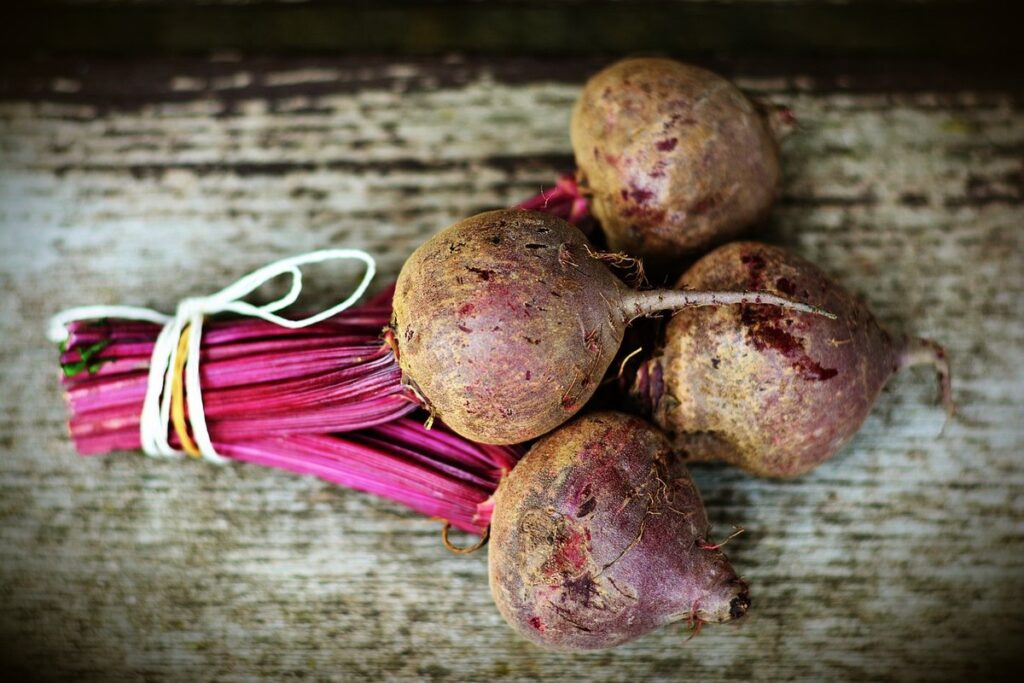
Choosing the Right Variety
When sowing beetroot outdoors, selecting the right variety is crucial for optimal growth and flavor. This decision will greatly impact your harvest’s quality.
Understanding Beetroot Types
Beetroot comes in a variety of types, each with its own unique characteristics, flavor profiles, and uses in cooking. One popular variety is the Detroit Dark Red beetroot, known for its deep red color and sweet, earthy flavor. These beets are perfect for roasting or pickling and add a pop of color to salads.
For those looking for something different, Chioggia beets offer a striking appearance with their white and red swirled pattern. The flesh is slightly sweet and has a mild, anise-like flavor. Use them in soups, stews, or as a side dish, roasted with olive oil and herbs.
Golden Beets are another option, offering a sweeter and milder taste than the other two varieties. Their golden color makes them a great addition to salads or sautéed dishes. They also hold their color well when cooked, making them perfect for presentation.
When selecting beetroot varieties, consider your cooking preferences and the season’s availability. Most supermarkets carry a range of types, so experiment with different ones to find your favorite.
Selecting a Suitable Growing Season
When selecting a suitable growing season for beetroot, it’s essential to consider your region’s climate and weather patterns. Beetroot is a cool-season crop, which means it thrives in temperatures between 10°C to 25°C (50°F to 77°F). If your area experiences extreme heat or cold, it may not be the best choice for growing beetroot.
In regions with warm winters, you can sow beetroot as early as four weeks before the last frost date. Conversely, if you live in an area with prolonged winter frosts, wait until late spring to early summer when the soil has warmed up slightly. Adequate sunlight is also crucial; beetroot requires at least six hours of direct sunlight per day.
Soil conditions play a significant role in optimal growth. Beetroot prefers well-draining, fertile soil with a pH between 6.5 and 7.5. If your soil lacks these characteristics, amend it with organic matter like compost or manure to create an ideal growing environment. By taking into account temperature, sunlight, and soil conditions, you can ensure a bountiful beetroot harvest in your region.
Preparing the Soil
Before you start sowing beetroot seeds, it’s essential to prepare the soil for optimal growth and a bountiful harvest. This involves selecting a suitable location and preparing the ground for planting.
Loosening and Tillage
Before you can start sowing beetroot seeds outdoors, it’s essential to prepare the soil by loosening and tilling. This process involves breaking up compacted soil to allow for better drainage, aeration, and root growth. By loosening the soil, you’ll create an environment that’s conducive to healthy beetroot development.
To loosen the soil, you can use various tools such as hoes, forks, or tillers. A garden fork is ideal for breaking up clods and aerating the top layer of soil, while a draw hoe is perfect for loosening larger areas of compacted soil. If your soil is severely compacted or heavy clay, consider using a rototiller to loosen it to a depth of 8-10 inches.
Remember to remove any debris, rocks, or weeds that may be hiding beneath the surface, as these can hinder beetroot growth and root development. By taking the time to properly loosen and till your soil, you’ll set yourself up for success when sowing your beetroot seeds outdoors. This will also help prevent common issues like poor germination rates and stunted plant growth.
Adding Organic Matter
When preparing to sow beetroot outdoors, one crucial step is adding organic matter to the soil. Organic matter like compost or manure brings a multitude of benefits that can significantly impact the health and productivity of your beetroot crop.
Adding compost to the soil improves its structure by increasing water-holding capacity, making it easier for roots to grow, and promoting overall root development. This results in healthier plants with deeper roots, which are better equipped to absorb essential nutrients from the soil. Compost also introduces beneficial microbes that help break down organic matter, recycle nutrients, and create a balanced ecosystem within the soil.
Manure, on the other hand, is rich in nutrients like nitrogen, phosphorus, and potassium, which are essential for beetroot growth. By incorporating manure into the soil, you’re providing your plants with a vital boost to support vigorous development. Remember that it’s essential to mix in 2-3 inches of compost or well-rotted manure at least six weeks before sowing to allow the microorganisms to break down and improve the soil structure.
To reap these benefits, make sure to choose high-quality organic matter with a good balance of carbon and nitrogen. You can either purchase this from your local nursery or create it in your own backyard using kitchen scraps, leaves, and other garden waste.
Sowing Beetroot Seeds
When sowing beetroot seeds outdoors, getting them off to a strong start is crucial. This section will guide you through the process of preparing your soil and placing those delicate seeds correctly.
Direct Sowing vs. Transplanting
When it comes to sowing beetroot outdoors, you have two main methods to choose from: direct sowing and transplanting. Both approaches have their advantages and disadvantages, which are essential to consider before deciding on the best method for your garden.
Direct sowing involves sowing the seeds directly into the ground where they will mature. This method has several benefits, including saving time and effort, as you don’t need to separate seedlings or pot them up. Additionally, direct-sown beetroot is less prone to transplant shock, which can weaken the plant and make it more susceptible to pests and diseases. However, direct sowing can lead to a lower germination rate and may result in uneven growth.
Transplanting, on the other hand, involves starting seedlings indoors or in a greenhouse and then transferring them to their final position outdoors when they are about 10-15 cm tall. This method allows for better control over soil quality, moisture levels, and temperature, leading to healthier plants with more consistent growth. However, it requires more time and effort, as you need to separate seedlings, pot them up, and then transplant them.
To determine which method is best for your garden, consider the climate and weather conditions in your area. If you live in an area with a short growing season or cool temperatures, direct sowing may be a better option. However, if you have more control over your soil and climate, transplanting can provide better results.
Depth and Spacing Guidelines
When sowing beetroot seeds outdoors, it’s essential to follow the optimal depth and spacing guidelines to ensure healthy growth and a bountiful harvest. According to seed packet instructions, most beetroot varieties require seeds to be sown 1-2 cm deep, with the soil surface being slightly above the crown of the seed.
To calculate the correct amount of seeds to sow, simply read the seed packet instructions for the specific variety you’re growing. For example, if the packet recommends sowing seeds 25 mm apart and you want a plant spacing of about 30-40 cm (12-16 inches), you’ll need to multiply the number of seeds per packet by the square root of your desired spacing.
For instance, if the seed packet contains 20 seeds and you’re planning to sow rows that are 10 seeds apart, you can sow two or three seeds at a time, about 2.5 cm (1 inch) deep, with one inch between each group. Keep in mind that over-sowing can lead to reduced yields due to competition for water and nutrients.
Keep the soil consistently moist during the first few weeks after sowing, but avoid overwatering which can cause the seeds to rot.
Aftercare and Maintenance
Now that you’ve successfully sown your beetroot, it’s time to focus on aftercare and maintenance to ensure a bountiful harvest. Proper care will keep your beets healthy and thriving throughout their growing season.
Watering and Mulching
Watering beetroot plants requires consistent moisture levels to prevent stress and promote healthy growth. However, overwatering can be detrimental, causing roots to rot and the plant to become susceptible to diseases. To water effectively, check the soil daily by inserting your finger into it up to the knuckle. If the soil feels dry, it’s time to water; if it’s still moist, wait another day.
When watering, use a gentle but thorough approach to avoid washing away nutrients and disturbing the roots. Aim for about 1-2 inches of water per week, either from rain or irrigation. Avoid getting water on the leaves to prevent fungal diseases.
Mulching is an excellent technique for retaining moisture in the soil. Apply a 2-3 inch layer of organic mulch, such as straw or wood chips, around your beetroot plants. As it breaks down, it will help retain water and suppress weeds that compete with your crop for resources. Additionally, mulch regulates soil temperature, keeping it cooler during hot summer months and warmer in the spring. This helps extend the growing season and promotes healthier root development.
Pest and Disease Management
As you enjoy the fruits of your labor and harvest your beetroot crop, it’s essential to keep an eye out for potential pests and diseases that can affect its growth. Some common culprits include slugs and snails, which can cause significant damage by feeding on leaves and stems at night. To prevent this, use copper tape around the plants’ base or create a barrier with crushed eggshells.
Another issue you might encounter is powdery mildew, a fungal disease that appears as a white, cottony coating on leaves. To identify it, look for yellowing or distorted leaves and a powdery appearance on the surface. Organic control methods include removing infected areas, improving air circulation, and using neem oil spray.
Leaf spot diseases, such as anthracnose or septoria leaf spot, can also affect beetroot crops. These appear as small spots or patches on leaves, often with a yellow halo around them. To prevent these issues, ensure your soil has good drainage and avoid overwatering. Regularly inspect your plants for signs of disease and take action promptly to prevent the spread.
To maintain healthy plants and prevent pest and disease issues, adopt a few simple habits: remove weeds regularly, avoid overcrowding, and use crop rotation techniques. This will help create a balanced ecosystem that minimizes the risk of pests and diseases taking hold.
Harvesting Beetroot
Now that your beetroot plants are thriving, it’s time to learn how to harvest them at just the right moment for maximum flavor and nutrition. We’ll walk you through the easy process of bringing in your beetroot crop.
Timing and Frequency
When it comes to harvesting beetroot outdoors, timing and frequency are crucial for maximizing yields and preventing seed production. To determine when your beetroot is ready, inspect them regularly for size, color, and texture.
Check the roots’ size by gently digging around the plants with a fork. Beetroot is typically ready when they reach 1-2 inches in diameter. You can also check the color; mature beetroot will be deep red or gold, depending on the variety. However, some varieties may retain their green tops even when fully ripe.
For continuous growth and to encourage new roots to form, it’s essential to harvest your beetroot regularly. Leave about 1 inch of stem attached to the roots to promote regrowth. If you don’t plan to use all the harvested beetroot immediately, consider storing them in a cool, dry place or using methods like pickling or freezing.
To prevent seed production and maintain a continuous supply, make sure to harvest your beetroot regularly, ideally every 1-2 weeks during peak growing periods. This will not only ensure a bountiful harvest but also encourage the plants to continue producing new roots.
Techniques for Handling Roots
When you’re ready to harvest your beetroot, it’s essential to handle them with care to preserve their flavor and texture. One of the most critical steps is cleaning the roots. Start by gently scrubbing off any dirt or debris using a vegetable brush under running water. Make sure to remove any excess soil, as this can cause moisture to accumulate and lead to rot.
Next, trim the leaves from the roots, leaving about an inch at the top. This will help prevent moisture loss and reduce the risk of contamination. For storing, you have two main options: containers or bags. If using containers, fill them with a layer of moist paper towels or cloth to maintain humidity. You can also add a sprinkle of sand or soil to absorb excess moisture.
For bag storage, choose breathable materials like mesh or paper bags. Place the roots in a single layer, making sure not to overcrowd the bag. Seal the bag loosely and store it in the refrigerator at around 7°C (45°F). Regularly check on your stored beetroot for any signs of spoilage.
Troubleshooting Common Issues
Don’t worry if things don’t go as planned, we’ve got you covered. This section tackles common problems that can arise when sowing beetroot outdoors and provides solutions to get your crop back on track.
Dealing with Poor Germination Rates
Poor germination rates can be frustrating when sowing beetroot outdoors. However, there are common issues that may contribute to this problem. For instance, if you’ve sown your beetroot seeds too deeply, they may not receive enough light to germinate properly. As a general rule of thumb, sow your beetroot seeds about 2-3 times their own depth in the soil.
Another factor that can affect seed germination is uneven soil moisture. Beetroot seeds need consistent moisture, especially when they’re first germinating. If the soil dries out too quickly, it may inhibit seed growth. To combat this, try to keep the soil consistently moist during the first few weeks after sowing. You can also mulch around the plants to retain moisture and suppress weeds.
Insufficient light is another potential issue that can lead to poor germination rates. Beetroot seeds need indirect sunlight to germinate, so avoid sowing them in areas with direct sunlight. By addressing these common issues, you can improve your seed germination rates and give your beetroot crop the best possible start.
Managing Beetroot Pests and Diseases
Beetroot pests and diseases can be detrimental to your crop, reducing yields and affecting quality. Monitoring your plants regularly is essential to catch any issues early on. Check for signs of infestation or infection daily, especially during peak pest seasons.
Common beetroot pests include aphids, slugs, and caterpillars. Aphids are small, soft-bodied insects that feed on plant sap, causing curled or distorted leaves. Slugs leave behind silvery trails and devour leaves and stems. Caterpillars, particularly the cabbage moth, can defoliate your crop.
To manage beetroot pests, use integrated pest management (IPM) techniques. This approach involves a combination of physical barriers, cultural controls, and organic pesticides. For example, cover individual plants with fine-mesh row covers to prevent slugs from accessing them. Remove weeds that provide shelter for pests and maintain good air circulation around your plants.
Organic pesticides like neem oil or insecticidal soap can be effective against aphids and caterpillars. Mix according to the product’s instructions and spray when pests are most active, usually early morning or evening.
Frequently Asked Questions
Can I sow beetroot seeds indoors and then transplant them outdoors?
Yes, you can start beetroot seeds indoors in seed trays or small pots to get a head start on the growing season. However, be sure to harden off your seedlings before transplanting them outside to prevent shock. This method is ideal for early spring planting when soil temperature might still be too cold.
How do I handle poor germination rates of my beetroot seeds?
Poor germination can be caused by a variety of factors including inadequate moisture, high temperatures, or low-quality seeds. To improve your chances of successful germination, make sure the soil is consistently moist during the first few weeks after sowing. Also, check the seed package for specific instructions on optimal planting conditions.
Can I grow beetroot in containers?
Yes, you can grow beetroot in large containers with good drainage to provide the necessary support and aeration. Choose a container that’s at least 6-8 inches deep to accommodate the root system of the beets. Use a well-draining potting mix and follow the same sowing and care instructions as for garden beds.
How do I prevent root disturbance during harvesting?
To minimize damage to the roots, gently loosen the soil around the beet with a fork before lifting it out of the ground. You can also use a specialized tool like a dibble or a trowel to carefully release the beets from the soil. Harvest your beets in the morning when the soil is moist for easier handling.
Can I grow multiple varieties of beetroot together?
Yes, you can grow different types of beetroot side by side as long as they have similar growing requirements and are not susceptible to the same diseases. However, keep in mind that some varieties may cross-pollinate or hybridize, which could affect their flavor, texture, or color. Beets like Chioggia and Detroit Dark Red can be grown together without any issues, but ensure proper spacing for each variety.