
As the seasons change, autumn is an ideal time to sow wildflowers in your garden. Not only does this allow you to create a stunning display of color next spring, but it also provides a great opportunity to attract pollinators and support local biodiversity. However, sowing wildflowers in autumn requires careful planning and attention to detail. To get started, you’ll need to choose the right location with suitable soil conditions for your chosen species. Selecting native wildflowers is essential, as they will be better adapted to the local climate and require less maintenance.
In this article, we’ll guide you through the process of sowing wildflowers in autumn, including expert tips on timing, soil preparation, and pest control. We’ll cover everything from selecting the perfect spot for your wildflower garden to maintaining it throughout the seasons. By following our advice, you can create a beautiful and thriving wildflower garden that brings joy and benefits to both you and the local environment.
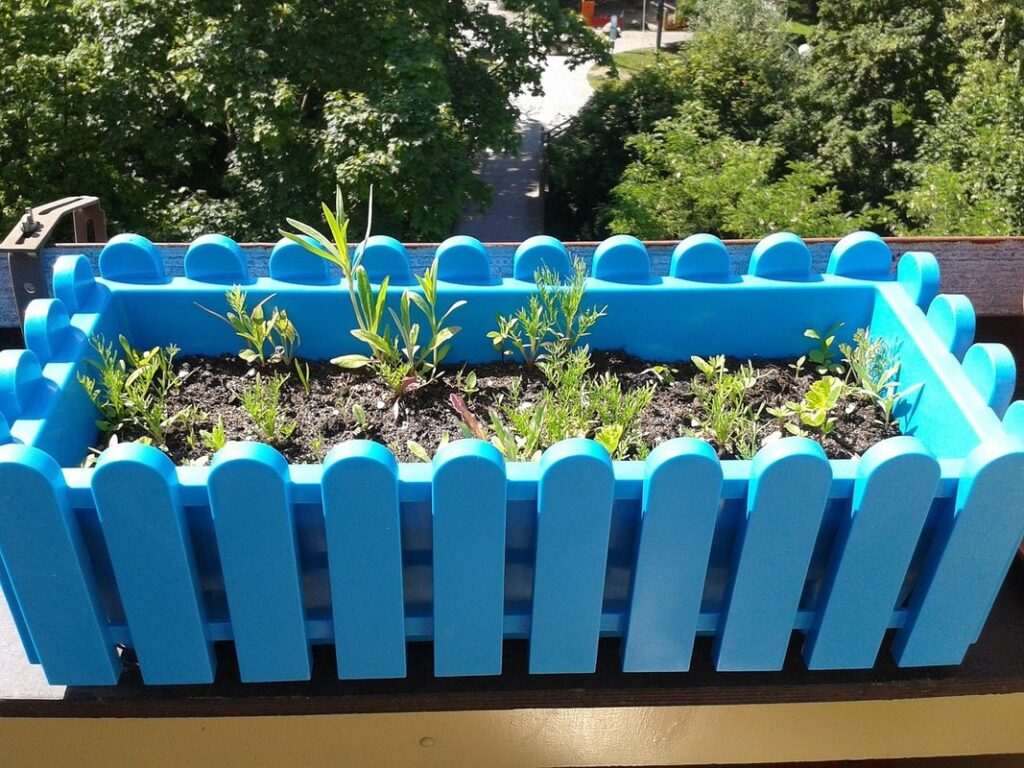
Choosing the Right Location and Soil Conditions
When it comes to sowing wildflowers in autumn, selecting the right location and understanding your soil conditions is crucial for their success and survival over winter. Here’s how to choose a suitable spot.
Understanding Your Local Climate and Microclimate
Understanding the nuances of your local climate and microclimate is crucial when sowing wildflowers in autumn. Your region’s temperature, sunlight, and rainfall patterns will significantly impact their growth, and it’s essential to choose varieties that thrive under these conditions.
Temperature extremes can be particularly challenging for wildflowers. If you live in an area with harsh winters or prolonged periods of frost, select species that are hardy and can tolerate low temperatures. Conversely, regions with mild winters may require more attention to prevent overgrowth during the spring months.
Sunlight patterns also play a vital role in determining which wildflower varieties will succeed. Areas receiving direct sunlight for extended periods should opt for species that are drought-tolerant and adapted to intense light conditions. Alternatively, regions with partial shade or lower light intensity can accommodate a wider range of species.
Regular rainfall is another critical factor to consider when sowing wildflowers in autumn. If your area experiences drought-prone seasons, choose varieties that are adapted to these conditions or incorporate supplemental irrigation strategies. By understanding and accounting for these local climate characteristics, you’ll be better equipped to create an ideal environment for your wildflower seeds to flourish.
Preparing the Soil for Wildflower Sowing
Preparing the soil for wildflower sowing is a crucial step in ensuring a healthy and thriving garden. Before you begin, it’s essential to test the pH levels of your soil to determine if it’s suitable for wildflowers. Most wildflowers prefer slightly acidic to neutral soils with a pH between 6.0 and 7.0. You can purchase a DIY soil testing kit or send a sample to a laboratory for analysis.
Once you’ve determined your soil’s pH level, remove any debris, such as rocks, weeds, and old plant roots, that may be hindering wildflower growth. Use a garden fork to loosen compacted soil, which will improve drainage and aeration. This is particularly important in areas with heavy foot traffic or where the soil has been previously cultivated.
Take this opportunity to also add organic matter like compost or well-rotted manure to enrich your soil and provide essential nutrients for your wildflowers. Aim to incorporate about 2-3 inches of compost into the top 6-8 inches of soil. This will help create a fertile environment that’s perfect for sowing autumn wildflowers.
Selecting the Right Wildflower Species
When it comes to sowing wildflowers, choosing the right species for your garden is crucial. Let’s take a look at some of the factors to consider when selecting the perfect wildflowers for your autumn planting project.
Native vs. Non-Native Species: Which is Best?
When selecting wildflower species for your autumn garden, it’s essential to consider whether to choose native or non-native varieties. Native wildflowers are those that have evolved alongside local ecosystems over thousands of years and play a vital role in supporting biodiversity.
Planting native wildflowers benefits the environment by providing food and shelter for pollinators, such as bees and butterflies, and other wildlife like birds and beneficial insects. They also help maintain soil health and promote water conservation. For example, lupines (Lupinus) are a nitrogen-fixing native species that enrich the soil with their roots, while coneflowers (Echinacea) provide sustenance for pollinators.
Non-native wildflowers, on the other hand, can outcompete native species and alter local ecosystems. They may require more maintenance, as they can be susceptible to pests and diseases. However, some non-natives can also bring benefits, such as vibrant colors or unique textures. If you choose to plant non-native species, ensure they are free of invasive traits that could harm the environment.
When deciding between native and non-native wildflowers, consider your region’s specific needs and climate conditions. Consult with local nurseries or gardening experts for guidance on selecting species suitable for your area. By choosing native wildflowers, you’ll be supporting the health and resilience of your ecosystem.
Choosing Wildflowers for Specific Conditions
When sowing wildflowers in autumn, it’s essential to choose species that are well-suited for specific conditions on your land. This will ensure a healthy and thriving display of colors come spring. Consider the amount of sunlight your area receives – if it’s shady, opt for woodland flowers like trillium, bellflower, or violets. These will thrive in areas with dappled light or full shade.
If you have dry soil, look for species that are drought-tolerant, such as blanket flower, gayfeather, or prairie coneflower. These flowers can survive with minimal watering and still produce vibrant blooms. Alternatively, if your area is prone to standing water or has consistently wet soil, choose plants that love moisture like cardinal flower, blue lobelia, or joe-pye weed.
Remember to also consider the mature height of the wildflowers when selecting species for specific conditions. For example, in areas with overhead power lines or narrow spaces, choose compact varieties that won’t grow too tall and obstruct views or create maintenance issues. By choosing the right wildflower species for your land’s specific conditions, you’ll enjoy a stunning display of colors come spring with minimal upkeep.
Sowing Wildflowers in Autumn: Tips and Techniques
Sowing wildflowers in autumn requires careful planning and technique, so let’s dive into some essential tips to get you started on a successful harvest. From seed selection to soil preparation, we’ll cover it all.
Timing is Everything: When to Sow Wildflowers
When it comes to sowing wildflowers in autumn, timing is crucial. You’ll want to plan ahead and sow at the right moment to ensure they have enough time to establish themselves before winter sets in. A key consideration is the first frost date for your area – this will typically be around late October or early November in most regions.
To determine when to sow, check the days to maturity for each wildflower species you’re planting. This information can usually be found on the seed packet or through research online. For example, if a particular variety takes 120-150 days to mature from sowing, and your first frost date is around November 1st, you’ll want to sow in late August or early September at the latest.
Sow wildflowers too early, and they may not have enough time to establish themselves before winter. Sow too late, and they may get caught out by an unexpected early frost. By timing your sowing correctly, however, you can enjoy a vibrant display of color next spring – providing you’ve chosen species that are suitable for your climate, of course!
Sowing Seeds Directly or Starting Indoors
When it comes to sowing wildflowers in autumn, one of the first decisions you’ll need to make is whether to sow seeds directly into the ground or start them indoors. Both methods have their advantages and disadvantages.
Direct sowing has its benefits – it’s a simpler process that saves time and effort, as you won’t need to worry about transplanting seedlings later on. Additionally, direct-sown seeds are more likely to establish themselves in the wildflower meadow, where they’ll be exposed to natural weather conditions from an early stage.
However, starting seeds indoors can give them a head start on the growing season and allow you to control their environment until they’re strong enough to be transplanted outside. This method also gives you the opportunity to propagate more delicate species that might struggle with outdoor conditions.
To prepare your wildflower seeds for sowing, make sure to soak them in water for 24 hours before planting. This will help soften the seed coat and encourage germination. You can also use a pre-germination treatment, such as a cold stratification period or a seed starter mix that contains fungicides, to give your seeds an extra boost.
Maintaining Your Wildflower Garden
Now that you’ve sown your wildflowers, it’s time to ensure they thrive and come back year after year with proper care. This section shares essential tips for maintaining a healthy and beautiful wildflower garden.
Watering and Mulching: Essential Care Techniques
Watering wildflowers is crucial during their initial growth stage. After sowing in autumn, keep the soil consistently moist but not waterlogged. This means checking the soil daily and watering whenever it feels dry to the touch. Avoid overwatering, which can lead to root rot and other issues.
You should also consider the weather conditions when watering. If there’s been heavy rainfall, wait a few days before watering again. Conversely, if the weather is particularly dry or windy, water your wildflowers more frequently.
In addition to watering, mulching is an essential care technique for wildflowers. Organic mulch like wood chips, bark, or straw helps retain moisture and suppress weeds. It also regulates soil temperature and prevents erosion. Spread a 2-3 inch layer of mulch around the plants after they’ve germinated. Keep in mind that mulch can also act as a weed barrier, so make sure to remove any existing weeds before applying it.
By following these simple watering and mulching tips, you’ll be well on your way to creating a thriving wildflower garden.
Controlling Weeds and Pests Naturally
Controlling weeds and pests is an essential part of maintaining a healthy wildflower garden. As you sow your wildflowers in autumn, it’s crucial to adopt eco-friendly methods that won’t harm the environment or your plants.
Hand-weeding is a simple yet effective method for controlling weeds. Remove weeds by hand as soon as they appear, making sure not to disturb the soil around your wildflowers. This will prevent them from competing with your desired plants for water and nutrients. To make hand-weeding more efficient, consider using a hoe or cultivator tool specifically designed for this task.
Another approach is to use natural deterrents to repel pests and weeds. Planting certain species alongside your wildflowers can help deter pests naturally. For example, planting marigolds with your wildflowers can keep nematodes at bay. You can also try using essential oils or neem oil as a spray to repel pests without harming beneficial insects.
Remember, prevention is key when it comes to controlling weeds and pests in your wildflower garden. By adopting these eco-friendly methods, you’ll create a balanced ecosystem that supports the health and well-being of your plants.
Encouraging Biodiversity with Wildflowers
As you’ve been learning how to sow wildflowers, let’s talk about one of the most rewarding aspects: encouraging biodiversity in your garden through these beautiful flowers. By choosing the right species and planting conditions, you can attract a variety of wildlife to your space.
Attracting Pollinators and Beneficial Insects
Attracting pollinators and beneficial insects is crucial for a thriving wildflower garden. These tiny visitors play a vital role in seed production, plant reproduction, and overall ecosystem health. By creating a welcoming habitat, you’ll not only attract more pollinators but also support the local biodiversity.
To entice bees, butterflies, and other beneficial insects, consider planting nectar-rich flowers like sunflowers, cosmos, and lavender alongside your wildflowers. Incorporate native plants that bloom at different times to provide a constant food source throughout the seasons. Avoid using pesticides, which can harm or kill these delicate visitors. Instead, adopt integrated pest management techniques that promote ecological balance.
Incorporate rocks, logs, or other natural features to create sheltered spots for insects to roost and hide from harsh weather conditions. Add shallow water sources like birdbaths or shallow dishes with fresh water and a few rocks for perching sites. By providing these simple amenities, you’ll encourage pollinators and beneficial insects to make your wildflower garden their home, ensuring the long-term health and productivity of your plants.
Creating a Diverse and Resilient Ecosystem
Creating a diverse and resilient ecosystem through wildflower sowing is essential for a thriving garden. By planting a variety of wildflowers, you’re not only adding color and beauty to your space, but also creating a haven for local wildlife. A diverse ecosystem allows different species to coexist and adapt to changing conditions, making it more resistant to pests, diseases, and environmental stressors.
To promote biodiversity in your wildflower garden, consider the following tips:
* Plant a mix of annuals and perennials to ensure a constant supply of nectar-rich flowers throughout the growing season.
* Incorporate native species that are adapted to your local climate and soil conditions.
* Leave some areas of your garden untidy, with deadheading and pruning minimal, to provide shelter for beneficial insects and small animals.
For example, if you’re sowing wildflowers in autumn, choose varieties like cosmos, zinnia, or marigold, which attract pollinators like bees and butterflies. By creating a diverse and resilient ecosystem through wildflower sowing, you’ll be contributing to the health of your local environment and enjoying a stunning display of colors for years to come.
Troubleshooting Common Issues
You’ve sown your wildflowers, but they’re not germinating as expected? Don’t worry, we’ve got you covered – common issues and their solutions are discussed in this next section.
Overcrowding, Disease, and Pests: How to Address Them
When sowing wildflowers in autumn, it’s not uncommon to encounter issues that can impact their growth and health. Overcrowding is one common problem that can occur if the seeds are sown too densely. This can lead to competition for resources such as water, light, and nutrients, resulting in weak or stunted plants.
To avoid overcrowding, sow wildflower seeds at a rate of 1-2 per square foot, depending on the variety. You can also create space by removing any seedlings that are growing too close together. Regularly thinning out your wildflowers will not only prevent overcrowding but also promote healthy growth and encourage blooming.
Diseases such as powdery mildew and leaf spot can also affect your wildflower garden, especially if the soil is too wet or humid. Keep an eye out for any signs of disease, and treat promptly with organic fungicides. Regularly inspecting your plants will help you catch issues early on.
Pests like aphids, slugs, and snails can also damage your wildflowers. Use physical barriers or natural deterrents such as garlic spray to keep pests at bay.
Reviving a Struggling Garden: Tips for Success
If you’ve sown wildflowers in autumn and are now facing a struggling garden, don’t panic. Many common issues can be addressed with some simple adjustments to soil, watering, and maintenance habits. The first step is identifying the problem – ask yourself what’s changed recently? Has it been an unusually wet or dry spell? Are there any signs of pests, diseases, or nutrient deficiencies?
Take a closer look at your garden and make a note of the specific areas that need attention. For instance, if you notice thinning or yellowing foliage, it may be due to inadequate watering or soil compaction. In such cases, loosen the soil with a fork, add organic matter like compost or manure tea, and adjust your watering schedule accordingly.
Another potential issue is overgrowth – if weeds are competing with your wildflowers for resources, consider introducing beneficial plants that repel unwanted species. Regularly pruning or mulching can also help to control growth and encourage healthy plant development.
Frequently Asked Questions
How can I ensure my wildflower seeds remain moist during the germination process in autumn?
It’s essential to keep the soil consistently moist during the germination period, which typically lasts between 1-3 weeks. To achieve this, cover the sown area with a thin layer of mulch or straw, and water gently but frequently. You can also use a breathable cloth or row cover to maintain humidity and prevent drying out.
What are some common mistakes people make when preparing the soil for wildflower sowing in autumn?
When preparing the soil, it’s easy to overlook essential steps. Make sure you remove any debris, weeds, or perennial plants that may compete with your wildflowers. Also, be mindful of soil pH levels and adjust them if necessary to ensure optimal growth conditions for your chosen species.
Can I sow a mix of annuals and perennials in the same area, or is it best to separate them?
Sowing a mix of annuals and perennials can create a diverse and resilient ecosystem. However, consider separating them based on their growing requirements, such as sunlight, soil type, and moisture levels. This will ensure both types thrive and reduce competition for resources.
How do I control weeds without using chemical herbicides in my wildflower garden?
Weeds can be a significant challenge when cultivating wildflowers. To manage weeds naturally, try hand-weeding or using tools like hoeing forks. You can also introduce beneficial plants that suppress weed growth, such as creeping thyme or clover.
What’s the ideal time to start sowing wildflower seeds indoors for an early spring bloom?
If you live in a region with limited outdoor growing seasons, consider starting your wildflowers indoors 4-6 weeks before the last frost date. Use seed trays and provide adequate light, temperature control, and moisture to ensure healthy germination and development.