
If you’ve ever noticed a black or brown stain on your plant’s leaves, chances are it’s not just dirt or debris. Sooty mold is a common problem that can be detrimental to your plants’ health, and it’s essential to learn how to identify and treat it effectively. This pesky fungus thrives on the sweet secretions of sap-sucking insects like aphids, whiteflies, and mealybugs, which can lead to severe damage if left unchecked. In this comprehensive guide, we’ll walk you through the causes of sooty mold growth, share eco-friendly prevention methods, and explore treatment options that won’t harm your plants or the environment. By the end of this article, you’ll be equipped with the knowledge to keep your plants healthy and thriving, free from the unwanted attention of sooty mold.
Understanding Sooty Mold
Sooty mold on leaves can be a frustrating issue, but understanding its underlying causes is key to finding an effective solution. Let’s break down what drives sooty mold growth on your plants.
What is Sooty Mold?
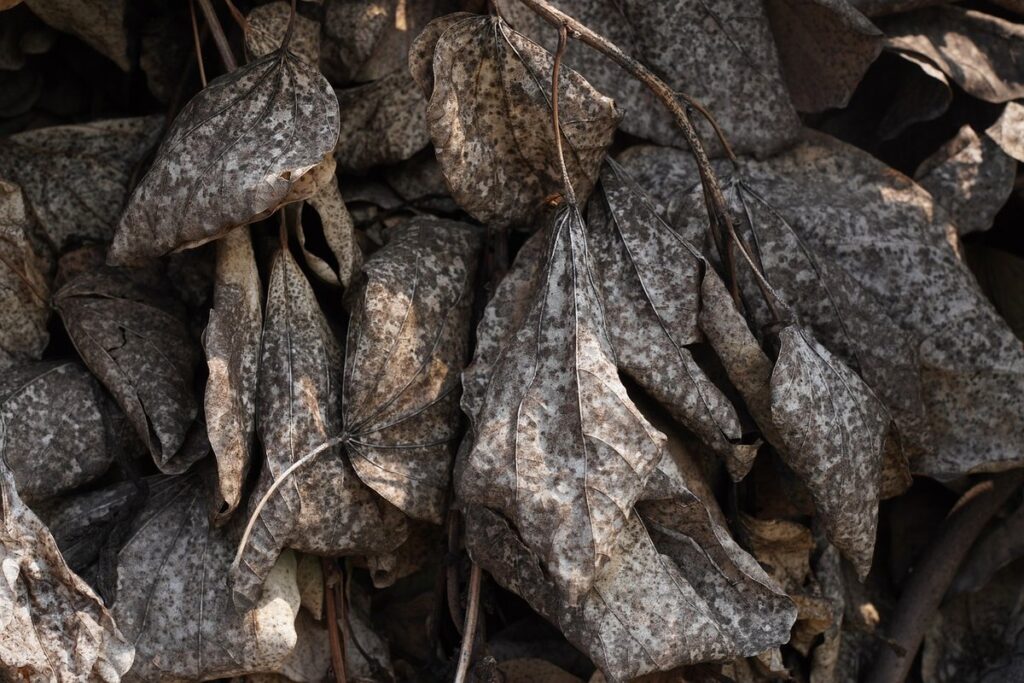
Sooty mold is a type of fungus that grows on the leaves of plants, causing them to take on a black or dark gray appearance. At first glance, it’s easy to mistake sooty mold for leaf spot disease, but they have distinct characteristics. One key difference is that sooty mold doesn’t cause damage to the plant tissue itself, whereas leaf spot diseases often leave behind visible lesions or discoloration.
If you look closely at a leaf with sooty mold, you’ll notice that it has a powdery or velvety texture, and it can be easily brushed off. In contrast, leaf spot diseases tend to have a more rough or scaly appearance. Sooty mold is often the result of aphid infestations, as these tiny insects secrete a sticky substance called honeydew that provides the perfect environment for the fungus to grow.
To determine if you’re dealing with sooty mold or a leaf spot disease, take a closer look at your plant and inspect its leaves for signs of pests or damage.
Causes of Sooty Mold Growth
Sooty mold thrives on plant leaves due to a combination of factors. One primary reason is the presence of honeydew, a sticky substance secreted by sap-sucking insects like aphids and whiteflies. These pests feed on plant sap, excreting honeydew as they consume it. The sweet, sticky liquid creates an ideal environment for sooty mold to grow.
High humidity and temperature conditions also contribute to the growth of sooty mold. When temperatures are consistently high, typically above 60°F (15°C), and relative humidity is above 50%, the risk of sooty mold development increases significantly. In these conditions, moisture accumulates on leaf surfaces, creating a perfect breeding ground for fungal spores.
Poor air circulation around plants can also lead to sooty mold growth. When air doesn’t circulate freely, it allows moisture to stagnate near plant leaves. This stagnant air creates an environment conducive to the development of fungi, including sooty mold. To prevent this issue, ensure that plants have sufficient space between them and are located in areas with good air movement.
Identifying Sooty Mold Infestations
To identify a sooty mold infestation, look for black patches on leaves and stems that are soft to the touch and may be accompanied by a strong, unpleasant odor. These signs can indicate a serious issue for your plants.
Visual Identification Techniques
When it comes to identifying sooty mold infestations on plant leaves, visual inspection is key. One of the most obvious signs is dark spots or patches on leaf surfaces. These can be flat and circular, or irregularly shaped, depending on the species of mold present. In severe cases, entire sections of the leaf may turn black.
If you notice sticky honeydew droplets on the undersides of leaves, it’s a strong indication that insects are feeding on your plants. This sweet, sticky substance is a byproduct of sap-feeding insects like aphids and scale. As the insects feed, they excrete honeydew, which can attract other pests and create an ideal environment for sooty mold to grow.
In addition to these signs, curled or distorted leaves can also be a symptom of insect feeding. When insects suck sap from plant cells, it disrupts photosynthesis and causes leaves to become disfigured. Regularly inspecting your plants for these visual cues will help you catch infestations early on and prevent them from becoming severe.
Common Places Where Sooty Mold Forms
When it comes to identifying sooty mold infestations on your plants, knowing the common places where this unwanted growth tends to develop is crucial. One of the primary areas you should inspect is the leaf veins and midribs. This is because sooty mold loves to feed on the sweet, sticky sap that flows through these areas, creating a perfect breeding ground for its growth.
In addition to leaves, sooty mold also tends to form on stems and petioles. These are the long, thin structures that connect the leaf to the plant’s main stem or branch. As with leaves, the sticky sap present in these areas provides an ideal environment for sooty mold to thrive. You may notice black spots or patches forming on these areas as a result.
Flowering branches and buds are another common place where sooty mold develops. This is particularly concerning if you’re trying to encourage blooming, as the mold can interfere with flower formation. Inspect these areas closely, especially if you’ve noticed any discoloration or blackening of petals or sepals. By targeting these specific areas, you’ll be better equipped to identify and treat sooty mold infestations on your plants.
Managing Sooty Mold Infestations
If you’ve noticed a sooty mold infestation taking over your plants, it’s essential to take swift action to prevent further damage. In this section, we’ll explore effective ways to manage and eliminate these unwanted growths.
Natural Control Methods
When it comes to managing sooty mold infestations, many gardeners are looking for eco-friendly solutions that won’t harm their plants or the environment. Fortunately, there are several natural control methods you can try to prevent further growth and encourage healthy plant growth.
One of the simplest ways to control sooty mold is through pruning. Regularly remove any heavily infested leaves or stems from your plants, making sure to disinfect your tools between cuts to avoid spreading the spores. This will not only help prevent the spread of sooty mold but also promote air circulation and reduce moisture around the affected areas.
You can also use neem oil or insecticidal soap sprays to control pest populations that contribute to sooty mold growth. These natural pesticides work by disrupting the insects’ life cycles, preventing them from reproducing and feeding on your plants. To use these sprays effectively, mix them with water according to the label instructions and spray them directly on the affected areas.
Chemical-Based Treatments
When it comes to managing severe sooty mold infestations on leaves, chemical-based treatments may be necessary. Systemic pesticides are a common option for tackling this issue, as they can be applied directly to the plant’s soil or foliage and work their way through the entire system. These pesticides come in various forms, such as granules, liquids, or sprays, and can be used to treat infested plants.
However, it’s essential to exercise caution when using chemical treatments around plants. Always read and follow the label instructions carefully, and take necessary precautions to avoid exposure. Wear protective gear like gloves, masks, and eyewear when applying pesticides, and ensure that they are applied at the recommended times for optimal effectiveness.
Some systemic pesticides may have unintended side effects on plant health or ecosystems. For example, certain neonicotinoids have been linked to bee deaths and other environmental concerns. Be sure to choose a pesticide with minimal toxicity to beneficial insects and microorganisms. If you’re unsure about which pesticide to use or how to apply it safely, consult with a gardening expert or local nursery professional for guidance.
Preventing Future Sooty Mold Outbreaks
To keep your garden healthy and thriving, it’s essential to learn how to prevent future sooty mold outbreaks from occurring in the first place. We’ll explore practical tips for doing just that.
Maintaining Healthy Plants
Maintaining healthy plants is crucial to preventing sooty mold growth. Regular watering and fertilization schedules can significantly impact plant health. Overwatering can lead to root rot, while underwatering can cause stress, making plants more susceptible to pests and diseases. Aim for a consistent schedule that meets your plant’s specific needs.
Pruning and training are also essential in promoting air circulation and sunlight penetration. Prune leaves or stems to prevent overcrowding, which can trap moisture and create an ideal environment for sooty mold growth. Train vining plants to grow upwards using trellises or stakes to improve air flow and sunlight exposure.
Regularly monitor your plants for signs of pests or disease, such as white powdery patches, curled leaves, or sticky honeydew droplets. Catching these issues early can help prevent sooty mold from taking hold. Keep an eye out for common culprits like aphids, mealybugs, and spider mites, and take action promptly to control infestations.
Integrated Pest Management (IPM) Strategies
Adopting an Integrated Pest Management (IPM) approach is crucial to preventing sooty mold infestations. This holistic strategy involves monitoring, controlling, and managing pests using a combination of techniques that minimize harm to the environment.
Early detection and monitoring are key components of IPM. Regularly inspect your plants for signs of sooty mold, such as black spots or streaks on leaves. Monitor the plant’s growth rate, water intake, and temperature fluctuations, which can contribute to sooty mold growth.
Biological control methods involve introducing beneficial insects that prey on pests that attract sooty mold. For example, encouraging ladybugs, lacewings, or parasitic wasps in your garden can help regulate aphid populations, a common sooty mold attractor. Cultural controls include maintaining proper air circulation, reducing watering to prevent fungal growth, and pruning infested areas.
To implement IPM effectively, start by assessing your plant’s specific needs and environment. Then, tailor your approach by combining monitoring, biological control methods, and cultural controls to create a comprehensive prevention strategy. By adopting an integrated pest management plan, you’ll reduce the risk of sooty mold outbreaks and promote a healthier garden ecosystem.
Frequently Asked Questions
What should I do if I’ve missed the early signs of sooty mold infestation, and now my plants are severely affected?
Start by isolating the affected plants to prevent the spread of the fungus to other plants. Then, carefully remove any severely damaged leaves or stems using sterile pruning tools. Next, inspect your plants for any underlying pest issues that may be contributing to the sooty mold growth. Implement natural control methods, such as introducing beneficial insects or using neem oil, to address these pests.
Can I use chemical-based treatments to get rid of sooty mold on my indoor plants?
While chemical-based treatments can provide quick results, they might not be the best solution for indoor plants due to potential harm from residues. Instead, opt for natural control methods like introducing beneficial insects or using neem oil. If you still prefer chemical-based treatments, ensure you follow the product’s instructions carefully and take necessary precautions to minimize exposure.
How can I prevent sooty mold from coming back after treatment?
Maintaining healthy plants is crucial in preventing future outbreaks of sooty mold. This includes providing optimal growing conditions, such as sufficient light, water, and nutrients, and monitoring your plants regularly for any signs of pest infestations or nutrient deficiencies. Implement Integrated Pest Management (IPM) strategies to address these issues proactively.
What if I have multiple plants in a small indoor space, and some are severely affected by sooty mold?
In such cases, it’s best to remove the heavily infected plants from the area to prevent cross-contamination with other plants. Then, thoroughly clean and disinfect any surfaces or tools that may have come into contact with the fungus. Isolate the remaining healthy plants and maintain optimal growing conditions to prevent the spread of sooty mold.
Can I use homemade remedies like baking soda or vinegar to control sooty mold growth?
While these household ingredients can be effective in some cases, they might not provide a comprehensive solution for sooty mold infestations. Baking soda and vinegar can help manage minor infestations but may not address the underlying pest issues contributing to the fungus’s growth. For more severe outbreaks, consider using natural control methods or consulting with a gardening expert.