
As a farmer or gardener, you’re likely no stranger to the challenges of managing your water resources. With increasing concerns about droughts and water scarcity, finding ways to optimize irrigation is crucial for maintaining healthy crops and reducing waste. That’s where solar powered irrigation timers come in – these innovative devices harness the power of sunlight to control watering schedules, ensuring your plants receive exactly what they need when they need it. In this article, we’ll explore how solar powered irrigation timers are revolutionizing sustainable agriculture practices by optimizing water management, increasing crop yields, and reducing energy consumption. We’ll dive into the benefits of using these eco-friendly timers and provide a comprehensive guide on how to implement them in your own garden or farm.
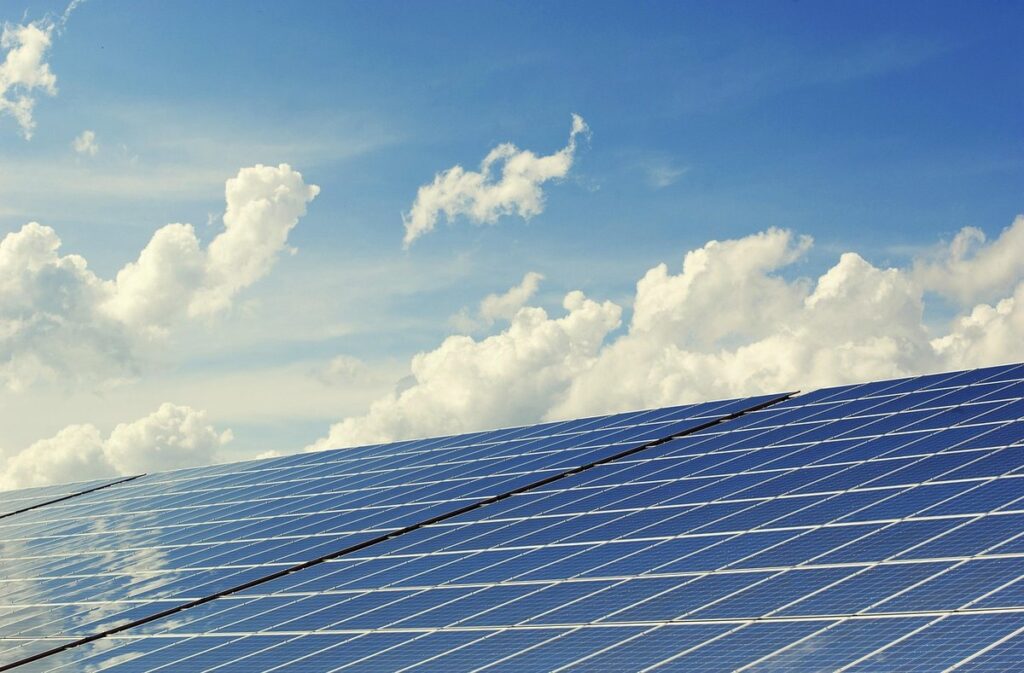
Understanding the Need for Solar Powered Irrigation Timers
As you consider making the switch to solar powered irrigation timers, let’s explore why they’re a crucial step towards efficient water management and a more sustainable future.
The Importance of Water Conservation in Agriculture
Water is the lifeblood of agriculture, accounting for approximately 70% of global freshwater usage. However, this staggering statistic is a stark reminder of the pressing need for water conservation in farming practices. The agricultural sector alone consumes an estimated 80-90% of municipal and industrial water supplies in some regions.
The environmental impact of inefficient irrigation methods cannot be overstated. Statistics show that up to 50% of agricultural water use is wasted due to outdated irrigation systems, human error, or simply lack of awareness about the importance of precision irrigation. This not only exacerbates water scarcity but also contributes significantly to greenhouse gas emissions and soil degradation.
By embracing solar powered irrigation timers, farmers can take a crucial step towards mitigating these issues. These innovative systems enable real-time monitoring and control over watering schedules, preventing overwatering and reducing waste. By harnessing the power of solar energy, they offer a sustainable solution for efficient water management, empowering farmers to optimize their water usage and reap the benefits of a more resilient, productive crop yield.
Overview of Traditional Irrigation Methods and Their Limitations
Traditional irrigation methods have been in use for centuries, but they come with their own set of limitations and inefficiencies. One of the primary issues is that these methods rely on manual intervention to control water flow, which can be time-consuming and prone to errors. For instance, farmers often use timers or controllers to regulate watering schedules, but these devices are usually powered by electricity, adding to operational costs.
Another limitation of traditional irrigation methods is their reliance on external energy sources, such as diesel generators or grid electricity. These energy sources not only contribute to greenhouse gas emissions but also result in significant maintenance and repair expenses. Furthermore, the use of pumps, pipes, and other infrastructure can lead to water waste due to leaks, blockages, or improper system design.
Inefficient irrigation practices not only drain resources but also harm the environment by wasting precious water. According to a study by the United States Environmental Protection Agency (EPA), more than 1 trillion gallons of water are lost each year in the US alone due to inefficient irrigation systems. This highlights the urgent need for a more sustainable solution that can optimize water usage while minimizing waste.
Benefits of Solar Powered Irrigation Timers
Solar powered irrigation timers offer numerous benefits, making them a game-changer for water-conscious gardeners and farmers who want to reduce their environmental footprint. Let’s explore these advantages in more detail.
Energy Efficiency and Cost Savings
One of the most significant benefits of using solar powered irrigation timers is their ability to reduce energy consumption and lower operational costs for farmers. These devices harness the power of sunlight to operate, eliminating the need for electricity from the grid. As a result, farmers can save up to 80% on their energy bills compared to traditional irrigation systems.
Not only do solar powered irrigation timers save money, but they also increase savings through reduced water waste and improved crop yields. With precise control over watering schedules and amounts, farmers can optimize water usage and prevent overwatering, which is a major contributor to water waste. For instance, a study conducted by the University of California found that using solar powered irrigation systems resulted in a 30% reduction in water consumption.
To maximize energy efficiency and cost savings with your solar powered irrigation timer, make sure to follow these best practices:
* Install the device in direct sunlight for optimal power generation
* Adjust the watering schedule based on soil moisture levels and weather conditions
* Regularly clean and maintain the device to ensure efficient operation
Increased Crop Yield and Quality
With solar powered irrigation timers, farmers can enjoy increased crop yield and quality due to precise water delivery and optimal watering schedules. This is because solar timers allow for automated watering based on specific weather conditions, soil moisture levels, and plant requirements. As a result, crops receive the exact amount of water they need, reducing waste and stress.
By providing consistent moisture, farmers can improve crop yields by up to 20%. For instance, in a study conducted in California, farms that used solar powered irrigation timers saw an average increase of 25% in tomato yield compared to traditional irrigation methods. Similarly, optimal watering schedules also lead to improved fruit quality, with reduced instances of mold and disease.
To achieve these benefits, farmers should focus on the following key aspects: monitor soil moisture levels regularly, adjust watering schedules according to weather forecasts, and use sensors to detect changes in plant water requirements. By doing so, they can create a tailored irrigation plan that ensures crops receive exactly what they need to thrive.
Types of Solar Powered Irrigation Timers Available
When it comes to choosing a solar powered irrigation timer, you have several options available that cater to different needs and preferences. Let’s explore some of the key types in detail.
Automatic Dosing Systems
Automatic dosing systems are an advanced feature of solar powered irrigation timers that enable precise control over water quality and fertilizer application. These systems typically consist of a tank, pump, and controller, which work together to deliver the right amount of water or nutrients to crops at the optimal time.
One key benefit of automatic dosing systems is their ability to reduce water waste and runoff. By delivering water in small doses, these systems help prevent over-saturation, which can lead to erosion and nutrient loss. This approach also promotes healthy root growth and increases crop yields.
Automatic dosing systems are particularly useful for large-scale agricultural operations, such as orchards and vineyards. For example, a farmer growing avocado trees might use an automatic dosing system to deliver just the right amount of water and fertilizer to each tree, based on its specific needs and soil type. By doing so, they can minimize waste while maximizing crop quality.
When choosing an automatic dosing system for your solar powered irrigation timer, consider factors such as tank size, pump efficiency, and controller accuracy. Look for systems that are designed with ease of use and maintenance in mind, to ensure you get the most out of your investment.
Weather-Based Controllers
Weather-based controllers are an innovative solution for farmers who struggle with unpredictable weather patterns. These systems monitor local weather conditions, such as temperature, humidity, wind speed, and precipitation, to adjust watering schedules accordingly. This means that water is only used when it’s truly needed, reducing waste and conserving this precious resource.
One of the key benefits of weather-based controllers is their ability to adapt to changing weather patterns. For instance, if a sudden heatwave hits your region, the controller will automatically increase watering times to prevent crop stress. Conversely, during periods of heavy rainfall, it will reduce or pause watering altogether.
Farmers who rely on weather-based controllers can enjoy significant water savings – up to 30% in some cases. This not only reduces their environmental footprint but also saves them money on water bills. To implement a weather-based controller, look for systems that integrate with your existing irrigation setup and provide real-time data monitoring capabilities.
Installation and Maintenance Considerations
When setting up a solar powered irrigation timer, it’s essential to consider the installation process carefully to ensure optimal performance. Proper installation will also impact maintenance needs over time.
Choosing the Right Solar Powered Irrigation Timer
When choosing the right solar powered irrigation timer, it’s essential to consider three key factors: farm size, crop type, and budget constraints. A timer that’s suitable for a small orchard may not be efficient for a large-scale farming operation.
To start, determine your water requirements based on the type of crops you’re growing. For instance, a tomato plantation requires more frequent watering than a wheat field. Consider investing in a timer with multiple stations to accommodate different crop types and water needs.
Look for timers with adjustable settings that allow you to schedule watering sessions according to soil moisture levels and weather forecasts. This feature is particularly useful for crops like cotton or corn, which are sensitive to overwatering.
Lastly, set a budget before selecting a solar powered irrigation timer. Prices vary depending on features, brand reputation, and warranty duration. Be sure to factor in the costs of maintenance and replacement parts when making your decision. By considering these factors, you can choose an efficient solar powered irrigation timer that meets your specific needs and promotes sustainable water management practices.
Tips for Effective Installation and Maintenance
When installing and maintaining your solar powered irrigation timer, it’s essential to follow a few best practices to ensure seamless operation. Start by reading the manual carefully and understanding the system’s specific requirements for installation and programming.
Before setting up the system, choose a location with sufficient sunlight to recharge the batteries during the day. Avoid shading from trees or buildings, as this can reduce energy production. During installation, make sure all connections are secure and wires aren’t damaged.
Programming your timer is usually straightforward. Most systems come with an intuitive interface that guides you through the process. Set your watering schedule according to your crop’s needs, taking into account factors like climate, soil type, and plant growth stage. Regularly check for software updates to ensure optimal performance.
To maintain your system’s efficiency, inspect the solar panels regularly for dirt or debris buildup. Clean them gently with a soft brush to avoid damaging the surface. Also, ensure that the batteries are properly maintained, following the manufacturer’s guidelines for charging and deep-discharge cycles.
Overcoming Common Challenges with Solar Powered Irrigation Timers
One of the biggest hurdles to implementing solar powered irrigation timers is overcoming common challenges that can arise during setup and maintenance. Let’s tackle some of these obstacles together.
Technical Issues and Troubleshooting
When using solar powered irrigation timers, you may encounter technical issues that can affect the system’s performance. Common problems include faulty sensors, incorrect programming, and inadequate battery life. Faulty sensors are often caused by exposure to extreme temperatures or moisture, which can damage the sensor’s electronics.
To troubleshoot a faulty sensor, check its positioning and ensure it is shielded from direct sunlight and moisture. If the issue persists, replace the sensor with a new one. Incorrect programming can lead to inconsistent watering patterns, resulting in under-watered or over-watered plants. Review your timer settings regularly to ensure they are accurate.
Inadequate battery life can be caused by high energy consumption, which may be due to inefficient system design or incorrect usage patterns. To extend battery life, optimize your irrigation schedule and adjust the sensor’s sensitivity settings. Regularly clean the solar panels and check for any blockages in the water flow path to ensure optimal performance.
By addressing these common technical issues promptly, you can resolve problems quickly and maintain a reliable solar powered irrigation system.
Ensuring Compliance with Local Regulations
Ensuring compliance with local regulations is crucial when installing solar powered irrigation timers. Regulations vary by location, so it’s essential to familiarize yourself with the specific requirements for your area. Typically, you’ll need a permit from your local government before installation can commence. This permit will ensure that the system meets building codes and safety standards.
Some common permits required include electrical permits, plumbing permits, and possibly even zoning permits. For instance, if you’re installing an irrigation timer in a residential area with a septic system, you may need to obtain a separate permit from your local health department. Best practices for compliance involve consulting with your local authorities, reviewing relevant ordinances, and ensuring that your system meets all necessary standards.
It’s also crucial to choose a solar powered irrigation timer that is designed to meet or exceed local regulations. Look for products certified by reputable organizations such as the International Association of Plumbing and Mechanical Officials (IAPMO) or the National Sanitation Foundation (NSF). This will not only ensure compliance but also provide peace of mind knowing your system is safe and efficient.
Future Developments and Emerging Trends in Solar Powered Irrigation Timers
As we move forward, new innovations are on the horizon that will further revolutionize solar powered irrigation timers, enhancing their efficiency and environmental benefits. Stay ahead of the curve by learning about these emerging trends.
Advancements in Water-Saving Technology
As we move forward in our quest to optimize water usage with solar powered irrigation timers, it’s essential to acknowledge the significant advancements in water-saving technology. Emerging technologies such as precision irrigation systems and smart sensors are revolutionizing the way we manage water resources.
Precision irrigation systems utilize advanced algorithms to analyze soil moisture levels, weather forecasts, and crop water requirements to deliver exactly the right amount of water to crops. This not only reduces waste but also ensures that plants receive the optimal amount of water for growth. For instance, a study by the University of California found that precision irrigation systems can reduce water consumption by up to 30% compared to traditional sprinkler systems.
Smart sensors take this technology a step further by monitoring and controlling irrigation systems in real-time. These sensors can detect changes in soil moisture levels, temperature, and other environmental factors to adjust watering schedules accordingly. This not only ensures that crops receive the right amount of water but also helps identify areas where water is being wasted. By incorporating these technologies into your solar powered irrigation timer system, you can maximize water efficiency while minimizing waste.
Integration with Other Sustainable Farming Practices
One of the significant advantages of solar powered irrigation timers is their ability to seamlessly integrate with other sustainable farming practices. For instance, these systems can be paired with drip irrigation methods to minimize water waste and ensure that crops receive exactly what they need.
In fact, a study by the University of California found that using drip irrigation in conjunction with solar powered irrigation timers resulted in a 30% reduction in water consumption compared to traditional sprinkler systems. This not only saves valuable resources but also reduces evaporation, runoff, and other forms of water loss.
Another emerging trend is the integration of precision agriculture technologies, such as soil moisture sensors and weather monitoring tools, into solar powered irrigation timer systems. These tools enable farmers to collect data on soil conditions and weather patterns, allowing them to make informed decisions about when and how much water to apply.
By combining these innovative practices, farmers can create a comprehensive approach to sustainable water management that not only reduces waste but also promotes crop health and productivity.
Frequently Asked Questions
Can I install a solar powered irrigation timer on any type of crop or soil?
Yes, most solar powered irrigation timers are designed to be versatile and can accommodate various types of crops and soils. However, it’s essential to choose a timer that suits your specific needs and takes into account factors like soil moisture levels, temperature, and humidity.
How do I ensure accurate water dosing for my plants using an automatic dosing system?
To achieve accurate water dosing with an automatic dosing system, you’ll need to calibrate the system according to your plant’s watering requirements. This may involve adjusting settings based on factors like soil type, temperature, and humidity. Regular monitoring of soil moisture levels will also help fine-tune the dosing schedule.
Can I integrate multiple sensors or controllers with my solar powered irrigation timer?
Yes, many modern solar powered irrigation timers can be integrated with various sensors and controllers to optimize their functionality. This may include weather-based controllers, moisture sensors, or pH/EC sensors, allowing for more precise watering schedules tailored to your specific needs.
What are some common issues I might encounter during installation and how do I troubleshoot them?
Common issues during installation of solar powered irrigation timers can arise from factors like incorrect wire connections, faulty components, or inadequate system configuration. To troubleshoot these problems, carefully review the manufacturer’s instructions, check for loose connections or damaged wires, and consult with a professional if necessary.
Are there any specific regulatory considerations I should be aware of when implementing a solar powered irrigation timer?
Yes, as with any water management system, it’s essential to comply with local regulations regarding water usage and conservation. Familiarize yourself with applicable laws and guidelines in your area, ensuring that your solar powered irrigation timer setup meets or exceeds these standards.