
Are you eager to multiply your favorite trees and shrubs without spending a fortune on new plants? Softwood cuttings can be a game-changer for gardeners, but it requires some know-how. If you’re new to softwood propagation or looking to refresh your skills, our comprehensive guide is here to walk you through the entire process.
We’ll cover everything from preparing the perfect cutting to creating an ideal environment for rooting. You’ll learn how to use hormone treatments to stimulate growth and choose the right propagation mediums for success. Plus, we’ll share expert tips on aftercare to ensure your new plants thrive. With this step-by-step guide, you’ll be well-equipped to take softwood cuttings like a pro and enjoy an endless supply of healthy trees and shrubs in no time.
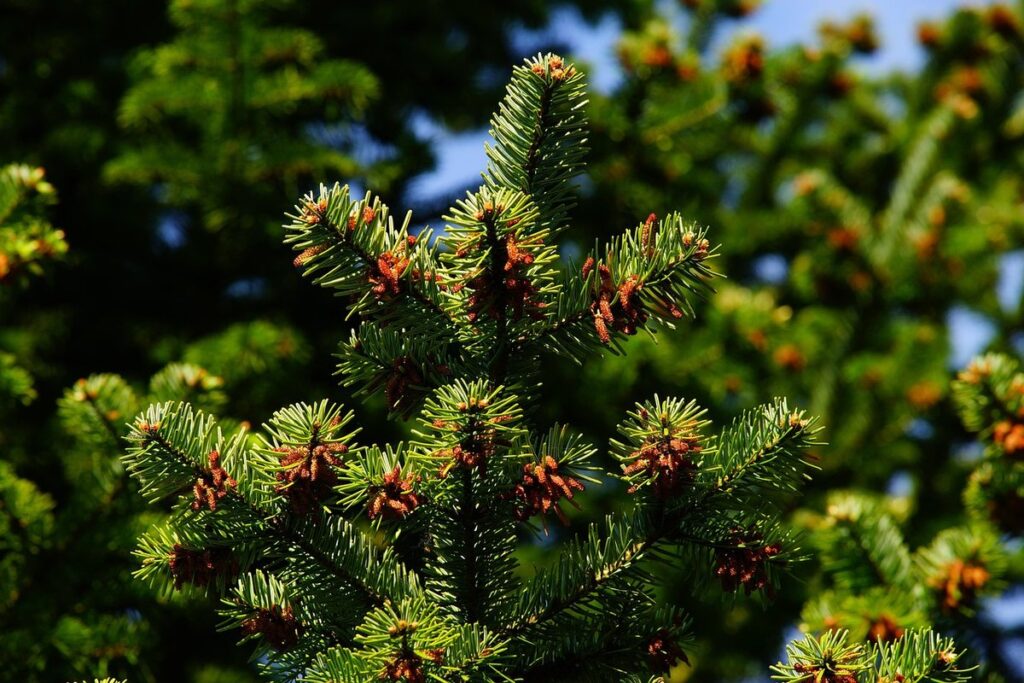
Understanding Softwood Cuttings
To propagate softwoods successfully, you need to understand how they root best and when to take cuttings for optimal results. Let’s dive into the specifics of softwood cuttings.
What are Softwood Cuttings?
Softwood cuttings are one of the primary methods used for plant propagation. They are an essential tool for gardeners and nurseries to reproduce plants quickly and efficiently. In simple terms, softwood cuttings refer to a type of stem cutting taken from new growth during the current growing season. This type of cutting is typically taken from the tips or shoots of branches that have not yet matured.
The importance of softwood cuttings lies in their ability to produce roots rapidly. When planted correctly, they can develop an extensive root system within weeks, enabling the plant to establish itself quickly in its new environment. Softwood cuttings differ significantly from hardwood cuttings, which are taken during the dormant season and require a longer time to develop roots.
One of the key benefits of softwood cuttings is that they allow for rapid multiplication of plants without the need for seeds or grafting. This method is particularly useful for propagating trees and shrubs, enabling gardeners to produce large quantities of genetically identical plants in a relatively short period.
Choosing the Right Softwood Material
When selecting suitable softwood material for cuttings, several key factors come into play. The first consideration is the plant species itself. Not all plants are well-suited for propagation via softwood cuttings. Some plants, like willows and poplars, root easily from softwood cuttings, while others may require more delicate handling.
Stem age is another critical factor to consider. Softwood cuttings are typically taken from current-year growth, which means they’re freshly grown stems with a high concentration of auxins – plant hormones that promote rooting. Cuttings from older stems tend to have lower auxin levels and therefore may not root as readily.
You should also pay attention to the quality of the softwood material itself. Look for stems that are free from disease, damage, or pests. The ideal cutting will be around 10-15cm long, with a node (where a leaf meets the stem) at the base and a small leaf rosette at the top. This ensures the cutting has a good balance of roots to grow new foliage.
When selecting softwood material, inspect it carefully for any signs of disease or damage.
Preparing the Softwood Cuttings
When it comes time to prepare your softwood cuttings, you’ll need to focus on selecting the right stems and preparing them for rooting. This process is crucial for successful propagation.
Cutting Techniques and Tools
To make clean cuts on softwood stems, you’ll need the right cutting tools. A good pair of loppers is essential for thicker branches, while a pruning saw is better suited for thinner stems. When choosing a pruning saw, opt for one with a sharp blade and a comfortable grip to reduce fatigue during long cutting sessions.
To make clean cuts, cut at an angle of about 45 degrees, just above a leaf node (the point where a leaf meets the stem). This helps prevent water from collecting on the cut surface, reducing the risk of rot and disease. Use a sharp tool to minimize the amount of sap that’s released, which can attract pests and create a entry point for pathogens.
When using loppers or pruning saws, make sure to maintain a firm grip and use gentle pressure. Apply even pressure to avoid crushing or tearing the stem, which can hinder rooting. For smaller stems, you can use a pair of clean, sharp scissors or clippers for more precision. Remember to disinfect your tools between cuts to prevent the spread of disease and ensure healthy cuttings.
Hormone Treatments: When to Use Them
When it comes to promoting rooting in softwood cuttings, hormone treatments can be incredibly beneficial. However, they shouldn’t be used indiscriminately – understanding when and how to apply them is crucial for success.
You’ll want to use a root stimulator or hormone treatment when the cutting has a low water content or if you’re working with a particularly challenging species. This is often the case during the dry summer months or when propagating from woody stems. In these situations, a hormone treatment can help stimulate cell division and promote healthy root growth.
To apply hormone treatments correctly, make sure to follow the manufacturer’s instructions for application rates and timing. Typically, you’ll need to dip the cut end of the cutting into the solution before planting it in a propagation tray or pot filled with a well-draining mix. Some popular options include products containing auxins like indole-3-butyric acid (IBA) or rooting powders.
When selecting a hormone treatment, look for one that contains a balanced blend of ingredients to support both root and shoot growth. A general rule of thumb is to use 1-2 milliliters of solution per liter of water – any more can cause excessive cell division and lead to weak roots.
Taking Softwood Cuttings
When taking softwood cuttings, it’s essential to work quickly and efficiently, as these young stems are more prone to drying out than hardwood varieties. Let’s get started on the process!
Timing and Weather Conditions
When it comes to taking softwood cuttings, timing is crucial. The optimal time for harvesting softwood material is during the spring growth surge, typically between late April and early June, depending on your climate and region. This period offers the perfect conditions for successful propagation: temperatures are mild, and the plant is actively growing.
Keep in mind that this timeframe can vary significantly depending on your location. In warmer climates like California or Florida, softwood cuttings can be taken as early as March, while cooler regions may need to wait until late May or even June. It’s essential to consider the specific climate and temperature requirements of your plant species.
Avoid taking softwood cuttings during periods of extreme weather conditions, such as intense heatwaves, cold snaps, or prolonged droughts. These conditions can cause stress to the plant, reducing its ability to recover from cutting and leading to poor rooting success. Similarly, take care not to propagate plants that are dormant or have gone into a state of dormancy due to unfavorable weather conditions.
Making Healthy Cuttings: Tips and Tricks
When it comes to making healthy cuttings, selection of fresh material is crucial. Look for new growth on the stem, typically produced in spring or early summer, as this will root more easily than older wood. Avoid taking cuttings from stressed or diseased plants, as this can lead to poor rooting and reduced chances of success.
When selecting a cutting, choose one with at least two sets of leaves and a length of around 10-15cm (4-6 inches). This size allows for adequate water uptake and reduces the risk of drying out. Cut just above a node using a sharp, clean knife or pruning tool to minimize damage to the stem.
It’s essential to remove lower leaves from the cutting, as these can cause moisture loss and hinder rooting. Typically, you’ll want to leave only two sets of leaves at the top of the cutting, which should be positioned in the rooting tray with the node (where the leaf meets the stem) submerged in water or rooting medium. This will help prevent rotting and encourage healthy root development.
Propagation Mediums and Rooting Hormones
To propagate softwood cuttings successfully, you’ll need a suitable propagation medium to provide the right conditions for root development, as well as a rooting hormone to stimulate growth.
Soil Preparation for Softwood Cuttings
When it comes to preparing soil for softwood cuttings, the right propagation medium is crucial for optimal rooting. Suitable mediums include a mix of compost and perlite, which provide excellent drainage and aeration. A general rule of thumb is to use 2-3 parts of perlite to one part of compost. This allows excess moisture to escape while keeping the roots moist.
To prepare your medium, start by adding perlite to a container or tray until it covers about an inch deep. Next, add the compost on top, gently mixing it with the perlite using a fork or spoon. You can also use a pre-mixed propagation mix specifically designed for softwood cuttings. These mixes usually contain a blend of peat moss, vermiculite, and perlite.
When preparing your medium, remember to moisten it thoroughly before adding the cuttings. This helps prevent moisture stress and promotes healthy root development.
Using Rooting Hormone: Concentration and Application
When it comes to using rooting hormones for softwood cuttings, one of the most critical aspects is getting the concentration and application right. There are various types of rooting hormones available, including liquid, powder, and gel forms.
Most commercial rooting hormone products come in concentrations between 0.1% and 5%. For softwood cuttings, a lower concentration (around 0.1-0.5%) is usually sufficient to promote root growth without causing damage to the cutting. To apply the rooting hormone, gently dip the base of the stem into the product or brush it onto the area where roots will develop.
When using liquid rooting hormones, make sure to follow the manufacturer’s instructions for dilution rates. A general rule of thumb is to use 1-2 mL of rooting hormone per liter of water. For powders and gels, carefully measure out the recommended amount and apply directly to the cutting. It’s essential to handle rooting hormones with care, as excessive application can lead to damage or even kill the cutting.
Aftercare and Transplantation
Now that you’ve successfully rooted your softwood cuttings, it’s time to give them a healthy start by learning how to care for and transplant them into their new environment. Proper aftercare is crucial to ensure a strong growth.
Providing Optimal Conditions for Root Growth
When you first plant your softwood cuttings, it’s essential to provide optimal conditions for root growth. This is crucial during the initial stages of propagation, as the roots are developing and establishing themselves within the soil.
Maintaining a consistent temperature between 65°F to 75°F (18°C to 24°C) is vital. If the temperature drops or rises significantly, it can slow down or even prevent root growth altogether. You want to create an environment that encourages steady progress, allowing your cuttings to develop robust roots quickly.
Similarly, maintaining a consistent level of humidity is also crucial for healthy root development. Covering the pot with a clear plastic bag will help maintain a humid microclimate and keep the soil consistently moist. This helps prevent moisture loss through transpiration, which can hinder root growth.
By providing a stable environment, you’ll be well on your way to successful propagation. Just remember to monitor temperature and humidity levels closely, making adjustments as necessary to ensure optimal conditions for your softwood cuttings’ roots to thrive.
Transplanting Successfully: Timing and Techniques
When it comes time to transplant softwood cuttings into individual pots or directly into the ground, timing is everything. Ideally, this process should occur within 1-2 weeks of taking the initial cuttings, when the cutting has developed a few sets of leaves and its roots have started to emerge.
To minimize stress during transplanting, make sure the soil in the pot is moist but not waterlogged. Gently remove the cutting from its tray or pack and inspect the roots for any signs of circling or becoming root-bound. If necessary, gently tease out some of the smaller roots with a sterile instrument to encourage further growth.
When handling the delicate softwood cuttings, be sure to avoid exposing them to direct sunlight or extreme temperatures, which can cause shock and stress. Instead, place the transplanted cutting in a shaded area or under grow lights until it has had time to establish itself in its new environment.
Keep in mind that over-handling or excessive transplanting can lead to reduced root growth and decreased survival rates. Therefore, handle the cuttings with care and aim for 1-2 gentle waterings per week during this critical period. By following these guidelines, you’ll be well on your way to successfully transplanting your softwood cuttings and giving them a strong start in life.
Common Challenges and Solutions
When it comes to propagating softwood cuttings, you’ll inevitably encounter some bumps along the way. Don’t worry, we’ve got you covered – let’s dive into common challenges and their practical solutions.
Overwatering and Root Rot Prevention
Overwatering is one of the most common mistakes gardeners make when taking softwood cuttings. Waterlogged soil can lead to root rot, which can be fatal for your propagation attempt. To avoid this, ensure the growing medium is well-draining and has good aeration. Avoid watering your cuttings too frequently, especially in the first few weeks after propagation. Instead, check the moisture level by gently inserting your finger into the soil.
If you do notice signs of root rot – yellowing leaves or soft, mushy stems – act quickly to prevent its spread. Remove any affected areas and repot the cutting in a fresh growing medium. To prevent root rot altogether, water your cuttings in the morning so the pot has time to dry slightly before nightfall.
Keep an eye on temperature fluctuations as well; extreme temperatures can cause your cuttings to succumb to disease. Maintain a consistent temperature between 60-75°F (15-24°C) for optimal results. By being mindful of watering and temperature, you’ll significantly reduce the risk of root rot and ensure healthy propagation.
Pest and Disease Management
When taking softwood cuttings, it’s essential to be aware of potential pests and diseases that can affect them. Some common issues include fungal infections like root rot and leaf spot, as well as infestations by insects such as mealybugs, spider mites, and scale.
To manage these problems, adopt an integrated pest management (IPM) approach, which considers the use of physical barriers, cultural controls, biological controls, and chemical controls in a holistic way. For example, using clean propagation stations, sterilizing equipment, and maintaining good hygiene can help prevent fungal infections.
Regular monitoring is also crucial; check cuttings regularly for signs of pests or disease, such as white powdery patches or sticky secretions. If issues are spotted early on, they’re easier to address. Some beneficial insects like ladybugs and lacewings can be introduced into the propagation station to control pest populations organically.
Keep in mind that overusing chemical controls can harm not just pests but also plants; it’s essential to use these as a last resort and follow all recommended safety precautions.
Conclusion
Now that you’ve mastered the process of taking and rooting softwood cuttings, let’s summarize the key takeaways from this comprehensive guide.
Recap of the Softwood Cuttings Process
Taking softwood cuttings involves several key steps that, when followed correctly, can result in healthy new plants. To recap, selection of the right stem is crucial; look for vigorous shoots with at least two sets of leaves and a noticeable bud swell. Next, prepare the cutting by removing lower leaves to prevent waterlogged stems and promote rooting.
Trimming the top set of leaves just above the node also helps encourage root development. Make clean cuts using a sharp, sterile knife or pruning tool to minimize damage to the stem. Dip the cut end into a rooting hormone powder or liquid for added boost to the rooting process.
Finally, plant the cutting in a well-draining mix and maintain consistent moisture levels until roots are established. This can take anywhere from two to six weeks, depending on factors such as temperature and humidity. With proper care, your softwood cutting will develop into a thriving new plant, ready for transplantation into its final location.
Encouraging Continued Growth: Tips for Beginners
As you’ve successfully taken your first steps into the world of softwood cuttings, it’s essential to remember that practice makes perfect. Encouraging continued growth and improvement requires patience, persistence, and a willingness to learn from your mistakes.
Start by experimenting with different types of plants and observing how they respond to various techniques. You might be surprised at which methods work best for certain species or varieties. For instance, some shrubs may require more frequent misting, while others thrive in drier conditions.
Don’t be afraid to seek guidance from more experienced growers or online forums. Websites like the Royal Horticultural Society and Gardening Know How offer a wealth of information on softwood cuttings, as well as troubleshooting advice for common issues. By combining hands-on experience with expert insights, you’ll quickly develop your skills and confidence in this rewarding propagation method.
Remember, it’s normal to encounter setbacks or disappointments along the way. Use these opportunities to refine your techniques and learn from your mistakes, rather than getting discouraged. With time and practice, you’ll become proficient in softwood cuttings and be able to share your expertise with others.
Frequently Asked Questions
Can I take softwood cuttings from any tree or shrub?
Yes, not all plants can be propagated using softwood cuttings. Research the specific needs of your plant to ensure it’s suitable for this method. Some species, like deciduous trees, respond well to softwood propagation, while others might require alternative techniques.
How long does it take for softwood cuttings to root?
The rooting time varies depending on factors such as the plant species, cutting quality, and environmental conditions. Generally, you can expect to see roots developing within 2-6 weeks after taking softwood cuttings. Keep the soil consistently moist but not waterlogged during this period.
What’s the best way to store softwood cuttings before rooting?
If you’re not ready to plant your softwood cuttings immediately, you can store them in a cool, humid place (around 5-10°C or 40-50°F) with minimal light. Place the cut ends in water or a propagation medium, and keep them away from direct sunlight.
Can I take softwood cuttings at any time of day?
Yes, but it’s recommended to take softwood cuttings early morning when the plant is most active. Avoid taking cuttings during extreme temperatures, heavy rain, or intense sunlight, as this can cause damage or hinder rooting success.
How do I prevent overwatering and root rot in my softwood cuttings?
Monitor the moisture levels closely, and ensure good air circulation around your cuttings. Water only when the soil feels dry to the touch, and avoid getting water on the leaves or crown of the cutting. If you notice any signs of root rot (e.g., soft stems, yellowing leaves), adjust your watering schedule accordingly.