
Are you looking to add some beauty and serenity to your garden? Look no further than the stunning Snow Fountain Weeping Cherry tree! Not only does this elegant tree provide year-round interest with its delicate white blooms in spring, but it also offers a range of benefits for landscapers and nature enthusiasts alike. From creating a haven for local wildlife to adding an ornamental touch to your outdoor space, the Snow Fountain Weeping Cherry is a versatile and attractive addition to any garden or yard. But what makes this tree so special? In this article, we’ll take you through the ins and outs of planting, caring for, and propagating these gorgeous trees, as well as exploring their value in landscaping and wildlife habitat creation. Whether you’re a seasoned gardener or just starting out, keep reading to learn more about the Snow Fountain Weeping Cherry!
What is a Snow Fountain Weeping Cherry?
Let’s start with the basics: what exactly is a Snow Fountain Weeping Cherry tree, and how does it differ from other cherry varieties you may be familiar with.
Brief Overview of the Tree
The snow fountain weeping cherry tree is a breathtaking addition to any landscape, offering a unique blend of beauty and functionality. Native to Japan, this deciduous tree has been cultivated for centuries, prized for its striking appearance and adaptability.
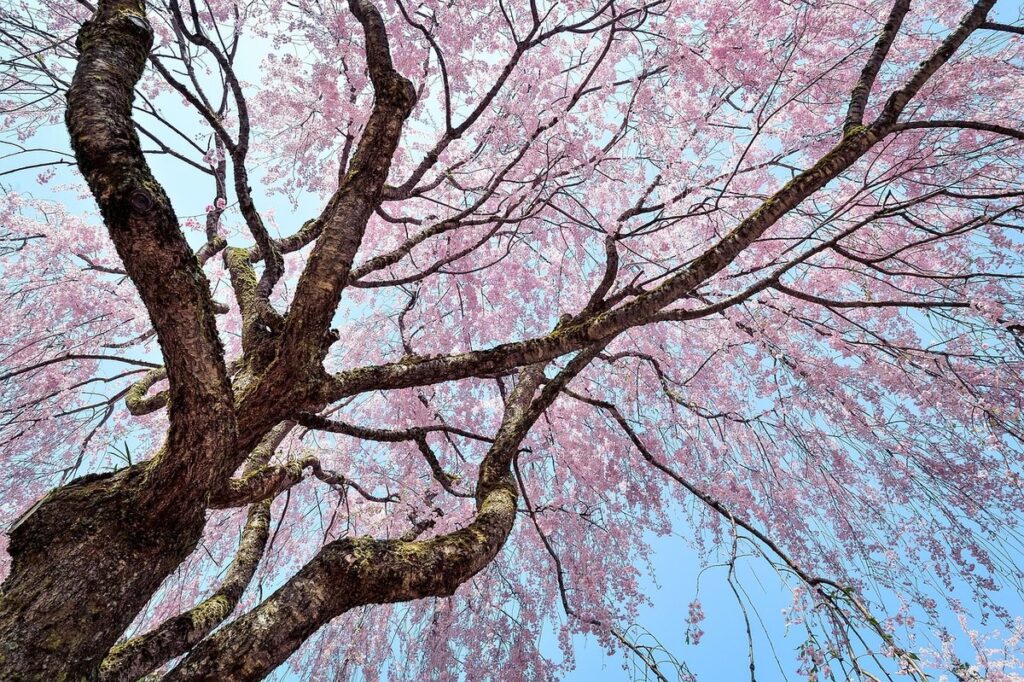
One of the defining characteristics of the snow fountain weeping cherry is its stunning weeping habit, with long, slender branches that cascade downwards, creating a lush, cascading effect. This unique growth pattern makes it an ideal choice for containers or small spaces, where its ability to spill over and create a sense of movement can be fully appreciated.
Its delicate pink flowers, which bloom in late winter to early spring, are another standout feature, providing a much-needed splash of color during the cold months when other trees are still dormant. With proper care, these flowers will bloom for several weeks, filling the air with their sweet fragrance and adding to the tree’s natural beauty.
Its ability to thrive in partial shade makes it an excellent choice for areas with limited sunlight, and its tolerance for a range of soils allows it to be planted in a variety of conditions.
Description of the Tree’s Appearance
The Snow Fountain Weeping Cherry is a stunning tree that’s sure to capture your attention with its unique appearance. This deciduous tree typically grows between 10-15 feet tall and wide, making it an excellent choice for smaller gardens or landscapes.
One of the standout features of this tree is its weeping branches, which cascade downwards like a fountain, giving it its name. The branches are long and slender, often reaching the ground without support, creating a beautiful display of foliage.
The leaves of the Snow Fountain Weeping Cherry are dark green on top with a silver-green underside, providing a stunning contrast that adds to the tree’s visual appeal. In the spring, delicate white flowers bloom along the branches, adding an extra layer of beauty to this already striking tree.
When choosing a Snow Fountain Weeping Cherry for your garden, consider pruning the tree annually to maintain its shape and promote healthy growth. This will also encourage new blooms and ensure that your tree remains looking its best throughout the seasons.
Planting and Care Tips for Snow Fountain Weeping Cherry Trees
To grow a healthy and thriving snow fountain weeping cherry, you’ll want to learn our expert tips on planting and caring for these stunning trees. From soil selection to regular maintenance, we’ve got you covered.
Choosing the Right Location
When planting your Snow Fountain Weeping Cherry tree, selecting the right location is crucial for its health and aesthetic appeal. One of the most critical factors to consider is sunlight. These trees prefer full sun to partial shade, so choose a spot that receives at least 6 hours of direct sunlight per day. However, if you live in an area with extremely hot summers, providing some afternoon shade can help prevent scorching.
Soil type is another essential consideration. Snow Fountain Weeping Cherry trees thrive in well-draining soil with a pH between 6.0 and 7.0. Avoid planting them in areas with standing water or where water tends to collect, as this can lead to root rot. Be mindful of nearby underground pipes and utilities to avoid any potential damage.
Lastly, consider the space constraints around your tree. Snow Fountain Weeping Cherry trees are relatively compact, growing up to 6-8 feet tall, but they still require enough room to accommodate their sprawling branches. A minimum of 3-4 feet clearance from surrounding structures is recommended to prevent damage and ensure proper air circulation.
Soil Requirements and Preparation
When it comes to planting and caring for your Snow Fountain Weeping Cherry tree, soil conditions play a crucial role in its optimal growth. These trees prefer well-draining acidic soil with a pH between 6.0 and 7.0. If you’re unsure about the pH level of your soil, consider getting a soil test kit or consulting with a local nursery expert.
To prepare the soil, remove any debris, rocks, or weeds from the planting area. Loosen the top 12-18 inches of soil to a depth that’s about one-third of the tree’s root ball. Mix in 2-4 inches of organic matter such as compost or well-rotted manure to improve drainage and fertility.
It’s also essential to consider the tree’s root system when planting. Snow Fountain Weeping Cherry trees have a shallow root system, so avoid compacting the soil around the roots by walking on it or using heavy equipment. Instead, use a gentle mulch like wood chips or bark to retain moisture and suppress weeds. By creating an ideal soil environment, you’ll set your tree up for success and ensure years of beautiful blooms and healthy growth.
Watering and Fertilization Needs
When it comes to watering and fertilization needs for your Snow Fountain Weeping Cherry Tree, you’ll want to strike a delicate balance between providing essential nutrients and avoiding over-fertilization. Young trees typically require more frequent watering than mature ones, so make sure to check the soil moisture daily during their first year after planting.
A good rule of thumb is to water your tree deeply once or twice a week, depending on weather conditions. Aim for about 1 inch of water per week, either from rain or irrigation. As your tree matures, it’ll become more drought-tolerant and require less frequent watering.
When it comes to fertilization, choose a balanced, slow-release fertilizer that contains nitrogen, phosphorus, and potassium (NPK). Apply the recommended amount according to the product’s instructions, usually in early spring when new growth begins. A 10-10-10 NPK ratio is suitable for most cherry trees, but be sure to follow the manufacturer’s guidelines to avoid over-fertilizing.
Remember that your tree will also benefit from regular mulching around its base to retain moisture and suppress weeds. This simple yet effective practice can save you time and resources in the long run.
Propagation Methods for Snow Fountain Weeping Cherry Trees
When it comes to propagating your beloved Snow Fountain Weeping Cherry, you have several methods to choose from, including grafting and air-layering. Let’s take a closer look at each technique.
Grafting Techniques
Grafting is a specialized technique used to combine the roots of one tree with the branches and trunk of another, more desirable variety. For snow fountain weeping cherry trees, grafting can be an effective method for propagation, allowing growers to replicate the tree’s unique characteristics and features.
One common grafting method for snow fountain weeping cherry is the whip-and-tongue technique. This involves cutting a Y-shaped incision on the rootstock, which creates two tongues of bark that are then wrapped around the scion (the branch or trunk from the desired variety). The grafted tree is then secured with tape or twine to facilitate healing and promote a strong bond between the two plants.
Grafting offers several benefits for snow fountain weeping cherry propagation. For one, it allows growers to produce trees that exhibit consistent characteristics and traits, such as the tree’s distinctive weeping habit. Grafting also enables growers to propagate high-quality trees more quickly than traditional methods, which can take years or even decades. However, grafting can be a complex and challenging process, requiring specialized equipment and a certain level of expertise.
Growers should also note that not all snow fountain weeping cherry varieties are suitable for grafting, and the success of the grafted tree depends on factors such as rootstock quality, scion selection, and post-graft care. To ensure optimal results, growers should research specific grafting requirements for their particular variety and take steps to minimize stress and promote healthy growth in the grafted tree.
By following proper grafting techniques and providing careful aftercare, growers can successfully propagate snow fountain weeping cherry trees using this method.
Layering and Budding
When it comes to propagating Snow Fountain Weeping Cherry trees, layering and budding are two effective techniques for rooting cuttings or sections of the tree. Layering involves bending a stem of the tree down to the ground and weighting it down until roots develop, usually within 1-3 months. This method is ideal for rooting long stems, and can be done in late summer or early fall when the plant is actively growing.
For budding, you’ll need a small tool called a budding knife to cut a stem section from the tree, making sure each node (where a leaf meets the stem) has at least one bud. The best time for budding is in late winter or early spring, just before new growth begins. To root, place the stem sections in a pot filled with a well-draining rooting mix and maintain high humidity until roots develop.
Keep in mind that Snow Fountain Weeping Cherry trees tend to be more difficult to propagate than other varieties, so patience and care are essential. Make sure to provide adequate light, water, and nutrients for your cuttings or sections, as this will greatly increase their chances of success.
Seed Germination
Snow fountain weeping cherry trees can be propagated through seed germination, an alternative method that’s gaining popularity among gardeners. This method allows you to grow new plants from seeds collected from mature trees, providing a unique opportunity to share and propagate the genetic traits of your favorite tree.
To start the process, collect seeds from mature snow fountain weeping cherry trees in the fall or early spring. Make sure to clean and dry them properly to prevent fungal growth. Soak the seeds in a cup of water for 24 hours before planting them about an inch deep in a seed starting mix. Keep the soil consistently moist but not waterlogged, as this can lead to poor germination.
Seed germination typically takes 1-3 weeks, depending on factors like temperature and humidity. Provide optimal conditions by placing the seedlings under grow lights or in a sunny location with temperatures between 65°F to 75°F (18°C to 24°C). Once the seedlings have two sets of leaves, transplant them into individual pots filled with well-draining soil.
Keep in mind that seed-grown trees may not retain the exact characteristics of their parent tree, such as its weeping habit or cherry blooms. However, they can still grow into beautiful and healthy specimens. With proper care, your seed-grown snow fountain weeping cherry tree will thrive and become a stunning addition to your garden.
Common Problems and Pests Affecting Snow Fountain Weeping Cherry Trees
As you care for your beautiful snow fountain weeping cherry, you may encounter some common issues that can impact its health and appearance, such as pests and diseases. Let’s explore these potential problems together.
Diseases and Fungal Infections
Snow fountain weeping cherry trees are susceptible to various diseases and fungal infections that can impact their health and appearance. One of the most common issues is powdery mildew, a fungal disease that causes white, cottony patches on leaves and stems. As it progresses, these patches can turn yellow or brown, leading to leaf drop and reduced foliage.
Another issue affecting snow fountain weeping cherry trees is root rot, often caused by overwatering. Symptoms include soft, mushy stems, droopy branches, and a foul odor from the roots. To treat root rot, stop watering immediately and remove any affected tissue. Prune the tree to maintain air circulation and reduce moisture.
Fire blight, a bacterial disease, can also affect snow fountain weeping cherry trees. It causes blackened, sunken areas on leaves and stems, often accompanied by oozing sap. To prevent fire blight, practice good sanitation, remove any infected tissue, and avoid overfertilizing.
Regular inspections and prompt treatment can help prevent the spread of these diseases. Keep an eye out for signs of disease and take action at the first sign to protect your snow fountain weeping cherry tree’s health and beauty.
Pests and Insect Infestations
When it comes to snow fountain weeping cherry trees, pests and insect infestations can be a significant concern. These tiny invaders can wreak havoc on the tree’s health, appearance, and even its lifespan. Some of the most common pests you might encounter include aphids, spider mites, and scale insects.
Aphids are small, soft-bodied insects that feed on the sap of the tree, causing curled or distorted leaves. They can also spread plant viruses as they move from plant to plant. To manage aphid infestations, inspect your tree regularly for signs of infestation and use neem oil or insecticidal soap to control outbreaks.
Spider mites are tiny, spider-like insects that feed on the sap of the tree, causing yellowing leaves and a fine webbing on the branches. They thrive in hot, dry conditions, so keep your snow fountain weeping cherry well-watered during heatwaves.
Scale insects secrete honeydew, which can attract ants and promote fungal growth. They’re often found on the underside of branches or on the trunk. To control scale infestations, use horticultural oil to suffocate the insects.
Preventing pest infestations is easier than treating them. Keep your snow fountain weeping cherry healthy by providing regular watering, fertilization, and pruning. A balanced ecosystem with beneficial insects like ladybugs and lacewings can also help keep pests at bay. Regularly inspecting your tree for signs of distress will give you a head start on managing any potential issues before they become severe.
Pruning and Maintenance for Optimal Growth
To keep your Snow Fountain Weeping Cherry thriving, learn how to prune it correctly and establish a regular maintenance routine that promotes optimal growth. This will ensure your tree remains healthy and stunning all year round.
When to Prune and Why
Pruning is an essential aspect of maintaining a Snow Fountain Weeping Cherry tree. It’s not just about shaping the tree’s appearance; pruning also plays a critical role in promoting healthy growth and overall well-being.
When to prune? Prune your Snow Fountain Weeping Cherry tree during its dormant season, typically from late winter to early spring. Avoid pruning during active growth periods as this can cause stress to the tree. Pruning at the right time ensures that the wounds heal quickly and reduces the risk of disease or pests taking advantage of the exposed areas.
Regular pruning also encourages new growth, which helps maintain the tree’s weeping habit and produces more flowers in the following season. To prune effectively, remove any dead, diseased, or damaged branches. Cut back overgrown stems to encourage branching and promote a balanced shape. Remember to make clean cuts just above a bud or a branch, using sharp, sterile pruning tools to prevent the spread of diseases. Regular pruning will help your Snow Fountain Weeping Cherry tree thrive and maintain its stunning appearance year after year.
Techniques for Pruning Different Sections
When it comes to pruning your Snow Fountain Weeping Cherry, understanding which sections require attention is crucial for maintaining optimal growth. Let’s break down the techniques for pruning different parts of this beautiful tree.
For branches, focus on removing any crossing or rubbing limbs that can cause damage or create unsightly marks on the bark. Use sharp, clean pruning tools and make cuts at a 45-degree angle to encourage water runoff and prevent disease. Thin out dense areas by removing select branches, but be cautious not to over-prune, as this can stress the tree.
Roots also require attention, especially if you’re planting your Snow Fountain Weeping Cherry in containers or small spaces. Regularly prune the root system to maintain a manageable size and prevent it from becoming pot-bound. To do this, gently remove any circling roots with a sterile tool, taking care not to damage the surrounding tissue.
When pruning, remember that these trees are naturally weeping in nature, so keep your cuts minimal to preserve their signature drooping habit. Regular maintenance will ensure your Snow Fountain Weeping Cherry continues to thrive and put on stunning displays of white flowers each spring.
Regular Maintenance Tasks
Regular maintenance tasks are crucial for ensuring the optimal growth and health of your Snow Fountain Weeping Cherry. Mulching is an essential task that helps retain moisture, suppress weeds, and regulate soil temperature. Apply a 2-3 inch layer of organic mulch around the base of the tree, keeping it a few inches away from the trunk to prevent rot.
Watering should be done regularly, but avoid overwatering which can lead to root rot. Water your Snow Fountain Weeping Cherry when the top 1-2 inches of soil feels dry to the touch, typically during spring and summer months. Fertilization is also vital for promoting healthy growth. Feed your tree with a balanced, slow-release fertilizer in early spring and again in mid-summer.
Pruning is another critical aspect of regular maintenance. Prune your Snow Fountain Weeping Cherry annually to maintain its shape, promote new growth, and encourage weeping branches. Cut back any dead or damaged branches, and reduce the height of the tree by one-third if it becomes too leggy.
Benefits and Uses of Snow Fountain Weeping Cherry Trees in Landscaping
When it comes to adding a touch of elegance to your yard, snow fountain weeping cherry trees offer numerous benefits and uses that make them an attractive choice for landscapers and homeowners alike.
Ornamental Value and Year-Round Interest
One of the standout features of the Snow Fountain Weeping Cherry tree is its exceptional ornamental value. The moment it bursts into bloom in late winter to early spring, it’s a breathtaking sight to behold. Showy pink blossoms cascade down from the branches like a delicate fountain, creating a stunning display that’s hard to ignore. But what many people don’t realize is that this tree offers interest year-round.
In autumn, the leaves turn a vibrant yellow before dropping off, revealing the beautiful branching structure beneath. This is especially appealing in winter when the bare branches are etched against a clear blue sky, creating a picturesque silhouette. Even in summer, the tree’s lush foliage provides dappled shade and a soothing background for other plants.
To maximize your Snow Fountain Weeping Cherry’s ornamental value, consider planting it near a patio or walkway where its showy blossoms can be fully appreciated. You could also pair it with companion plants that bloom at different times to create a dynamic display of color throughout the seasons. By doing so, you’ll enjoy this tree’s beauty for months on end, rather than just a brief window in spring.
Wildlife Habitat Creation
When it comes to creating a wildlife-friendly habitat in your landscape, incorporating snow fountain weeping cherry trees can be a fantastic addition. These beautiful trees are not only visually stunning but also provide a range of benefits for local wildlife.
One of the key ways snow fountain weeping cherry trees contribute to a wildlife-friendly habitat is through their unique branching structure and long, drooping branches. This creates a perfect haven for birds and small mammals to nest and roost. In fact, the delicate white flowers that bloom in late winter and early spring provide an essential source of nectar for pollinators like bees and butterflies.
To create a thriving wildlife habitat around your snow fountain weeping cherry tree, consider planting native species of grasses and wildflowers nearby. This will not only attract a wider variety of wildlife but also provide a natural food source for birds and small mammals. You can also incorporate birdhouses or nesting boxes to give local wildlife a safe place to call home.
Erosion Control and Soil Stabilization
One of the most significant benefits of incorporating Snow Fountain Weeping Cherry trees into your landscaping is their ability to provide erosion control and soil stabilization. This may seem like a surprising advantage for a tree that’s often prized for its ornamental value, but it’s a crucial consideration for homeowners who live in areas prone to heavy rainfall or landslides.
The key to this benefit lies in the Snow Fountain Weeping Cherry’s deep root system. Unlike some other cherry tree varieties, which have relatively shallow roots, the Snow Fountain has a robust network of underground fibers that help anchor the soil in place. This prevents erosion and reduces the risk of landslides, making it an ideal choice for steep slopes or areas with heavy foot traffic.
In fact, studies have shown that trees with deep root systems can hold up to 50% more soil than those with shallow roots. This is because their extensive networks allow them to absorb and store water, reducing the likelihood of soil runoff and erosion. By planting Snow Fountain Weeping Cherry trees in your landscaping, you’ll not only be adding a stunning visual element but also taking steps to protect your property from soil instability issues.
Frequently Asked Questions
Can I grow a Snow Fountain Weeping Cherry tree from seed?
Yes, but keep in mind that this method can be unpredictable and may not produce trees with the same desirable traits as grafted or propagated trees. Seed-grown trees may take longer to mature and might require more care. If you’re interested in growing one from seed, make sure to obtain high-quality seeds from a reputable source.
How often should I water my Snow Fountain Weeping Cherry tree during its first year of growth?
Water your newly planted Snow Fountain Weeping Cherry tree regularly during its first year, but avoid overwatering. Aim for about 1 inch of water per week, either through rainfall or irrigation. Monitor the soil moisture and adjust your watering schedule accordingly to ensure the tree’s roots establish themselves properly.
Can I prune my Snow Fountain Weeping Cherry tree heavily in spring, after it finishes blooming?
No, it’s generally recommended to avoid heavy pruning in spring when the tree is producing new growth. Prune your Snow Fountain Weeping Cherry tree during its dormant season (late winter or early spring) to minimize stress and promote healthy growth.
How long does it take for a Snow Fountain Weeping Cherry tree to reach its full height?
The growth rate of a Snow Fountain Weeping Cherry tree can vary depending on factors such as soil quality, climate, and maintenance. On average, these trees can grow 6-8 feet per year in ideal conditions. It may take around 5-7 years for the tree to reach its mature height of around 15-20 feet.
Can I use my Snow Fountain Weeping Cherry tree as a windbreak or screen?
Yes, due to its weeping habit and dense foliage, a Snow Fountain Weeping Cherry tree can be an effective windbreak or screen. Its branches can also provide shade and create a sense of seclusion in your garden or yard. However, consider the mature size of the tree when planting it in these roles, ensuring enough space for proper growth and maintenance.