
Are you one of the many plant enthusiasts who’s been wondering when your beloved snake plant finally blooms? You’re not alone! The snake plant is known for its striking, upright leaves and air-purifying properties, but have you ever stopped to think about its beautiful flowers? Not only are they a stunning addition to any indoor space, but they also bring new life and interest to these low-maintenance plants. In this comprehensive guide, we’ll delve into the unique characteristics of snake plant flowers, explore their care requirements, and discuss the benefits of having one in your home. Whether you’re a seasoned gardener or just starting out, this article will give you all the insider knowledge you need to grow and enjoy these gorgeous blooms indoors.
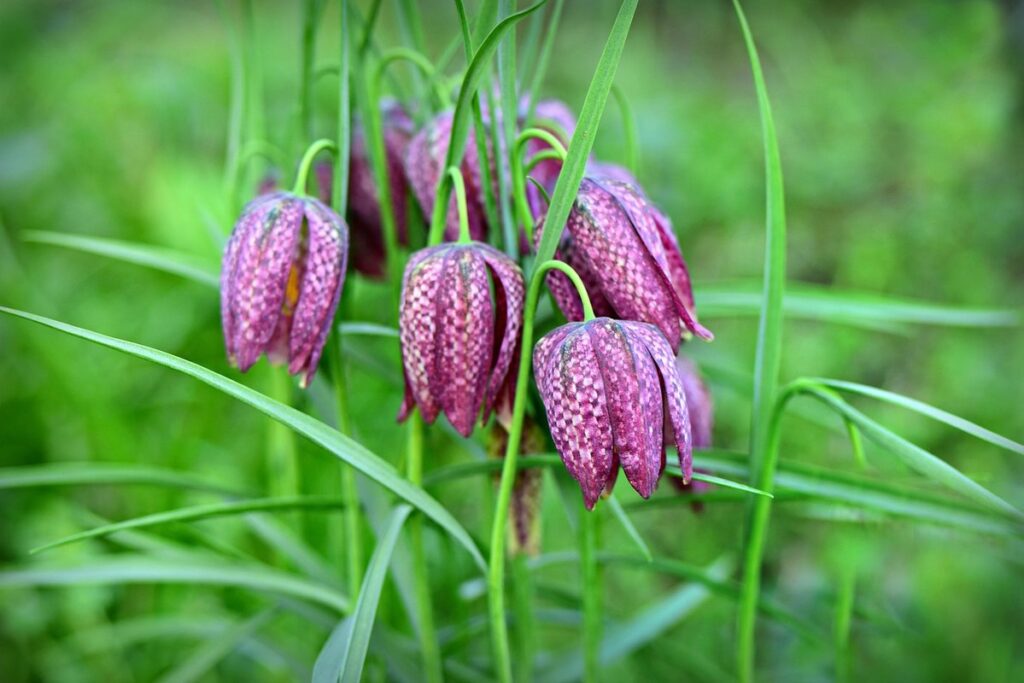
What is a Snake Plant Flower?
You might be wondering what exactly a snake plant flower looks like, and whether it even blooms at all. Let’s take a closer look at these rare yet beautiful sights.
Definition and Explanation
A snake plant flower is the inflorescence of the Sansevieria plant, which belongs to the Asparagaceae family. Botanically speaking, the correct name for this plant is Dracaena trifasciata, though it’s still widely referred to as Sansevieria by many enthusiasts and horticulturists.
When a snake plant flower blooms, it typically appears on mature plants that are at least 5-7 years old. The inflorescence grows from the center of the plant, rising above the leaves, often reaching heights of up to 6 feet or more in optimal conditions. This flowering process is usually triggered by high light levels and warmer temperatures.
The flowers themselves are small, waxy, and star-shaped, typically pale greenish-yellow in color with a slight blue undertone. They tend to form clusters at the tips of long stalks, giving them an airy appearance. When the plant finally produces its flowers, it usually indicates that it’s received optimal care conditions, making this event a welcome sign for snake plant enthusiasts who often strive to encourage blooming.
Keep in mind that not all Sansevieria plants will produce flowers, and some may only bloom once before dying off naturally.
Distinction from Other Plants
One of the most notable aspects of the snake plant flower is its distinct characteristics that set it apart from other plants. Unlike many flowering plants that rely on external factors like climate and soil to bloom, the snake plant can thrive in a wide range of conditions and still produce beautiful flowers.
The growth habit of the snake plant flower is also unique compared to other plants. It tends to grow taller and thinner as it matures, producing long stems with leaves that are narrower towards the top. This allows for maximum sunlight exposure and helps the plant conserve water during dry spells. In contrast, many flowering plants have broad leaves or thick stems that can make them more susceptible to disease and pests.
Another key difference is that snake plant flowers bloom infrequently compared to other plants. When they do bloom, the flowers are typically white or greenish-white in color and resemble a series of tiny bells. This unique combination of characteristics makes the snake plant flower stand out from other flowering plants.
Types of Snake Plant Flowers
You’re probably curious to know that snake plants can produce a variety of flowers, ranging from white and yellow blooms to purple and red varieties. Let’s take a closer look at these gorgeous types together!
Mother-in-Law’s Tongue Varieties
When it comes to the wonderful world of snake plants, you’ll find that there are several varieties that offer unique characteristics and benefits. One of the most popular types is the Mother-in-Law’s Tongue (Sansevieria Trifasciata), but did you know that this plant has several siblings with distinct features?
For example, the ‘Laurentii’ variety boasts beautiful yellow edges on its leaves, adding a pop of color to any room. On the other hand, the ‘Hahnii’ variety is known for its compact growth habit and small, rounded leaves. Some varieties, like ‘Cylindrica’, have upright sword-shaped leaves that can grow up to 3 feet tall.
When selecting a Mother-in-Law’s Tongue variety, consider your lifestyle and the specific needs of the plant. If you’re looking for a low-maintenance option, the ‘Hahnii’ might be the way to go. However, if you want a statement piece with bright yellow accents, the ‘Laurentii’ is an excellent choice.
In addition to their unique features, some varieties are more tolerant of neglect than others. The ‘Cylindrica’, for instance, can survive with minimal watering and care. By choosing the right variety for your needs, you’ll be well on your way to becoming a snake plant pro!
Trailing and Compact Varieties
When it comes to adding some visual interest to your indoor space with snake plant flowers, there are two popular types you should consider: trailing and compact varieties. These unique growth habits not only provide an attractive aesthetic but also offer low-maintenance options for indoor gardeners.
Trailing snake plant flowers, such as ‘Moonshine’ or ‘Lilacina’, cascade beautifully from hanging baskets or containers, creating a stunning display of color. With their elongated leaves and delicate white or pastel-colored blooms, these plants are perfect for adding a whimsical touch to your space. To care for trailing varieties, ensure you provide them with plenty of indirect light and water sparingly, as overwatering can lead to root rot.
On the other hand, compact snake plant flowers like ‘Hahnie’ or ‘Rubra’ produce shorter stems with more densely packed leaves. These plants are ideal for small spaces or when you want a more contained look. To maintain their shape, prune regularly and fertilize sparingly during the growing season. With proper care, these compact varieties can thrive in a variety of lighting conditions, making them perfect for indoor spaces with limited natural light.
Snake Plant Flower Care
When your snake plant finally blooms, you’ll want to make sure you’re providing it with the right conditions to thrive. This means knowing how to care for its delicate flowers.
Lighting Requirements
To coax your snake plant into blooming, you’ll need to provide it with the right amount of light. While snake plants are known for their ability to thrive in low-light conditions, they do require more intense light to produce flowers.
Ideally, your snake plant should receive bright, indirect light for 4-6 hours a day. This can be achieved by placing the plant near an east- or west-facing window, which provides gentle, filtered light without being too harsh. Avoid direct sunlight, as it can cause the leaves to become scorched and reduce flowering.
If you’re struggling to provide your snake plant with enough indirect light, consider using sheer curtains or blinds to filter the sun’s rays. You can also move the plant outside during the spring and summer months when the days are longer, but make sure to bring it back inside before the first frost.
Remember, even with the right lighting, blooming is not guaranteed. Snake plants typically produce flowers only when they’re mature and under certain environmental conditions. However, by following these guidelines, you’ll be well on your way to creating an environment conducive to blooming.
Watering and Humidity
When it comes to encouraging snake plant flowers to bloom, proper watering and humidity levels are crucial. Snake plants prefer dry to medium moisture, so overwatering can lead to root rot and prevent blooms from forming. To avoid this, allow the soil to dry slightly between waterings, but make sure not to let it get too parched.
Maintaining optimal humidity levels is also vital for snake plant flowers. The ideal humidity range for these plants is between 40-60%. You can achieve this by placing the plant on a tray filled with water and pebbles or using a humidifier nearby. Some snake plant species, like ‘Samurai’ and ‘Lilacina’, are more sensitive to humidity levels than others.
To ensure your snake plant receives the right amount of moisture, check the soil regularly by sticking your finger into it up to the first knuckle. If the soil feels dry, it’s time for a drink. By paying attention to these subtleties and adjusting your watering schedule accordingly, you’ll be well on your way to coaxing those beautiful blooms out of your snake plant.
Fertilization and Pruning
When it comes to promoting blooming in your snake plant, fertilization plays a crucial role. Snake plants are heavy feeders and require regular fertilizing to produce flowers. Use a balanced, water-soluble fertilizer (20-20-20) during the growing season (spring and summer). Dilute the fertilizer to half the recommended strength to prevent burning the roots.
Pruning is also essential for maintaining your snake plant’s shape and encouraging flowering. Remove any dead or damaged leaves to prevent the spread of disease and encourage new growth. Cut back overgrown stems to about an inch from the base, as this will promote branching and increase the chances of blooming. Make clean cuts just above a node (the point where a leaf meets the stem) using sharp, sterile pruning tools.
By fertilizing your snake plant regularly and pruning it correctly, you’ll be creating an environment that promotes healthy growth and encourages those beautiful flowers to bloom. Remember to repot your snake plant every 2-3 years to provide fresh soil and give the roots room to grow, which can also stimulate flowering.
Benefits of Having a Snake Plant Flower
While snake plants are primarily known for their leaves, their flowers bring a unique set of benefits to your space and well-being. In this section, we’ll explore these advantages in more detail.
Air Purification and Health Benefits
One of the most significant advantages of having a snake plant flower is its ability to purify the air and promote overall well-being. These plants are renowned for their capacity to remove toxic substances from the air, such as formaldehyde, benzene, and trichloroethylene, which can have negative impacts on both physical and mental health.
By removing these pollutants, snake plants can help alleviate symptoms of stress and anxiety, improve sleep quality, and even boost energy levels. Studies have shown that exposure to clean air can significantly reduce cortisol levels in the body, leading to a sense of calmness and relaxation. In fact, research conducted by NASA found that snake plants were one of the most effective plants at removing airborne pollutants.
To maximize the health benefits of your snake plant flower, place it in an area with moderate to bright indirect light and water sparingly, allowing the soil to dry out between waterings. By incorporating this low-maintenance plant into your space, you can reap its many rewards while also improving indoor air quality.
Aesthetic Value and Interior Design
Snake plant flowers can be a stunning addition to indoor spaces, adding a touch of elegance and visual interest. Their sleek, upright blooms come in a range of colors, from pure white to rich coral, making them a versatile choice for any interior design style.
One way to incorporate snake plant flowers into your space is by placing them on a console table or sideboard as a centerpiece. This creates a beautiful focal point that draws the eye and adds depth to the room. Alternatively, you could hang a vase with a few stems from the ceiling or place it on a high shelf to create a striking visual display.
When choosing where to put your snake plant flowers, consider the color palette of the surrounding space. For example, if your walls are painted a rich blue, you may want to choose a white or pale-colored bloom to create contrast. On the other hand, if your furniture is bold and colorful, you could opt for a bolder, more vibrant flower to tie everything together.
By incorporating snake plant flowers into your interior design, you can add a touch of natural beauty and visual interest to even the most mundane spaces.
Common Issues with Snake Plant Flowers
If you’re experiencing problems with your snake plant flowers, don’t worry – we’ve got some common issues covered to help you troubleshoot and get back on track. From yellowing blooms to no flowers at all, we’ll explore potential causes and solutions.
Lack of Blooms or Slow Growth
If you’re experiencing issues with your snake plant’s blooms, it may be due to inadequate light. Snake plants typically thrive in bright, indirect light, but direct sunlight can cause the leaves to become scorched and prevent blooming. If you live in a region with intense sun, consider using sheer curtains or blinds to filter the light.
On the other hand, overwatering is another common issue that can lead to slow growth or no blooms at all. Snake plants prefer well-draining soil and should be watered sparingly, allowing the soil to dry out between waterings. Check your plant’s moisture levels by sticking your finger into the soil up to the first knuckle.
To troubleshoot, inspect your plant for signs of underwatering or overwatering. If the leaves are pale or wilted, it may be due to lack of water. Conversely, if the roots are rotting or the leaves are soft and mushy, you’re likely watering too frequently. Adjust your watering schedule accordingly, and provide your snake plant with a balanced fertilizer during the growing season for optimal blooming potential.
Pests and Diseases
Pests and diseases can be a significant issue for snake plant flowers, affecting their appearance and overall health. Mealybugs, spider mites, and scale insects are common pests that feed on the sap of the plant, causing yellowing leaves and stunted growth. To prevent infestations, ensure good air circulation around your plant, and inspect it regularly for any signs of pests.
If you do find pests, treat them promptly with insecticidal soap or neem oil. For mealybugs, gently wipe the affected areas with a damp cloth to remove excess bugs. Scale insects can be treated by applying a systemic insecticide directly to the leaves.
Diseases like root rot and leaf spot are often caused by overwatering, which is common when growing snake plant flowers indoors. To prevent these issues, allow the soil to dry out slightly between waterings, and repot your plant every 2-3 years to refresh the soil.
Some signs of disease include soft, mushy stems or leaves with black spots. If you notice any of these symptoms, treat your plant with a fungicide specifically designed for indoor plants.
Conclusion
As we wrap up our comprehensive guide, let’s take a final look at what you’ve learned and how to apply it to your own snake plant care routine successfully.
Recap of Key Points
In summary, we’ve covered all aspects of the snake plant flower, from its unique characteristics to its care requirements and benefits. Let’s recap the key points:
Snake plants are known for their striking blooms that can last for several weeks, adding a pop of color to any room. These flowers also produce nectar-rich spurs that attract pollinators like bees and butterflies. To encourage blooming, snake plants require bright indirect light, temperatures between 65-75°F (18-24°C), and infrequent watering.
Proper care can help your snake plant thrive, but it’s essential to note that over-watering is the most common cause of death for these plants. On the other hand, under-watering can lead to weak and leggy growth. To strike a balance, allow the soil to dry out slightly between waterings.
The benefits of snake plants are numerous, including air purification, stress relief, and improved sleep quality. With their low-maintenance requirements, they’re perfect for busy people or those new to plant parenthood. By following these tips and understanding the unique needs of your snake plant, you can enjoy its beauty and benefits for years to come.
Final Tips for Encouraging Blooms
Encouraging snake plant flowers to bloom can be a rewarding experience, especially for indoor gardeners. As you’ve learned throughout this comprehensive guide, these plants are known for their low-maintenance requirements and ability to thrive in various environments. However, there are some additional tips that can help encourage your snake plant flower to bloom.
To start, make sure your snake plant is receiving sufficient light. While they can tolerate a range of lighting conditions, bright indirect light is essential for flowering. Place the plant near an east- or west-facing window to achieve this balance.
Also, ensure you’re providing enough water and nutrients. A balanced fertilizer during the growing season will promote healthy growth, which in turn supports blooming. Avoid overwatering, as this can lead to root rot and negatively impact flowering.
Another crucial aspect is temperature control. Most snake plants prefer temperatures between 65°F to 75°F (18°C to 24°C), with a slight drop in temperature during the winter months. This natural fluctuation will encourage your plant to focus its energy on blooming.
Lastly, patience plays a significant role. Snake plant flowers are not as showy as some other houseplants, but they still require time and care to bloom. With consistent conditions, proper care, and a little luck, you may soon be enjoying the delicate white blooms of your snake plant.
Frequently Asked Questions
Can I force a snake plant to bloom if it’s too young or hasn’t reached maturity yet?
Unfortunately, no. Snake plants typically take around 5-7 years to mature before they produce flowers. Attempting to force blooming can be detrimental to the plant’s health and may not yield successful results.
How often should I repot my snake plant after it blooms for optimal growth and flowering?
Repot your snake plant every 2-3 years, as this will give the roots room to expand and promote healthy growth. After blooming, prune the inflorescence to redirect energy towards leaf growth. A slightly larger pot with fresh potting mix can encourage new shoots and potentially future blooms.
Can I propagate my snake plant using the flowers or flower stalks?
No, it’s best not to use the flower stalk for propagation. Instead, remove any offsets (or “pups”) that form around the base of the mother plant. These can be carefully severed from the parent plant and potted up separately.
Will a snake plant continue to bloom regularly if I provide ideal conditions?
While proper care is essential, snake plants don’t typically bloom every year or at regular intervals. They may only produce flowers once in their lifetime, so it’s best to appreciate each blooming event as a unique occurrence.
Can snake plant flowers be used for decorative arrangements or cut flower bouquets?
Yes, the delicate white blooms can add an elegant touch to floral arrangements. However, be cautious not to damage the plant further by cutting off too much of the inflorescence. Remove the spent bloom and allow the plant to redirect its energy towards leaf growth for future potential blooms.