
The thrill of gardening can quickly turn into frustration when you notice the slimy trails left behind by snails in your garden. These tiny creatures may seem harmless, but they can cause significant damage to your plants, especially at night when they’re most active. Snail control is essential for protecting your hard-earned investment and promoting healthy plant growth. But don’t worry, I’ve got you covered. In this article, we’ll explore effective snail control methods that are easy to implement in your garden. From physical barriers and organic traps to cultural controls, we’ll dive into the best ways to keep snails at bay. Whether you’re a seasoned gardener or just starting out, these tips will help you take back control of your garden and enjoy a pest-free growing season.
The Importance of Snail Control
When it comes to snail control, understanding why it matters is crucial for protecting your garden and the work you’ve put into it. Let’s explore the key reasons snails can be a threat to your plants.
Why Do Snails Damage Gardens?
As a gardener, there’s nothing more frustrating than seeing your beautiful plants ravaged by slimy snails. But have you ever stopped to think why snails are such a problem for gardeners? The answer lies in their insatiable appetite for leaves, flowers, and fruits. Snails can consume up to 40% of a plant’s leaf tissue in just one night, leaving it vulnerable to disease and further damage.
The reasons why snails are attracted to your garden in the first place include the presence of moisture, food sources like decaying plants and fertilizers, and sheltered areas such as under rocks or in piles of debris. Snails can also reproduce quickly, with some species able to lay up to 60 eggs per clutch. This means that even if you remove a few snails from your garden, there may still be many more hiding beneath the surface.
To make matters worse, snail damage is often not immediately apparent, allowing infestations to go unchecked for weeks or even months. By the time you notice the problem, it’s already too late and the damage has been done. This highlights the importance of regular monitoring and control methods to prevent snails from becoming a nuisance in your garden.
Types of Plants Most Vulnerable to Snail Damage
Some plants are more susceptible to snail damage than others. Lettuce and spinach are prime targets for these pests, as their soft leaves make them an easy meal. Even a small snail can cause significant damage to a lettuce crop overnight.
Roses, on the other hand, are often targeted by gardeners who complain about snails eating their flowers’ petals. While this may seem like a cosmetic issue, it’s essential to address because damaged blooms can reduce plant vigor and make them more vulnerable to disease.
In addition to these popular choices, other plants like hostas, daylilies, and herbs like mint and basil are also attractive to slugs and snails. These pests often target the leaves, flowers, or even fruit of their favorite foods.
If you notice damage on your prized plants, take action quickly by removing any infested leaves or debris. Consider using physical barriers or other control methods to prevent future problems.
The Economic Impact of Snails on Gardeners
Snail infestations can have a significant economic impact on gardeners who have invested time and resources into their gardens. For many gardeners, the value of their crop is not just monetary, but also represents countless hours of hard work and dedication. When snails ravage through a garden, they can cause substantial financial losses.
The extent of these losses can vary depending on several factors such as the type of plants affected, the severity of the infestation, and the gardener’s reliance on their crop for income or sustenance. A severe snail infestation can lead to reduced yields, lower quality produce, and even complete crop failure in extreme cases.
To put these losses into perspective, consider this: a single snail can eat up to 20 times its own body weight in plant material per day. With hundreds of snails present in a garden, the damage can be catastrophic. Gardeners may end up losing not only their crops but also their investment in seeds, fertilizers, and other gardening expenses.
To minimize these losses, it’s essential for gardeners to implement effective snail control methods early on. By doing so, they can prevent the spread of snails and protect their gardens from economic damage.
Understanding Snail Behavior and Habitat
To effectively control snails in your garden, it’s essential to understand their behavior and habitat preferences. This is where learning about their habits comes into play.
How Snails Move Through Gardens
Snails are notorious for their ability to navigate through gardens with ease, often leaving behind a trail of damage and destruction. But have you ever wondered how they manage to move so effortlessly through our carefully tended plots? The answer lies in their unique physiology and behavior.
Snails are attracted to moisture, which is why they’re often found near sources of water such as birdbaths, ponds, or even dripping faucets. They can absorb moisture from the air and release excess salt from their bodies, allowing them to move freely through gardens without dehydration. This makes shaded areas, mulched beds, and moist soil perfect havens for snails.
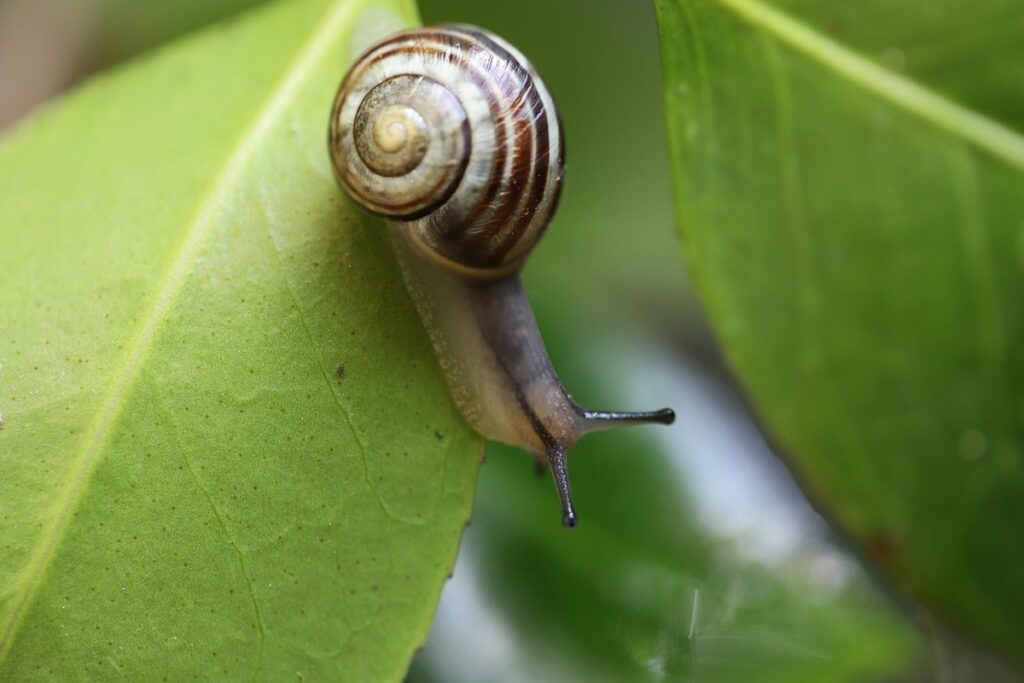
As they navigate through gardens, snails use a combination of sense organs called tentacles, which help them detect chemical cues from food sources and potential threats. They also rely on their slimy foot to move slowly but surely across surfaces, creating a trail of mucus that helps them adhere to plants and climb up walls.
When it comes to controlling snail populations in your garden, understanding their movement patterns is crucial. By identifying areas with high moisture levels and food sources, you can take targeted measures to deter snails from inhabiting these areas. This might involve removing weeds, mulching soil, or even using physical barriers to block their path.
Factors That Attract Snails to Your Garden
When it comes to understanding snail behavior and habitat, identifying the factors that attract them to your garden is crucial. Snails are drawn to gardens with specific characteristics that provide them with a suitable environment for survival and reproduction.
Climate plays a significant role in attracting snails to your garden. Warm temperatures and high humidity create an ideal breeding ground for these slimy creatures. Areas with mild winters, such as Mediterranean regions or tropical climates, tend to have a higher snail population due to the absence of harsh weather conditions that would normally kill them off.
Soil type is another key factor in attracting snails. They prefer gardens with moist, well-drained soil rich in organic matter. Snails thrive in environments where they can easily burrow into the soil and feed on decaying plant matter.
Proximity to nearby water sources also attracts snails to your garden. They need access to water for drinking, breeding, and egg-laying purposes. Even small ponds or birdbaths can become an invitation for snails to visit your garden.
Effective Control Methods for a Snail-Free Garden
Now that we’ve identified the common snail control mistakes, let’s dive into effective methods to protect your garden from these slimy pests once and for all.
Physical Barriers: Fencing and Meshing
When it comes to keeping snails out of your garden, physical barriers can be an effective and non-toxic solution. Snail-proof fencing and meshing are popular methods for protecting plants from these slimy pests. One of the most common materials used for snail fencing is wire mesh, specifically chicken wire or hardware cloth. These meshes have openings of about 1-2 inches, which snails cannot fit through.
When installing wire mesh around your garden beds, be sure to bury it at least 12 inches deep into the soil to prevent snails from crawling underneath. You can also attach the mesh to wooden stakes or a trellis for added support. Another option is to use plastic or metal edging to create a barrier between your plants and any nearby areas where snails may be present.
To further secure your garden, consider combining physical barriers with other control methods, such as copper tape around plant stems or crushed eggshells near vulnerable areas. By taking a multi-faceted approach, you can keep your garden snail-free and protect your plants from damage.
Organic Traps and Deterrents
When it comes to controlling snail populations organically, there are several effective methods you can try. One of the most popular and simple methods is using beer traps. Snails are attracted to the smell of yeast and will crawl into a container filled with beer to feed on the residue. Simply place a shallow container with beer near infested areas, cover it with a mesh or fine netting to prevent escape, and check it regularly for trapped snails.
Another effective method is using copper tape around plant stems and leaves. Snails don’t like the sensation of metal against their feet and will avoid plants treated with copper tape. You can also try placing crushed eggshells around affected areas. Snails don’t like to crawl over sharp surfaces and will be deterred from crossing through a layer of crushed eggshells.
For best results, place beer traps near moist areas where snails are most active, and reapply copper tape as needed to maintain its effectiveness. Crushing fresh eggshells will also help keep the deterrent effective for longer periods.
Integrated Pest Management (IPM) for Snails
To effectively control snail populations, it’s essential to consider an integrated approach that combines multiple methods to prevent and manage infestations. This section will explore the key components of IPM for snails in your garden.
Understanding IPM Principles
When it comes to controlling snail populations in your garden, it’s essential to understand the principles of Integrated Pest Management (IPM). IPM is a holistic approach that combines physical, cultural, biological, and chemical controls to manage pests like snails. This multi-faceted strategy recognizes that no single method can completely eliminate snails, but by combining different techniques, you can reduce their numbers and minimize harm to the environment.
At its core, IPM involves identifying the snail problem, assessing its severity, and selecting control methods based on the specific situation. For example, if snails are only a minor nuisance, physical barriers like copper tape or crushed eggshells around planters might be sufficient. However, if snails are causing significant damage, biological controls like introducing natural predators or parasites might be more effective.
By adopting an IPM approach, you can reduce your reliance on chemical pesticides and minimize the risk of environmental harm. For instance, using copper-based pesticides can kill not only snails but also other beneficial insects in the garden. By understanding and applying IPM principles, you’ll be able to manage snail populations effectively while maintaining a balanced ecosystem in your garden.
Combining Methods: A Comprehensive Approach
Combining physical barriers, traps, and repellents with cultural controls is key to achieving long-term snail control. By integrating multiple methods into a single plan, gardeners can create a comprehensive Integrated Pest Management (IPM) strategy that addresses snails from various angles.
For instance, consider a garden bed that has been plagued by snails for months. A comprehensive IPM plan might include using copper tape or crushed eggshells as physical barriers to deter snails from crossing the soil surface. At the same time, placing beer traps or bait stations containing iron phosphate can capture and eliminate any remaining snails.
In addition, cultural controls such as hand-picking snails at night, when they are most active, can be an effective way to reduce their population. This approach is especially useful in areas with high snail activity. By combining these methods, gardeners can create a holistic plan that not only manages snail populations but also reduces the risk of pest resurgence. With time and consistency, this integrated approach will lead to long-term snail control and healthier plants.
Cultural Controls for Snail Prevention
When it comes to preventing snails from taking over your garden, cultural controls are a great place to start. We’ll explore some effective methods to keep these slimy pests at bay naturally.
Soil Preparation: Aiding in Snail Repellence
When it comes to snail prevention, many gardeners overlook one crucial aspect: soil preparation. However, improper soil conditions can actually attract snails to your garden. This is because snails thrive in moist, humid environments with rich nutrient availability.
To aid in snail repellence, it’s essential to focus on proper soil maintenance. Start by testing the pH level of your soil and adjusting it if necessary. Most vegetables prefer a slightly acidic to neutral soil pH (around 6.0-7.0). Ensure your soil has good drainage to prevent waterlogging, which snails love. You can add organic matter like compost or manure to improve soil structure and fertility.
Regularly inspect your soil for compacted areas, which can create ideal snail habitats. Use a fork to gently aerate the soil, loosening any compacted sections. By maintaining healthy soil conditions, you’ll be creating an environment that’s less appealing to snails.
Encouraging Beneficial Organisms
When it comes to snail control, many gardeners focus on barriers, traps, and repellents. However, creating a balanced ecosystem can be just as effective in reducing snail populations. Beneficial organisms such as ground beetles, birds, and hedgehogs are natural predators of snails and can be encouraged through habitat creation and conservation practices.
To attract these beneficial organisms to your garden, start by providing food and shelter for them. For example, plant a mix of native wildflowers that provide nectar and pollen for pollinators and other beneficial insects. Leave some areas of the garden unmanicured, with leaf litter and branches intact, as these will provide habitat for ground beetles and hedgehogs.
Birds are also natural snail predators and can be encouraged by installing a birdhouse or feeder near your garden. Consider using bird-friendly plants in your garden, such as shrubs that produce berries or seeds, to attract birds and other beneficial organisms. By creating a balanced ecosystem, you’ll not only reduce the snail population but also create a healthier and more diverse garden environment.
Monitoring and Maintaining a Snail-Free Garden
Now that you’ve learned how to control snails, let’s talk about keeping your garden safe from these slimy pests long-term. Regular monitoring and maintenance are crucial for a snail-free garden.
Regular Inspections: Catching Snail Issues Early
Regular inspections are essential for catching snail issues early on. By monitoring your garden regularly, you can identify potential snail problems before they escalate into significant damage. This proactive approach not only saves you time and effort but also reduces the economic impact of snail infestations.
To start, schedule regular garden walks at least once a week during peak snail seasons (usually spring and fall). Inspect plants for any signs of snail activity, such as holes in leaves, chewed stems, or trails of slime. Pay particular attention to areas with high humidity and moisture retention, as these conditions are ideal for snails.
When inspecting your garden, keep an eye out for other snail-related indicators, like egg clusters on plants or nearby surfaces. Snails typically lay eggs at night and cover them with debris, so be sure to check for any hidden clusters. By catching snail issues early, you can implement targeted control methods and prevent further damage to your plants.
Maintenance Tips to Prevent Future Infestations
To prevent future snail infestations in your garden, it’s essential to maintain a healthy and balanced environment. Pruning is an effective maintenance tip that can help deter snails from feeding on plants. Regular pruning encourages bushy growth, making it more difficult for snails to navigate through dense foliage. Remove any weeds or debris that may provide shelter and food for snails.
Mulching around plants also helps deter snails by creating a barrier between them and the soil. Organic mulch like straw or bark chips can be applied 2-3 inches thick around plant bases, preventing snails from reaching their preferred feeding spots. Proper irrigation practices are another crucial aspect of maintenance. Avoid overwatering, as it creates an ideal environment for snails to thrive.
Water plants in the morning to allow excess moisture to evaporate before nightfall when snails tend to be active. By implementing these simple maintenance tips, you can significantly reduce the likelihood of future snail infestations and maintain a healthy, balanced garden ecosystem.
Conclusion: Achieving Snail Control in Your Garden
In conclusion, achieving snail control in your garden requires a combination of understanding their habits, identifying entry points, and implementing effective methods to deter them. By now, you should have a solid grasp on how to identify snails, recognize the signs of infestation, and choose from a variety of control methods that suit your garden’s needs. Remember to always consider non-toxic and humane approaches before resorting to chemical pesticides or physical barriers. It’s also essential to be patient and persistent in your efforts, as snail populations can take time to manage. By adopting a long-term approach and staying vigilant, you’ll be well on your way to protecting your garden from these slimy pests.
Frequently Asked Questions
What’s the best time to set up snail control measures in my garden?
It’s essential to implement snail control methods before the snails become a significant problem. Consider setting up barriers or traps during early spring when snails are most active, and before new plant growth begins.
How can I monitor for snails without disturbing other beneficial organisms in my garden?
To effectively monitor for snails without disrupting beneficial organisms, use a combination of sticky traps, baited traps, and regular inspections at night. This will help you identify snail hotspots and target your control efforts without harming other creatures.
Can I combine physical barriers with organic deterrents for more effective snail control?
Yes! Combining physical barriers like fencing or meshing with organic deterrents such as copper tape, crushed eggshells, or soap solutions can create a robust snail control system. This multi-faceted approach will help prevent snails from entering your garden and deter them from feeding on plants.
How often should I inspect my garden for signs of snail activity?
Regular inspections are crucial to maintaining a snail-free garden. Check your plants regularly, especially at night when snails are most active. Look for slimy trails, holes in leaves, and other signs of snail damage. Adjust your control measures as needed based on the severity of the infestation.
Can I use companion planting to repel snails from my garden?
Yes! Some plants, such as marigolds, basil, and mint, are known to repel snails due to their strong scents or flavors. Incorporate these plants into your garden design to create a natural barrier against snails. However, keep in mind that companion planting may not be 100% effective and should be used in conjunction with other control methods.