
Are you tired of dull foliage in your garden? Golden shrubs are here to brighten up your outdoor space while requiring minimal maintenance. These stunning plants bring a pop of color and energy to any landscape design. But, did you know that small shrubs with golden foliage offer more than just visual appeal? They can also add texture and depth to your garden beds.
In this article, we’ll explore the benefits of incorporating small shrubs with golden foliage into your garden design. You’ll discover low-maintenance options perfect for busy gardeners and expert tips on growing healthy plants that thrive in various conditions. Whether you’re a seasoned gardener or just starting out, our guide will show you how to choose and care for these beautiful plants, transforming your outdoor space into a vibrant oasis.
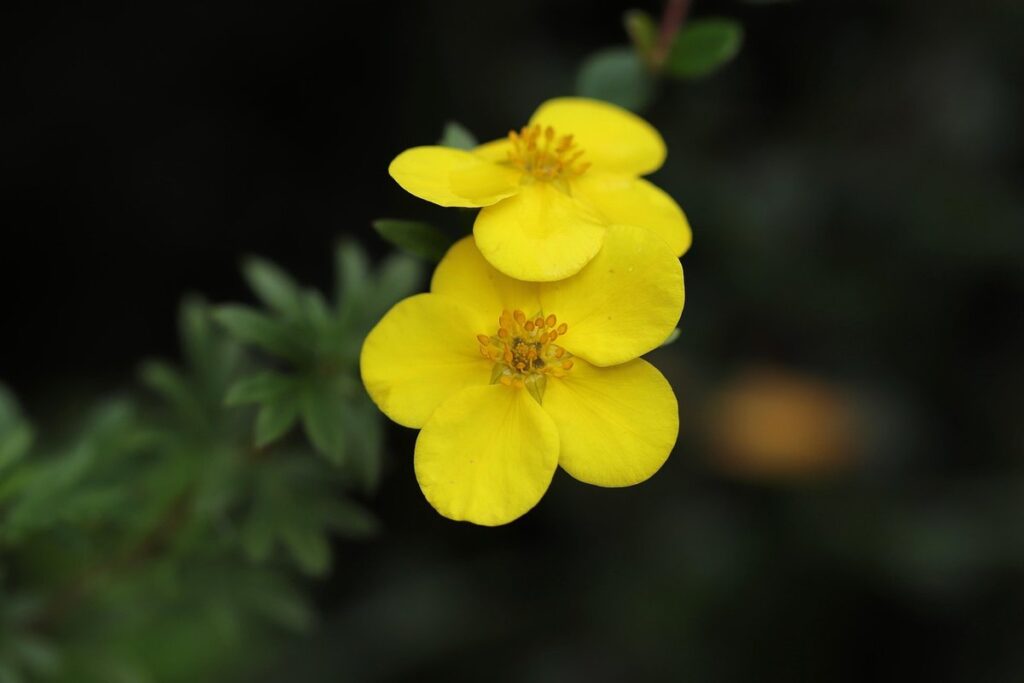
Section 1: Introduction to Golden Leafed Shrubs
Welcome to our comprehensive guide to small shrubs with golden foliage, and let’s start by exploring what makes these unique plants so special in this first section.
Benefits of Using Golden Foliage in Landscaping
Incorporating golden foliage into your garden design can bring numerous benefits and advantages. One of the most significant advantages is increased visual interest, as golden leaves add a pop of color to an otherwise dull landscape. This is particularly true during the winter months when other plants have lost their vibrancy.
Golden foliage shrubs also provide year-round color, adding a touch of warmth and elegance to your garden throughout the seasons. For instance, some species like Golden Barberry (Berberis thunbergii ‘Aurea’) retain their golden hue even in extreme cold temperatures, ensuring that they remain vibrant even during the coldest months.
In addition to aesthetic appeal, golden foliage shrubs are often low-maintenance and drought-tolerant, making them perfect for busy gardeners or those living in areas with limited water supply. For example, Golden Yew (Taxus x media ‘Aureovariegata’) is an excellent choice for dry climates as it requires minimal watering to thrive.
By incorporating golden foliage into your garden design, you can add depth and visual interest while enjoying year-round color.
Importance of Choosing the Right Plant for Your Climate
When choosing small shrubs with golden foliage for your garden, it’s essential to consider the climate and its impact on the plant’s survival. Climate plays a crucial role in determining which shrub will thrive in your area.
Temperature tolerance is one of the most critical factors to consider when selecting a golden leafed shrub. Some plants can’t handle extreme temperatures or may require protection during harsh winter months. For instance, shrubs like the Golden Privet (Ligustrum ovalifolium ‘Aureum’) and Golden Spirea (Spiraea japonica) are relatively hardy but still need protection from extreme cold. In contrast, plants like the Golden Japanese Maple (Acer palmatum var. atropurpureum) prefer warmer temperatures and may not be suitable for colder climates.
In addition to temperature tolerance, moisture requirements also play a significant role in shrub selection. Some golden leafed shrubs are drought-tolerant, while others require consistent watering. Understanding your local climate will help you choose the right plant that can thrive with minimal maintenance. Research your local climate and consider plants that match your region’s conditions to ensure they receive the necessary care for optimal growth.
Section 2: Types of Shrubs with Golden Foliage
Let’s dive into some popular types of shrubs that showcase stunning golden foliage, from compact choices for small gardens to larger varieties for a bigger impact. We’ll explore each option in more detail below.
Golden Privet (Ligustrum ovalifolium ‘Aureum’)
Golden Privet (Ligustrum ovalifolium ‘Aureum’) is a compact shrub that’s perfect for adding a touch of golden charm to small gardens. This shrub grows up to 6-8 feet tall and wide, making it an excellent choice for hedges or borders. Its oval-shaped leaves have a beautiful golden variegation, which remains vibrant throughout the growing season.
When it comes to care, Golden Privet prefers well-drained soil and full sun to partial shade. Water regularly during its first year of growth, but avoid overwatering as this can lead to root rot. Prune your Golden Privet in late winter or early spring to maintain a compact shape and encourage new growth.
Be on the lookout for potential pests like scale and mealybugs, which can be controlled with insecticidal soap. Regularly inspect your plant for signs of disease such as yellowing leaves or black spots, and treat promptly if necessary. With proper care, Golden Privet is a relatively low-maintenance shrub that will provide years of golden beauty in your garden.
Golden Yew (Taxus baccata ‘Aurea’)
The Golden Yew (Taxus baccata ‘Aurea’) is a stunning addition to any garden, boasting golden-tinged foliage that adds warmth and visual interest to shaded areas. This compact shrub thrives in conditions where many other plants struggle, making it an excellent choice for gardens with limited sunlight.
When it comes to hardiness, the Golden Yew is incredibly resilient, tolerating temperatures as low as -20°C (-4°F) and even surviving with minimal watering once established. Its slow growth rate means it requires minimal maintenance, making it perfect for busy gardeners or those new to landscaping.
One of the standout features of the Golden Yew is its ability to thrive in shaded areas, where many other plants would falter. This makes it an ideal choice for gardens with dense tree cover or limited sunlight. Simply plant your Golden Yew in a well-draining soil mix and enjoy its golden beauty for years to come.
In terms of visual appeal, the Golden Yew is truly unmatched. Its golden foliage provides a striking contrast to darker greens, adding depth and interest to any garden bed. Whether you’re looking to add some golden glow or simply create a low-maintenance landscape, the Golden Yew is an excellent choice.
Section 3: Choosing Shrubs Based on Maintenance Needs
When selecting a small shrub with golden foliage, it’s essential to consider how much maintenance you’re willing and able to commit to ensuring its health and appearance. This section will help you choose the perfect shrub for your needs.
Low-Maintenance Options for Busy Gardeners
If you’re a busy gardener or just starting out with landscaping, finding shrubs that fit your maintenance schedule is essential. Among small shrubs with golden foliage, some varieties stand out for their low-maintenance needs.
The Golden Threadleaf (Spiraea japonica ‘Goldflame’) and the Gold Flame Spirea are perfect examples of shrubs with striking golden foliage that can thrive in conditions with minimal watering and pruning requirements. These plants are forgiving if you forget to water them occasionally, but they’ll still deliver vibrant colors throughout the growing season.
Another excellent option for busy gardeners is the Golden Dwarf Korean Lilac (Syringa ‘Palibin’). This shrub requires only occasional pruning, usually after blooming in late spring or early summer. It’s also relatively pest- and disease-resistant, reducing the need for additional care.
To incorporate these low-maintenance options into your garden, be sure to plant them in well-draining soil with full sun to partial shade, depending on the specific variety’s requirements. With proper placement, you can enjoy the beauty of small shrubs with golden foliage without sacrificing too much time or effort.
High-Maintenance Options for Those Who Want a Challenge
If you’re an experienced gardener looking for a challenge, you’ll love these high-maintenance shrubs with golden foliage. These shrubs demand regular pruning to maintain their shape and encourage new growth, which can be time-consuming but rewarding.
Shrubs like Golden Ramanas Rose (Rosa ‘Ramanas’ ) and Golden Barberry (Berberis thunbergii ‘Aurea’) require regular fertilization to promote healthy growth and prevent nutrient deficiencies. Fertilize them in early spring with a balanced, slow-release fertilizer, following the manufacturer’s instructions.
Pest control is also essential for these shrubs, as they can be susceptible to aphids, scale, and spider mites. Regularly inspect your plants for signs of infestation, and treat promptly with insecticidal soap or neem oil if necessary.
By providing the right care and attention, you’ll be rewarded with stunning displays of golden foliage that add a touch of elegance to any garden. With patience and dedication, even the most high-maintenance shrubs can thrive under your care.
Section 4: Designing with Golden Foliage in Mind
When designing a garden featuring small shrubs with golden foliage, it’s essential to consider how these vibrant plants will interact with their surroundings. Here, we’ll explore key design principles for incorporating golden-foliaged shrubs into your outdoor space.
Creating a Focal Point with Statement Shrubs
When designing with golden foliage in mind, incorporating statement shrubs is an excellent way to create visual interest and draw attention to specific areas of the garden. To make the most of these shrubs, consider using them as a focal point in your design.
Start by identifying a spot where you’d like to create a statement piece – it could be a border, hedge, or even a container on a patio. Choose a small shrub with golden foliage that will thrive in that location and add a pop of color. For instance, try pairing the vibrant golden leaves of a ‘Golden Barometer’ Forsythia with some complementary greenery like boxwood.
To maximize visual impact, place your statement shrubs at the back or center of a border to create a sense of depth. Alternatively, use multiple smaller shrubs in a row to create a gradient effect that draws the eye through the planting. Don’t forget to balance out the golden foliage with some neutral elements to prevent overwhelming the senses – this will keep the overall design feeling harmonious and visually appealing.
Balancing Golden Foliage with Neutrals and Bold Colors
When working with small shrubs that boast stunning golden foliage, it’s essential to balance their vibrant tones with complementary colors, textures, and patterns. This allows you to create visually appealing and harmonious gardens that showcase the beauty of these plants.
To achieve this balance, start by selecting neutral-colored plants that won’t compete with the golden hues. Soft blues, gentle purples, or creamy whites are perfect for creating a soothing background that lets your golden-foliaged shrubs take center stage. Consider pairing them with textured elements like stone or wood accents to add depth and visual interest.
For bolder statements, incorporate rich jewel-toned colors like emerald green or sapphire blue to create stunning contrasts. These bold colors will not only draw attention but also create a beautiful yin-yang effect that harmonizes with the warm tones of your golden-foliaged shrubs.
Section 5: Tips for Growing Healthy Shrubs with Golden Foliage
To grow healthy shrubs with stunning golden foliage, you’ll want to focus on providing the right conditions and care for these beautiful plants. In this next section, we’ll share expert tips to help you succeed.
Watering and Soil Requirements
When it comes to watering and soil requirements for shrubs with golden foliage, there are some key factors to consider. First, let’s talk about soil moisture levels. These shrubs generally prefer well-draining soil that’s neither too wet nor too dry. Check the soil daily by inserting your finger into the top 2-3 inches of soil; if it feels dry, it’s time to water.
The ideal pH range for most shrubs with golden foliage is between 6.0 and 7.0. However, some species may prefer slightly acidic or alkaline conditions, so research specific requirements for your plant. For example, the Golden Euonymus prefers a slightly acidic soil pH of around 5.5.
Root depth also plays a crucial role in watering. Shrubs with deep roots will require less frequent watering, while those with shallow roots will need more regular moisture. Be mindful of this when planting and adjust your watering schedule accordingly. A good rule of thumb is to water deeply but infrequently to encourage deep root growth. This will help your shrub develop a robust root system that can withstand drought conditions.
Mulching and Pruning Techniques
To ensure that your small shrubs with golden foliage thrive, it’s essential to implement effective mulching and pruning techniques. Mulching helps retain moisture in the soil, suppresses weeds, and regulates soil temperature. Opt for organic mulch like wood chips or bark, as they decompose slowly and provide a natural barrier against pests and diseases.
When applying mulch, keep a 2-3 inch layer around the base of your shrubs, maintaining a few inches’ distance from the stem to prevent rotting. Replenish the mulch annually to maintain its effectiveness.
Pruning is another crucial aspect of maintaining healthy growth and encouraging blooming in small shrubs with golden foliage. Prune them in late winter or early spring, removing any dead, diseased, or damaged branches. This will promote air circulation, prevent the spread of diseases, and stimulate new growth. For specific pruning techniques, consider the type of shrub you’re working with: for example, trim back leggy stems on flowering shrubs to encourage more blooms.
Be cautious not to over-prune, as this can cause stress to your shrubs. Prune only what’s necessary, focusing on maintaining shape and promoting healthy growth.
Section 6: Common Problems and Pests of Shrubs with Golden Foliage
As you enjoy your golden-leaved shrubs, it’s essential to be aware of potential issues that might affect their health. This section highlights common problems and pests to watch out for.
Dealing with Aphids, Whiteflies, and Spider Mites
When it comes to maintaining small shrubs with golden foliage, one of the common problems you may encounter is pest infestations. Three of the most notorious pests that target these beautiful plants are aphids, whiteflies, and spider mites.
Aphids, small sap-sucking insects, can be identified by their soft, pear-shaped bodies and waxy secretions on the leaves. They can cause curled or distorted leaves, stunted growth, and a sticky substance called honeydew that attracts other pests. To control aphid infestations, use neem oil or insecticidal soap according to the product’s instructions.
Whiteflies are similar to aphids in appearance but are actually tiny flying insects that feed on plant sap. They can spread diseases like yellowing leaves and stunted growth. For whitefly control, introduce natural predators like ladybugs or lacewings, or use a pyrethrin-based spray.
Spider mites are microscopic arachnids that feed on plant cells, causing yellowing or bronzing of the leaves. Check for fine webbing on the undersides of leaves to confirm their presence. To control spider mites, increase humidity around your plants and spray them with water, followed by a mild soap solution.
Keep in mind that regular inspections and prompt action are key to preventing pest infestations. Regularly inspect your plants, looking for signs like sticky honeydew, curled or distorted leaves, or fine webbing on the undersides of leaves.
Common Diseases Affecting Golden Leafed Shrubs
Diseases can be detrimental to golden leafed shrubs, and it’s essential to identify them early on to prevent severe damage. Root rot is a common issue that arises from overwatering, leading to the decay of roots and eventually killing the plant. To combat this, ensure you’re not watering your shrubs too frequently and check the soil moisture before each watering session.
Leaf spot diseases, such as Septoria leaf spot or Cercospora leaf spot, typically appear on older leaves, displaying black or brown spots with yellowish halos. Maintaining good air circulation around your plants can help prevent these diseases by reducing humidity levels that favor fungal growth. Fungicides can also be applied to affected areas for treatment.
Powdery mildew is another prevalent disease affecting golden leafed shrubs, caused by fungi that coat the leaves in a white or grayish powder. To prevent powdery mildew, ensure your plants receive sufficient sunlight and air circulation, as well as avoid watering them during peak sun hours when water might sit on the leaves.
Prevention is key to managing these diseases; regular inspections for signs of disease can help you catch issues early.
Frequently Asked Questions
Can I grow golden foliage shrubs in containers?
Yes, you can grow golden foliage shrubs in containers, but make sure to choose a container that is at least 12-18 inches deep to accommodate the roots of the plant. Also, use a well-draining potting mix and a large enough container to prevent root bound issues. This will ensure your golden leafed shrub thrives in its new home.
How do I protect my golden foliage shrubs from extreme weather conditions?
To protect your golden foliage shrubs from extreme weather conditions, such as heavy rain or intense sunlight, provide them with some shade during the hottest part of the day and ensure good air circulation around the plants. Mulching around the base of the plant can also help retain moisture in the soil and prevent weed growth.
Can I combine different types of golden foliage shrubs together?
Yes, you can combine different types of golden foliage shrubs together to create a visually interesting landscape design. Just remember to choose shrubs with similar growing conditions and maintenance requirements to ensure they thrive together. For example, combining Golden Privet (Ligustrum ovalifolium ‘Aureum’) with Golden Yew (Taxus baccata ‘Aurea’) can add depth and texture to your garden beds.
How often should I water my golden foliage shrubs?
Watering frequency will depend on the specific climate, soil type, and plant variety. As a general rule of thumb, water your golden foliage shrubs when the top 2-3 inches of soil feel dry to the touch. Avoid overwatering, which can lead to root rot and other problems.
Can I prune my golden foliage shrubs in the fall or winter?
Yes, you can prune your golden foliage shrubs during the fall or winter months, but be careful not to remove too much foliage at once, as this can shock the plant. It’s best to prune in small increments over several weeks to allow the plant to recover and adjust to its new shape. Pruning in the dormant season can also help control pests and diseases that may have been present during the growing season.