
Are you looking to create a haven that’s not just beautiful, but also teeming with life? A small butterfly garden is the perfect way to do just that. These tiny oases can be a true delight for both you and your visitors, as they attract an array of colorful butterflies with their carefully chosen plants and water features. But where do you start when designing one? With so many native plant species and decorative elements to choose from, it’s easy to feel overwhelmed.
In this article, we’ll break down the key components of a thriving small butterfly garden design plan, including the must-have plants that butterflies love, tips for incorporating water features and other decorative elements, and expert advice on how to create an inviting space that will draw in these winged visitors all season long.
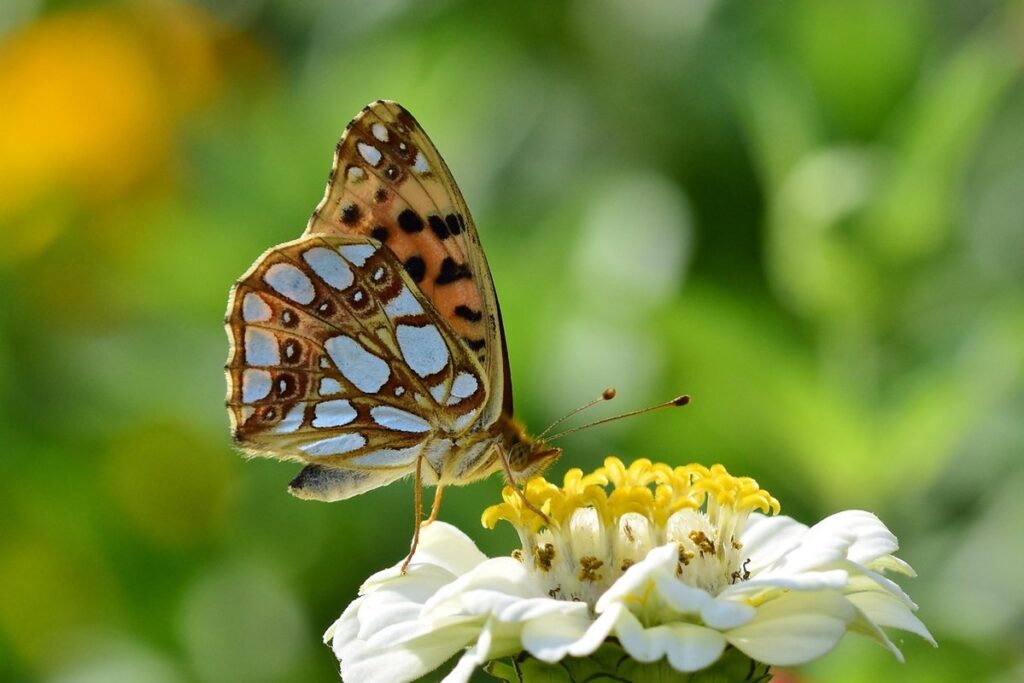
Planning Your Butterfly Garden
Now that you have a solid idea of what kind of butterfly garden you want, let’s dive into planning its layout and design to attract these beautiful creatures. We’ll walk through essential steps for creating an inviting space.
Choosing the Perfect Location
When it comes to creating a small butterfly garden, one of the most crucial elements is choosing the perfect location. As we discussed earlier, butterflies are drawn to warmth and sunlight, so it’s essential to select a spot that receives plenty of both.
Look for an area that gets at least 6 hours of direct sunlight per day, but be mindful of the time of year and your specific climate. In warmer regions, you may want to consider a spot with partial shade to avoid overheating during the hottest months.
Consider the orientation of your garden as well – south-facing spots are usually ideal for butterfly gardens, while north-facing areas tend to be cooler. Also, keep in mind that butterflies need a warm surface to land on and roost, so choose an area with rocks or stone walls where they can bask in the sun.
When selecting the right spot for your garden, observe the surrounding area and identify any existing sources of food and shelter for butterflies. This will not only attract more visitors but also help create a thriving ecosystem. With these factors in mind, you’ll be well on your way to designing a small butterfly garden that’s both beautiful and functional.
Understanding Climate and Region-Specific Considerations
When designing a small butterfly garden, it’s essential to consider the climate and region you live in. This will not only ensure that your garden thrives but also provide the perfect haven for butterflies to thrive.
In temperate climates with mild winters, you can opt for a wide variety of plants that attract different species of butterflies. For example, milkweed is a must-have in many regions as it’s the primary food source for monarch caterpillars. However, if you live in an area with harsh winters or extreme temperatures, you’ll need to choose hardy plants that can withstand the conditions.
Rainfall is another crucial factor to consider. In areas with high rainfall, you may want to prioritize native plants that are adapted to the local water cycle. This will not only reduce maintenance but also ensure that your garden remains healthy and resilient.
In regions with low rainfall or extreme heat, you’ll need to focus on drought-tolerant plants that can survive with minimal watering. Native plant species should be the primary choice in such areas as they’re specifically adapted to the local climate conditions.
Selecting Butterfly-Friendly Plants
When selecting plants for your small butterfly garden, choose species that provide nectar and shelter to attract these beautiful creatures. Consider native flowers that bloom at different times to keep a constant food source available.
Native Plant Species for a Thriving Garden
When selecting plants for your small butterfly garden, it’s essential to focus on native species that cater to both adult butterflies and their caterpillars. Native plants provide a unique advantage as they’ve co-evolved with local wildlife, ensuring a harmonious relationship between the plants and the butterflies.
For instance, milkweed (Asclepias spp.) is an ideal choice for small butterfly gardens, particularly in North America, where it serves as a host plant for monarch caterpillars. Similarly, wild indigo (Baptisia tinctoria) provides nectar sources for adult butterflies while also hosting the caterpillars of the cloudless sulphur and other species.
When choosing native plants, consider their blooming periods and ensure they provide nectar sources throughout the growing season. For example, black-eyed Susan (Rudbeckia hirta), a popular native wildflower in North America, blooms from mid-summer to fall, offering a valuable source of energy for adult butterflies during this time.
To create a thriving butterfly garden using native plants, start by selecting species that are suitable for your region and climate. Research local nurseries or online resources to identify the best native plant species for your area and incorporate them into your design plan.
Diverse Plant Selection for Year-Round Interest
To create a visually appealing and engaging small butterfly garden, it’s essential to choose plants with diverse bloom times, foliage textures, and growth habits. This will ensure year-round interest and attract butterflies throughout the seasons.
Start by selecting perennials that produce nectar-rich flowers at different times of the year. For example, spring-blooming plants like tulips or daffodils provide a burst of color in early spring, while summer-blooming coneflowers or black-eyed Susans bring vibrant blooms to your garden during warmer months.
Incorporate plants with varying foliage textures to add depth and interest to your garden. Consider including shrubs with glossy leaves like lilac or hydrangea, which provide a beautiful backdrop for flowering perennials. Alternatively, ornamental grasses like pampas grass or fountain grass offer unique texture and movement in the breeze.
By selecting plants with different growth habits, you can create visual interest throughout the seasons. For instance, tall shrubs or small trees like dogwood or crabapple provide structure and support for climbing vines or flowering perennials. Mix these elements together to create a thriving and dynamic small butterfly garden that attracts and delights butterflies all year round.
Designing Your Butterfly Garden
Now that you’ve chosen a location and plants for your butterfly garden, let’s dive into designing it to attract these beautiful creatures. We’ll cover key considerations for a successful butterfly-friendly design.
Creating a Butterfly-Friendly Habitat
When creating a butterfly-friendly habitat in your small garden, it’s essential to consider the specific needs of these beautiful creatures. Shelter is one of the most critical components, as butterflies need protection from harsh weather conditions and predators. Incorporate native plants with tall stalks or shrubs that provide sheltered spots for butterflies to roost, such as sunflowers or lavender.
Another crucial element is a reliable water source. Butterflies require water to drink and to help them regulate their body temperature. Create a shallow dish or birdbath with fresh water and a few rocks or sticks for landing sites. Change the water frequently to prevent mosquito breeding and ensure it remains clean.
In addition to shelter and water, provide a constant food supply by incorporating nectar-rich flowers that are native to your region. Incorporate a mix of annuals and perennials, such as milkweed, zinnias, and marigolds, which will bloom throughout the growing season and attract various butterfly species. By considering these essential elements, you’ll be well on your way to creating a thriving butterfly-friendly habitat in your small garden.
Incorporating Water Features and Focal Points
When designing your small butterfly garden, incorporating water features and focal points can add visual interest and provide essential resources for these beautiful creatures. A pond is a great addition to a butterfly garden as it provides a source of water for them to drink from and land on while escaping predators.
However, don’t worry if you have limited space – even a small birdbath or shallow dish with fresh water can be beneficial. To make the most of your water feature, consider adding some rocks or twigs for butterflies to perch on while sipping nectar from nearby flowers.
Focal points like sculpture gardens or mosaics can also add visual appeal and create a sense of wonder in your garden. Incorporate butterfly-friendly plants near these features to attract and sustain the local population. For instance, consider pairing a small pond with a patch of milkweed, a favorite host plant for monarch butterflies.
Garden Maintenance and Care
To keep your small butterfly garden thriving, let’s dive into some essential tips on garden maintenance and care that’ll make a big difference.
Managing Weeds and Pests Organically
When it comes to maintaining a small butterfly garden, controlling weeds and pests is crucial without relying on chemicals that might harm these delicate creatures. As you cultivate a haven for butterflies, consider the following strategies for keeping your garden balanced and healthy.
To manage weeds, focus on creating an environment where desired plants can thrive. This includes proper soil preparation, sufficient sunlight, and adequate watering. Mulching around plants helps suppress weed growth by blocking light and retaining moisture in the soil. Use natural materials like wood chips or bark to mulch, as these won’t break down quickly and release chemicals into the soil.
For pest control, adopt integrated pest management techniques that prioritize physical barriers, hand-picking, and introducing beneficial insects. For example, use fine mesh or fine netting to cover plants vulnerable to aphid attacks. Remove infested leaves or plants, and encourage beneficial insects like ladybugs and lacewings by planting their preferred host plants.
By implementing these organic methods, you can maintain a beautiful and thriving small butterfly garden without harming the very creatures it’s meant to attract.
Watering and Irrigation Techniques
When creating a small butterfly garden, it’s essential to get the watering and irrigation right. This not only ensures that plants receive enough moisture but also helps minimize runoff and waste. A well-designed irrigation system will help maintain soil health, promote healthy plant growth, and prevent overwatering or underwatering.
To begin with, choose the right type of plants for your garden. Select species that are drought-tolerant, such as milkweed (Asclepias spp.), butterfly bush (Buddleja davidii), or lantana (Lantana camara). These plants can thrive in dry conditions and require less frequent watering.
When designing your irrigation system, consider using a drip irrigation method. This delivers water directly to the roots of plants, minimizing evaporation and runoff. You can also use rain sensors that will automatically turn off the sprinkler when it rains, saving you from wasting precious resources.
Another tip is to mulch around plant bases to retain soil moisture and suppress weeds. Mulching with organic materials like wood chips or bark reduces soil temperature fluctuations and keeps the soil consistently moist.
Bringing Your Garden to Life
Now that you have a beautiful butterfly garden design plan, it’s time to bring your outdoor space to life with vibrant plants and colorful flowers. In this next step, we’ll show you how.
Adding a Butterfly House or Bungalow
Incorporating a butterfly house or bungalow into your small garden design can be a wonderful way to create a haven for these delicate creatures. These structures provide a safe sheltered spot for butterflies to roost, mate, and lay eggs, making them an essential component of any successful butterfly garden.
When selecting a butterfly house or bungalow, consider the style and materials used in your existing garden design. For example, if you have a traditional English garden, a wooden cottage-style bungalow would be a charming addition. On the other hand, a modern desert garden might benefit from a sleek, metal-framed house with a minimalist design.
To ensure that your butterfly house or bungalow is functional and effective, place it near a sunny spot with access to fresh water and nectar-rich flowers. This will attract butterflies and provide them with the resources they need to thrive. Some popular options for butterfly houses include:
• Windowed designs that allow natural light to filter in
• Roosting boxes or shelves for butterflies to perch on
• Water features, such as a shallow dish or birdbath, for drinking and bathing
Creating a Sense of Wonder with Decorative Elements
When designing a small butterfly garden, incorporating decorative elements can elevate its charm and create an inviting atmosphere for both humans and butterflies. Consider adding benches made of natural materials like wood or stone, which not only provide a cozy spot to rest but also blend harmoniously with the surrounding environment.
Trellises are another excellent addition to consider. These can be used as supports for climbing plants or as standalone decorative features, adding visual interest and depth to your garden. For example, you could train a flowering vine like clematis or honeysuckle to climb up a trellis, creating a stunning display of color and fragrance.
Statues can also play a significant role in enhancing the aesthetic appeal of your small butterfly garden. Opt for pieces that reflect the whimsical nature of butterflies, such as a delicate bronze or ceramic figurine depicting a butterfly in mid-flight. Remember to place them thoughtfully, using negative space to avoid overwhelming the senses and maintain visual balance.
When selecting decorative elements, prioritize ones that complement the natural beauty of your garden, rather than overpowering it. This will help create a sense of cohesion and wonder for visitors, allowing them to fully immerse themselves in this tranquil oasis.
Frequently Asked Questions
What if I have limited space, but I still want to create a butterfly garden?
If you’re short on space, consider using vertical gardening techniques or incorporating compact plant species that are specifically designed for smaller areas. This will allow you to create a thriving butterfly garden even in tiny spaces. Look for plants like milkweed, bee balm, and coneflower, which are great options for small gardens.
How do I choose the right water feature for my butterfly garden?
When selecting a water feature for your butterfly garden, consider the type of butterflies you want to attract. For example, if you’re aiming to draw in monarchs, a shallow dish or birdbath with fresh water and rocks will be perfect. If you have more species in mind, like sulfurs or skippers, look into using a fountain or waterfall.
What can I do about weeds taking over my garden?
Weeds can quickly take over a butterfly garden if not managed properly. To prevent this, use mulch to suppress weed growth and consider incorporating native groundcovers that will compete with weeds for resources. Regularly inspect your garden and remove weeds as soon as you spot them.
How often should I water my butterfly garden during hot summer months?
In areas with high temperatures, it’s essential to ensure your butterfly garden receives sufficient moisture, especially during the dry summer months. Water deeply but infrequently to encourage deep root growth in plants. Aim for about 1-2 inches of water per week, either from rain or irrigation.
Can I use pesticides and still have a butterfly-friendly garden?
No, using pesticides can harm butterflies and other beneficial insects. Instead, adopt integrated pest management techniques that focus on natural methods for controlling pests, like introducing beneficial insects or practicing crop rotation. This approach will create a safe environment for both humans and wildlife.