
If you’re like many backyard gardeners, you’ve likely encountered those slimy, uninvited guests in your vegetable garden – the slugs. While they can be frustrating to deal with, it’s worth considering their role in the ecosystem. As decomposers and nutrient cyclers, slugs play a vital part in breaking down organic matter and recycling nutrients back into the soil. However, when populations get out of control, they can wreak havoc on your precious vegetables. If you’re struggling to manage slug populations or wondering about the benefits of having them around, this article is for you. We’ll delve into the challenges and benefits of slugs in your vegetable garden, exploring their decomposing and nutrient cycling role, as well as effective control measures to keep them from overrunning your crops.
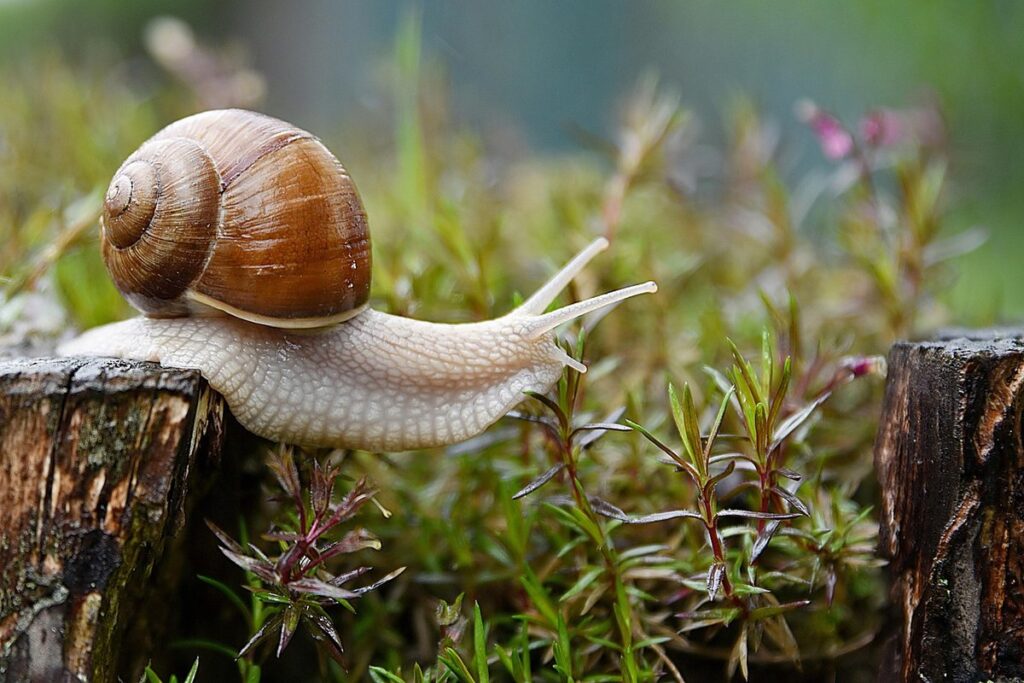
Section 1: Introduction to Slugs in Vegetable Gardens
Slugs may not be the most welcome visitors to your vegetable garden, but understanding their role is essential for a balanced ecosystem. Let’s dive into the world of slugs and explore why they’re both beneficial and challenging to have around.
Importance of Slugs as Decomposers
When it comes to maintaining a healthy vegetable garden, it’s easy to focus on the plants themselves and overlook some of the unsung heroes that help them thrive. Slugs, often viewed as pests, are actually crucial decomposers that play a vital role in breaking down organic matter and recycling nutrients.
These tiny creatures work tirelessly behind the scenes, feeding on decaying plant material and helping to recycle nutrients back into the soil. This process is essential for maintaining soil health, structure, and fertility. Without slugs, gardeners would need to rely on artificial fertilizers to provide their plants with the necessary nutrients, which can be costly and even detrimental to the environment.
In fact, a single slug can consume up to 20 times its body weight in organic matter every day. That’s equivalent to a human eating over 1,000 pounds of food in one sitting! To encourage slugs as decomposers in your garden, create a slug-friendly environment by incorporating compost piles and leaf litter into your soil. This will provide them with a constant source of food and help maintain the delicate balance of nutrients in your soil.
Identifying Common Species Found in Veggie Gardens
When it comes to identifying common species of slugs found in vegetable gardens, there are several key characteristics and behaviors to look out for. The Garden Snail (Helix aspersa) is one of the most widespread species, known for its brown or yellowish shell with a distinctive keel. They prefer moist environments and can often be found near ponds or other water sources.
Another common species is the Black Slug (Arion ater), which has a glossy black body and a more elongated shell than the Garden Snail. This species prefers drier habitats but can still thrive in vegetable gardens with adequate moisture.
The Leopard Slug (Limax maximus) is another frequently encountered species, recognized by its bright yellow or orange spots on a dark brown or black background. They are often found in areas with high humidity and are known to feed on a wide range of vegetation, including plants in the veggie garden.
To identify these species, look for distinctive markings, shell shapes, and sizes, as well as their behavior and habitat preferences. For example, if you notice slugs congregating near water sources or feeding on leaves with holes in them, it could be indicative of a Black Slug infestation.
Section 2: Benefits of Slugs for Vegetable Crops
You might be surprised to learn that slugs can actually have some benefits for your vegetable crops, particularly in terms of nutrient cycling and soil health. Let’s explore these advantages further.
Nutrient Cycling and Soil Health
When it comes to nutrient cycling and soil health, slugs play a more significant role than you might think. As detritivores, slugs feed on decaying organic matter, breaking it down into simpler components that can be easily absorbed by plants. This process not only recycles nutrients but also helps to improve soil structure by increasing the humus content. Humus acts as a sponge, retaining moisture and nutrients, making them available to plant roots.
As slugs burrow through the soil, they create tunnels and channels that allow for better aeration and water infiltration. This improved soil porosity enables roots to grow deeper, accessing more nutrients and water. As a result, plants develop stronger root systems, which in turn support healthier growth and development. By contributing to nutrient cycling and improving soil structure, slugs essentially act as natural soil engineers, promoting overall soil health.
To leverage these benefits, consider maintaining a balanced slug population in your garden by creating a diverse ecosystem that includes plants that attract beneficial insects and microorganisms. This approach will not only support nutrient cycling but also foster a resilient and thriving garden ecosystem.
Biological Control and Pesticide Alternatives
In recent years, there has been a growing interest in using biological control methods to manage pests in vegetable gardens. One potential solution is to harness the power of slugs as natural predators. Slugs are voracious feeders that can consume large amounts of insect eggs and larvae, thereby reducing pest populations. This approach eliminates the need for chemical pesticides, which can harm beneficial insects, contaminate soil and water, and even pose health risks to humans.
To utilize slugs as biological control agents, gardeners can create a slug-friendly environment by providing sheltered areas with moisture-rich soil and hiding places. By incorporating plants that are preferred food sources of slugs, such as comfrey or nasturtiums, into the garden layout, growers can encourage these beneficial creatures to stay on-site and actively hunt pests. This holistic approach not only reduces pesticide usage but also fosters a balanced ecosystem where slugs play a valuable role in maintaining garden health.
Section 3: Challenges Posed by Slugs
While slugs can be beneficial for your vegetable garden, they also pose some significant challenges that you need to be aware of when it comes to their impact on your plants. Let’s dive into these issues together.
Damage to Plants and Crops
When slugs infest your vegetable garden, they can cause significant damage to plants and crops. The types of damage they inflict can be varied, but some common issues include holes in leaves, chewed stems, and eaten buds. These nocturnal pests are particularly fond of tender shoots and new growth, making them a major threat to young seedlings.
Many vegetable plant species are susceptible to slug damage, including lettuce, spinach, kale, and collard greens. Slugs also target cucumbers, tomatoes, and peppers, often eating into the fruit or causing significant scarring. In severe cases, repeated attacks can weaken the plant’s immune system, making it more vulnerable to disease.
To protect your plants from slug damage, consider using physical barriers such as copper tape or crushed eggshells around plant stems. You can also try hand-picking slugs at night with a flashlight, or use natural deterrents like beer traps or garlic sprays. Keeping your garden free of debris and weeds can also discourage slugs from making themselves at home.
Impact on Gardeners’ Time and Effort
Dealing with slugs can be a daunting task for gardeners. It’s not just the nuisance of finding slimy trails on plants that’s frustrating, but also the significant time and effort required to manage their populations. For many gardeners, it feels like an endless battle against these pests.
A single slug can cause substantial damage to a plant in a short amount of time. If left unchecked, a small infestation can quickly escalate into a full-blown problem. According to some estimates, a severe slug infestation can result in losses of up to 20% of a garden’s crop yield. This is not just an economic concern but also an emotional one for gardeners who have invested time and care into their plants.
To mitigate the impact of slugs on your garden, consider using physical barriers such as copper tape or crushed eggshells around plant stems. You can also implement organic controls like beer traps or introducing natural predators like hedgehogs or toads to your garden ecosystem.
Section 4: Monitoring and Managing Slug Populations
Now that you understand slugs’ impact on your garden, let’s focus on effectively monitoring and managing their populations to prevent damage. This section will provide practical tips for slug control.
Methods for Detecting Slug Activity
Detecting slug activity is crucial to effectively manage their populations and prevent them from causing significant damage to your vegetable garden. Several methods can help you detect slugs at various stages of their life cycle.
One effective method is using sticky traps, which work by attracting slugs with a sweet or fermented smell, and then trapping them on the surface. These traps are particularly useful for monitoring adult slug populations. For instance, place a few sticky traps in areas where slugs have been spotted before, such as near plants with holes or damaged leaves.
Another method is using pitfall traps, which involve creating a shallow container filled with water or beer to trap and drown slugs. Place these traps around the perimeter of your garden, ensuring they’re level with the soil surface. This will help you catch slugs during their nocturnal activities.
Additionally, conducting regular visual surveys can also help you detect slug activity. Look for signs such as slime trails on leaves or stems, and check for damaged plants that may indicate slug feeding. When performing these surveys, consider visiting your garden at night when slugs are most active to get a more accurate picture of their populations.
Remember, the earlier you detect slug activity, the better equipped you’ll be to take action and prevent significant damage.
Effective Control Measures
Monitoring slug populations effectively is crucial to maintaining a healthy vegetable garden. To achieve this without harming the environment or your family’s safety, explore non-toxic control measures such as hand-picking slugs at night using a flashlight or other artificial lighting sources that attract them.
Another effective method is installing copper barriers around plants, which repel slugs due to their electrochemical properties. Copper reacts with oxygen in the air, releasing ions that deter slugs from crossing over. This method is particularly useful for gardeners who prefer a more hands-off approach to slug management.
Organic deterrents like crushed eggshells, sharp gravel, or certain types of mulch can also be used to discourage slugs from entering specific areas of your garden. For example, crushed eggshells can be spread around plant stems to make it uncomfortable for slugs to move across them.
Implementing integrated pest management (IPM) strategies is equally important when dealing with slug populations. This involves using a combination of physical, cultural, biological, and chemical controls tailored to your specific garden conditions. Regularly inspecting your plants, using traps or barriers as needed, and practicing good garden hygiene are essential components of an effective IPM plan.
Section 5: Companion Planting Strategies for Slug Deterrence
When it comes to keeping those pesky slugs at bay, companion planting can be a powerful and natural solution for your vegetable garden. This section reveals effective strategies to deter slugs using specific plant pairings.
Plants Repelling Slugs
When it comes to keeping slugs at bay in your vegetable garden, companion planting is an effective strategy that can be employed. Certain plants have natural properties that repel slugs, and incorporating these into your garden layout can significantly help deter slug populations.
Some of the most effective plants known to repel slugs include basil, mint, and chamomile. These plants release strong scents and oils that are unappealing to slugs, making them a great addition to your garden. For example, basil’s pungent aroma is particularly effective in deterring slugs from feeding on nearby plants.
To make the most of these slug-repelling plants, try planting them alongside sensitive vegetables like lettuce, spinach, and peas. You can also intersperse them throughout your garden bed to create a barrier that prevents slugs from reaching their preferred food sources. Additionally, consider using marigolds, garlic, and chives, which have similar properties to repel slugs.
By incorporating these plants into your garden design, you can significantly reduce slug populations and protect your vegetables from damage. Remember, companion planting is just one aspect of a comprehensive approach to managing slugs in your garden.
Using Marigolds and Other Flowering Plants
When it comes to companion planting for slug deterrence, marigolds are often touted as a natural solution. But what’s behind their reputation? Marigolds have been shown to repel nematodes, microscopic worms that feed on plant roots and can attract slugs to the garden. By controlling nematode populations, marigolds indirectly deter slugs from visiting your vegetable plants.
But marigolds aren’t the only flowering plants with slug-deterrent properties. Other options include:
* Nasturtiums: These colorful flowers repel aphids, whiteflies, and other pests that can attract slugs to your garden.
* Chives: With their onion-like fragrance, chives are known to deter nematodes and other pests that target vegetable plants.
* Radish: Some varieties of radish have been shown to repel cucumber beetles, which are often preyed upon by slugs.
To incorporate these plants into your companion planting strategy:
* Plant marigolds around the perimeter of your garden bed to create a barrier against nematodes and other pests.
* Interplant nasturtiums or chives among vegetables that are susceptible to slug damage.
* Incorporate radish as a trap crop, allowing slugs to feed on it before they reach more valuable plants.
Section 6: Sustainable Slug Control Methods
As we explore sustainable methods for controlling slugs, let’s dive into some effective and eco-friendly approaches to protect your vegetable garden from these pesky pests.
Organic Deterrents and Attractants
When it comes to sustainable slug control methods, many gardeners are turning to organic deterrents and attractants as a more environmentally friendly alternative. These natural substances can be just as effective as chemical-based repellents, without the harm they pose to beneficial insects and other wildlife.
One popular option is using coffee grounds to repel slugs. Slugs detest the smell of coffee, so sprinkling used coffee grounds around your plants can help keep them away. You can also use citrus peels, which are known to be unappealing to slugs. Simply boil some water and add a few slices of lemon or orange peel to create a spray that you can apply directly to your plants.
Another effective option is using soap solutions. Mix 1-2 tablespoons of mild dish soap with 1 quart of water, and spray it around your plants. The soap will disrupt the slugs’ skin, causing them to dehydrate and die. However, be sure to test a small area first to ensure the solution doesn’t harm your plants.
Some gardeners swear by the power of garlic and hot pepper sprays, which can also help deter slugs. These solutions work by overwhelming the slugs’ senses with strong smells that they find unbearable. By using these natural deterrents in combination with other sustainable methods, you can create a slug-free environment for your vegetables without harming the ecosystem.
Physical Barriers and Exclusion Techniques
When it comes to keeping slugs out of your vegetable garden, physical barriers can be an effective and non-toxic solution. One popular method is using copper tape around the perimeter of your beds or individual plants. Slugs don’t like the taste of copper, so they’ll avoid crossing over it. Simply wrap the tape around the stems or plant labels to create a barrier.
Another option is crushed eggshells. These can be scattered around the base of plants, making it difficult for slugs to navigate through them. The sharp edges and texture will deter slugs from reaching your prized vegetables. Make sure to reapply after heavy rainfall or irrigation to maintain their effectiveness.
Fine mesh screens are also an excellent barrier against slugs. You can cover individual plants with fine-mesh bags or enclose entire beds with a screen. This method is particularly useful for protecting delicate seedlings or young plants that are susceptible to slug damage. Remember to secure the screens tightly around the base to prevent slugs from slipping underneath.
Section 7: Future Directions in Slug Management
As we explore ways to manage slugs, let’s take a look at emerging trends and innovative approaches that may shape the future of slug control in our vegetable gardens. New strategies are on the horizon!
Research on Genetic Resistance and Host-Plant Interaction
Research on genetic resistance to slugs is an area of ongoing interest for scientists and gardeners alike. By understanding which plant varieties are more resistant to slug damage, gardeners can take a proactive approach to managing their slug populations. One promising avenue of research involves identifying the genetic markers associated with slug resistance in plants.
Studies have shown that certain plant species, such as daffodils and garlic, contain chemical compounds that repel slugs. By breeding these traits into other crops, researchers aim to create more slug-resistant varieties. For example, a recent study published in the Journal of Experimental Botany found that wheat lines with increased expression of the “Slr” gene exhibited enhanced resistance to slug feeding.
Host-plant interactions are another critical area of research. Scientists are working to understand how slugs select and attack specific plant species, and how certain plants can be protected from damage. Research has shown that slugs tend to prefer succulent plant tissues over tougher, more fibrous ones. This knowledge can inform gardeners on which crops to prioritize for protection.
In the lab, researchers are experimenting with various strategies to boost host-plant resistance, including introducing genetic modifications or using molecular markers to identify resistant traits. While these breakthroughs hold promise, it’s essential for gardeners to stay up-to-date on the latest research and adapt their management strategies accordingly. By combining traditional practices like copper mesh barriers and nematodes with cutting-edge science, we can develop more effective slug management techniques.
One potential application of this research is in developing “slug-tolerant” crops that can withstand feeding damage without significant yield loss. For example, a new variety of lettuce might be bred to have reduced susceptibility to slug attack, allowing gardeners to grow it without the need for additional protection measures. As researchers continue to explore genetic resistance and host-plant interactions, we may see more innovative solutions emerging in the near future.
Frequently Asked Questions
What are some early signs of a slug infestation that I should look out for?
Be on the lookout for holes in leaves, chewed stems, and silvery trails on plants. If you notice any of these signs, it’s likely that slugs have invaded your garden.
Can I use diatomaceous earth to control slugs effectively, or are there better alternatives?
Diatomaceous earth can be used as a natural deterrent, but its effectiveness may vary depending on the humidity level and slug species. Consider combining it with other methods like physical barriers or companion planting for better results.
How long does it take for slugs to become established in a new garden, and what factors contribute to their population growth?
Slug populations can establish themselves within 2-4 weeks after introduction. Factors contributing to their growth include moisture levels, food availability, and lack of natural predators. Monitor your garden’s conditions to prevent rapid slug multiplication.
Are there any companion plants that repel slugs more effectively than others, or do marigolds work well enough on their own?
While marigolds can help deter slugs, other plants like lavender, rosemary, and thyme have also shown effectiveness in repelling them. Consider combining multiple plants to create a slug-repellent barrier around your garden.
Can I safely use copper tape or mesh barriers to exclude slugs without harming beneficial insects?
Yes, copper tape or mesh can be used as physical barriers to prevent slug entry while allowing other beneficial insects like bees and butterflies to pass through unharmed. Just ensure proper installation and maintenance to avoid attracting pests instead of repelling them.