
Are you tired of seeing your beautiful garden succumb to those slimy, secretive pests? Slugs can wreak havoc on your plants, leaving behind a trail of damage and destruction. If you’re struggling to protect your garden from these unwelcome visitors, you’re not alone! Effective slug trap solutions are the key to keeping your garden safe from their damage. In this article, we’ll delve into the world of DIY recipes and commercial options for setting up slug traps, as well as share expert tips on identifying infestations and integrating Integrated Pest Management (IPM) strategies. By the end of this post, you’ll be equipped with the knowledge to safeguard your garden from these pests and keep it thriving.
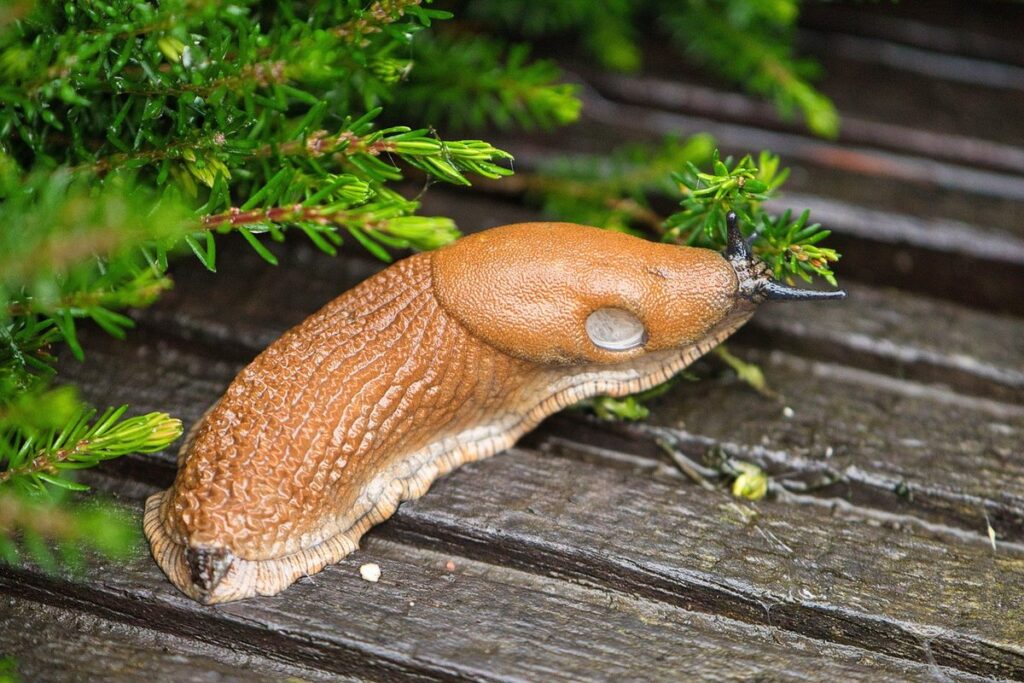
Understanding Slugs and Their Impact on Gardens
Before you can effectively control these slimy pests, it’s essential to understand their habits and how they impact your garden. Let’s take a closer look at the world of slugs and their surprising effects on plant life.
The Problem of Slugs in Gardening
Slugs can be a gardener’s worst nightmare, leaving behind a trail of destruction and disappointment. These slimy creatures may seem harmless, but they are a significant problem for gardeners everywhere. They feed on a wide range of plants, from tender seedlings to mature vegetables and fruits.
Some of the most susceptible plants include lettuce, spinach, carrots, and tomatoes – all staples in many gardens. Slugs also tend to favor certain types of plants with soft leaves or stems, such as hostas, daylilies, and delphiniums. But it’s not just the immediate damage that slugs cause; they can also spread disease and attract other pests to your garden.
The reasons why slugs are a problem in gardening go beyond their voracious appetite for plants. They are also known to dig and burrow into soil, which can lead to erosion and further damage to plant roots. This makes it essential for gardeners to take action against these pesky creatures, and that’s where effective slug traps come in – the topic of our comprehensive guide.
Identifying Slug Infestations
When it comes to identifying slug infestations in your garden, being vigilant and knowing what to look for is crucial. Slugs can be sneaky and destructive, leaving behind a trail of damage that can be both frustrating and costly to repair.
One of the most obvious signs of a slug infestation is eating holes in leaves and stems. These holes are typically circular or oval-shaped and can be large enough to swallow your thumb. Check your plants’ leaves and stems regularly for these telltale signs, especially during the night when slugs are most active.
Another indication of a slug problem is the presence of trails of slime on plants, pathways, and even garden furniture. This sticky substance is left behind by slugs as they move through your garden, and it can be quite noticeable in the morning dew or after rainfall.
Damaged flowers are also a common sign of slug infestation. Slugs tend to target tender flower buds and blooms, leaving them chewed and mangled. If you notice this type of damage on your prized flowers, take action quickly to prevent further destruction. Keep an eye out for other signs such as shredded leaves, torn petals, or entire plants being consumed overnight.
If you suspect a slug infestation in your garden, it’s essential to identify the scale of the problem before choosing the right slug traps. Take notes on the types of damage you’re seeing, where they’re occurring most frequently, and what times of day are affected. This information will help you determine the best strategy for removing these pests from your garden.
Choosing the Right Slug Trap
When it comes to protecting your garden from these slimy pests, selecting the right slug trap is crucial. We’ll break down the key factors to consider in choosing a effective slug trap for your needs.
Types of Slug Traps Available
When it comes to choosing an effective slug trap for your garden, you’re not limited to just one type. In fact, there are several options available, ranging from simple homemade solutions to commercial products and organic alternatives. Understanding the different types of slug traps can help you decide which one suits your needs best.
One popular option is the beer trap, a classic homemade solution made by filling a container with beer and covering it with plastic or fabric. Slugs are attracted to the yeast in beer and will fall into the trap. However, this method may not be as effective during dry spells when slugs are less active. Commercial products like copper bands, sticky traps, and pitfall traps also work well for some gardeners.
For those looking for organic options, there’s the copper mesh barrier, which can be placed around plants to deter slugs from crossing over. Another option is diatomaceous earth, a non-toxic powder that dehydrates slugs when they come into contact with it. When choosing a slug trap, consider your garden’s specific needs and the type of pests you’re dealing with.
Key Features to Consider When Selecting a Slug Trap
When selecting a slug trap, there are several key features to consider. First and foremost, you’ll want to think about effectiveness. How well does the trap capture slugs without harming them? Some traps use bait, while others rely on physical barriers or glue-like substances to ensnare the pests.
Another crucial factor is ease of use. You don’t want a slug trap that’s complicated to set up or maintain, as this can lead to frustration and decreased effectiveness. Consider a trap with a simple design and minimal maintenance requirements.
Cost is also an essential consideration. Slug traps can range from affordable DIY options to expensive commercial products. Set a budget and stick to it – you don’t need to break the bank to protect your garden.
Finally, think about the environmental impact of the slug trap. Do you want a product that uses non-toxic, biodegradable materials or one that relies on harsh chemicals? Consider the long-term effects on your soil and ecosystem when making your decision.
Ultimately, finding the right balance between these factors will help you choose an effective and efficient slug trap for your garden.
Setting Up and Using Slug Traps Effectively
To use slug traps effectively, you’ll need to understand how to set them up correctly and monitor their performance over time to ensure optimal results. Proper setup is key to attracting those pesky slugs.
Strategically Placing Slug Traps in the Garden
When it comes to setting up slug traps in your garden, placement is key. You want to position them in areas where slugs are most likely to be present, increasing the chances of catching these pests and protecting your plants.
Start by identifying plants that are commonly targeted by slugs, such as hostas, lettuce, and marigolds. Place a slug trap near these vulnerable plants, preferably at night when slugs are most active. This will give you a better chance of capturing them before they cause significant damage.
Another strategic placement spot is areas with high soil moisture. Slugs thrive in damp environments, so placing traps in shaded or low-lying sections of your garden can be effective. These spots often have higher concentrations of slugs and snails, making it easier to catch them.
Maintaining and Monitoring Slug Traps
Regular maintenance of slug traps is crucial to ensure their continued effectiveness. Start by checking the bait levels regularly, ideally every week or two. Make sure the bait hasn’t expired and replenish it as needed. This will prevent slugs from developing a resistance to the bait.
Next, inspect your trap for cleanliness. Remove any debris, leaves, or dead slugs that have accumulated in the trap. A dirty trap can harbor bacteria and odors that may deter slugs from being attracted to the bait. Clean the trap with mild soap and water, then rinse thoroughly and dry it before replacing it.
Monitor your trap’s efficacy over time by observing the number of slugs caught and comparing it to previous results. Adjust your trap placement or bait type as needed based on these observations. Consider keeping a record of your findings to refine your slug control strategy further.
Homemade Slug Trap Recipes and DIY Solutions
Now that you’ve learned about commercial slug traps, let’s get creative with some homemade recipes and easy-to-make solutions to protect your garden.
Repellent Plants for Slugs in the Garden
If you’re looking for a more natural approach to keeping slugs at bay, incorporating repellent plants into your garden design is a great option. Certain plants are known to release chemicals that deter slugs from feeding on them or even inhabiting the surrounding area.
Some examples of these slug-repellent plants include lavender, rosemary, and thyme. These herbs not only repel slugs but also add a lovely fragrance to your garden. Garlic is another plant that’s said to have natural repellent properties against slugs. Planting garlic cloves around the perimeter of your garden can help keep slugs away.
Other options for slug-repellent plants include chives, mint, and lemongrass. These plants are relatively easy to grow and can be incorporated into various parts of your garden. For example, you could plant mint in a border or use it as a groundcover.
When choosing repellent plants, keep in mind that their effectiveness may vary depending on the specific slug species present in your area. However, incorporating these plants into your garden design is a low-maintenance and chemical-free way to deter slugs and promote a healthier ecosystem.
Homemade Bait Mixtures for Slug Traps
When it comes to creating an effective homemade slug trap bait mixture, it’s essential to strike a balance between attractivity and safety. You want to lure slugs into your trap without posing a risk to your pets, wildlife, or the environment.
One popular DIY option is to mix equal parts beer and apple cider vinegar in a shallow dish. Slugs are attracted to the yeast and sugar present in beer, while the acidity of the vinegar will help kill them quickly. Place this mixture near your trap, and watch as slugs are drawn to it like a magnet. Another safe alternative is to use a mixture of water, sugar, and lemon juice.
When preparing your bait mixture, remember to avoid using toxic substances that can harm pets or wildlife. Also, be mindful of the type of soil in your garden – if you have alkaline soil, you may want to adjust your mixture accordingly. To maximize effectiveness, place your trap near areas where slugs are most active, such as under leaf litter or near plants with soft leaves.
Combining Slug Traps with Integrated Pest Management (IPM) Strategies
To get the most out of your slug traps, learn how to combine them effectively with Integrated Pest Management (IPM) strategies for a holistic pest control approach. This synergy can lead to significant results in reducing slug populations.
Understanding IPM in Gardening
When it comes to managing slug populations, relying on a single method can be ineffective. This is where Integrated Pest Management (IPM) strategies come into play. IPM is an approach that combines multiple techniques to manage pests like slugs, minimizing harm to the environment and promoting long-term sustainability.
At its core, IPM involves using physical barriers to prevent slugs from reaching your plants, hand-picking them in the early morning or evening when they’re most active, and introducing beneficial insects that prey on slugs. For example, you can use copper tape around plant pots to deter slugs, or set up traps baited with beer or yeast to capture them.
Another key aspect of IPM is introducing natural predators like hedgehogs, toads, or ground beetles into your garden. These beneficial insects and animals will help keep slug populations under control without the need for pesticides. By combining these methods, you can create a balanced ecosystem that not only manages slugs but also promotes healthy plant growth and biodiversity in your garden.
When implementing IPM strategies, remember to monitor your garden regularly and adjust your approach as needed. Keep track of which methods are working best and make changes accordingly. With patience and persistence, you can develop an effective slug management plan that keeps your plants safe without relying on chemical pesticides.
Integrating Slug Traps into an Overall Garden Plan
To effectively control slugs in your garden, it’s essential to integrate slug traps into an overall garden plan that incorporates multiple Integrated Pest Management (IPM) strategies. This approach ensures a holistic and long-term solution for managing these pests.
One example of how to incorporate slug traps is by combining them with physical barriers, such as copper tape or crushed eggshells, around plants. These barriers deter slugs from crossing over into the protected area. You can also pair slug traps with cultural controls like removing weeds, improving soil health, and avoiding moisture-loving plants.
Another example involves using biological controls, such as introducing natural predators like toads or hedgehogs, alongside slug traps. This multi-pronged approach ensures that you’re tackling slugs from various angles. Additionally, consider incorporating organic pesticides like beer baits or diatomaceous earth around your garden, especially in areas where slugs are most active.
By integrating these methods with slug traps, you’ll create a robust IPM plan that minimizes the use of chemical controls and promotes a balanced ecosystem in your garden.
Troubleshooting Common Issues with Slug Traps
We’ve covered the best slug traps and how to set them up, but what happens when they’re not working as expected? Let’s troubleshoot common issues together.
Common Problems with Commercial Slug Traps
When using commercial slug traps, you may encounter some common issues that can affect their effectiveness. One of the main problems is that these traps often have low catch rates, failing to capture a significant number of slugs despite being properly baited and placed.
Another issue is attracting non-target species, such as snails, worms, or even beneficial insects like bees or butterflies. This not only wastes the bait but also creates an uneven ecosystem in your garden. For example, some commercial slug traps contain certain scents that may be attractive to snails, which can lead to a larger problem if you’re trying to control both slugs and snails.
To minimize these issues, it’s essential to carefully read and follow the manufacturer’s instructions for each trap. You should also choose a trap specifically designed to target slugs, as some traps are geared more towards snail control. Regularly inspecting your garden and adjusting your slug trapping strategy can also help you stay on top of any problems that may arise.
Solutions to Common DIY Slug Trap Challenges
When it comes to homemade slug traps, you might encounter some common challenges that can affect their effectiveness. Low catch rates and bait spoilage are two issues that gardeners often face.
If you’re experiencing low catch rates, it could be due to the trap’s design or placement. For instance, if your trap is too small, slugs might not find it attractive enough to enter. Try increasing the size of the trap or placing it in an area where slugs are known to congregate. On the other hand, if your trap is in a well-ventilated area, the bait might dry out quickly, leading to spoilage.
To combat this, use a bait with a high moisture content, such as beer or fruit juice. Alternatively, you can cover the trap to maintain humidity and prevent the bait from drying out. Regularly checking and replenishing the bait will also help ensure its effectiveness. By addressing these common challenges, you can create a more effective homemade slug trap for your garden. Remember to be patient and adjust your strategy as needed to maximize your catch rates.
Frequently Asked Questions
What are some common mistakes to avoid when setting up slug traps?
Avoid placing slug traps near water sources or sheltered areas where slugs can escape. Also, don’t overcrowd the traps, as this can lead to a buildup of dead slugs and create an unpleasant odor.
Can I use homemade bait mixtures in commercial slug traps?
Yes, you can use homemade bait mixtures like beer or yeast-based attractants in commercial slug traps. However, ensure that the trap is designed for the type of bait you’re using, as some materials may not be compatible with certain trap designs.
How often should I check and maintain my slug traps?
Regularly inspect your slug traps every 1-2 weeks to ensure they are functioning properly. Remove any dead slugs, clean the traps, and replenish baits as needed to keep them effective.
Are there any specific plants that repel slugs more effectively than others?
Yes, certain plants like garlic, chives, and mint have natural properties that can deter slugs. Planting these in your garden or incorporating their extracts into homemade repellents can help minimize slug damage.
Can I use slug traps as a standalone solution for pest control, or is it recommended to integrate them with IPM strategies?
While slug traps can be an effective solution on their own, integrating them with IPM strategies like crop rotation, physical barriers, and biological controls can provide a more comprehensive approach to managing pests in your garden.