
As a gardener, you’ve probably encountered those slimy, nocturnal pests that can wreak havoc on your carefully tended garden – slugs! They may seem harmless, but these mollusks can cause significant damage to plants, leaving behind unsightly holes and vulnerable leaves. But don’t let them get the best of you! With a little knowledge and planning, you can create a slug-resistant garden that thrives despite their presence. In this comprehensive guide, we’ll explore natural repellents and physical barriers that can help keep these pests at bay. You’ll learn how to choose the right plants, use non-toxic deterrents, and even construct simple barriers to protect your garden from these pesky critters. By the end of this article, you’ll be well on your way to creating a healthy, thriving ecosystem that’s safe from slugs’ destructive reach.
Understanding Slugs and Their Damage
Before you can protect your garden, it’s essential to understand what slugs are and how they cause damage, so let’s take a closer look at their behavior.
The Impact of Slugs on Gardening
Slugs can cause significant damage to your garden, making it essential to understand their impact and take preventative measures. These slimy creatures feed on a wide range of plants, from tender shoots to mature leaves, leaving behind a trail of destruction. They not only eat away at the plant’s tissues but also spread diseases, further compromising its health.
Slugs can attack plants’ leaves, stems, and roots, making them vulnerable to various problems. For instance, they might chew through the plant’s stem, causing it to weaken and eventually collapse. This can be particularly devastating for young seedlings that have yet to develop a robust root system.
Moreover, slugs are notorious carriers of diseases like powdery mildew and downy mildew, which can spread rapidly if left unchecked. These diseases can then infect other plants in the garden, leading to widespread damage. To mitigate this risk, it’s crucial to keep your garden clean, removing any debris or weeds that may provide shelter for these pests.
When dealing with slug infestations, consider setting up traps or using natural deterrents like copper tape or crushed eggshells around vulnerable plants. These methods can help minimize the damage and prevent further harm to your prized slug-resistant plants.
Identifying Slug Infestations
Identifying slug infestations can be a bit tricky, but there are some telltale signs to look out for. If you notice holes in the leaves of your plants, it’s likely that slugs are at work. These holes are usually round and can range from tiny pinpricks to large gaping wounds. Slugs tend to feed on the softer parts of the plant, such as the leaves and stems.
Another sign of slug infestation is the silvery trail left behind by their slimy mucus. If you notice a shiny, iridescent pathway leading from one area of your garden to another, it’s likely that slugs are traveling through this path. This is especially common on damp or rainy days when slugs are more active.
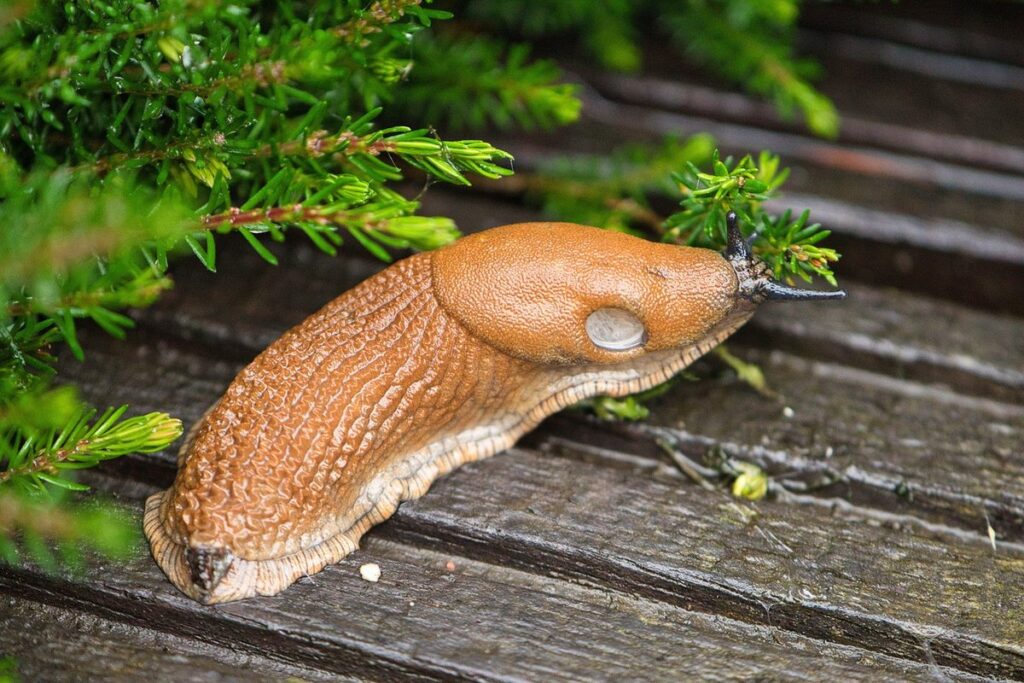
In some cases, you may actually catch sight of the pests themselves. Slugs can be dark brown or gray in color and have a distinctive rounded shell on their backs. If you spot one, take note of its size and behavior – larger slugs tend to be more voracious eaters and can cause significant damage to your plants.
It’s essential to stay vigilant and keep an eye out for these signs, especially if you’re growing slug-resistant plants.
Choosing Slug-Resistant Plants
When it comes to keeping slugs out of your garden, choosing the right plants is crucial. Let’s take a look at some popular slug-resistant options to consider for your next planting project.
Selecting Slugs’ Least Favorite Plants
When it comes to selecting slug-resistant plants, you’ll want to focus on those that naturally repel or deter these slimy pests. Here are some top picks for ornamental flowers, shrubs, trees, and vegetables that slugs tend to avoid.
Some ornamental flowers that slugs dislike include:
* Marigolds: These bright and cheery blooms are known to repel nematodes, which slugs often feed on.
* Chrysanthemums: These flowers contain chemicals that are toxic to slugs.
* Lavender: The strong scent of lavender is said to deter slugs.
Shrubs like:
* Rosemary: This fragrant herb is a natural slug repellent and can be planted alongside other vegetables to keep them safe.
* Hyssop: Similar to rosemary, hyssop’s strong scent deters slugs.
* Boxwood: These compact shrubs are less appealing to slugs due to their dense foliage.
For trees, consider planting:
* Apple trees: Slugs tend to avoid the bitter taste of apple tree leaves and branches.
* Cherry trees: Similar to apples, cherry trees’ leaves and bark repel slugs.
* Juniper: This evergreen tree’s sap is said to be unappealing to slugs.
Vegetables that are naturally resistant to slugs include:
* Garlic: Like its strong scent, garlic is a natural repellent for slugs.
* Hot peppers: The capsaicin in hot peppers makes them unappealing to slugs.
* Brussels sprouts: These cruciferous veggies contain compounds that repel slugs.
Keep in mind that while these plants are naturally resistant to slugs, they may still require some protection. Combine these slug-resistant plants with other methods like removing weeds, keeping your garden clean, and using physical barriers to create a slug-free zone.
Incorporating Repellent Herbs into Your Garden
When it comes to keeping slugs at bay, certain herbs can be a gardener’s best friend. Basil, mint, and rosemary are just a few examples of herbs that have natural properties to repel or deter slugs from your garden.
Basil is known for its strong scent, which can help mask the aroma of other plants that may attract slugs. Planting basil around the perimeter of your garden can create a slug-repellent barrier. Plus, it’s easy to grow and requires minimal maintenance.
Mint is another herb that’s notorious for being uninviting to slugs. Its strong menthol content makes it an excellent addition to your garden. Plant it in containers or directly into the soil, as it can be quite invasive if not kept under control.
Rosemary, with its piney fragrance, is also a slug repellent. It prefers well-drained soil and full sun, making it a great companion plant for many vegetables. To maximize its benefits, plant rosemary around the base of your plants or use it as a border in your garden bed.
By incorporating these herbs into your garden design, you can create a slug-resistant haven that’s both beautiful and functional. Experiment with different combinations to find what works best for your specific garden conditions.
Using Physical Barriers to Protect Plants
If you’ve tried other methods and still can’t keep those pesky slugs at bay, it’s time to consider using physical barriers to protect your plants. These clever solutions are surprisingly effective.
Copper Tape and Other Deterrents
Copper tape has been touted as a slug-deterrent miracle worker for many gardeners. But does it really live up to the hype? The answer is yes – copper tape can be an effective addition to your slug protection arsenal.
When slugs come into contact with copper, they release a toxic substance that causes them to die within hours. This means that if you wrap copper tape around plant pots or beds, you’ll have a barrier that deters these pesky critters from reaching your prized plants. Simply cut the tape to size and wrap it tightly around each pot, making sure to cover the entire circumference.
The effectiveness of copper tape lies in its ability to provide a continuous contact with slugs as they attempt to climb up the pot or bed. This constant exposure leads to their demise, keeping your slug-resistant plants safe from damage. Plus, it’s an easy DIY solution that won’t break the bank – a roll of copper tape can cost as little as £5.
Just keep in mind that while copper tape is a great addition to your slug protection plan, it shouldn’t be relied upon as the sole means of defense. Combine it with other methods, like removing hiding places and using physical barriers, for maximum effectiveness.
Creating a Barrier with Gravel or Crushed Stone
One effective way to create a barrier around plants and prevent slugs from reaching them is by using materials like gravel or crushed stone. This method works because slugs don’t like to crawl over these rough surfaces, making it difficult for them to reach your prized plants.
To set up this type of barrier, simply place a 2-3 inch layer of gravel or crushed stone around the base of each plant. Make sure to extend the barrier at least 12 inches beyond the plant’s drip line to prevent slugs from finding an alternative path. It’s also essential to keep the barrier loose enough for water to penetrate and reach the roots.
This method is particularly useful for plants that prefer well-draining soil, such as sedums or succulents. You can also combine this technique with other physical barriers like copper tape or sharp gravel mulch to create an even stronger deterrent.
Organic and Natural Methods for Slug Control
If you’re looking for alternative solutions to chemical-based slug control, we’ve got you covered: explore our top picks for organic and natural methods that really work. From homemade traps to plant-based deterrents, discover your new favorite solution.
Beer Traps and Other Homemade Solutions
When it comes to controlling slug populations, some gardeners swear by beer traps and other homemade solutions. One of the most popular methods is using a container filled with beer to lure and trap slugs. Slugs are attracted to the yeast and sugars present in beer, so they’ll crawl into the container to get a drink, only to drown when they try to climb out.
To set up a beer trap, simply place a shallow container filled with about an inch of beer near affected plants. The next morning, you’ll likely find one or more slugs dead at the bottom of the container. This method can be effective for small-scale slug control, but it may not be enough to tackle large infestations.
Other homemade solutions include using crushed eggshells, copper tape, and even certain types of soap. These methods work by either deterring slugs from crossing a barrier or repelling them with an unpleasant texture or smell. For example, slugs don’t like the taste or texture of crushed eggshells, so placing them around plants can help keep these pests away.
Diatomaceous Earth: A Natural Sluggicide?
When it comes to natural methods for slug control, diatomaceous earth has gained significant attention. This powdery substance is made up of the fossilized remains of tiny aquatic organisms called diatoms and works as a desiccant, causing slugs to lose moisture rapidly.
The effectiveness of using diatomaceous earth against slugs lies in its ability to dehydrate them. When slugs come into contact with the powder, it gets stuck to their skin and disrupts their waxy coating, allowing water to escape at an alarming rate. Without this protective barrier, slugs begin to dry out quickly, usually within 24-48 hours.
For gardeners interested in trying diatomaceous earth as a slug repellent, there are some key considerations. For optimal results, ensure the powder is applied evenly and consistently around affected areas. It’s also essential to reapply after rainfall or watering events, as moisture can dilute the effectiveness of the powder. Additionally, handle the substance with care, as it can be harmful if inhaled or ingested.
Integrated Pest Management (IPM) for Slugs
While it’s great that you’re choosing slug-resistant plants, preventing slugs from entering your garden in the first place is still an important consideration. This section will explore effective integrated pest management (IPM) strategies for keeping slugs under control.
Monitoring Your Garden for Signs of Slugs
Monitoring your garden regularly for signs of slug infestations is crucial to prevent these pests from causing damage. Slugs are notorious for their ability to sneak into gardens undetected, leaving behind a trail of destruction. By keeping an eye out for the telltale signs of slugs, you can take action before they cause significant harm.
Keep an ear out for the sound of slugs moving through your garden at night. Slugs are nocturnal, so this is when they’re most active. Listen carefully, as the rustling and squelching sounds can be a giveaway to their presence. Inspect plants for signs of feeding damage, such as chewed leaves or stems with holes. Look for slime trails on surfaces, as slugs secrete a sticky substance as they move.
Be sure to inspect your garden during the day, especially after rainfall, when slugs are most active. Regularly monitoring your garden will help you detect any potential problems early on, allowing you to take preventative measures and protect your slug-resistant plants.
Combining Methods for Maximum Effectiveness
Combining physical barriers, repellent plants, and organic methods can provide the most effective slug control for your garden. Physical barriers such as copper tape, crushed eggshells, or sharp gravel can prevent slugs from crossing over into your prized plants. Meanwhile, planting slug-repellent species like lavender, rosemary, or chamomile around vulnerable areas can help deter them.
But why stop there? Combining these methods with organic controls like beer traps, copper sulfate, or iron phosphate baits can create a robust defense system. For instance, you could place a beer trap near affected plants and surround the perimeter with physical barriers like copper tape. This multi-pronged approach not only reduces slug populations but also helps prevent re-infestation.
Consider this example: a gardener in the UK used a combination of physical barriers (copper tape) and organic controls (iron phosphate baits) to protect their prized delphiniums from slugs. The result? A 90% reduction in slug damage over just one season. By combining different methods, you can create a customized IPM strategy that suits your garden’s specific needs and keeps those pesky slugs at bay.
Long-Term Solutions for Slug-Resistant Gardens
Let’s take a closer look at long-term solutions that will help you create a slug-resistant garden that requires minimal maintenance and upkeep over time. This includes planning, design, and implementation strategies.
Plant Selection and Design Strategies
When designing a slug-resistant garden, it’s essential to incorporate plants and materials that will minimize future infestations. To achieve this, consider the following design strategies:
Firstly, group plants with similar water requirements together, ensuring that each section receives adequate moisture without being overwatered. This approach can help reduce the likelihood of slugs congregating in areas with consistently high humidity. For instance, place succulents and cacti near your garden’s dry spots to draw slugs away from more desirable plants.
Additionally, incorporate physical barriers around vulnerable plants to prevent slug damage. Copper tape is a popular option as slugs detest the taste of copper and will avoid crossing it. Alternatively, use crushed eggshells or sharp gravel to deter slugs from approaching your prized plants.
Avoid planting large groups of a single species, as this can create an easy target for slugs. Instead, mix different varieties with varying growth habits and mature sizes to disrupt slug feeding patterns. This diverse approach will make it challenging for slugs to identify preferred food sources within the garden.
By implementing these design strategies, you’ll be well on your way to creating a slug-resistant haven that minimizes future infestations.
Ongoing Maintenance and Monitoring
As you’ve implemented slug-resistant plants into your garden, it’s essential to maintain their effectiveness over time. Ongoing maintenance and monitoring are crucial to ensure your garden remains protected from these pesky pests.
Regularly inspect your plants for signs of slugs or damage, paying attention to areas around the base of the stems and leaves. Check for holes, chewed edges, or sticky trails left behind by slugs. If you notice any issues, take action immediately to prevent further damage.
Adjust your maintenance routine as needed based on environmental factors such as weather conditions, soil moisture, and plant growth stages. For example, during periods of high rainfall or humid weather, increase your monitoring frequency to account for potential slug activity surges.
Additionally, keep your garden clean by removing weeds, debris, and decaying matter that can attract slugs. Mulch around plants helps retain moisture but also create a barrier against slugs; replenish it periodically as needed. By staying vigilant and adapting to changing conditions, you’ll be able to maintain an effective slug-resistant garden for years to come.
Frequently Asked Questions
Can I combine multiple methods for maximum effectiveness, or do I need to stick with one approach?
Combining methods can lead to a more comprehensive and effective slug control system. Consider integrating repellent herbs, physical barriers, and natural deterrents to create a multi-layered defense. This approach allows you to adapt to the changing needs of your garden and reduce the likelihood of slugs developing resistance to single-method solutions.
What if I have a large garden with varied terrain – how can I apply these slug-resistant strategies on a bigger scale?
Scaling up slug control requires considering the unique challenges of your garden’s layout. Focus on high-traffic areas, such as vegetable patches or plants near water sources, and prioritize physical barriers or repellent herbs in these zones. You can also create separate slug-control regions within your garden, tailored to specific plant groups or soil types.
Will certain weather conditions affect the effectiveness of my slug control methods?
Yes, weather plays a crucial role in slug behavior and activity. During periods of drought or extreme heat, slugs tend to be less active and may retreat underground for protection. Conversely, cool, moist conditions can trigger increased slug activity. Monitor your garden’s microclimate and adjust your slug control strategies accordingly to maximize effectiveness.
How often should I reapply repellent herbs or refresh physical barriers in my garden?
Regular maintenance is essential for maintaining the integrity of your slug-resistant garden. Reapply repellent herbs every 1-2 weeks, depending on their potency and weather conditions. Refresh physical barriers as needed, replacing any damaged or compromised sections to prevent slugs from exploiting weaknesses.
Can I use these methods in indoor gardens or container plants, or are they only suitable for outdoor spaces?
While the principles of slug-resistant gardening can be applied to both indoor and outdoor settings, some methods may require adaptation. For example, physical barriers might not be feasible in tight indoor spaces, whereas repellent herbs can be used indoors with careful consideration of air circulation and humidity levels. Evaluate your specific garden conditions and modify strategies accordingly to ensure effective slug control.