
Slugs can be a gardener’s worst nightmare, leaving behind a trail of destruction on your prized plants. These slimy pests can cause significant damage to your garden, devouring leaves, flowers, and even fruits, making it essential to develop effective control methods. As a gardener, you’re likely no stranger to the frustration of dealing with slugs, but there’s good news – you don’t need to reach for toxic pesticides or chemicals to protect your garden.
In this article, we’ll explore non-toxic slug control methods that are gentle on the environment and your plants. From hand-picking to organic repellents, we’ll cover a range of strategies to help you manage slugs in your garden. We’ll also dive into integrated pest management techniques that will show you how to protect your entire garden ecosystem, not just individual plants. By the end of this article, you’ll be equipped with the knowledge and tools needed to defend your garden against these pesky pests and keep your plants thriving.
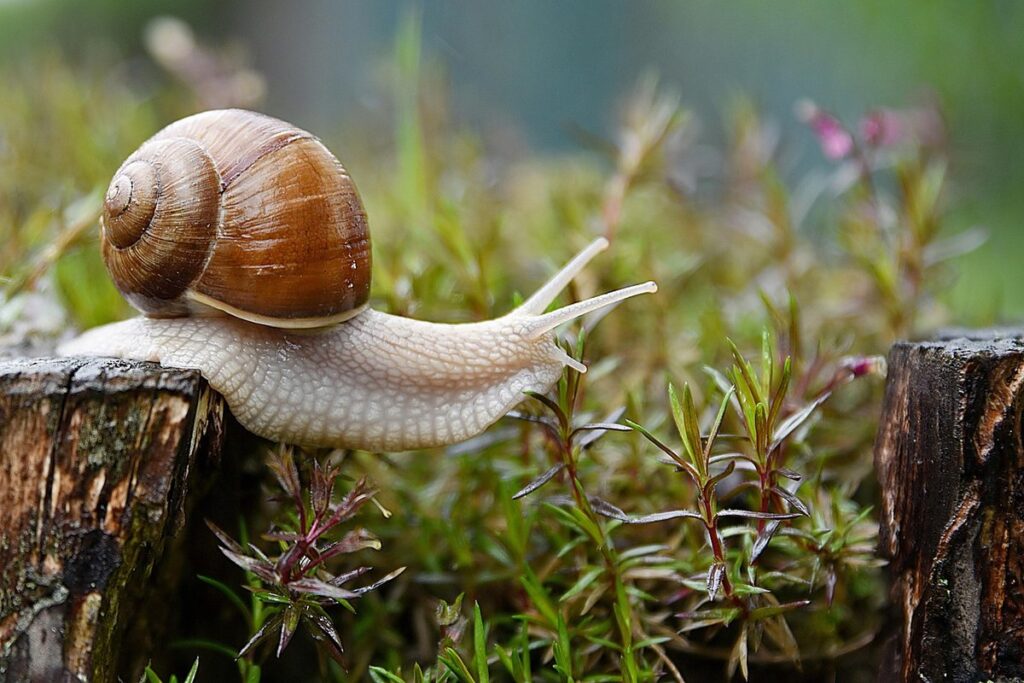
Understanding Slugs and Their Impact
To effectively control slugs in your garden, you need to understand their behavior, habits, and life cycle. This knowledge will help you develop a targeted approach to prevent damage.
What Are Slugs?
Slugs are a type of gastropod mollusk that can cause significant damage to garden plants. They belong to the phylum Mollusca and are closely related to snails, but lack the external shell that snails possess. In fact, slugs have a more streamlined body shape that allows them to move quickly through damp environments.
Physically, slugs have a soft, slimy body that is typically gray or brown in color. They can range in size from 1-8 inches in length and have a distinctive foot that they use to glide across surfaces. Slugs also have a pair of tentacles on their head, which are used for sensing their surroundings.
Slugs adapt to different environments by being able to survive in both humid and dry conditions. They can secrete mucus from their bodies to help them move through tight spaces and protect themselves from dehydration. In your garden, you may find slugs hiding under rocks, logs, or other moist areas where they can feed on plant leaves and stems.
As a gardener, it’s essential to understand the life cycle of slugs and how they adapt to their environment in order to develop effective control methods.
Slug Behavior and Life Cycle
Slugs are most active at night when they emerge from their hiding spots to feed on garden plants. They’re attracted to moisture and humidity, which is why you often find them in areas with high soil moisture. Their feeding habits can be particularly destructive, as they eat through leaves, stems, and flowers quickly.
To understand slug behavior, it’s essential to recognize their life cycle. Slugs go through four stages: egg, hatchling, juvenile, and adult. Females lay up to 80 eggs per clutch, which take about two weeks to hatch. The young slugs then molt several times as they grow, eventually reaching maturity after about six months.
Slugs typically live for one to three years in the wild, although their lifespan can vary depending on factors like food availability and environmental conditions. Understanding these life stages is crucial for developing effective slug control methods, such as hand-picking during the night or using baits that target specific stages of their development.
Monitoring your garden’s soil moisture levels can also help prevent slug infestations, as dry conditions discourage them from feeding. By understanding slug behavior and life cycles, you’ll be better equipped to implement targeted control strategies and protect your plants.
Identifying and Monitoring Slug Activity
To effectively manage slugs in your garden, you need to be able to spot them quickly, even when they’re hiding. Let’s explore how to identify their activity and track their movements.
Visual Inspection Methods
When it comes to identifying slug activity in your garden, visual inspection methods are a crucial step in detecting and monitoring their presence. One of the most effective ways to detect slugs is by looking for egg clusters on host plants, particularly those that are susceptible to slug damage such as Hostas or Alchemilla mollis. These egg clusters can be found on the underside of leaves or on the soil surface.
Another telltale sign of slug activity is the presence of slime trails on leaves and stems. Slugs leave behind a sticky trail of mucus as they move, which can appear as a shiny, white or grayish line on the plant’s surface. Check for these trails regularly, especially in areas where you’ve noticed damage to plants.
In addition to egg clusters and slime trails, it’s also possible to spot slugs themselves on your plants during the evening or night when they’re most active. Keep an eye out for them on leaves, stems, and even flowers. If you do spot a slug, take note of its size, color, and location to help inform future control measures.
Environmental Factors That Attract Slugs
Slugs thrive in specific environmental conditions that make your garden an ideal habitat for them. Understanding these factors will help you identify areas more prone to slug infestations and take targeted measures to control their populations.
Moisture is a primary attractant for slugs, as they need it to survive. Areas with high humidity and consistent moisture levels are particularly appealing to these slimy pests. Vegetation that’s close to ponds, streams, or other water sources also tends to attract more slugs.
Temperature plays a crucial role in slug activity too. Slugs are most active during cool, moist nights and tend to hide under vegetation during the day when it gets warmer. Knowing your garden’s microclimate will help you pinpoint areas where slugs are likely to congregate.
Look for areas with dense leaf litter, damp soil, or overgrown vegetation – these are perfect spots for slugs to feed and hide. Keep an eye out for trails leading from these areas to nearby plants, indicating the presence of slugs. By identifying your garden’s slug-friendly zones, you can focus your control efforts on these specific areas and create a more effective slug management plan.
Non-Toxic Slug Control Methods
For those seeking a more natural approach, we’ll explore non-toxic slug control methods that are safe for pets and wildlife to coexist in your garden. These eco-friendly solutions can be just as effective at keeping slugs under control.
Hand-picking and Manual Removal
Hand-picking slugs from your garden can be an effective way to control their population, especially during peak activity hours. Slugs are most active at night and early morning when they feed on plant leaves and stems. To hand-pick slugs effectively, it’s essential to know when and where to look for them. Peak feeding times typically occur after rainfall or during humid weather conditions.
When hand-picking slugs, be gentle and avoid damaging the plants you’re trying to protect. Use a torch or a flashlight to spot slugs hiding under leaves, in soil crevices, or on plant stems. Wear gloves to handle slugs without leaving behind oils from your skin that can harm them. Focus on removing as many slugs as possible during peak activity hours to reduce their population over time.
Avoid using chemical pesticides while hand-picking, as they can also harm beneficial insects like bees and butterflies that visit your garden. Instead, use a bucket or container filled with soapy water to humanely drown the collected slugs. Dispose of them away from your garden to prevent re-infestation.
Physical Barriers and Traps
Physical barriers and traps are effective non-toxic slug control methods that can be easily implemented in your garden. Copper tape, for instance, is a popular choice among gardeners due to its affordability and ease of use. Slugs don’t like the taste or smell of copper, so they tend to avoid it altogether. To set up copper barriers, simply wrap the tape around plants, making sure to overlap the edges slightly.
Another option is using gravel mulch. Slugs find it difficult to climb over smooth surfaces, and gravel provides an uncomfortable terrain for them to navigate. Simply spread a layer of coarse gravel around your plants, about 2-3 inches thick, to deter slugs from approaching.
Homemade traps are also a fun and creative way to control slug populations. Create a trap by placing a shallow container filled with beer near the affected area. Slugs are attracted to the smell of beer and will crawl in to drink, but they’ll drown once submerged. This method may not be as efficient as others, but it’s a non-toxic alternative that can help reduce the slug population in your garden.
Organic Slug Repellents
If you’re looking for a more natural way to keep slugs at bay, organic repellents are definitely worth considering. From copper tape to crushed eggshells, we’ll explore some effective options for your garden.
Plant-based Repellents
When it comes to organic slug repellents, incorporating certain plant species into your garden’s landscaping can be an effective and natural way to deter these pests. Garlic, onion, and various herbs are among the most well-known plants that repel slugs.
Garlic, for instance, is a powerful natural repellent against slugs due to its strong odor and taste. You can interplant garlic cloves among your other vegetables or use them as a barrier around plants you want to protect. Some people swear by hanging crushed garlic cloves near affected areas, claiming it helps keep slugs at bay.
Other herbs like mint, lemongrass, and chamomile have also been known to repel slugs. Planting these species alongside your vegetables can create a slug-free zone. You can also make use of their oils or extracts as natural repellents by mixing them with water and spraying the solution around the affected area.
When choosing plant-based slug repellents for your garden, consider companion planting methods that integrate multiple plants to maximize their effectiveness. This approach not only repels slugs but also promotes a healthy ecosystem within your garden.
Homemade Organic Sprays
One of the most effective and budget-friendly methods for controlling slugs in your garden is by using homemade organic sprays. These sprays can be made from a variety of ingredients that are commonly found in kitchens, such as garlic, hot peppers, or soap. One simple recipe involves mixing 3 cloves of minced garlic with 1 quart of water and letting it sit for 24 hours before straining the mixture. This spray is most effective when applied at night, as slugs are most active during this time.
Another option is to use hot pepper spray, made by infusing hot peppers in water. Simply chop up a few hot peppers and let them steep in a quart of water for several days. Strain the mixture and add a small amount of mild dish soap. This spray will deter slugs with its intense heat, but be careful not to get it on your skin or plants.
When preparing homemade sprays, make sure to label and date the containers, and store them in the refrigerator to prolong their effectiveness. Always test a small area before spraying to ensure the ingredients don’t cause any damage to your plants. With these simple recipes, you can create effective slug repellents using household ingredients and reduce chemical usage in your garden.
Integrated Pest Management (IPM) Strategies
To effectively manage slugs, incorporating integrated pest management strategies is crucial. This approach combines physical barriers, organic repellents, and cultural controls for a holistic solution.
Monitoring for Slug Activity
Monitoring for slug activity is an essential component of effective IPM strategies. It allows you to stay one step ahead of these pests and tailor your control measures accordingly. To monitor for slugs, observe your garden regularly, looking for signs such as slimy trails on leaves or stems, holes in fruit and vegetables, and shredded plant material.
Use a combination of visual inspections and monitoring tools to get an accurate picture of slug activity in your garden. Set up traps using beer, yeast, or other attractants to capture slugs at night when they are most active. Install sticky cards or pitfall traps to collect data on slug populations and movement patterns.
Keep a record of your observations and note any changes in slug activity over time. This information will help you adjust your IPM strategy as needed, targeting specific areas of the garden where slugs are most prevalent. By combining monitoring with other control measures such as physical barriers, repellents, and biological controls, you can create an effective and sustainable slug management plan for your garden.
Combination Methods for Enhanced Effectiveness
Combining different control methods is key to effective slug management. Think of it like layering protection for your garden – the more layers you have, the less likely those pesky slugs are to wreak havoc on your plants.
For instance, hand-picking and physical barriers can be used in conjunction with organic repellents. Hand-picking is a great way to control slug populations, especially at night when they’re most active. However, this method can be time-consuming and may not be feasible for larger gardens. Physical barriers like copper tape or crushed eggshells can deter slugs from crossing into your garden. But what if you also used organic repellents to further discourage them?
Using a combination of methods can lead to more effective slug management. For example, you could place a physical barrier around the perimeter of your garden and use an organic repellent like coffee grounds or crushed garlic near vulnerable plants. This multi-layered approach will give you better control over slug populations, protecting your plants from damage and ensuring a healthier garden overall.
Try experimenting with different combinations to find what works best for your specific situation. The key is to be consistent in your efforts – once you’ve established a routine that includes multiple methods of control, stick to it and adjust as needed.
Conclusion
By now, you’ve learned the various methods for controlling slugs in your garden. Remember that every approach may not work equally well on all types of plants or in different environments. Be patient and observe which strategies are most effective for your specific situation. Keep a close eye on new growth and take action promptly if you notice any signs of slug damage. Also, consider combining methods – for instance, using copper tape around planters along with setting traps.
This integrated approach will provide the best protection against slugs. With persistence and flexibility, you should be able to establish a garden that’s resistant to these pests. Stay vigilant, as new infestations can occur over time, but by following our advice, you’ll be better equipped to handle any future problems. Your garden will flourish with minimal damage from slugs.
Frequently Asked Questions
Can I use a single non-toxic method to control slugs, or do I need a combination of methods?
You can’t rely on just one method for effective slug control. Slugs are adaptable and may develop resistance to individual repellents or barriers. A combination of non-toxic methods is essential to ensure long-term protection. Consider using physical barriers, hand-picking, organic repellents, and monitoring techniques in conjunction with each other.
How can I protect my plants at night when slugs are most active?
Slugs do their damage under the cover of darkness, so it’s crucial to protect your plants during this time. Use physical barriers like copper tape or crushed eggshells around plant stems, or consider using a homemade organic spray that repels slugs. You can also try hand-picking at night when the slugs are most active.
What if I’ve already applied non-toxic slug control methods and still see damage?
If you’re seeing significant damage despite using non-toxic methods, it’s essential to reassess your approach. Consider factors like environmental conditions (e.g., moisture levels) that may be attracting slugs or affecting the effectiveness of your chosen methods. You might need to adjust your strategy or combine different approaches.
Can I use homemade organic sprays on edible plants?
Homemade organic sprays can be a great option, but ensure you follow proper guidelines when using them on edible plants. Always test the spray on a small area first and consult with experts or reliable sources for recipes that are safe for consumption.
What’s the best time of year to implement slug control methods in my garden?
The best time to implement slug control measures depends on your climate and region. In areas with mild winters, it’s often best to start controlling slugs during spring when they become active. In regions with colder winters, consider starting slug control in early summer when temperatures rise. Be sure to monitor for slug activity throughout the growing season and adjust your strategy as needed.