
Slug control is an essential aspect of maintaining a healthy and balanced garden ecosystem. These slimy pests can quickly destroy your hard-earned plants, leaving you with nothing but disappointment. But don’t worry, there are effective ways to prevent and control slug infestations in your garden. From using organic methods that work with nature’s balance to creating DIY traps and barriers that keep these pests at bay, we’ll cover it all.
In this article, we’ll delve into the world of slug control techniques, providing you with practical tips and solutions to protect your garden from these pesky critters. We’ll explore the best organic methods for repelling slugs, as well as some clever DIY traps that can help you catch them off guard. By learning how to keep slugs under control, you’ll be able to maintain a thriving and balanced ecosystem in your garden.
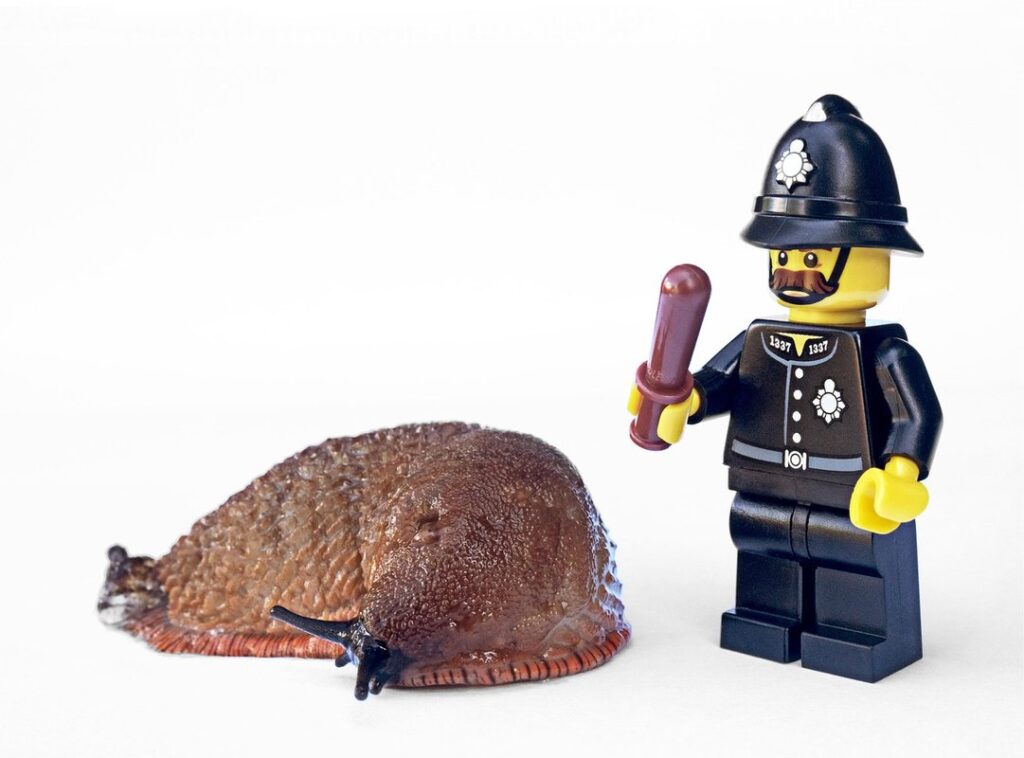
Understanding Slugs and Their Impact
To understand how to effectively control slugs in your garden, it’s essential to grasp their habits, habitats, and impact on your plants. Let’s dive into the world of these slimy pests.
The Life Cycle of Slugs
To effectively control slugs in your garden, it’s essential to understand their life cycle. Slugs are hermaphrodites, meaning they have both male and female reproductive organs. They breed throughout the year, but peak activity occurs during spring and autumn when temperatures are mild.
A single slug can lay up to 30 eggs at a time, which hatch into small slugs after about two weeks. These young slugs feed on algae and decaying plant matter as they grow, reaching maturity in around six months. Once mature, they begin breeding again, perpetuating the cycle.
Slug populations can grow rapidly due to their high reproductive rate and ability to adapt to different environments. In ideal conditions, a single slug pair can produce up to 2,000 offspring per year. This exponential growth makes it challenging to control slugs manually.
Understanding the life cycle of slugs helps you anticipate peak breeding periods and plan effective control measures accordingly. By knowing when and how often slugs breed, you can tailor your control strategies to maximize their impact and minimize damage to your plants.
Identifying Slug Damage in Your Garden
When it comes to detecting slug damage in your garden, being aware of the signs is crucial for effective control. Slugs are notorious for their voracious appetites and ability to cause significant harm to plants overnight. One of the most common signs of slug damage is holes in leaves. These can appear as neat, rounded circles or irregular shapes, often with a smooth edge.
In addition to leaf damage, slugs also target stems, chewing through them with ease. This can weaken the plant’s structural integrity and leave it vulnerable to disease and pests. Damaged flowers are another common indicator of slug activity. Petals may be torn or shredded, while the flower’s center may be eaten away.
To accurately identify slug damage, inspect your plants regularly, paying attention to any unusual holes or discoloration. If you suspect slugs are present, set up a trap using beer or yeast to lure them in. Remember that slugs can be active at any time of day or night, so be sure to check for damage during these periods as well.
Economic and Environmental Impact
Slugs can wreak havoc on your garden’s ecosystem if left unchecked. One of the most significant economic impacts is decreased crop yields, which can result in substantial financial losses. A single slug can eat through a significant amount of plant material in just one night, leaving behind nothing but shredded leaves and stems.
This not only affects the aesthetic appeal of your garden but also reduces its productivity. In addition to the monetary losses, slugs can also lead to increased pesticide use. While pesticides may seem like an effective solution to control slug populations, they can have devastating effects on other beneficial organisms in your garden.
According to a study by the Royal Horticultural Society, widespread use of pesticides has led to a 40% decline in bee populations over the past few decades. This highlights the importance of adopting integrated pest management strategies that prioritize non-toxic methods for slug control. By doing so, you can protect your garden’s ecosystem while minimizing economic losses.
Choosing the Right Methods for Slug Control
When it comes to controlling slugs, selecting the right methods can be overwhelming. Here, we’ll explore effective techniques to help you make an informed decision.
Organic Methods for Slug Control
If you’re looking for non-toxic ways to control slugs in your garden, there are several effective organic methods worth exploring. One popular method is using copper barriers to deter slugs from crossing into your plants. Copper is toxic to slugs and will repel them with ease. Simply place copper tape or mesh around the affected area, and you’ll notice a significant decrease in slug activity.
Another clever approach is using crushed eggshells as a barrier. Slugs don’t like crawling over sharp surfaces, so by placing crushed eggshells around your plants, you’ll create an obstacle course that slugs will avoid. This method not only controls slugs but also adds nutrients to the soil as the shells break down.
For those who want to encourage a more… festive atmosphere in their garden, beer traps can be an entertaining way to control slugs. Simply place a shallow container filled with beer near the affected area, and the slugs will slide on over to indulge in the brew. Once they’re trapped, dispose of them humanely and enjoy your slug-free plants.
Remember, it’s all about creating an environment that’s hostile to slugs while still being gentle on your garden ecosystem.
Chemical Controls: Pros and Cons
Chemical controls can be an effective method for slug control in gardens, but it’s essential to weigh their pros and cons before making a decision. On the positive side, chemical pesticides can quickly kill slugs on contact, reducing the damage they cause to plants. For instance, iron phosphate-based baits are generally considered safe and non-toxic to humans, pets, and wildlife.
However, there are significant drawbacks to using chemical controls. First and foremost, chemicals can harm beneficial insects and microorganisms in your garden, disrupting the ecosystem balance. Moreover, slugs can develop resistance to certain pesticides over time, rendering them less effective. Some chemicals may also contaminate soil, groundwater, or nearby water sources, posing long-term environmental risks.
If you still choose to use chemical controls, make sure to follow the product instructions carefully and take necessary precautions. It’s also crucial to combine these methods with other control measures, such as removing hiding places and using physical barriers, to achieve optimal results.
Integrated Pest Management (IPM) Strategies
When it comes to controlling slugs in your garden, relying on a single method can be ineffective. That’s where Integrated Pest Management (IPM) strategies come in – combining multiple methods to create a comprehensive plan for slug control.
By adopting an IPM approach, you can minimize the risks associated with pesticide use and prevent the development of resistant slug populations. Start by identifying areas where slugs are most active, such as under debris or near plants that are susceptible to damage. Remove any food sources like rotting vegetation, and consider using physical barriers like copper tape around plant stems.
Next, introduce natural predators like hedgehogs, toads, or birds that feed on slugs. You can also use attractant traps, which lure slugs with bait but allow you to release them elsewhere without harm. Finally, apply targeted treatments like iron phosphate baits during peak slug activity periods. By integrating these methods, you’ll create a robust IPM plan for effective slug control in your garden.
For instance, a study found that gardens using an IPM approach reduced slug damage by 75% compared to those relying solely on pesticides. Remember to monitor the effectiveness of each method and adjust your strategy as needed.
DIY Slug Traps and Barriers
If you’re looking for creative ways to deter slugs from your garden, we’ll show you how to make effective DIY slug traps and barriers using household items. These simple solutions can be set up in minutes.
Beer Traps and Pitfall Traps
Creating beer traps and pitfall traps is an effective way to catch and remove slugs from your garden. To make a beer trap, start by filling a shallow container with at least 1-2 inches of beer. Slugs are attracted to the smell and taste of yeast in beer, so use a dark-colored ale or lager for best results.
Place the trap near affected areas of your garden, ideally in a spot where slugs tend to congregate. Cover the top of the container with plastic wrap or a lid, securing it with a rubber band to prevent slugs from escaping once they’ve entered. You can also add a few rocks or marbles to the beer to help slugs climb up and fall into the trap.
Pitfall traps work in a similar way. Dig a shallow hole, about 1-2 inches deep, near areas of your garden that are frequently targeted by slugs. Fill the hole with water and place some leaves or other vegetation inside to attract slugs. When slugs come to investigate, they’ll fall into the water and drown.
Remember to dispose of caught slugs humanely, either by releasing them far away from your garden or composting them. Regularly checking and emptying traps will also help prevent slug populations from growing in the area.
Copper Barriers and Mesh Guards
When it comes to protecting your plants from slug damage, copper barriers and mesh guards are two effective methods you can use. Copper is toxic to slugs, and they will avoid crossing over it altogether. To create a barrier using copper, simply place copper tape or flashing around the perimeter of the plant bed, making sure to overlap the strips by 2-3 inches to prevent any gaps.
You can also use mesh guards, which are fine-mesh materials that allow for airflow while keeping slugs out. Bury the guard around the base of the plants, making sure it’s at least 6-8 inches deep to prevent slugs from burrowing underneath. Some gardeners swear by using copper mesh, which combines the two methods in one product.
Some key things to keep in mind when using copper barriers or mesh guards: ensure they’re securely attached to the surrounding soil, and replace them regularly as they can become worn over time. By incorporating these simple yet effective measures into your gardening routine, you’ll be able to protect your plants from slug damage and enjoy a healthier, more productive garden.
When choosing between copper tape and mesh guards, consider the size of your garden bed and the type of plants you’re growing. Copper tape is often easier to use for smaller beds, while mesh guards work well for larger areas or for protecting specific groups of plants.
Physical Barriers and Repellents
Physical barriers are an effective and non-toxic way to prevent slug damage in your garden. One of the most popular physical barriers is fine-mesh screens, which can be placed over plants to keep slugs out. These mesh screens have small holes that allow light and water to reach the plants while keeping larger pests like slugs at bay. You can also use plastic sheeting or row covers to cover your plants, these are lightweight, breathable fabrics that will prevent slugs from reaching your plants.
To set up a physical barrier, start by choosing the right material for your garden. Fine-mesh screens work best on smaller plants and those that don’t require a lot of air circulation. Plastic sheeting is better suited for larger plants or areas where air circulation is not an issue. Make sure to secure the barriers with stakes or weights to prevent them from blowing away in the wind.
Remember, physical barriers are most effective when used in combination with other slug control methods. For example, you can use copper tape around plant pots to repel slugs and then cover the plants with a fine-mesh screen for added protection. This multi-layered approach will give you the best chance of preventing slug damage in your garden.
Natural Deterrents for Slugs
If you’re looking for a more organic way to keep slugs at bay, we’ll explore some natural deterrents that can be just as effective as chemical treatments without harming your garden. From copper tape to beer traps.
Plant-Based Slug Deterrents
When it comes to keeping slugs at bay without harming the environment, certain plants can be effective deterrents. These natural slug repellents are a great alternative to chemical-based products and can be easily incorporated into your garden design.
Garlic and chives are two popular plants known for their ability to repel slugs. Planting garlic around the perimeter of your garden can help keep these pests away, as its strong scent is unappealing to them. You can also mix crushed garlic with water to create a spray that can be applied directly to affected areas.
Another option is chives, which have natural oils that are toxic to slugs. Planting chives near vulnerable plants or using their leaves in a homemade slug repellent can help keep these pests at bay. Other plants like mint, lemongrass, and marigold also have properties that repel slugs.
Remember, while these plants can be effective deterrents, they may not eliminate the problem entirely. To achieve optimal results, combine plant-based slug control methods with other natural deterrents and maintain a clean garden environment to prevent re-infestation.
Soil Amendments to Repel Slugs
Adding certain minerals or soil amendments to your garden can make it less appealing to slugs. One of the most effective ways to deter slugs is by adjusting the pH level of your soil. Slugs prefer acidic environments, typically with a pH between 5 and 6. If you can raise the pH level to around 7 or higher, you’ll be making your garden less hospitable to these pests.
Another way to repel slugs is by adding crushed eggshells or oyster shells to your soil. Slugs don’t like crawling over sharp surfaces, so incorporating these into your soil will make it more difficult for them to move around. You can also try mixing in some diatomaceous earth, a natural powder made from the remains of tiny aquatic organisms. This substance dehydrates slugs’ bodies and makes it impossible for them to survive.
Consider adding calcium-rich amendments like dolomitic limestone or crushed seashells to increase your soil’s pH level and make it less attractive to slugs. By incorporating these simple yet effective techniques into your garden care routine, you’ll be taking a crucial step towards reducing slug damage and protecting your plants.
Companion Planting Strategies
Companion planting is an effective and eco-friendly way to deter slugs from invading your garden. By strategically pairing slug-repellent plants with those that attract pests, you can create a balanced ecosystem that discourages slugs from feeding on your prized vegetables.
Certain plants have natural properties that repel or distract slugs, making them ideal companions for vulnerable crops. For instance, planting marigolds alongside tomatoes can help deter nematodes and other soil-dwelling pests that attract slugs. Similarly, basil’s strong scent deters aphids, which in turn reduces the likelihood of slug infestation.
Some popular slug-repellent plants include garlic, chives, and mint. These can be strategically positioned around garden beds or intercropped with other vegetables to create a protective barrier. For example, planting garlic near lettuce leaves will repel slugs without affecting the crop’s taste or quality.
To incorporate companion planting into your slug control strategy, consider these practical tips:
* Plant a diverse range of species that complement each other in terms of growth habits and pest resistance
* Rotate crops to avoid depleting the soil of nutrients and creating ideal conditions for pests
* Choose plants with varying mature heights to create layers of protection around vulnerable vegetables
Long-Term Slug Control and Prevention
To keep slugs from wreaking havoc on your garden long-term, you need to adopt a proactive approach that involves both prevention and ongoing control measures. This section will walk you through those essential strategies.
Regular Monitoring and Maintenance
Regular monitoring and maintenance are crucial to maintaining effective slug control in your garden. Slugs can quickly adapt to new environments and control methods, so it’s essential to regularly assess the effectiveness of your measures and make adjustments as needed.
One way to do this is by setting up a regular monitoring schedule. This could be weekly or bi-weekly, depending on the severity of slug activity in your area. Walk through your garden at night with a torch, searching for signs of slugs such as trails of slime, feeding damage, and live slugs. Keep an eye out for any new areas where slugs may be emerging.
If you notice that your control measures are failing, it’s likely due to one of two reasons: either the slugs have adapted to the methods being used, or the environment has changed in a way that is attracting more slugs. In this case, reassess your control strategy and make any necessary adjustments. This might involve switching to a different type of bait or barrier, or making changes to the garden’s structure to discourage slug habitation.
Consider implementing regular maintenance tasks such as checking and repairing barriers, replenishing bait supplies, and monitoring for signs of new slug activity. By staying on top of these tasks, you can maintain effective control and prevent slugs from taking over your garden.
Preventative Measures for New Garden Beds
When creating new garden beds, it’s essential to consider preventative measures that will help prevent slug infestations from the start. One effective way to deter slugs is by using slug-repellent mulch. Certain types of mulch, such as copper-based or garlic-infused mulches, have been shown to repel slugs due to their strong scents and textures.
You can also consider installing fabric barriers around your new garden beds. These barriers work by creating a physical barrier that prevents slugs from entering the area. Look for breathable fabrics like polyester or nylon, which will allow moisture and air to pass through while keeping slugs out.
Some other tips for preventing slug infestations in new garden beds include planting slug-resistant plants, removing weeds that attract slugs, and avoiding overwatering, which can make your garden more appealing to these pests. By taking a proactive approach to slug control from the beginning, you’ll save yourself time and effort in the long run and ensure a healthy, thriving garden for years to come.
Frequently Asked Questions
What’s the best way to combine multiple slug control methods for optimal results?
When implementing a comprehensive slug control plan, it’s essential to integrate various methods to achieve maximum effectiveness. Combine physical barriers like copper mesh with natural deterrents such as garlic spray and plant-based repellents like chamomile or mint. Also, consider using DIY traps in conjunction with organic methods like beer traps or pitfall traps. This multi-faceted approach will provide a strong defense against slugs.
Can I use slug control methods during the winter months when slugs are less active?
While it’s true that slugs are less active during winter, they can still cause damage to your plants during this period. Implementing preventative measures like physical barriers and repellents, as well as using natural deterrents, can help minimize slug activity even in the winter. Consider also monitoring your garden regularly for any signs of slug infestation.
How often should I inspect my garden for slug damage?
Regular monitoring is crucial to identify and address slug damage early on. Inspect your garden at least once a week, paying attention to areas with high plant growth or where slugs are most likely to hide. Look for slimy trails, holes in leaves, or chewed-off stems as signs of slug activity. This proactive approach will help you catch any issues before they become severe.
Can I use companion planting strategies alone to control slugs?
While companion planting can be an effective method for repelling slugs, relying solely on this approach may not provide sufficient protection. Companion plants like marigolds and nasturtiums can deter slugs, but their effectiveness depends on various factors such as plant density and slug population size. Consider combining companion planting with other methods like physical barriers or organic deterrents for optimal results.
How do I maintain a long-term slug control plan?
Maintaining a successful slug control plan requires ongoing effort and monitoring. Regularly inspect your garden, adjust your strategy as needed, and make sure to keep your control measures in place throughout the year. Consider implementing preventative measures like soil amendments or companion planting in new garden beds to prevent slug infestations from the start. By adopting this mindset, you’ll be able to maintain a balanced ecosystem in your garden for years to come.