
Slugs can be a gardener’s worst nightmare. These slimy pests feed on your plants’ leaves, flowers, and fruits, causing irreparable damage to your garden. Identifying slug infestations early on is crucial in preventing them from taking over your entire garden. As a gardener, you want to maintain a healthy ecosystem where your plants thrive, but slugs can disrupt this balance.
In this article, we’ll explore effective strategies for identifying, preventing, and controlling slug infestations in your garden. We’ll delve into both organic methods and chemical controls, providing you with a comprehensive approach to tackle these pests. From homemade repellents to commercial treatments, we’ll cover it all. By the end of this guide, you’ll be equipped with the knowledge to keep slugs under control and enjoy a thriving, slug-free garden.
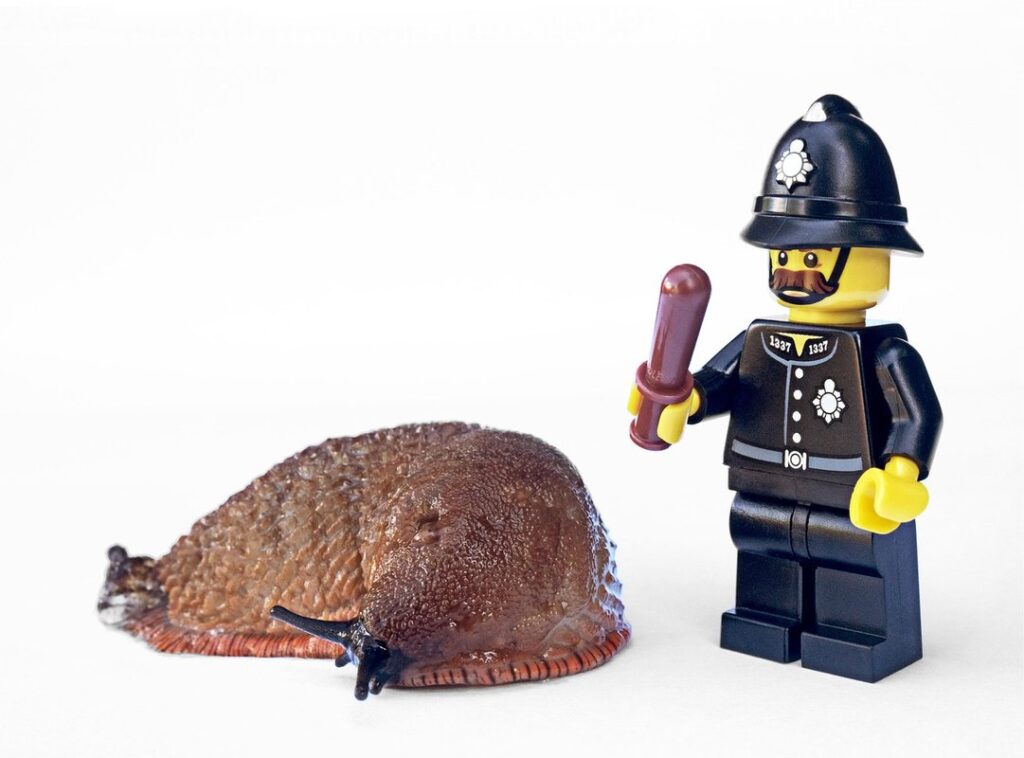
Understanding Slugs and Their Impact
To truly tackle slug control, it’s essential to understand these sneaky creatures’ habits and how they impact your garden. Let’s take a closer look at what makes slugs tick.
The Life Cycle of Slugs
Understanding slugs’ life cycles is crucial to developing effective control strategies. These slimy pests have a unique life cycle that spans from egg to adult, and it’s essential to comprehend their habits and habitats to outsmart them.
Slugs typically lay eggs in protected areas with high humidity, such as under rocks, logs, or leaf litter. The eggs hatch into tiny slugs after about 2-4 weeks, depending on temperature and moisture levels. These juvenile slugs feed on plant sap and debris before reaching maturity. Adult slugs can live up to a year, with some species producing multiple broods in their lifetime.
It’s worth noting that slugs are most active at night, when they emerge from their hiding places to feed. They have poor eyesight but an excellent sense of smell, which helps them detect food sources. By understanding these habits and habitats, gardeners can implement targeted control measures, such as removing sheltered areas or using traps with attractive baits.
Regularly inspecting your garden for signs of slug activity and addressing any issues promptly will also help prevent infestations from getting out of hand.
Damage Caused by Slugs to Plants
Slugs can be devastating to gardeners, causing extensive damage to plants that can be frustrating and costly to repair. When slugs attack, they leave behind a trail of destruction that can be categorized into three main types: holes, shredded leaves, and the spread of disease.
Holes are perhaps the most obvious sign of slug activity, as these pests burrow through leaves and stems with ease. The damage is often uniform in size and shape, making it easier to spot infestations. Shredded leaves, on the other hand, result from slugs feeding on plant tissues, leaving behind a trail of torn and mangled foliage. This type of damage can be particularly disheartening, as it not only destroys the appearance of your plants but also weakens their structure.
To make matters worse, slugs can also spread disease to plants through their feces and regurgitated saliva, which contain bacteria that can cause infections. If you notice any of these symptoms in your garden, take action immediately to prevent further damage and protect your plants from the long-term consequences.
Identifying Slug Infestations
To determine if you have a slug infestation, look for signs of damage on plants, such as holes in leaves and stems, and check for live slugs in moist areas of your garden.
Signs of a Slug Problem
When you notice that your garden’s plants are being ravaged by unknown pests at night, it could be time to investigate if slugs have invaded your garden. Slugs can be a formidable enemy for gardeners, causing extensive damage to leaves, flowers, and fruits. Here are some common signs of a slug infestation in your garden:
Look out for trails of slime left behind by the slugs as they move through the garden. These silvery lines are usually the first indication that you have an infestation problem. The plants themselves can also give you away – keep an eye out for large holes or torn leaves, which are characteristic signs of slug feeding. In severe cases, the damage may look like someone has taken a pair of scissors to your garden.
If you’re still unsure, take a closer inspection at night when slugs are most active. You might spot them making their way slowly across your plants’ surfaces. This is often the best time to lay traps or bait to help control the slug population.
Monitoring for Slugs at Night
Monitoring for slugs at night can be an effective way to identify areas of infestation and determine the extent of the problem. One popular method is using UV light traps to attract and capture slugs. These devices emit a specific wavelength of ultraviolet light that attracts slugs, which are then captured in a container or enclosure.
When using UV light traps, it’s essential to place them in areas where slugs are most active, such as near plants with tender shoots or in humid environments. You can also use other methods like setting out shallow containers filled with beer or yeast-based baits, which attract and trap slugs.
To get the most out of these methods, it’s crucial to set traps at night when slugs are most active. This typically occurs around dusk or dawn, depending on the weather conditions. Make sure to check your traps regularly, as captured slugs can be a valuable source of information about the infestation and help you adjust your control measures accordingly.
By monitoring for slugs at night using UV light traps or other methods, you’ll gain a better understanding of the extent of the problem and be able to implement targeted control strategies.
Organic Methods for Slug Control
If you’re looking for a more natural approach to keeping slugs at bay, you’ll want to explore these organic methods that can be just as effective. From hand-picking to homemade deterrents, we’ve got you covered.
Copper Barriers and Mesh
When it comes to preventing slugs from crossing into garden beds, copper barriers and mesh are popular organic methods worth exploring. Copper has long been known for its effectiveness in deterring slugs due to its toxicity to these pests.
Copper mesh or tape can be placed around the perimeter of your garden bed, overlapping the edges to ensure a seamless barrier. This physical barrier prevents slugs from crawling over it and reaching the plants. When choosing copper mesh, consider using a high-quality, woven mesh that allows for good airflow and won’t rot or degrade quickly.
The effectiveness of copper barriers lies in their ability to create an electrical potential difference across their surface. Slugs don’t like this sensation, which prevents them from crossing over. Studies have shown that when used correctly, copper barriers can reduce slug damage by up to 80%. To maximize the impact of copper mesh, ensure it’s buried at least 6 inches deep and secured firmly around planters or raised beds.
Remember to always handle copper mesh with care, as cuts can cause irritation in some individuals.
Diatomaceous Earth and Other Natural Repellents
If you’re looking for organic methods to repel slugs from your garden, natural repellents are an excellent place to start. One popular option is diatomaceous earth (DE), a powder made from the fossilized remains of tiny aquatic organisms called diatoms. When slugs come into contact with DE, it dehydrates their soft bodies, causing them to die within hours. Sprinkle it around plant bases or mix it into soil to create a barrier.
Garlic spray is another effective repellent that can be made at home by blending garlic cloves with water and spraying the solution directly on plants. Slugs detest the smell of garlic and will avoid areas where it’s present. You can also try crushed eggshells around plant bases, as slugs don’t like to crawl over sharp surfaces.
When using natural repellents, remember that they may not provide long-term protection against severe slug infestations. For maximum effectiveness, combine these methods with other organic control strategies, such as hand-picking and mulching.
Chemical Controls for Slug Infestations
When chemical controls are necessary, we’ll explore some of the most effective slug baits and pellets available on the market today. These solutions can be a game-changer in severe infestation cases.
Baiting with Metaldehyde or Methiocarb
When it comes to chemical controls for slug infestations, metaldehyde and methiocarb baits are two commonly used options. Metaldehyde is a highly effective molluscicide that works by causing the slugs to become desiccated and die. It’s often used in combination with other control methods, such as barriers and hand-picking.
Methiocarb, on the other hand, is a slower-acting bait that can take up to 48 hours to kill slugs. However, it has the advantage of being less toxic to mammals and birds than metaldehyde. When using either of these baits, it’s essential to follow the instructions carefully to avoid harming non-target animals.
To use metaldehyde or methiocarb baits effectively, place them in areas where slug activity is highest, such as near plant damage or under debris. Use the recommended amount, as specified on the packaging, and make sure to keep the bait out of reach of children and pets. Regularly monitor the area to ensure that the baits are working effectively and adjust as needed.
Remember, chemical controls should be used in conjunction with other methods, such as cultural controls and biological controls, for optimal results.
Insecticides Containing Iron Phosphite
Iron phosphite insecticides have gained attention for their potential to control slug populations. These products typically contain a combination of iron and phosphorus, which work together to inhibit the growth of slugs and snails. When applied to plants, iron phosphite forms a complex that binds to the mucous secreted by these pests, making it difficult for them to move or feed.
For effective control using iron phosphite insecticides, follow these steps:
* Apply the product at the recommended rate to ensure sufficient coverage.
* Spray or douse affected plants with the solution early in the morning or evening when slugs are most active.
* Repeat applications as directed by the product label to maintain efficacy.
It’s essential to note that iron phosphite insecticides may not provide immediate results. Their effectiveness lies in their ability to gradually reduce slug populations over time. To maximize the benefits of these products, integrate them into a comprehensive slug control strategy that includes other methods like physical barriers and bait traps.
Integrated Pest Management (IPM) Strategies
To tackle slugs effectively, consider implementing integrated pest management strategies that combine physical barriers, organic baits, and biological controls to minimize harm. This holistic approach can yield better results than single-method solutions.
Combining Physical, Organic, and Chemical Controls
When it comes to effective slug management, relying on a single control method is often insufficient. Combining physical, organic, and chemical controls can provide a robust defense against these slimy pests. This integrated approach acknowledges that no single technique can completely eliminate slugs from your garden.
Physical controls involve using barriers or traps to deter slugs from reaching your plants. For instance, copper tape around plant stems can create an electrical charge that deters slugs, while beer traps lure them in with a sweet liquid bait. Organic methods include encouraging natural predators like hedgehogs and ground beetles, which prey on slugs.
Chemical controls may seem drastic but are often necessary for severe infestations. Consider using iron phosphate baits or molluscicides containing nicotinoids as a last resort. However, these should be used judiciously to avoid harming beneficial insects or soil microorganisms.
To implement this multi-faceted approach, consider the following tips: always inspect your garden regularly to catch any emerging issues early; combine multiple control methods for optimal results; and maintain a clean, tidy garden free of debris that can attract slugs.
Long-Term Solutions for Sustainable Slug Control
When it comes to sustainable slug control, relying on short-term solutions like baits and traps can lead to more problems than they solve. For long-term success, you need strategies that tackle the root causes of slug infestations and create an environment less conducive to their presence.
Crop rotation is a simple yet effective technique for managing slugs. By changing the type of plants in your garden regularly, you break the life cycle of these pests and reduce their population over time. For example, if you’ve grown host plants like lettuce or tomatoes, try switching to non-host crops like marigolds or nasturtiums for a season. This not only reduces slug activity but also improves soil health.
Modifying your garden’s habitat is another crucial aspect of long-term slug control. Slugs thrive in humid environments with ample food and shelter. Consider adding more plants that repel slugs, such as lavender or rosemary, to your garden. You can also increase the drainage by incorporating organic matter like compost or well-rotted manure into your soil. By modifying your garden’s ecosystem, you create a less favorable environment for slugs to thrive in.
Preventing Future Slug Infestations
Now that you’ve taken steps to control slugs, let’s focus on preventing future infestations by identifying and addressing the root causes of slug problems in your garden. By taking these proactive measures, you’ll be well-equipped to maintain a healthy and slug-free garden for years to come.
Maintaining a Healthy Garden Ecosystem
Maintaining a healthy garden ecosystem is crucial to preventing future slug infestations. By creating an environment that’s inhospitable to slugs, you can significantly reduce the likelihood of these pests taking over your garden.
Start by promoting beneficial insects and microorganisms in your soil. Encourage earthworms, beetles, and other decomposers by incorporating compost or well-rotted manure into your soil. These organisms break down organic matter, making nutrients available to plants, which in turn promotes healthy growth and vigor. A thriving ecosystem like this is less appealing to slugs, as they prefer soft, weak plants.
To further deter slugs, ensure good air circulation by pruning nearby vegetation and maintaining a weed-free zone around your plants. This helps prevent moisture accumulation, reducing the likelihood of slug habitats forming near your garden. By implementing these simple measures, you’ll be well on your way to creating an ecosystem that’s more resistant to future slug infestations. Regular monitoring and adjustments will also help maintain this balance, keeping your garden healthy and slug-free for years to come.
Regular Monitoring and Maintenance
Regular monitoring and maintenance are crucial steps in preventing future slug infestations. By catching problems early, you can avoid significant damage to your plants and reduce the need for more drastic measures like chemical control.
Keep an eye out for signs of slug activity, such as holes in leaves or stems, slimy trails on soil or plants, or even actual slugs themselves. Check plants regularly, especially at night when slugs are most active. Use a flashlight to inspect hard-to-reach areas and keep an eye out for any unusual damage.
Keep your garden clean by removing weeds, debris, and other hiding places for slugs. Consider using copper tape around planters or raised beds – slugs don’t like the taste of copper and will avoid it. Also, make sure to water plants at the base rather than from above to minimize the amount of moisture on leaves.
By incorporating these simple steps into your regular maintenance routine, you’ll be well-equipped to catch any slug problems early on and prevent them from taking over your garden.
Frequently Asked Questions
How can I maintain a healthy garden ecosystem to prevent slug infestations?
Regularly monitoring your garden’s moisture levels, ensuring good air circulation, and maintaining a balanced soil pH can help deter slugs. Also, promote beneficial wildlife like birds, hedgehogs, or toads that feed on slugs by providing shelter and food sources.
Can I use copper mesh around my entire garden to prevent slug infestations?
While copper barriers can be effective, it’s impractical and costly to install them around the entire garden. Focus on protecting high-value plants or areas with severe slug damage. You can also combine copper barriers with other organic methods for enhanced protection.
How long does it take to see results from using diatomaceous earth as a natural repellent?
Diatomaceous earth (DE) typically starts showing its effects within 1-3 days of application, depending on the severity of the slug infestation and environmental conditions. Reapply DE regularly to maintain its effectiveness.
What should I do if I’m dealing with a large-scale slug problem in my garden?
In such cases, consider combining multiple control methods, like copper barriers, diatomaceous earth, or baiting with metaldehyde/methiocarb, depending on your garden’s specific needs. Regularly monitor and adjust your approach as needed to ensure optimal results.
Can I use chemical controls during the peak growing season to combat slugs?
Avoid using chemical controls during peak growth periods, as they can harm beneficial insects and plants. Opt for organic methods or chemical controls during periods of dormancy or when the infestation is most severe, ensuring minimal disruption to your garden’s ecosystem.