
As you tend to your garden, have you ever stopped to think about the quality of your soil? A well-structured soil is essential for healthy plant growth, but poor soil can lead to weak roots, stunted plants, and even pest infestations. This is where sifting compost comes in – a simple yet powerful technique that can revolutionize your gardening game. By removing debris, weed seeds, and other unwanted materials from your compost pile, you can unlock its full potential and create a nutrient-rich soil amendment that will take your garden to the next level. In this article, we’ll explore the benefits of sifting compost, provide expert tips on how to do it safely and effectively, and share techniques for improving soil structure, reducing weed seeds, and increasing nutrient availability in your garden.
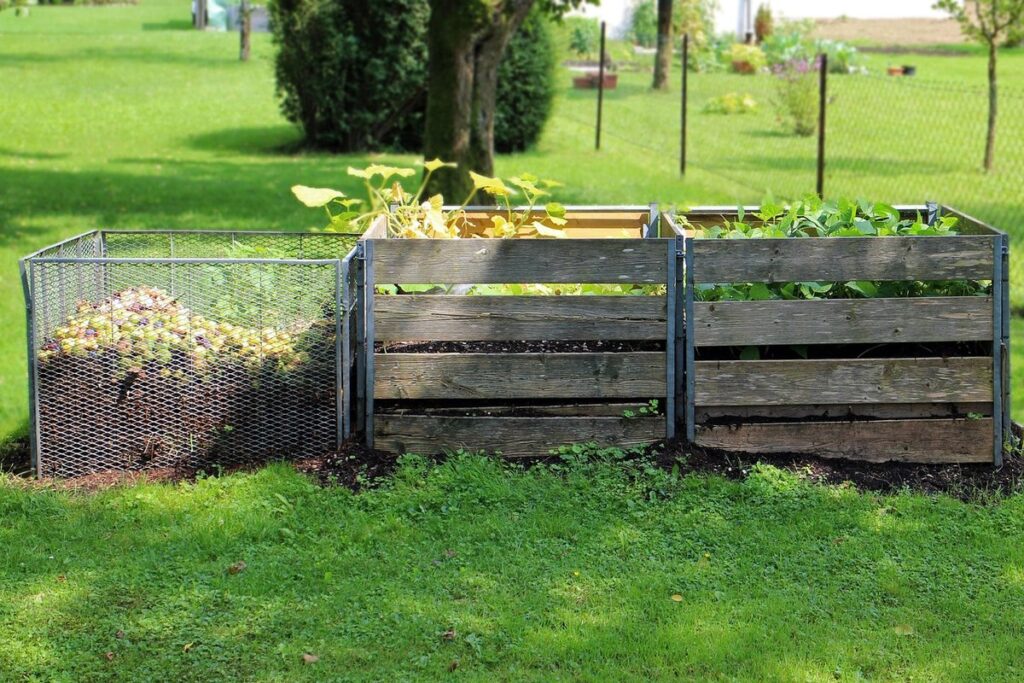
What is Compost Sifting?
Compost sifting is a crucial step in creating high-quality compost, allowing you to separate valuable nutrients from debris and contaminants. Let’s dive into what this process entails and its importance in the composting journey.
Importance of Proper Compost Sifting
Proper compost sifting is a crucial step in the composting process that’s often overlooked, but it plays a significant role in producing high-quality compost. By sifting through the finished compost, gardeners can separate the nutrient-rich humus from unwanted debris such as sticks, rocks, and weeds.
Sifting compost benefits gardeners in several ways. For one, it helps to remove contaminants that could harm plants or spread diseases in the garden. This is particularly important for organic gardeners who rely on natural methods of pest control and soil enrichment. Sifting also makes the compost more aesthetically pleasing and easier to store.
Composting with sifting differs from other methods like cold-composting, hot-composting, or vermicomposting in that it involves a physical separation process rather than relying solely on microorganisms to break down organic matter. This hands-on approach requires some effort but yields a finer, more uniform product that’s perfect for potting mixes, seed starting, and direct soil application.
Regular sifting also enables gardeners to monitor the composting process and make adjustments as needed to achieve optimal decomposition rates and minimize odors.
Common Issues with Untreated Compost
When you use untreated compost, there are several potential problems that can arise. For one, weed seeds can remain active and viable, sprouting into unwanted weeds in your garden. This can be especially frustrating if you’re trying to cultivate a specific type of plant or maintain a tidy appearance.
Pests like rodents, ants, and slugs may also take up residence in untreated compost, where they can feed on decaying organic matter and potentially spread diseases to nearby plants. These pests can multiply rapidly, making it difficult to control infestations without resorting to chemical pesticides.
Diseases such as fungal infections can also persist in untreated compost, contaminating the finished product and spreading harm to your garden. For example, if you use untreated compost contaminated with powdery mildew or root rot, these diseases can quickly spread to nearby plants and cause significant damage.
To avoid these issues, it’s essential to properly treat and sift your compost before using it in your garden.
Benefits of Sifting Compost
Sifting compost is a simple yet effective way to separate valuable nutrients from unwanted debris, resulting in a higher-quality finished product that’s easier to use. Let’s explore some of the key benefits you can expect by incorporating sifting into your composting routine.
Reduced Weed Seeds and Pests
When you sift through your compost pile, you’re not just removing large chunks and debris – you’re also significantly reducing weed seeds and pest infestations in your garden. This is a crucial benefit of sifting compost that often goes unnoticed. By separating the finer materials from the larger ones, you can effectively remove unwanted weed seeds and insect eggs that might be hiding within.
For instance, if you have dandelions or bindweed growing in your yard, their seeds are likely present in your compost pile. Sifting through the material will help remove these seeds, preventing them from germinating and sprouting up again in your garden. This not only saves you time and effort but also reduces the amount of herbicides and pesticides you need to use.
In terms of pests, sifting can be just as effective. Fly larvae, nematodes, and other insects that might be present in the compost pile will be removed along with the larger debris. By separating these unwanted critters from your finished compost, you can create a healthier and more balanced soil ecosystem for your plants to thrive in.
Improved Soil Structure
Sifting compost is an often-overlooked step in the composting process, but it has a significant impact on the final product. One of the most significant benefits of sifting compost is the improvement in soil structure. When you sift compost, you’re breaking down clumps and aerating the mix, which allows water to penetrate more easily.
As a result, soil retains moisture better, reducing the need for frequent watering and minimizing the risk of wash-away nutrient loss. This also creates an ideal environment for root growth, as roots can spread out further without obstruction. With improved aeration and water retention, plants are able to absorb nutrients more efficiently, leading to healthier growth.
In addition, sifting compost reduces the likelihood of compacted soil, which can impede drainage and prevent air from reaching plant roots. By sifting your compost regularly, you’re creating a well-balanced mix that’s perfect for replenishing nutrient-depleted soil or amending potting mixes.
Enhanced Nutrient Availability
When you sift compost, it’s not just about breaking down clumps – it’s also about unlocking the nutrient potential of this valuable resource. By separating out large particles and debris, sifting makes compost nutrients more accessible to plants, promoting healthy growth and development.
Think of it like a meal for your garden: when you consume food that’s rich in nutrients but difficult to digest, your body may not reap the full benefits. Similarly, if your plants have to work hard to extract nutrients from compacted compost, they won’t be able to reach their full potential. Sifting solves this problem by releasing these nutrients into a more manageable form.
In particular, sifting helps to aerate and distribute microorganisms that break down complex organic matter. This process enhances the availability of essential micronutrients like iron, zinc, and magnesium, which are crucial for plant growth. By making compost easier to penetrate, you’re essentially giving your plants a nutrient-rich meal that they can easily absorb.
The Sifting Process: A Step-by-Step Guide
Now that you’ve got a solid understanding of why sifting compost is essential, let’s dive into the nitty-gritty of how to do it effectively.
Equipment Selection and Preparation
When it comes to sifting compost, having the right equipment is essential. This includes a good quality sifter, gloves, and protective gear. A sifter can be either manual or powered, depending on your preference and the size of your compost pile. Manual sifters are great for small batches, while powered sifters are ideal for larger quantities.
When choosing a sifter, consider the material it’s made of, such as metal or plastic. Metal sifters are durable and long-lasting but can be heavy to handle. Plastic sifters, on the other hand, are lightweight and easy to maneuver but may not be as effective at separating fine particles.
In addition to a sifter, gloves and protective gear are crucial for handling compost safely. Compost can be slippery and uneven, so wearing gloves with grip will help prevent accidents. Long sleeves, pants, and closed-toe shoes will also protect you from cuts, scrapes, and other injuries.
When working with compost, always prioritize safety precautions such as avoiding eye contact with dust or debris, keeping children and pets away, and washing your hands thoroughly after handling the material.
Pre-Sifting Compost Preparation
Before you start sifting your compost, it’s essential to properly prepare the mixture. This step ensures that the sifting process is efficient and effective. Begin by removing large debris such as sticks, rocks, and any other materials that can damage your sifter or clog its pores.
Next, aerate the compost mixture by gently turning it over with a shovel or pitchfork. This helps to loosen up any clumps and promotes even drying, which is crucial for optimal sifting results. Aim for a moisture level of around 40-50% – not too wet, not too dry. If your compost is too damp, it may be difficult to sift, while excessively dry compost can lead to dust and reduced efficiency.
Check the compost mixture regularly during the preparation process to ensure that it’s at the right consistency. You can do this by performing a simple squeeze test: if water drips out slowly when you compress the compost, it’s ready to go! By investing some time in proper pre-sifting preparation, you’ll be rewarded with faster and more efficient sifting results.
Sifting Techniques and Tips
When sifting compost, it’s essential to have a system in place for removing unwanted materials, managing speed, and maintaining equipment cleanliness. Start by separating large chunks of wood, rocks, and other debris from the compost pile before sifting. This will prevent damage to your sifter or clogger and make the process more efficient.
As you begin sifting, focus on removing any visible contaminants like sticks, roots, and weeds. A good rule of thumb is to sift through about 2-3 pounds of compost at a time, working in sections to maintain speed and efficiency. To manage speed, try sifting in a gentle, back-and-forth motion with the sifter’s mesh side down.
Regularly cleaning your sifter is also crucial for optimal performance. After each use, wash the sifter with soap and water, then rinse thoroughly before drying it out. This will prevent any lingering debris from affecting future batches of compost. Consider using a wire brush to scrub away stubborn stains or buildup on the sifter’s frame.
By following these techniques and tips, you’ll be able to efficiently sift your compost and produce high-quality finished product that is free of unwanted materials.
Safety Precautions When Working with Compost
When working with compost, it’s essential to take necessary precautions to avoid potential health risks and injuries. Let’s cover some crucial safety guidelines to keep in mind when sifting your compost.
Personal Protective Gear
When working with compost, it’s essential to prioritize personal protective gear (PPG) to safeguard yourself against potential health risks. Compost can harbor pathogens like E. coli and Salmonella, as well as allergens like mold and bacteria spores. To minimize exposure, wear gloves that provide a snug fit and are made from waterproof materials.
A mask is also crucial in preventing inhalation of airborne particles. Opt for a respirator with a HEPA filter to capture 99.97% of dust, pollen, and other airborne contaminants. Don’t forget to choose eyewear that fits comfortably over your prescription glasses (if applicable). Wrap-around goggles or safety glasses with side shields will protect your eyes from splashes and flying particles.
Remember, PPG is not a one-time investment; it’s an essential component of every composting session. Replace gloves frequently, especially after handling large quantities of compost or when working in humid environments. By wearing the right protective gear, you’ll be able to siphon through the compost with confidence, knowing you’re safeguarded against potential health risks.
Compost Handling and Storage
When working with compost, it’s essential to handle it safely to minimize contamination and accidents. To start, ensure you have a designated area for composting, away from living spaces and water sources. This will prevent any potential risks associated with compost handling.
For proper storage, use bins or containers specifically designed for composting. These typically feature aeration systems, which help maintain oxygen levels and prevent anaerobic conditions that can lead to unpleasant odors and pests. When not in use, store the bin in a shaded area, as direct sunlight can cause the compost to dry out.
When disposing of finished compost, follow local regulations regarding organic waste disposal. Some municipalities have specific guidelines for composting programs or bulk pickup services. Be sure to check with your local authorities for requirements. Always handle finished compost with clean gloves and avoid using it within a few days after applying pesticides or herbicides in the same area.
Additional Tips and Tricks for Sifting Compost
Now that you’ve mastered the basics of sifting compost, here are some extra tips to help you get the most out of your process. You’ll find these additional tricks useful for achieving perfect compost.
Maintenance and Upkeep
To ensure your sifting equipment continues to perform optimally, regular maintenance is crucial. Cleaning and lubricating parts are essential tasks that should be done regularly. For example, if you notice a buildup of debris on the mesh or screen, take a moment to brush it off with a stiff-bristled brush. This will prevent clogging and ensure smooth sifting.
It’s also important to apply a food-grade lubricant to moving parts such as hinges and gears. This will help keep them running smoothly and quietly. You can use a silicone-based spray or oil specifically designed for outdoor equipment.
Another aspect of maintenance is inspecting your equipment for wear and tear. Check the mesh or screen regularly for any damage or holes that may need to be repaired or replaced. By doing so, you’ll ensure your sifting process remains efficient and effective in producing high-quality compost.
In addition, cleaning your equipment after each use will prevent the buildup of pests and bacteria. Simply rinse it with water and allow it to dry before storing.
Troubleshooting Common Issues
As you begin to sift through your compost, you may encounter some common issues that can slow down the process. One of the most frustrating problems is a clogged screen, which can cause uneven sifting speeds and prevent materials from passing through. To avoid this, make sure to clean your screens regularly with a stiff brush or by soaking them in warm soapy water.
Another issue you may encounter is uneven sifting speeds, where some areas are sifted too quickly while others remain undisturbed. This can be caused by an imbalance in the weight distribution of the compost or by inadequate mixing before sifting. To overcome this challenge, try mixing your compost thoroughly before sifting and adjust the sifting speed as needed.
It’s also essential to monitor the temperature and moisture levels during the sifting process. High temperatures can cause materials to break down too quickly, while low moisture levels can lead to dry, crumbly texture. Keep an eye on these factors and make adjustments accordingly to ensure optimal results.
Conclusion: Maximizing the Benefits of Sifted Compost
Now that you’ve mastered the art of sifting compost, let’s discuss how to maximize its benefits and get the most out of your efforts.
Recap of Key Takeaways
As you reach the end of this comprehensive guide on sifting compost, let’s recap the key takeaways to ensure you’re equipped with the knowledge and skills to maximize the benefits of proper compost sifting.
First and foremost, we discussed the importance of sifting compost as a crucial step in creating high-quality, nutrient-rich soil amendments for your garden. By removing debris, rocks, and other unwanted materials, you’ll be left with a smooth, even texture that’s perfect for spreading on your garden beds or mixing into potting mixes.
One of the primary benefits of proper compost sifting is improved water retention. When you sift out excess moisture, your compost will retain more water, reducing the need for frequent watering and minimizing the risk of overwatering. This not only saves time but also helps prevent root rot and other issues that can arise from soggy soil.
Another critical aspect we covered was the role of sifting in controlling pests and diseases. By removing weed seeds, diseased plant matter, and other contaminants, you’ll significantly reduce the risk of pests and diseases taking hold in your garden. This is especially crucial for home gardeners who may not have access to commercial-grade composting equipment or expert guidance.
To put these takeaways into practice, remember to:
* Sift your compost regularly, ideally after each turning cycle
* Use a fine-mesh sifter or screen with openings as small as 1/4 inch
* Aim for a smooth, even texture that’s free of lumps and debris
* Monitor moisture levels closely, adjusting your sifting schedule accordingly
By following these best practices and incorporating regular sifting into your composting routine, you’ll be well on your way to creating rich, fertile soil that will reward you with bountiful harvests for years to come.
Frequently Asked Questions
Can I use a manual sieve or sifter for small batches of compost?
Yes, using a manual sieve or sifter is an excellent option when working with smaller quantities of compost. This method allows for more control and can be particularly useful for gardeners who prefer a hands-on approach to composting.
When choosing a manual sifter, consider one made from durable materials like stainless steel or wood, which will withstand regular use. Make sure the mesh size is suitable for your needs, as this will affect how effectively you can separate nutrients from debris.
How often should I sift my compost, and what are the signs it needs attention?
It’s recommended to sift your compost every 1-3 months, depending on factors like the volume of compost produced, its quality, and the specific needs of your garden. Signs that your compost may need sifting include visible debris, an unpleasant odor, or a significant decrease in nutrient-rich humus.
Keep in mind that over-sifting can be counterproductive, potentially leading to a loss of valuable nutrients. Monitor your compost’s progress closely, and only sift when necessary to maintain its quality.
Can I use pre-existing garden tools for sifting compost, or do I need specialized equipment?
While it’s possible to repurpose some existing garden tools for sifting compost, such as a wire mesh screen or a fine-mesh sieve, using specialized equipment can greatly enhance the process. Invest in a dedicated compost sifter with adjustable mesh sizes and a sturdy design, which will simplify the task and help you achieve better results.
Some popular options include electric or manual sifters specifically designed for composting. These tools typically come with features like dust collection systems, making the process cleaner and more efficient.
How do I handle pests or weeds that emerge during the sifting process?
If you encounter pests or weed seeds while sifting your compost, don’t panic! Identify the issue promptly and separate the affected materials from the rest of the compost. Dispose of any contaminated material responsibly to avoid spreading the problem.
Consider implementing preventative measures in future batches by using weed barriers, adding natural pest deterrents like diatomaceous earth, or incorporating beneficial microorganisms that can help suppress weeds and pests.
What’s the best approach for storing sifted compost to maintain its quality?
To preserve the quality of your sifted compost, store it in a dry location with adequate ventilation. Consider using breathable containers like wooden pallets, mesh bags, or specialized compost storage bins. Avoid stacking materials too high, as this can cause compaction and reduce air circulation.
Keep your stored compost away from direct sunlight, moisture, and potential contaminants. Regularly inspect the stored compost for signs of spoilage or contamination, and re-sift it as needed to maintain its quality.